
Introduction
The world of live streaming has evolved into one of the most powerful entertainment industries of the modern era. From gaming streams to esports broadcasts, from talk shows to creative showcases, live streaming is now a central part of digital culture. And at the heart of this evolution lies one of the most overlooked yet essential elements of the viewing experience—the stream overlay.
A stream overlay is more than just a visual frame around a live broadcast. It’s a blend of design, technology, and interaction that enhances the viewer’s experience and strengthens the streamer’s brand. Overlays have progressed far beyond simple frames and webcam boxes. Today, they’re dynamic, interactive, and personalized tools that reflect a streamer’s personality, engage audiences, and even drive monetization.
In this blog post, we’ll explore the best innovations in stream overlays, how they’ve changed the streaming landscape, and why these creative upgrades continue to shape the future of digital broadcasting.
The Evolution of Stream Overlays
In the early days of live streaming, overlays were basic and often static. Streamers would use simple borders to frame their gameplay or camera feed, with maybe a logo or social media handle thrown in. The goal back then was simply to make the stream look a little more professional.
As streaming platforms like Twitch, YouTube, and Facebook Gaming grew, streamers began to realize the importance of standing out visually. Overlay design quickly became an essential part of content identity. Artists, designers, and developers started experimenting with color schemes, animations, and customized widgets to help streamers create unique experiences.
The introduction of interactive tools, browser-based integrations, and customizable widgets marked a turning point. Suddenly, overlays weren’t just decorations—they became interactive dashboards that displayed live information, encouraged engagement, and built community connections.
Animated and Dynamic Overlays
One of the most significant innovations in stream overlays is the rise of animated and dynamic visuals. Early overlays were static images, but today’s overlays can include smooth animations, transitions, and effects that respond to in-stream events.
Animated overlays use motion graphics to draw attention to alerts like new followers, subscribers, donations, or achievements in real time. For example, a streamer’s overlay might flash with neon colors when they reach a milestone or trigger a mini animation when someone tips them.
Dynamic overlays also adjust automatically to what’s happening in the stream. For instance, they can change themes depending on the time of day, the game being played, or even the music playing in the background. These innovations make streams feel alive, more polished, and far more engaging to viewers.
Animation has transformed overlays into storytelling tools. The smooth transitions and interactive effects contribute to immersion and professionalism, making streamers look more like broadcasters than casual hobbyists.
Data-Driven Widgets and Real-Time Stats
Modern stream overlays have become highly intelligent, integrating real-time data that enhances both the streamer and viewer experience.
Data-driven widgets can display everything from viewer counts and chat highlights to in-game statistics. For esports and competitive gaming, overlays now show detailed analytics such as player health, team scores, cooldown timers, or match updates—all synchronized live.
This level of interactivity allows audiences to feel more connected to the competition. In games like Valorant, Dota 2, or League of Legends, overlays can automatically update player stats as matches progress, giving spectators a broadcast-quality experience.
For individual streamers, overlays might show performance metrics such as kill-death ratios, win streaks, or donation goals in real time. This live integration keeps viewers informed and engaged, encouraging them to participate more actively in the stream’s progress.
Interactive Audience Engagement Overlays
Engagement is the lifeblood of any successful stream. To make audiences feel like part of the show, developers have created overlays that allow viewers to interact directly with the broadcast.
Modern overlays now include features that enable viewers to trigger on-screen reactions through donations, chat commands, or channel points. For example, a fan might type a command in chat that makes a digital confetti animation appear on screen, or their username might pop up when they subscribe.
Some stream overlays go even further, integrating with polls, trivia games, or live voting systems. Viewers can vote on in-game decisions, choose challenges for the streamer, or even influence what happens next.
This innovation transforms streaming from a passive viewing experience into a two-way interaction. Streamers and audiences build a sense of shared participation, making each broadcast unique and community-driven.
Custom Alerts and Branding Integration
Branding plays a vital role in helping streamers build recognizable identities. Custom overlays that include personalized alerts, color themes, fonts, and logo animations have become essential for professional streamers.
The best innovation in this area is the deep integration of brand identity into overlays. Streamers can now design entire overlay packages that match their brand’s aesthetic, complete with animated intros, matching transitions, and consistent color schemes across scenes.
For instance, a streamer who plays horror games might have dark, suspenseful overlay designs, while a variety entertainer might use bright, vibrant visuals. These custom overlays don’t just look good—they tell a story about who the streamer is.
Advanced alert systems also help with branding. Streamers can set up animations or sound effects that trigger for specific events, making every moment memorable. When someone donates, subscribes, or joins the chat, a branded animation appears, reinforcing recognition and fan loyalty.
Augmented Reality (AR) and Virtual Overlays
One of the most futuristic developments in stream overlays has been the introduction of augmented reality and virtual overlays. These technologies allow 3D elements to appear as though they exist within the streamer’s real environment.
For example, AR overlays can project virtual objects—like game characters, digital pets, or animated companions—onto the streamer’s camera feed. They move and interact as if they’re part of the room. This innovation adds depth, creativity, and fun to the viewing experience.
In esports events, AR overlays have been used to showcase match statistics, team logos, or digital effects that appear floating on stage. This integration blurs the line between virtual and real, giving spectators a more immersive viewing experience.
As AR and VR continue to advance, the future of overlays may involve fully interactive 3D spaces where viewers can navigate or interact with live elements.
Smart Overlays with AI Integration
Artificial intelligence has made its way into the world of streaming, leading to a new generation of smart overlays. These overlays can analyze data, recognize patterns, and automatically adjust visuals or messages based on viewer behavior.
For example, an AI-driven overlay might detect when chat activity spikes and display messages encouraging engagement or gratitude. It could also identify long-time viewers and display personalized thank-you notes.
Some overlays even integrate facial recognition and emotion analysis. If a streamer’s face cam detects excitement or laughter, the overlay could trigger celebratory animations or sound effects to match the mood.
AI-driven overlays represent the next big leap in personalization and automation. They take the workload off streamers, who can focus on content creation while their overlays handle engagement and visual flair dynamically.
Modular and Adaptive Overlay Systems
Streamers often play multiple games or switch between various types of content. The best modern overlays now come with modular and adaptive systems that automatically adjust to different situations.
A modular overlay might rearrange elements based on whether the streamer is gaming, chatting, or reacting to videos. For example, the layout might move the camera to the center during a talk segment but shrink it to a corner during gameplay.
Adaptive overlays use logic-based automation to change design elements depending on the stream’s content. They can detect what game is being played and automatically load the corresponding visual theme, alert set, and background animation.
This level of automation saves streamers valuable time while maintaining a polished and cohesive appearance throughout the broadcast. It’s especially helpful for professionals who stream diverse content on tight schedules.
Stream Overlays for Esports Productions
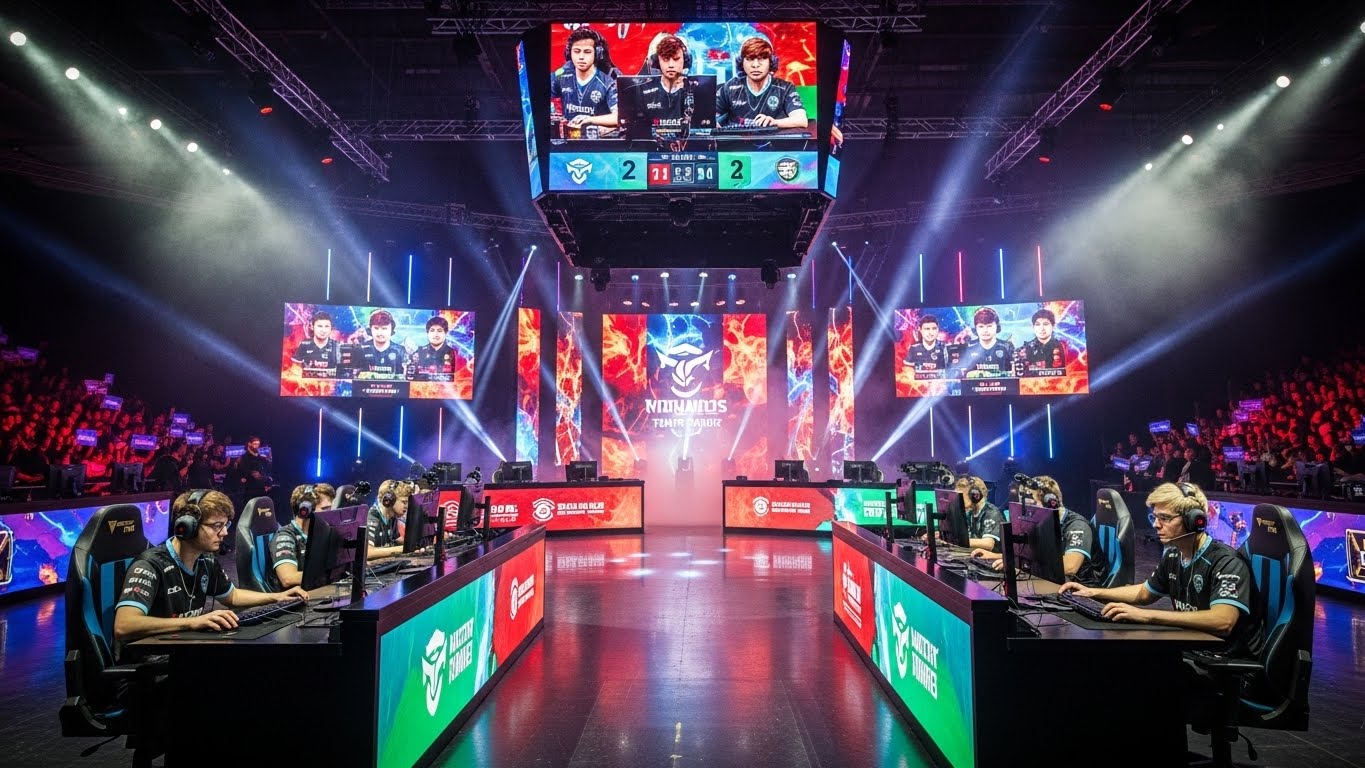
Professional esports broadcasts have revolutionized the use of overlays by treating them as part of the storytelling process. Esports overlays now function like live sports scoreboards—displaying real-time team stats, player data, and match timelines in a sleek, accessible format.
Innovations in esports overlays include synchronized data feeds, automated scoreboards, and player profile animations. Viewers can see live win probabilities, weapon stats, and tactical maps during matches.
Major tournament overlays are designed with precision and consistency, using professional-grade graphics to enhance clarity. These innovations elevate esports broadcasts to the same level of presentation as traditional sports, if not higher.
For fans, these overlays make matches easier to follow and more engaging, helping them understand the nuances of gameplay without missing key moments.
Stream Deck and Integration Enhancements
Another important innovation connected to overlays is the integration with stream control devices like stream decks or touch interfaces. Streamers can now switch between overlay scenes, trigger animations, or adjust elements on the fly using physical buttons or voice commands.
Modern overlays are built with API integrations that allow them to respond instantly to these commands. For example, pressing a button might trigger a “Be Right Back” scene, activate a camera zoom, or change the entire overlay theme in one tap.
This seamless integration gives streamers complete creative control without disrupting the flow of their content. It’s particularly useful during live esports events or marathon streams, where quick transitions and professional timing are essential.
The Rise of Minimalist and Clean Overlay Design
While flashy overlays are popular, another major innovation trend has been the rise of minimalist design. Many professional streamers are opting for cleaner layouts that prioritize gameplay and conversation rather than cluttering the screen with too many elements.
Minimalist overlays focus on balance—using subtle borders, elegant typography, and transparent panels to maintain a modern aesthetic. They often rely on soft animations and sleek transitions rather than bright, overwhelming effects.
This trend reflects a growing understanding that simplicity often leads to higher viewer retention. When overlays complement rather than dominate the content, the overall experience feels smoother and more immersive.
Sound-Reactive Overlays
An exciting new development in overlay technology is the introduction of sound-reactive elements. These overlays visually respond to audio cues such as music beats, voice levels, or in-game sound effects.
For example, during a music stream, background elements might pulse or glow in rhythm with the track. In gaming streams, overlays could flash when key sound effects occur, adding energy to intense moments.
Sound-reactive overlays create an emotional connection between what the audience hears and what they see, enhancing immersion. They’re particularly popular with DJs, music streamers, and event hosts who want their visuals to harmonize with sound.
Cloud-Based and Browser-Compatible Overlays
One of the most convenient innovations for streamers has been the development of cloud-based overlay systems. Instead of requiring local software installation, these overlays operate entirely through web browsers.
This advancement makes overlays easier to set up, customize, and manage. Cloud overlays can also sync between devices, allowing streamers to broadcast from different locations without reconfiguring their scenes.
Furthermore, because they’re browser-based, updates and new features can be deployed instantly, keeping overlays fresh and functional without manual intervention. Cloud overlays also enable collaborative work, where designers and managers can adjust visuals remotely in real time during live events.
Cross-Platform Compatibility
Another key innovation has been ensuring overlays work seamlessly across multiple streaming platforms. Whether a streamer is on Twitch, YouTube, or Kick, overlays can now automatically adapt to each platform’s interface and audience interaction features.
Cross-platform overlays help creators maintain consistent branding, even when they simulcast or move between platforms. This universal approach has simplified the technical side of streaming while ensuring that audiences everywhere enjoy the same high-quality presentation.
Personalization Through Viewer Recognition
Recent overlay technology has introduced deeper viewer personalization. Overlays can now recognize returning viewers, highlight their chat messages, or display badges for loyal followers.
This creates a sense of community and belonging. Viewers love seeing their names and contributions acknowledged on-screen in real time. This feature not only increases engagement but also builds stronger relationships between streamers and their audiences.
For large esports broadcasts, overlays can even highlight fan contributions or social media posts dynamically, connecting the wider community directly to the live experience.
The Role of Overlays in Stream Monetization
Overlays are not only visual tools—they’ve become integral to stream monetization strategies. Through integrated sponsor banners, donation trackers, and branded animations, streamers can promote partners or products directly on-screen without interrupting the content.
Innovative overlays make these integrations natural and visually appealing. Instead of static logos, sponsors now appear through smooth transitions, interactive icons, or timed animations that keep the stream professional while supporting revenue.
This balance of entertainment and advertising represents one of the most sophisticated evolutions in streaming technology.
The Future of Stream Overlay Innovation
As technology continues to progress, stream overlays will only become more intelligent, immersive, and personalized. The future will likely see overlays powered by artificial intelligence that can automatically adjust design layouts based on audience reactions, stream themes, or even facial expressions.
We may also see full mixed-reality overlays, where virtual and physical elements coexist seamlessly on screen. Imagine streamers surrounded by holographic effects that respond to their movements in real time.
The ongoing fusion of AI, AR, and data analytics will shape the next generation of overlay design—one where creativity and interactivity know no bounds.
Conclusion
Stream overlays have evolved from simple graphics into complex, interactive ecosystems that define the modern streaming experience. They reflect a blend of artistry, technology, and community engagement that continues to push the boundaries of digital entertainment.
From animated visuals and AI integration to AR effects and modular systems, the innovations in overlay design have turned streams into personalized, dynamic, and immersive broadcasts. Overlays are no longer just tools—they are expressions of identity, creativity, and innovation.
As streaming continues to expand into every corner of entertainment, the role of overlays will grow even more vital. They are the bridge between streamer and viewer, the storyteller behind every broadcast, and the silent force shaping the visual future of live content.