Introduction: The Rise of a New Arena
Once confined to bedrooms and internet cafés, competitive gaming has grown into a global phenomenon known as esports. What began as casual competition between friends has transformed into packed arenas, multi-million prize pools, professional athletes, and a passionate worldwide audience. Esports is no longer a niche interest; it is a cultural movement reshaping entertainment, technology, and even education. This blog explores how esports evolved, why it captivates millions, and what its future may hold.
Understanding Esports: More Than Just Games
Esports, short for electronic sports, refers to organized competitive video gaming. Unlike traditional gaming for leisure, esports involves structured tournaments, professional teams, coaching staff, analysts, and rigorous training schedules. Games played at the esports level demand strategic thinking, lightning-fast reflexes, teamwork, and mental endurance. Titles across genres such as multiplayer online battle arenas, first-person shooters, real-time strategy games, and sports simulations dominate the competitive scene. Esports is not about playing for fun alone; it is about mastery, discipline, and performance under pressure.
From Arcades to Arenas: A Brief Evolution
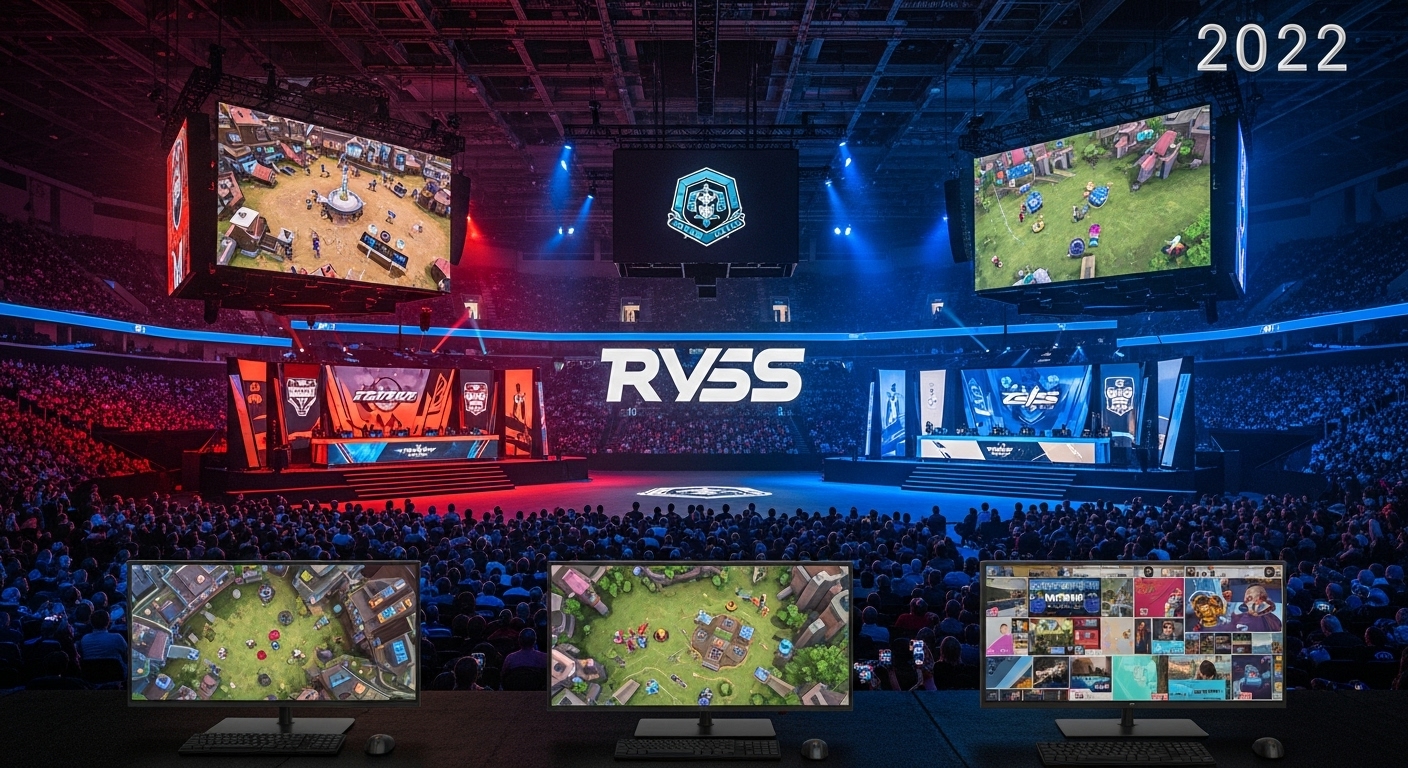
The roots of esports can be traced back to early arcade competitions where players battled for high scores. As home consoles and personal computers became widespread, local tournaments emerged. The real transformation occurred with the expansion of high-speed internet, allowing players from different continents to compete in real time. Streaming platforms later enabled fans to watch matches live, turning esports into a spectator sport. Over time, sponsorships, leagues, and franchised teams brought structure and legitimacy, pushing esports into mainstream recognition.
The Esports Athlete: Skill, Discipline, and Dedication
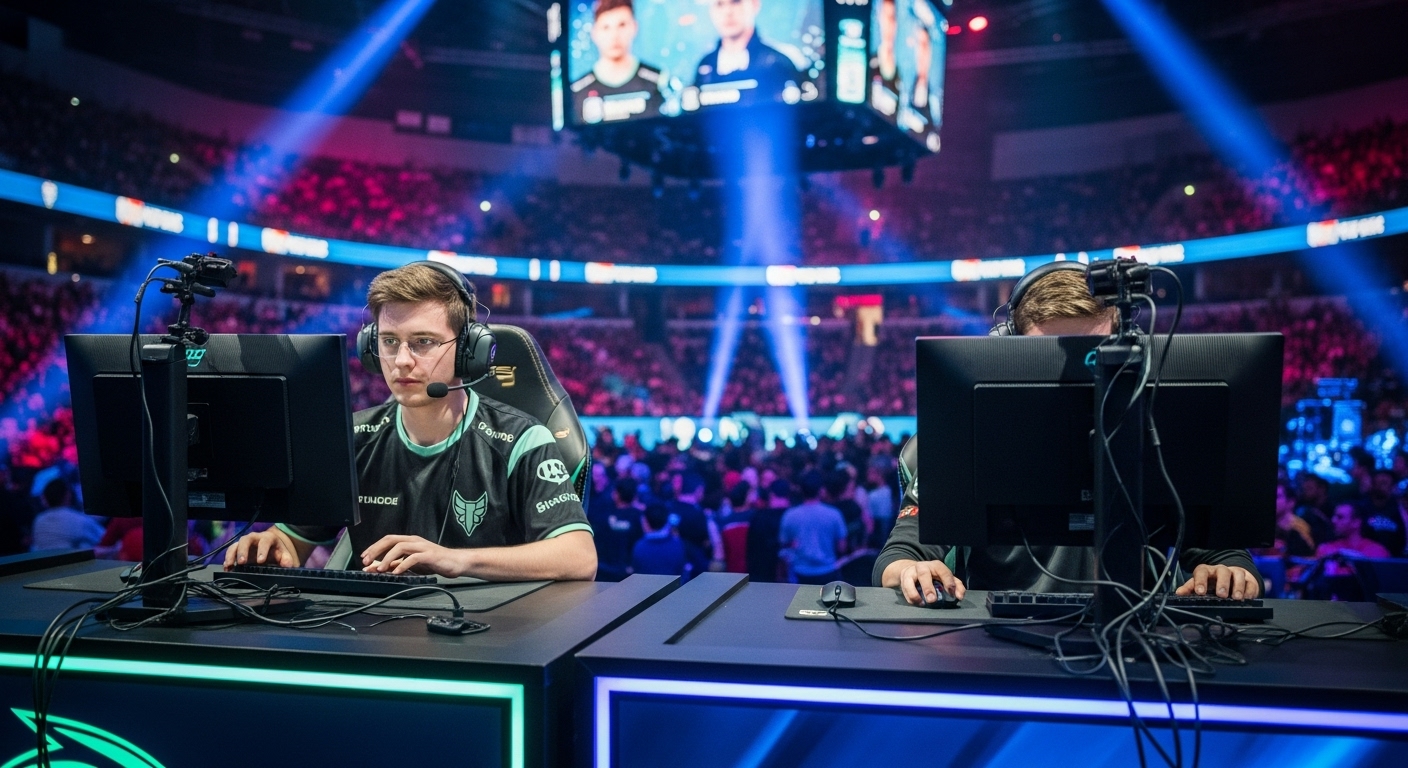
Professional esports players are often misunderstood as casual gamers, but their reality is far from leisurely. Top players follow intense daily routines that include practice sessions, strategy reviews, physical exercise, and mental conditioning. Reaction time, hand-eye coordination, and decision-making speed are trained continuously. Many teams employ nutritionists and psychologists to ensure players maintain peak performance. Just like traditional athletes, esports professionals face burnout, injuries such as wrist strain, and the pressure of constant competition.
Games That Shaped the Competitive Landscape
Certain games have played a pivotal role in defining esports. Strategy-based games reward long-term planning and adaptability, while shooter games emphasize precision and teamwork. Battle arena games combine individual skill with complex team coordination. Each genre attracts different audiences and creates unique competitive narratives. The constant updates and evolving gameplay keep competitions fresh, ensuring that players and fans remain engaged year after year.
The Role of Technology and Innovation
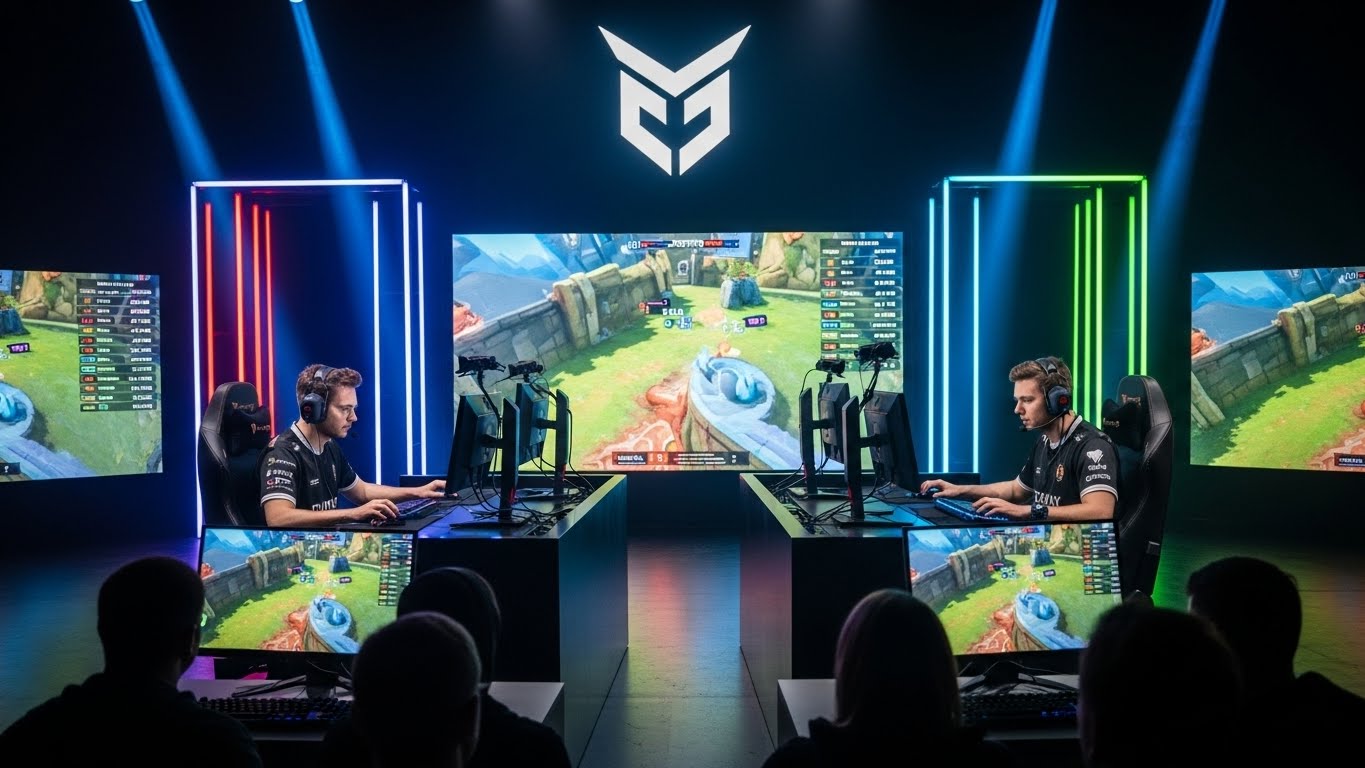
Technology is the backbone of esports. High-performance hardware, advanced peripherals, and low-latency internet connections are essential for competitive play. Broadcasting technology has also evolved, offering viewers immersive experiences through multiple camera angles, real-time statistics, and expert commentary. Virtual reality and augmented reality are beginning to influence how audiences experience matches, hinting at even more interactive viewing in the future. Esports thrives on innovation, constantly pushing the limits of what digital competition can be.
Esports as Entertainment and Culture
Beyond competition, esports has become a form of entertainment deeply embedded in youth culture. Fans follow their favorite teams and players with the same loyalty seen in traditional sports. Storylines of underdog victories, legendary rivalries, and dramatic comebacks fuel emotional connections. Esports events often feature music performances, fan interactions, and community celebrations, transforming tournaments into full-scale festivals. The culture surrounding esports includes fashion, slang, content creation, and social communities that extend far beyond the games themselves.
Economic Impact and Career Opportunities
The esports industry has created a wide range of career paths. While professional players are the most visible figures, many others work behind the scenes. Coaches, analysts, broadcasters, event managers, marketers, and game developers all contribute to the ecosystem. Universities now offer esports programs and scholarships, recognizing the industry’s potential. Brands invest heavily in sponsorships, merchandise, and advertising, making esports a significant economic force in the global entertainment market.
Challenges and Criticisms
Despite its growth, esports faces challenges. Concerns about player health, especially among younger competitors, continue to spark debate. Issues such as match integrity, cheating, and performance-enhancing substances require strict regulation. Additionally, the fast-paced nature of the industry can make careers short-lived, with players often retiring at a young age. Balancing commercial interests with community values is another ongoing challenge as esports continues to professionalize.
Esports and Education: A New Learning Tool
Educational institutions are increasingly recognizing esports as more than a pastime. Schools and universities use esports to teach teamwork, communication, problem-solving, and digital literacy. Competitive gaming programs encourage inclusivity, offering students who may not excel in traditional sports a platform to shine. By integrating esports into education, institutions are bridging the gap between entertainment and learning, preparing students for careers in technology-driven industries.
The Global Reach of Competitive Gaming
Esports transcends borders, languages, and cultures. International tournaments bring together players and fans from around the world, fostering a sense of global community. This universal appeal has helped esports grow rapidly in regions with diverse economic and cultural backgrounds. The digital nature of competition allows anyone with access to the game and the internet to participate, making esports one of the most accessible forms of competitive entertainment.
The Future of Esports: What Lies Ahead
The future of esports appears promising and dynamic. As technology continues to advance, competitive gaming will become even more immersive and interactive. Greater recognition from traditional sports organizations and mainstream media is likely to follow. With improved regulation, better player support systems, and continued innovation, esports is poised to solidify its place as a lasting pillar of global entertainment.
Conclusion: A Digital Revolution in Competition
Esports represents a fundamental shift in how competition is defined in the modern world. It blends technology, creativity, and athleticism into a unique form of sport that resonates with a digital generation. From humble beginnings to global stages, esports has proven that competition does not need a physical field to inspire passion, dedication, and unity. As the industry continues to evolve, one thing is clear: esports is not just a trend, but a powerful force shaping the future of competition and culture.