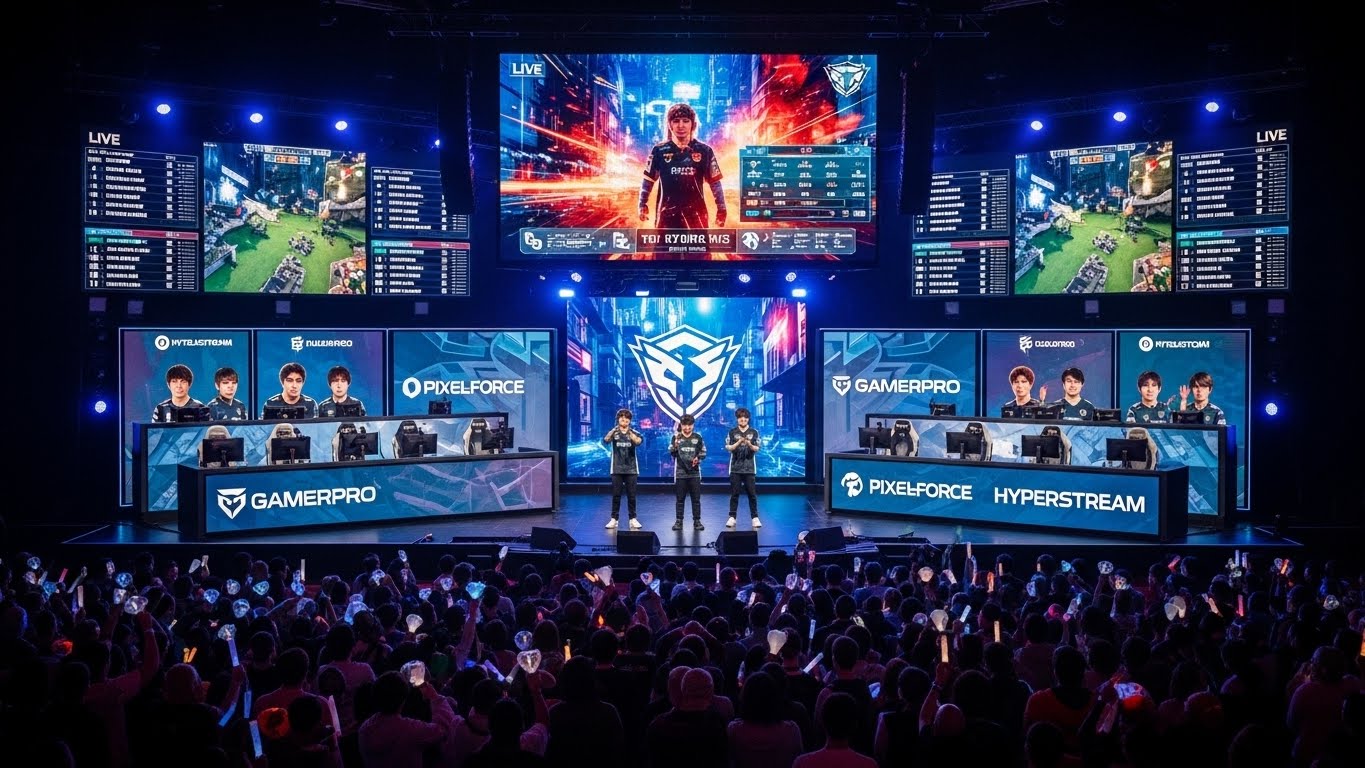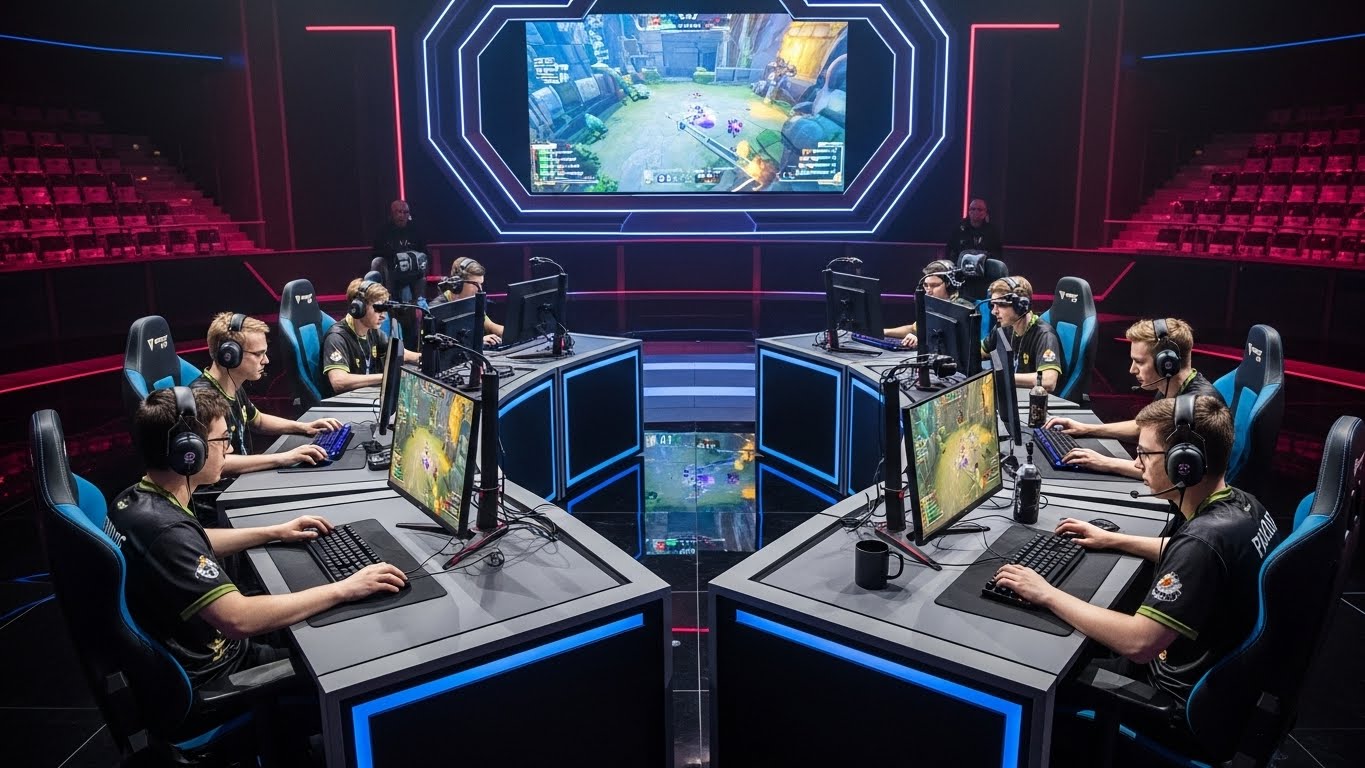

In the world of esports, skill, strategy, and teamwork are often the most celebrated elements of success. However, behind every top-tier player or championship-winning team lies an often-overlooked but essential relationship — the bond between player and coach. Much like in traditional sports, the coach’s role in esports extends far beyond strategy and game plans; it involves mentorship, emotional support, psychological balance, and leadership.
As the esports industry continues to evolve, the dynamic between players and coaches has become increasingly important in shaping both performance and culture. This article delves into some of the best player-coach relationships in esports, exploring how trust, communication, and shared vision have propelled teams to greatness.
The Evolution of Coaching in Esports
In the early days of competitive gaming, teams often lacked formal coaches. Players handled everything themselves — from strategy to practice to mental preparation. But as esports became a global phenomenon with million-dollar prize pools and professional organizations, coaching became a crucial component of success.
Modern coaches are not just tacticians. They serve as motivators, analysts, and mentors. They design practice routines, scout opponents, guide communication patterns, and ensure players stay mentally resilient under pressure. The relationship between player and coach can define the trajectory of an entire career.
Great player-coach partnerships are built on mutual respect, trust, and clear communication — values that transcend the screen and mirror real-world sports relationships like those between Michael Jordan and Phil Jackson or Pep Guardiola and his players.
1. Faker and kkOma – League of Legends
One of the most iconic and successful player-coach relationships in esports history is that of Lee “Faker” Sang-hyeok and Kim “kkOma” Jeong-gyun from T1 (formerly SK Telecom T1).
Together, they built one of the most dominant dynasties in League of Legends history. Under kkOma’s leadership, Faker and his teammates won three World Championships (2013, 2015, 2016) and multiple domestic titles.
kkOma was known for his analytical approach, discipline, and emotional intelligence. He treated Faker not just as a player but as a leader and symbol of excellence. Faker, in turn, respected kkOma’s authority and adopted his structured mindset, balancing humility with ambition.
Their partnership exemplified trust and mutual understanding — kkOma trusted Faker’s instincts during matches, and Faker trusted kkOma’s vision for long-term growth. Even after kkOma left T1, Faker often spoke about his coach’s influence on his mentality, leadership, and consistency.
Their relationship remains a benchmark for professionalism and success in esports coaching.
2. Zonic and Dupreeh – Counter-Strike: Global Offensive
In Counter-Strike: Global Offensive (CS:GO), the partnership between Danny “zonic” Sørensen and Peter “dupreeh” Rasmussen stands out as one of the strongest and most enduring.
Zonic, a legendary former player turned coach, joined Astralis and transformed the team into a tactical powerhouse. Under his guidance, Astralis achieved unprecedented dominance, winning four Major Championships and establishing themselves as one of the greatest teams in CS:GO history.
Dupreeh, one of Astralis’s star riflers, flourished under Zonic’s mentorship. Their relationship was rooted in mutual respect and open communication. Zonic wasn’t just a coach — he was a motivator, strategist, and emotional anchor. He pushed his players to think critically, maintain composure, and prioritize teamwork over ego.
Dupreeh has often credited Zonic for helping him grow not only as a competitor but also as a professional. Their collaboration showed how coaching could turn individual talents into a united, disciplined force — a blueprint for success still admired today.
3. Kkoma and The Entire T1 Legacy
While Faker’s relationship with kkOma is legendary, it’s important to note how kkOma’s impact extended across multiple players during his tenure with T1.
He managed strong personalities like Bang, Wolf, and Bengi, nurturing an environment of discipline and excellence. His emphasis on personal growth, team culture, and mental strength shaped a generation of players who thrived both individually and collectively.
His coaching philosophy — “Win with respect, lose with grace” — became a cultural hallmark of T1’s identity. Many of his former players credit him for teaching them lessons that extend beyond gaming, about leadership, composure, and perseverance.
4. Crowder and Simp – Call of Duty
In the Call of Duty scene, few player-coach dynamics are as well-regarded as Chris “Simp” Lehr and James “Crowder” Crowder from Atlanta FaZe.
Crowder, a former world champion himself, brought invaluable experience and insight to a young but extraordinarily talented roster. Simp, widely recognized for his mechanical mastery and game sense, benefitted immensely from Crowder’s structured approach to training and strategy.
Crowder’s mentorship helped Simp evolve from a prodigy into a complete competitor — one who could lead, communicate, and make crucial plays under pressure. Together, they led FaZe to multiple Call of Duty League titles, showcasing a balance of youthful energy and veteran wisdom.
Crowder and Simp’s relationship exemplifies the mentor-protégé model — a combination of trust, shared ambition, and open feedback that drives consistent excellence.
5. Reapered and Cloud9 – League of Legends (NA)
In North America’s League of Legends scene, Bok “Reapered” Han-gyu and Cloud9’s players forged one of the region’s most effective and enduring relationships.
Reapered, a former pro turned coach, joined Cloud9 in 2016 and immediately transformed the team’s culture. Known for his direct communication style and willingness to make bold roster decisions, he pushed his players to embrace growth and accountability.
His work with players like Sneaky, Jensen, and Blaber demonstrated how a coach could blend strictness with empathy. Reapered knew when to challenge players and when to support them, ensuring that each member developed individually.
Under his leadership, Cloud9 became synonymous with resilience and adaptation, qualifying for multiple World Championships and making a historic semifinal run in 2018, the best-ever performance by a North American team at the time.
The bond between Reapered and his players was characterized by trust and transformation, proving that the right coach can redefine a team’s identity.
6. Daps and NAF – Counter-Strike: Global Offensive
Another example from CS:GO comes from Damian “daps” Steele and Keith “NAF” Markovic, who worked together in OpTic Gaming and NRG Esports.
Daps, known for his leadership and in-game calling, mentored NAF through crucial stages of his career. Under Daps’s guidance, NAF found consistency and confidence, becoming one of North America’s most reliable and versatile players.
Their relationship was one built on mutual understanding — Daps trusted NAF’s instincts, while NAF respected Daps’s tactical acumen and calm leadership. Even after parting ways, both have spoken highly of the influence they had on each other’s development.
Their partnership highlighted the importance of communication and respect between players and coaches, especially in high-pressure tactical shooters like CS:GO.
7. Rambo and Shotzzy – Call of Duty
Another standout duo in the Call of Duty scene is Ray “Rambo” Lussier and Anthony “Shotzzy” Cuevas-Castro.
Rambo, one of the most respected veterans in the game, became the head coach of the Dallas Empire, where he mentored a young and energetic Shotzzy. Rambo’s calm demeanor, strategic insight, and patience were the perfect complement to Shotzzy’s explosive playstyle and creativity.
Their chemistry was a blend of experience and innovation. Rambo’s structured approach helped Shotzzy mature as a player, eventually leading to their victory at the 2020 Call of Duty League Championship.
Rambo and Shotzzy’s success proved that generational balance — the mix of young talent and veteran wisdom — can create unstoppable synergy when mutual respect exists.
8. Daigo Umehara and Nuki – Fighting Games
In the fighting game community, individual performance is everything, yet mentorship still plays a vital role. The relationship between Daigo “The Beast” Umehara and Nuki in the Street Fighter scene stands out as an example of deep mutual respect and collaboration.
While both are legendary players, their relationship evolved into one of peer mentorship and emotional support. They practiced together, analyzed match footage, and pushed each other to their limits.
Nuki often described Daigo as a mental coach — someone who helped him regain confidence and composure in high-pressure matches. Daigo, in turn, credited Nuki for keeping him grounded and motivated.
Their friendship and mutual support showcase how player-to-player coaching can be just as powerful as traditional structures, especially in solo esports disciplines.
9. Crusty and the San Francisco Shock – Overwatch
In Overwatch, few coaches have had the impact of Park “Crusty” Dae-hee. His relationship with the San Francisco Shock roster is one of the best examples of long-term team harmony and growth.
Crusty’s coaching philosophy centered on adaptability, trust, and empowerment. He encouraged open discussion, valued player feedback, and treated everyone with respect — whether they were veterans or rookies.
Under his leadership, the Shock won back-to-back Overwatch League Championships (2019, 2020) and became a symbol of professionalism and teamwork. Players like Super, Sinatraa, and Viol2t have praised Crusty for creating an environment where everyone felt valued and motivated.
The Crusty-Shock dynamic shows how a coach can build a sustainable culture of success by prioritizing communication and mutual growth.
10. Rejin and the Mousesports Roster – CS:GO
Finally, the partnership between Allan “Rejin” Petersen and Mousesports deserves recognition. Rejin, known for his analytical mind and calm leadership, guided Mousesports through some of their most successful years.
Players like ropz, woxic, and frozen developed immensely under his coaching, learning how to stay composed and tactical in high-pressure environments. Rejin fostered a sense of family and unity, emphasizing that communication and discipline mattered just as much as raw talent.
His relationships with his players were marked by honesty and mentorship — qualities that turned Mousesports into one of Europe’s most respected teams.
Why Player-Coach Relationships Matter
The success stories above share one common theme: trust. Whether it’s Faker and kkOma or Zonic and Dupreeh, the foundation of every strong player-coach relationship is built on mutual belief and shared purpose.
A great coach doesn’t just give instructions; they empower players to lead themselves. Similarly, great players listen, adapt, and respect the process.
In esports, where mental resilience and split-second decisions define outcomes, having a coach who can guide emotions, structure practice, and foster unity is invaluable.
The Future of Coaching in Esports
As esports continues to professionalize, the role of coaches will only grow more significant. New technologies — including data analytics, AI-driven training tools, and psychological tracking — are expanding how coaches interact with players.
Future coaches will not just train mechanics; they’ll mentor personalities, manage stress, and shape long-term careers. Player-coach relationships will increasingly resemble those in traditional sports — deep, strategic, and rooted in emotional intelligence.
Conclusion
The best player-coach relationships in esports aren’t just about winning trophies — they’re about growth, respect, and shared passion. From Faker and kkOma’s legendary bond in League of Legends to Zonic’s mentorship of Astralis, these partnerships remind us that even in a world driven by pixels and reflexes, human connection remains the ultimate key to greatness.
Behind every successful player stands a coach who believes in them, challenges them, and helps them become more than they ever thought they could be. In esports, as in life, that relationship is often what separates the good from the legendary.