Introduction: Esports as a Global Phenomenon
Esports, or competitive video gaming, has evolved from a small hobby into a multi-billion-dollar global industry. Once dismissed as casual entertainment, esports now commands massive audiences, attracts sponsorship deals, and provides professional career paths for talented players. The rise of esports reflects the convergence of technology, strategy, and entertainment, creating a unique ecosystem that rivals traditional sports in both viewership and revenue. Today, millions of fans around the world tune in to watch players compete at the highest level, making esports a transformative force in digital culture.
The Early Origins of Esports
The foundation of esports can be traced back to the late 1970s and early 1980s when players began competing in arcade games like Pong and Space Invaders. Universities hosted competitions where high scores determined the winners. The 1990s saw the emergence of multiplayer games such as Street Fighter, StarCraft, and Counter-Strike, which became central to organized competitive gaming. The introduction of the internet allowed players from different locations to compete online, expanding esports from local tournaments to global competitions. These early developments established the competitive spirit, community culture, and structure that define modern esports.
Popular Esports Games and Genres
Esports spans a variety of game genres, each with dedicated fanbases and professional leagues. Multiplayer Online Battle Arena (MOBA) games like League of Legends and Dota 2 focus on strategy, teamwork, and resource management. First-person shooters (FPS) such as Counter-Strike: Global Offensive and Call of Duty require fast reflexes, precision, and tactical coordination. Sports simulation games like FIFA and NBA 2K translate real-world sports into competitive digital formats. Fighting games such as Tekken and Street Fighter emphasize individual skill, timing, and adaptability. The diversity of esports genres ensures that players with different skills and preferences have opportunities to compete at professional levels.
Professional Esports Players and Teams
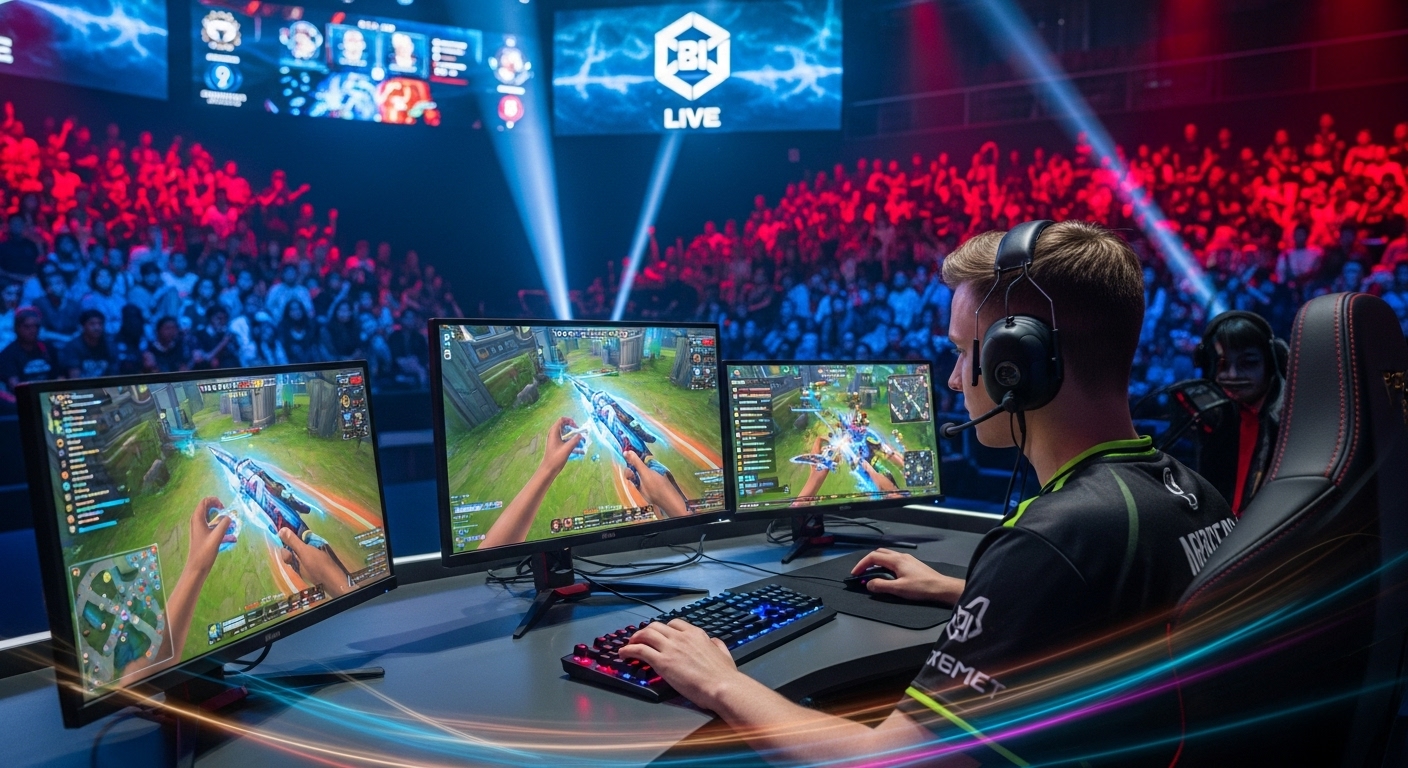
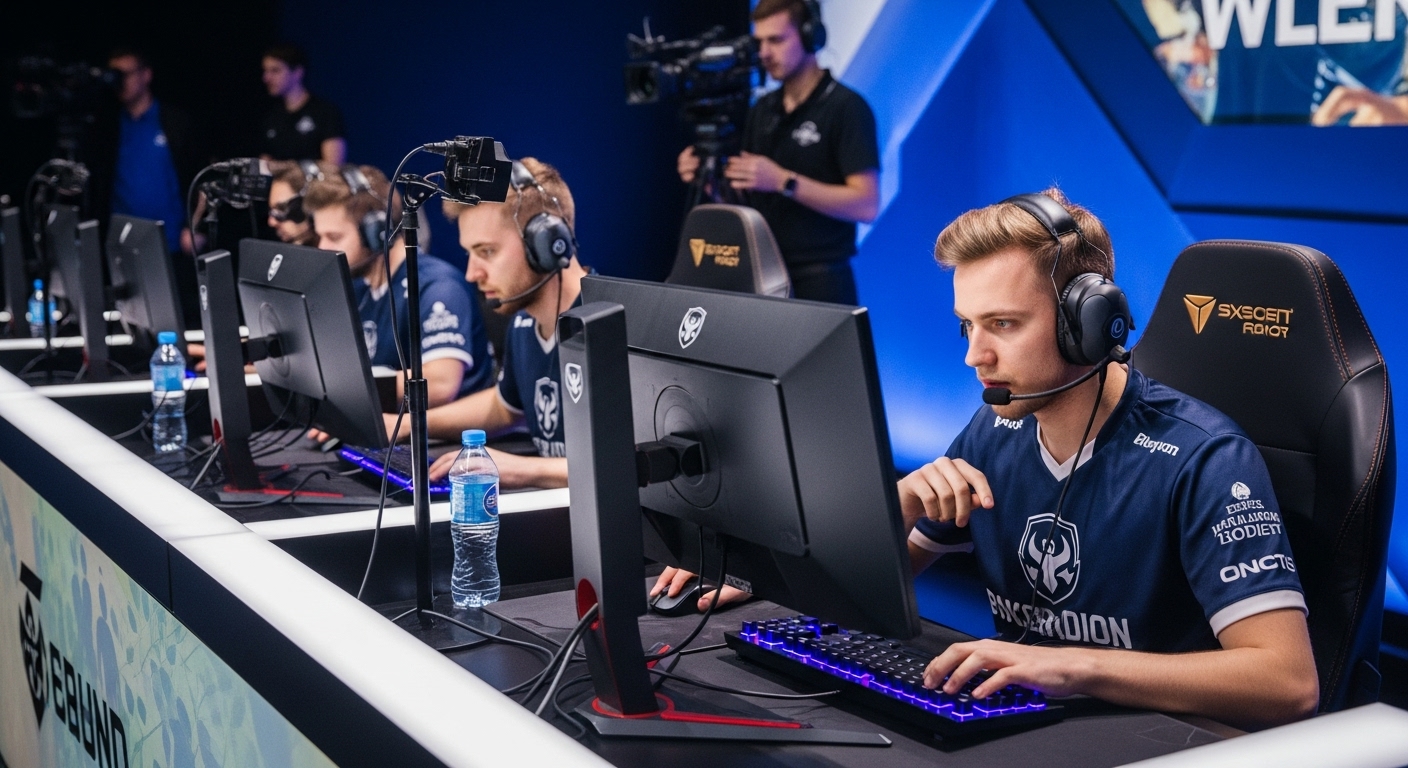
Professional esports players are the cornerstone of the industry. Unlike casual gamers, professional players follow rigorous training schedules, analyzing gameplay, developing strategies, and enhancing both mental and physical performance. Teams are structured with managers, coaches, analysts, and support staff to optimize performance. Players must communicate effectively, coordinate strategies, and remain calm under pressure. The dedication and discipline required make esports comparable to traditional sports. Many top players achieve celebrity status, with sponsorship deals and fan followings that rival those of mainstream athletes.
Esports Tournaments and Championships
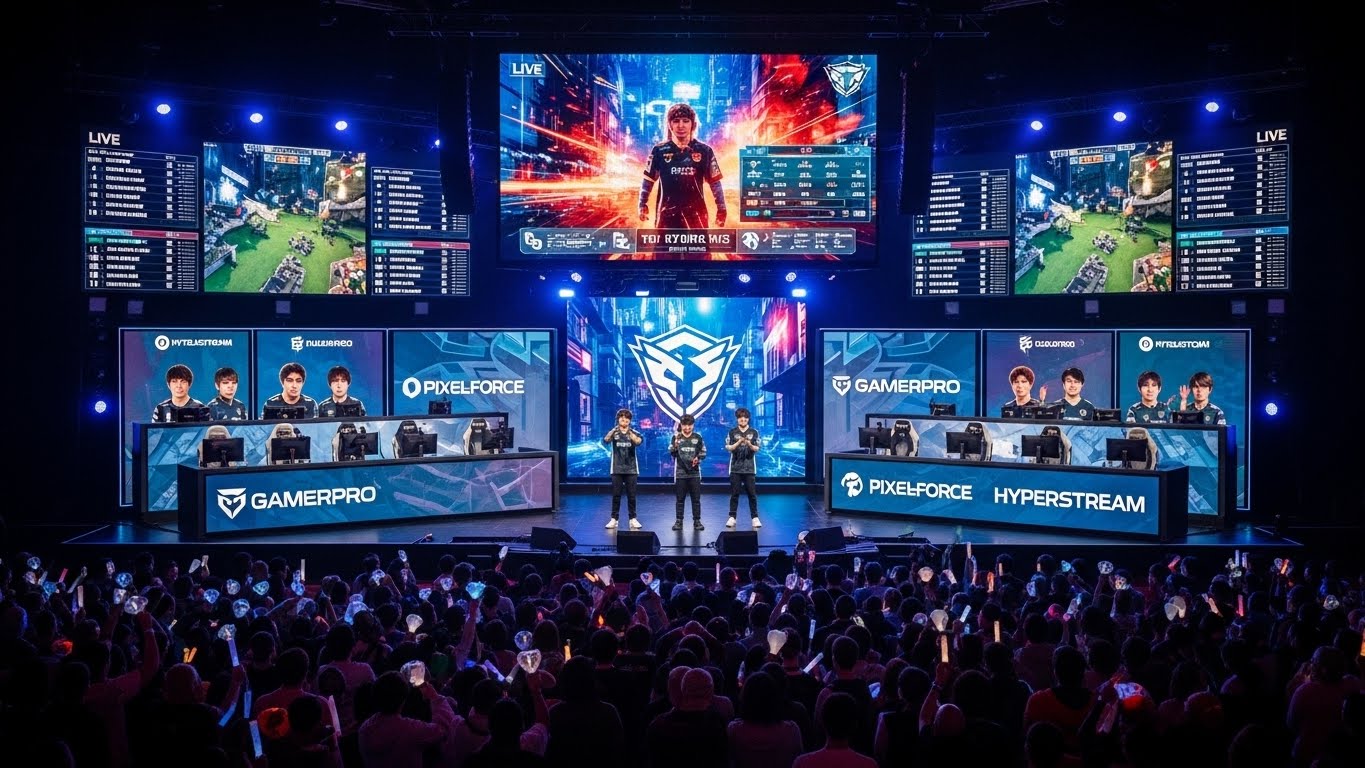
Tournaments are the centerpiece of esports, providing a platform for players to showcase their skills. High-profile events such as The International for Dota 2, the League of Legends World Championship, and the Fortnite World Cup draw millions of viewers worldwide. Prize pools for these events often reach multi-million-dollar levels, reflecting the industry’s growth. Competitive leagues operate throughout the year, creating rivalries and narratives that engage fans. Tournaments also foster international collaboration and cultural exchange, as players from diverse backgrounds compete on a shared stage.
The Role of Streaming Platforms
Streaming platforms have transformed esports, making it accessible to millions of viewers globally. Platforms like Twitch, YouTube Gaming, and Facebook Gaming allow fans to watch live matches, follow professional players, and interact with communities in real time. Streamers provide commentary, tutorials, and behind-the-scenes insights, creating engaging and interactive content. This direct connection between players and audiences enhances fan engagement and cultivates loyal communities. Streaming also democratizes exposure, enabling amateur players to gain recognition and participate in the broader esports ecosystem.
Training and Mental Preparation in Esports
Success in esports requires both technical skill and mental resilience. Professional players dedicate hours to practicing mechanics, mastering game strategies, and analyzing opponents. Mental preparation is essential to maintain focus, manage stress, and perform under pressure. Physical fitness is also important, as endurance, reflexes, and posture impact gameplay during long matches. Many teams incorporate nutrition plans, exercise routines, and psychological coaching into their training. This holistic approach underscores the professionalism of esports and challenges outdated perceptions that gaming is purely recreational.
Economic Growth and Sponsorship in Esports
Esports has evolved into a lucrative industry with multiple revenue streams. Sponsorships from global brands, advertising deals, media rights, merchandise sales, and tournament ticketing contribute to its financial growth. Companies recognize esports as a way to reach younger, tech-savvy audiences, leading to partnerships with professional teams, streamers, and events. Investment in esports infrastructure, such as arenas, training facilities, and digital platforms, further fuels industry expansion. The economics of esports demonstrate its legitimacy as both a commercial enterprise and a professional ecosystem.
Esports and Education
Esports is increasingly integrated into educational programs, offering students academic and career opportunities. Universities and colleges provide scholarships for esports players, allowing them to pursue professional gaming while studying. Schools incorporate esports clubs and competitions, teaching teamwork, leadership, and digital literacy. Research highlights cognitive, social, and strategic benefits of esports, demonstrating its potential to develop skills valuable in both gaming and real-world contexts. By bridging education and competitive gaming, esports creates pathways for students to explore careers in technology, media, and entertainment.
Social and Cultural Impact
Esports fosters global communities and cultural exchange. Online platforms, forums, and streaming channels connect players and fans worldwide, allowing collaboration, knowledge sharing, and friendship. Esports has influenced mainstream culture, inspiring music, fashion, media content, and entertainment trends. It promotes inclusivity, offering opportunities for individuals of all backgrounds to participate and excel. The global popularity of esports demonstrates its power to unite people around shared passion, bridging geographical, cultural, and social divides.
Challenges Facing Esports
Despite its growth, esports faces challenges that threaten sustainability. Player burnout, mental health pressures, and intense schedules require attention. Cheating, hacking, and unfair play can undermine competitive integrity. Regulatory inconsistencies across countries create difficulties in organizing tournaments and managing contracts. Smaller teams often struggle with funding and sponsorship, limiting access to competitive opportunities. Addressing these challenges requires robust governance, ethical practices, and industry-wide standards to ensure esports remains credible and sustainable.
Technology Driving Esports
Technological innovation is central to esports’ evolution. High-performance gaming hardware, fast internet, advanced software, and analytics tools enable professional competition. Technology enhances player performance, allows detailed strategy analysis, and improves viewer experience. Emerging technologies such as virtual reality, augmented reality, and artificial intelligence are expanding possibilities in gameplay and audience interaction. Technology not only supports competitive gaming but also drives its continuous growth and global reach.
The Global Expansion of Esports
Esports has expanded into a truly global phenomenon. Tournaments draw players from all continents, fostering international competition and collaboration. Organizations establish academies and development programs worldwide, nurturing talent in new regions. The industry’s globalization strengthens its market, audience, and cultural impact. Esports’ ability to connect people across borders highlights its potential as a unifying form of entertainment and competition.
The Future of Esports
The future of esports is promising, with continued growth in audience engagement, technological advancement, and professional opportunities. Virtual reality and augmented reality will redefine gameplay and spectator experiences. Increased recognition in educational and sports institutions will strengthen esports’ legitimacy. Investments, sponsorships, and media partnerships will continue to expand the industry’s global influence. Esports will remain at the intersection of technology, entertainment, and competition, shaping new ways for people to connect, compete, and engage.
Conclusion: Esports as a Transformative Industry
Esports has transformed competitive gaming into a professional, global, and culturally significant industry. Players dedicate immense effort to skill development, strategy, and mental conditioning. Fans engage through streaming platforms, tournaments, and communities, fostering loyalty and connection. Despite challenges, esports continues to grow and innovate, blending technology, competition, and entertainment. As the industry expands, esports is not only redefining gaming but also shaping modern culture, careers, and global digital experiences. Competitive gaming is no longer just a hobby—it is a movement that continues to revolutionize the world.