
Introduction
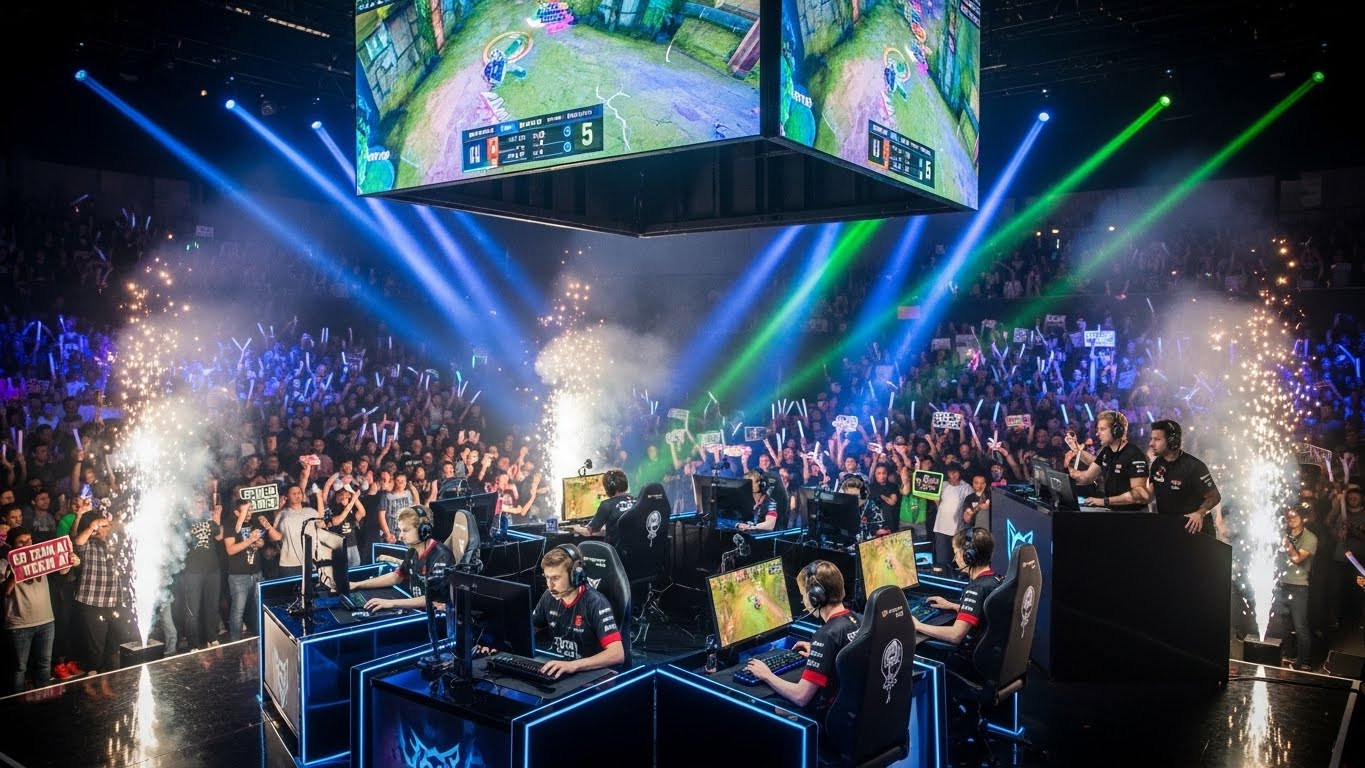
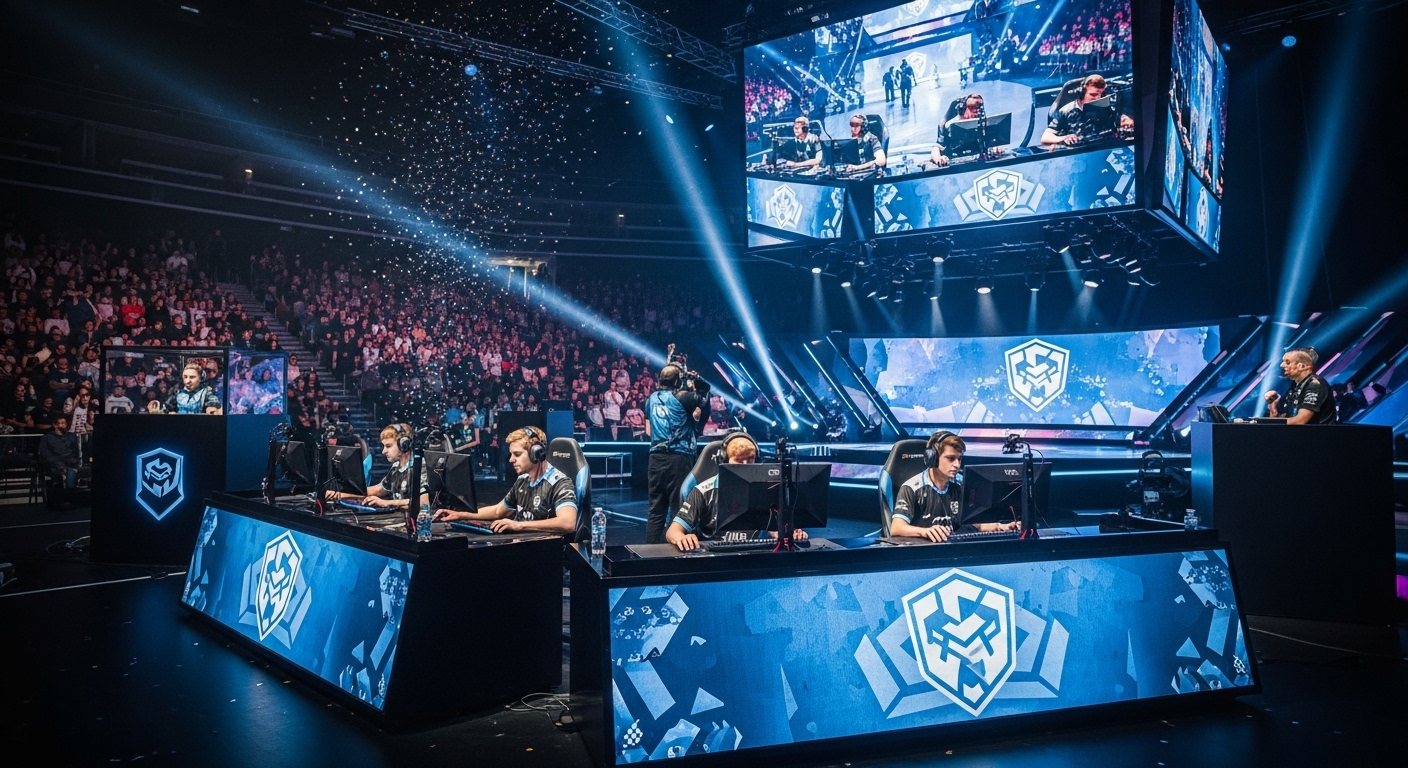
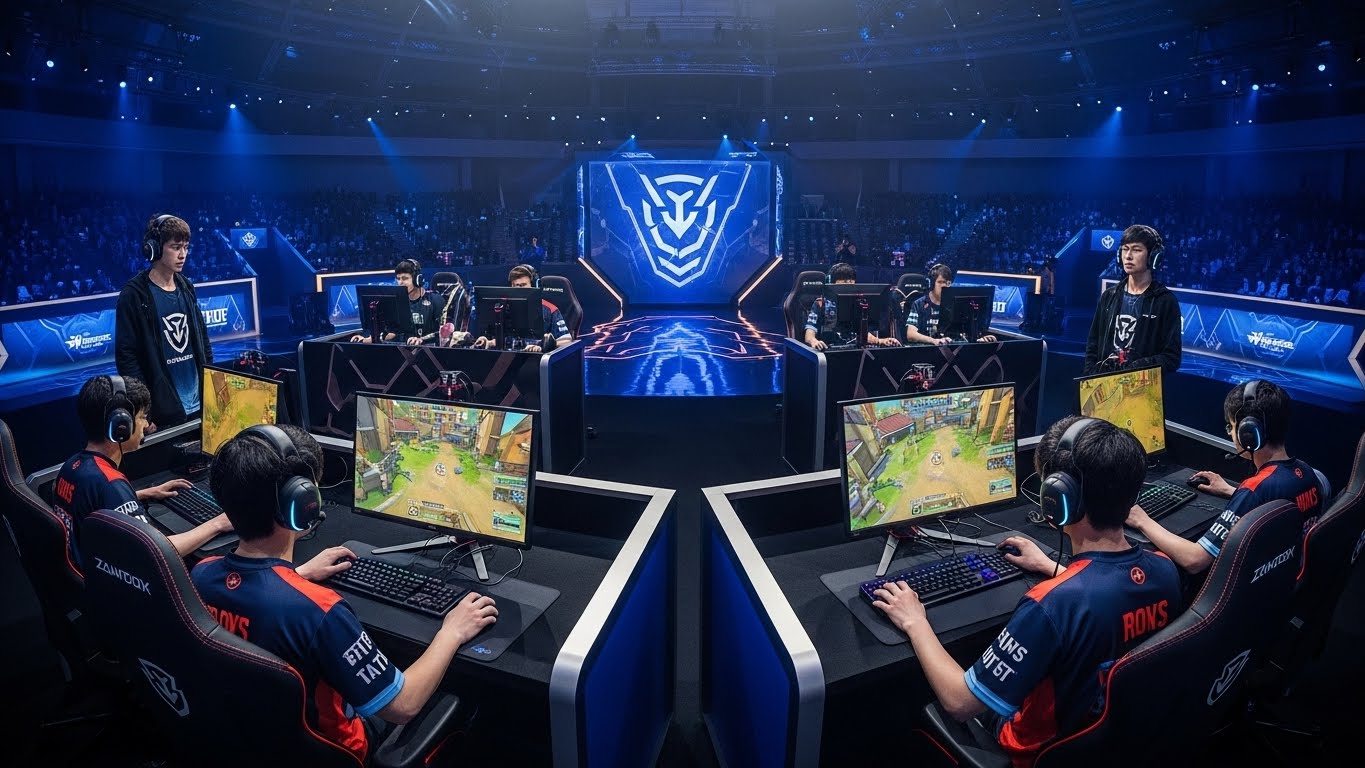
In recent years, esports has evolved from a niche pastime into a global phenomenon, fundamentally changing the way people perceive competition and entertainment. What was once relegated to the basements of hobbyist gamers has grown into a billion-dollar industry with professional athletes, international tournaments, and millions of dedicated fans. Esports is no longer just about playing games; it represents a culture, a career path, and a form of entertainment that rivals traditional sports in influence and popularity.
The growth of esports has been extraordinary. From small-scale competitions among friends to international stadiums hosting thousands of spectators, the digital arena has become a place where skill, strategy, and reflexes define champions. This blog explores the history of esports, its professional ecosystem, economic impact, cultural influence, and the challenges and opportunities that lie ahead.
The Early Beginnings of Competitive Gaming
Esports’ roots trace back to the early 1970s, when students at Stanford University organized the first known video game competition featuring Spacewar. The prize was modest, but the idea of competing for skill rather than simple enjoyment marked the birth of competitive gaming.
The 1980s saw the rise of arcade culture, where titles like Pac-Man, Donkey Kong, and Space Invaders became central to competition. Players competed to achieve high scores, earning recognition and establishing reputations in local gaming communities. These early competitions may have been informal, but they set the foundation for structured tournaments and professional leagues.
With the advent of personal computers and the internet in the 1990s, multiplayer gaming expanded beyond local arcades. Games like Quake, StarCraft, and Warcraft III enabled players to compete across cities, countries, and even continents. LAN parties became popular gathering points for gamers, providing both social interaction and organized competition. These developments laid the groundwork for what would become a professional esports industry.
The Professionalization of Esports
The early 2000s marked the transition of esports from hobby to profession. South Korea became a pioneer in professional gaming, with StarCraft emerging as a national phenomenon. Dedicated television channels broadcast matches, and players achieved celebrity status, earning salaries, sponsorships, and fan followings comparable to traditional athletes.
International tournaments began gaining recognition during this period. Events such as the World Cyber Games, Major League Gaming, and the Electronic Sports World Cup showcased competitive gaming on a global scale. Titles like Counter-Strike and Dota became staples of professional circuits. As internet speeds improved, fans could watch live tournaments online, fostering global communities of esports enthusiasts.
The rise of streaming platforms further accelerated esports’ growth. Services like Twitch and YouTube Gaming allowed fans to watch live matches from anywhere in the world, engage with commentators, and interact with other viewers. This accessibility expanded the audience and helped establish esports as a mainstream form of entertainment.
The Esports Ecosystem
The professional esports ecosystem is complex, comprising players, teams, coaches, analysts, tournament organizers, sponsors, and fans. Professional players follow strict training schedules, often practicing eight to twelve hours per day to maintain competitive edge. Unlike casual gaming, esports demands discipline, strategic thinking, and mental endurance.
Teams operate like traditional sports franchises. Organizations such as Team Liquid, Cloud9, Fnatic, and T1 manage multiple rosters, coordinate sponsorships, produce content, and maintain fan engagement. Coaches and analysts use data-driven strategies to optimize team performance, while nutritionists and psychologists support players’ physical and mental well-being.
Leagues and tournaments form the backbone of competitive esports. Events such as the League of Legends World Championship, Dota 2 International, and Counter-Strike Majors attract millions of viewers worldwide. City-based franchise leagues like the Overwatch League foster fan loyalty and team identity, bridging the gap between traditional sports and competitive gaming.
Streaming and Content Creation
Streaming has been a transformative force in esports. Platforms allow fans to watch live matches, communicate with commentators, and interact with other viewers in real time. This direct engagement creates a sense of community and allows fans to feel more connected to players and teams.
Content creation extends beyond live tournaments. Players produce tutorials, highlight reels, behind-the-scenes footage, and commentary, building personal brands and fostering loyalty. This combination of competition and entertainment has turned esports into a lifestyle, engaging audiences on multiple levels and creating opportunities for players outside traditional competition.
Streaming also provides players with additional revenue streams through subscriptions, donations, and sponsorships, further professionalizing the industry and allowing individuals to cultivate careers as both athletes and entertainers.
Economic Impact of Esports
The esports industry has grown into a multi-billion-dollar global business. Revenue comes from sponsorships, media rights, ticket sales, merchandise, and streaming platforms. Major corporations recognize the value of esports audiences, investing in teams, tournaments, and advertising campaigns.
Prize pools in esports have reached unprecedented levels. The Dota 2 International, for instance, has offered over forty million dollars in prize money in a single year. The industry also generates employment opportunities in areas such as event management, broadcasting, game development, marketing, and analytics, demonstrating the widespread economic impact of competitive gaming.
Cultural Influence and Global Reach
Esports has become a cultural phenomenon, uniting fans across geographical and social boundaries. South Korea, China, the United States, and Sweden have been traditional hubs for professional gaming, but emerging regions in Southeast Asia, Latin America, and the Middle East are rapidly expanding their presence. Esports enables fans and players to connect globally, creating shared experiences and communities.
The influence of esports extends into music, fashion, and entertainment. Artists perform at tournament finals, clothing brands produce gaming-inspired apparel, and celebrities invest in esports teams. Events resemble entertainment festivals, complete with live performances, interactive experiences, and fan zones, reinforcing the cultural significance of esports beyond just gaming.
Mental and Psychological Demands
Esports requires mental as well as physical endurance. Players compete under high pressure, making rapid decisions in environments where mistakes can cost thousands or even millions of dollars. The cognitive demands include strategy formulation, teamwork, reflexes, and focus.
Teams increasingly employ sports psychologists to help players manage stress, prevent burnout, and maintain peak performance. Mental health has become a key focus in esports, acknowledging that psychological resilience is as important as technical skill for long-term success.
Women in Esports
For many years, esports was largely male-dominated, but women are increasingly gaining visibility as players, commentators, and leaders. Figures like Sasha “Scarlett” Hostyn and Se-yeon “Geguri” Kim have proven that skill knows no gender, inspiring countless aspiring female gamers.
Organizations are promoting inclusivity by hosting women’s tournaments, mentoring programs, and diversity initiatives. Greater representation enhances the industry’s appeal and fosters a more equitable and welcoming environment for all participants.
Esports in Education
Educational institutions are recognizing esports as a legitimate field of study and competition. Universities offer scholarships for talented players and programs focused on esports management, marketing, and broadcasting. High schools are also establishing esports clubs, providing structured training and competitive opportunities.
Participation in esports cultivates transferable skills such as leadership, teamwork, communication, and problem-solving. These abilities prepare students for careers beyond gaming, demonstrating the broader educational value of competitive gaming.
Challenges Facing Esports
Despite rapid growth, esports faces challenges. Player burnout is a significant issue, with long training schedules and high-pressure competitions taking a toll. Regulatory inconsistencies across games and regions affect player rights, contracts, and tournament rules.
Sustainability is another concern. Games can quickly rise or fall in popularity, affecting teams, organizers, and leagues. Toxic behavior and online harassment remain persistent issues, necessitating effective moderation and community management to ensure safe and inclusive environments.
Esports and Traditional Sports
Esports and traditional sports are increasingly intertwined. Many professional sports organizations now invest in esports teams or host competitive gaming events. Examples include the NBA 2K League, Formula 1 esports, and football clubs entering esports competitions.
Esports shares core values with traditional sports, including teamwork, strategy, dedication, and audience engagement. The integration of esports and traditional sports has expanded entertainment options, attracted new audiences, and encouraged innovation in fan interaction and event production.
Technological Innovations Driving Esports
Technology is central to esports. Advanced gaming hardware, low-latency internet, virtual reality, augmented reality, and artificial intelligence enhance gameplay and spectator experiences. AI is used to analyze performance, provide coaching insights, and detect cheating, while VR and AR offer immersive ways to engage fans.
Emerging technologies such as blockchain may transform esports by securing digital assets, contracts, and tournament management. Interactive platforms may allow fans to participate virtually, creating unprecedented engagement opportunities. The future of esports is closely linked to technological innovation and digital integration.
Social and Cultural Significance
Esports has reshaped social interaction and culture. It connects people worldwide, fostering communities built on shared interests. Fans follow teams, players, and tournaments, forming bonds and identities that transcend borders.
The cultural impact extends to fashion, music, and entertainment. Gaming is now a lifestyle, influencing trends and inspiring creative expression. Esports empowers youth, promotes digital literacy, and legitimizes gaming as a valuable and respected pursuit.
The Future of Esports
The future of esports is bright and full of potential. Technological advancements will enhance player performance, fan engagement, and immersive experiences. Global expansion will create opportunities in emerging markets, while education and mainstream entertainment integration will strengthen legitimacy and influence.
Esports represents a new model of competition where creativity, skill, technology, and community converge. It will continue to evolve, shaping the future of entertainment and redefining how people connect, compete, and express themselves in the digital age.
Conclusion
From small-scale competitions in university computer labs to international tournaments in massive arenas, esports has redefined competition in the modern era. Players are digital athletes, entertainers, and influencers. The industry has created a professional ecosystem, fostered global cultural impact, and generated substantial economic growth.
Esports continues to break boundaries, promote inclusivity, and leverage technological innovation. Beyond the screen, it has become a symbol of human creativity, passion, and determination. Esports is more than a game. It is a cultural movement, a career pathway, and a glimpse into the future of global competition. The digital arena is here to stay, and its influence will continue to expand for generations to come.