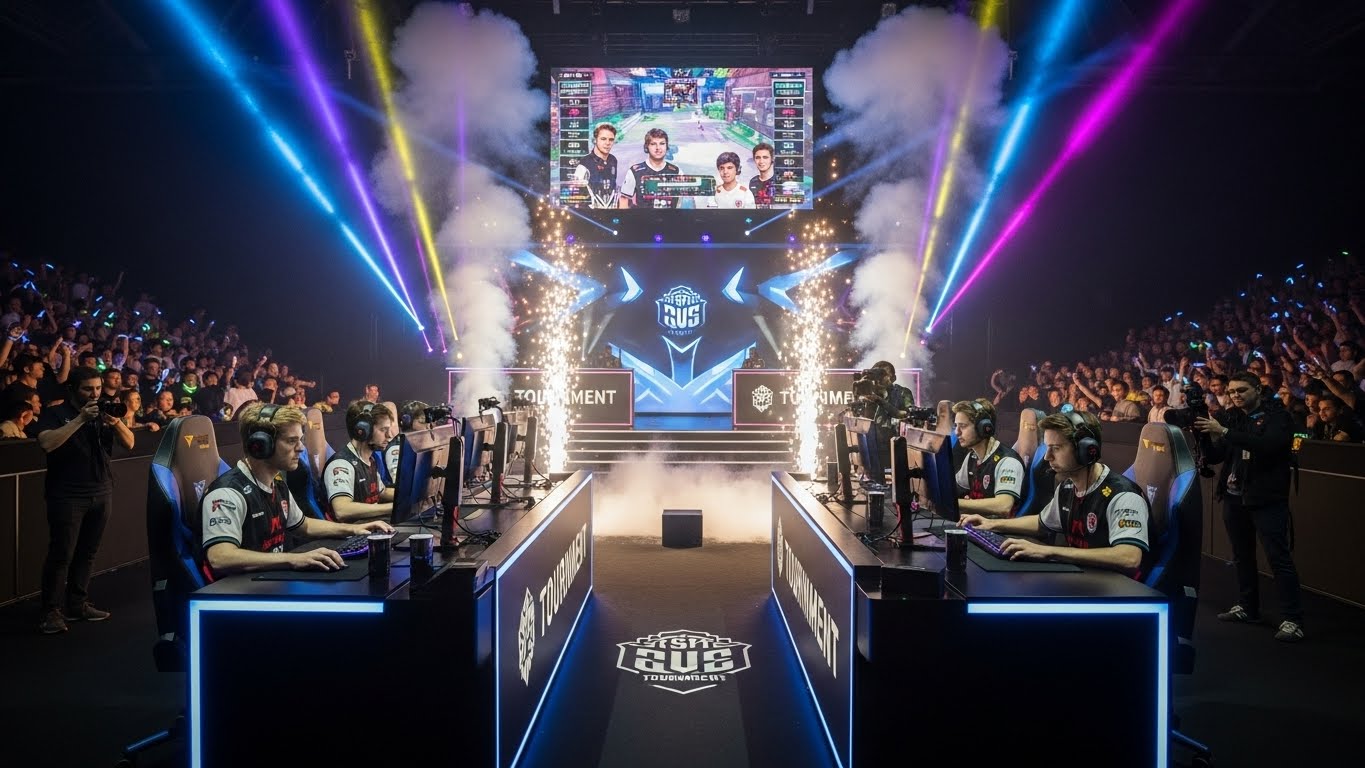
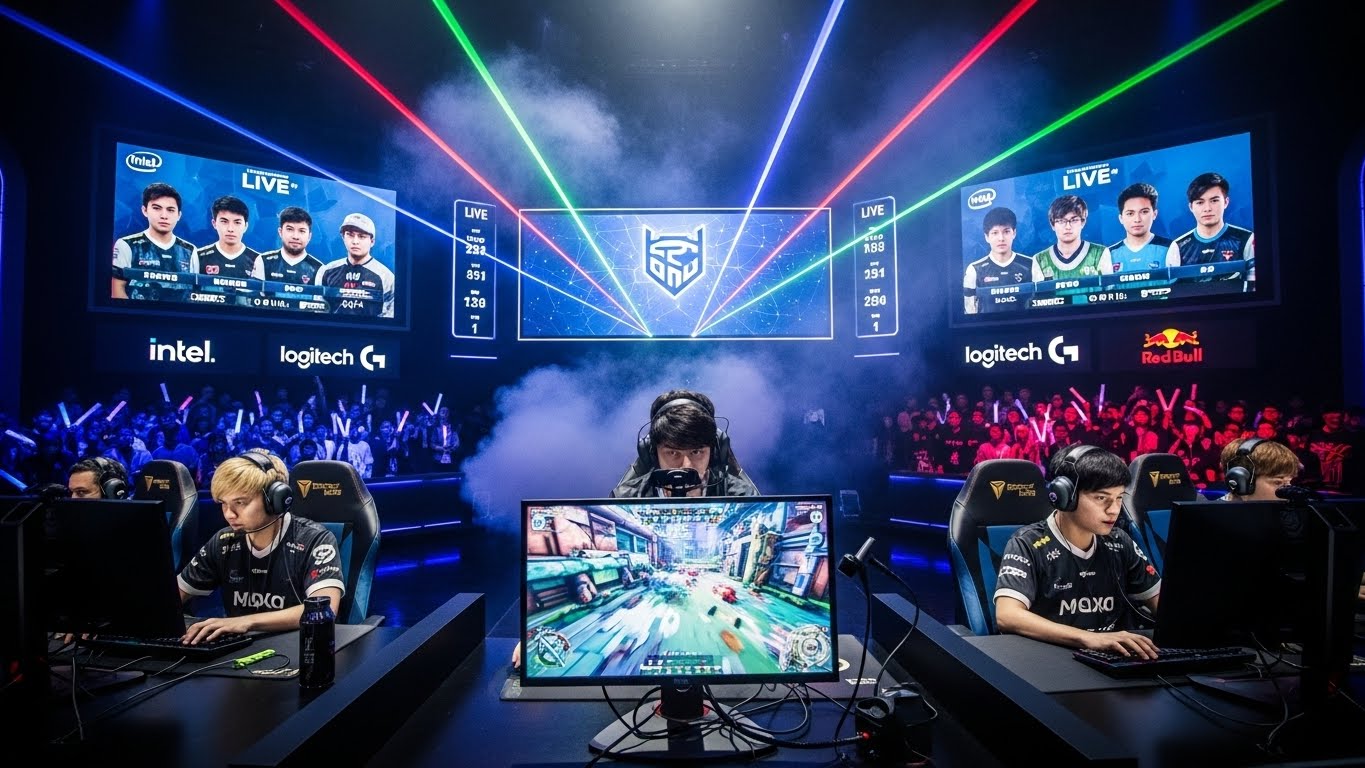
Esports, the competitive side of video gaming, has emerged as a global powerhouse in the entertainment industry. With its rapid growth in viewership, prize money, and professional organizations, esports has earned its place alongside traditional sports. Once a niche activity for a small group of gaming enthusiasts, esports has now evolved into a billion-dollar industry that attracts millions of fans worldwide. In this blog post, we will explore the history, growth, and impact of esports, and discuss how it has become a mainstream activity, shaping the future of entertainment.
The Early Days of Esports: The Birth of Competitive Gaming
The roots of esports can be traced back to the early days of video gaming. In the 1970s and 1980s, competitive gaming existed in a rudimentary form. Arcade games like Space Invaders, Pong, and Asteroids sparked interest in player-versus-player competition, though the format was mostly casual and localized to specific arcades. It wasn’t until the advent of networked gaming in the 1990s that the idea of esports started to take shape.
In the 1990s, games such as Doom and Quake introduced multiplayer modes that allowed players to compete against one another across local area networks (LANs). These games set the stage for the first major esports tournaments. The first recognized professional esports event was the Red Annihilation tournament in 1997, a Quake competition that attracted hundreds of players and offered a prize for the winner. This event is widely considered the spark that ignited the professional esports scene.
As the internet continued to improve, online gaming became more accessible to a wider audience. Games like StarCraft and Warcraft III in the late 1990s and early 2000s were among the first to foster dedicated esports communities. These titles laid the foundation for what would later become a multi-billion-dollar industry.
The Growth of Esports: From Passion to Profession
As internet speeds improved, esports began to reach a broader audience. Major events like the World Cyber Games (WCG), The International, and Intel Extreme Masters offered more visibility to competitive gaming and attracted sponsorships from major tech companies. By the mid-2000s, esports was no longer just a hobby for hardcore gamers; it was becoming a viable career option for skilled players.
The rise of streaming platforms like Twitch played a pivotal role in esports’ growth. Founded in 2011, Twitch allowed gamers to broadcast their gameplay live, creating an entirely new way for players to engage with their audiences. Esports organizations and individual players alike began to use Twitch to build their personal brands and reach larger audiences. Streamers could monetize their content through ad revenue, subscriptions, and sponsorships, making it possible for them to earn a living from their gaming skills.
In 2013, League of Legends (LoL) became one of the first games to generate serious attention in esports. The League of Legends World Championship, which took place annually, attracted millions of viewers worldwide, with prize pools growing into the millions of dollars. Other games followed suit, including Dota 2, Counter-Strike: Global Offensive (CS:GO), and Overwatch, each establishing their own competitive ecosystems with loyal fan bases and large-scale tournaments.
With the increasing interest in esports, traditional sports organizations began to take notice. In 2014, Major League Gaming (MLG) signed a partnership with ESPN to broadcast esports content. This partnership brought esports into the mainstream and allowed it to be viewed alongside traditional sports on television. It also marked the beginning of major media companies and corporate sponsors entering the scene, further legitimizing esports as a form of entertainment.
Esports in the Modern Era: A Multi-Billion Dollar Industry
Esports has grown exponentially in the past decade. According to a report by Newzoo, a leading market intelligence firm, the global esports industry was projected to generate over $1.1 billion in revenue by 2023. This revenue comes from various sources, including sponsorships, media rights, advertising, merchandise sales, and ticket sales to live events.
One of the main drivers of this growth has been the increasing viewership of esports tournaments. Major tournaments, such as The International for Dota 2 and the League of Legends World Championship, regularly draw in millions of viewers from around the world. In fact, some esports events now boast higher viewership numbers than traditional sports events like the Super Bowl and the NBA Finals. This surge in viewership has attracted high-profile sponsors, including Coca-Cola, Intel, and Mercedes-Benz, who have poured millions into esports teams, tournaments, and content creation.
The rise of esports as a mainstream phenomenon has also led to the creation of dedicated esports leagues. For example, Overwatch League (OWL) and League of Legends Championship Series (LCS) have established themselves as major competitive leagues with regular seasons, playoffs, and international events. These leagues provide a stable structure for esports teams and players, much like traditional sports leagues such as the NBA or NFL.
Esports organizations have become major players in the entertainment industry, with some of the biggest names in esports, such as Cloud9, Team Liquid, and Fnatic, receiving significant investments and expanding into other areas of media and merchandise. This rise of professional esports organizations mirrors the growth of traditional sports franchises.
The Players Behind Esports: Digital Athletes
Esports players are the heart of the industry. Professional esports athletes are highly skilled individuals who devote their time and energy to mastering specific games. The life of a professional esports player is rigorous, with most players practicing for up to eight hours a day, often under the guidance of coaches and analysts. Esports players must develop exceptional reflexes, strategic thinking, and teamwork skills to succeed in their respective games.
In addition to the physical and mental demands, the career of an esports player is often short-lived. The average career span of a professional esports player is only about five to six years, due to the intense pressure, mental fatigue, and the rise of younger players. This has led to the creation of programs designed to extend players’ careers, including coaching, team management, and content creation.
Many esports players are also highly popular on streaming platforms like Twitch, where they engage with their fans and showcase their skills. These players have become celebrities in their own right, with large followings on social media and sponsorship deals with major brands. Some esports athletes even have their own merchandise lines, further expanding their personal brands.
The Impact of Esports on Society and Culture
Esports has had a profound impact on culture, particularly among younger generations. It has provided a platform for people to connect, collaborate, and share their passion for gaming. The esports community is incredibly diverse, with players and fans from all walks of life coming together to celebrate their love for gaming. Esports has also helped normalize gaming as a legitimate form of entertainment, moving it away from being viewed solely as a pastime for “nerds” or “geeks.”
Esports has also made inroads into education. Many high schools and universities now offer esports programs, tournaments, and scholarships to students interested in competitive gaming. Some institutions even offer degree programs in esports management, game design, and streaming. Esports has helped legitimize gaming as a valuable skill set, providing students with career opportunities in a field they are passionate about.
Moreover, esports has given rise to a unique form of fan culture. Fans of esports teams and players are fiercely loyal, attending events, buying merchandise, and engaging in online communities. Major esports tournaments have evolved into global celebrations, where fans gather in person or online to watch their favorite teams compete for glory.
The Future of Esports: Where Is It Headed?
The future of esports looks incredibly promising. As technology continues to advance, new forms of gaming and competition are likely to emerge. Virtual reality (VR) and augmented reality (AR) are two technologies that are already being integrated into gaming, and they could redefine how we experience esports in the future. VR esports, for example, could take competitive gaming to a new level by immersing players and spectators in fully interactive virtual worlds.
Esports is also expected to continue growing in terms of mainstream media exposure. Television networks, streaming platforms, and social media will play an increasingly important role in shaping the way people experience esports. Esports is likely to become a permanent fixture in the global entertainment landscape, attracting millions of fans from all corners of the world.
Finally, as esports continues to grow, it will likely face challenges, including issues related to player health, safety, and fair competition. Addressing these challenges will be crucial for ensuring the long-term sustainability of esports as an industry. However, with its rapidly growing fan base, corporate investment, and cultural significance, esports is well-positioned to thrive in the years to come.
Conclusion: Esports Is Here to Stay
Esports has evolved from a niche hobby into a global phenomenon that is reshaping the landscape of entertainment. With its dedicated fanbase, lucrative sponsorship deals, and competitive spirit, esports has established itself as a legitimate and thriving industry. As technology continues to evolve and new games are introduced, esports will only continue to grow, attracting new fans and players from all over the world. Esports is no longer just a digital pastime—it’s a competitive sport that is here to stay, influencing the future of entertainment, culture, and competition.