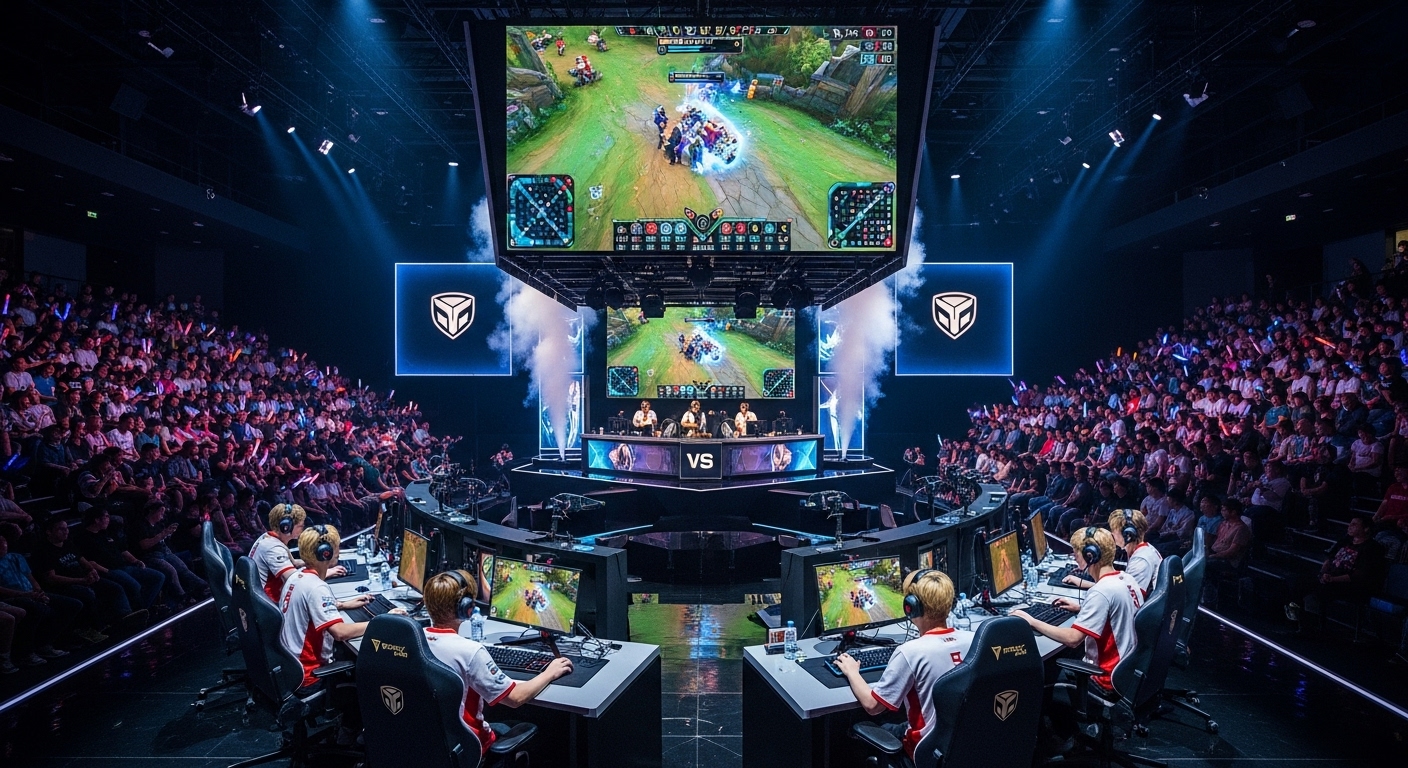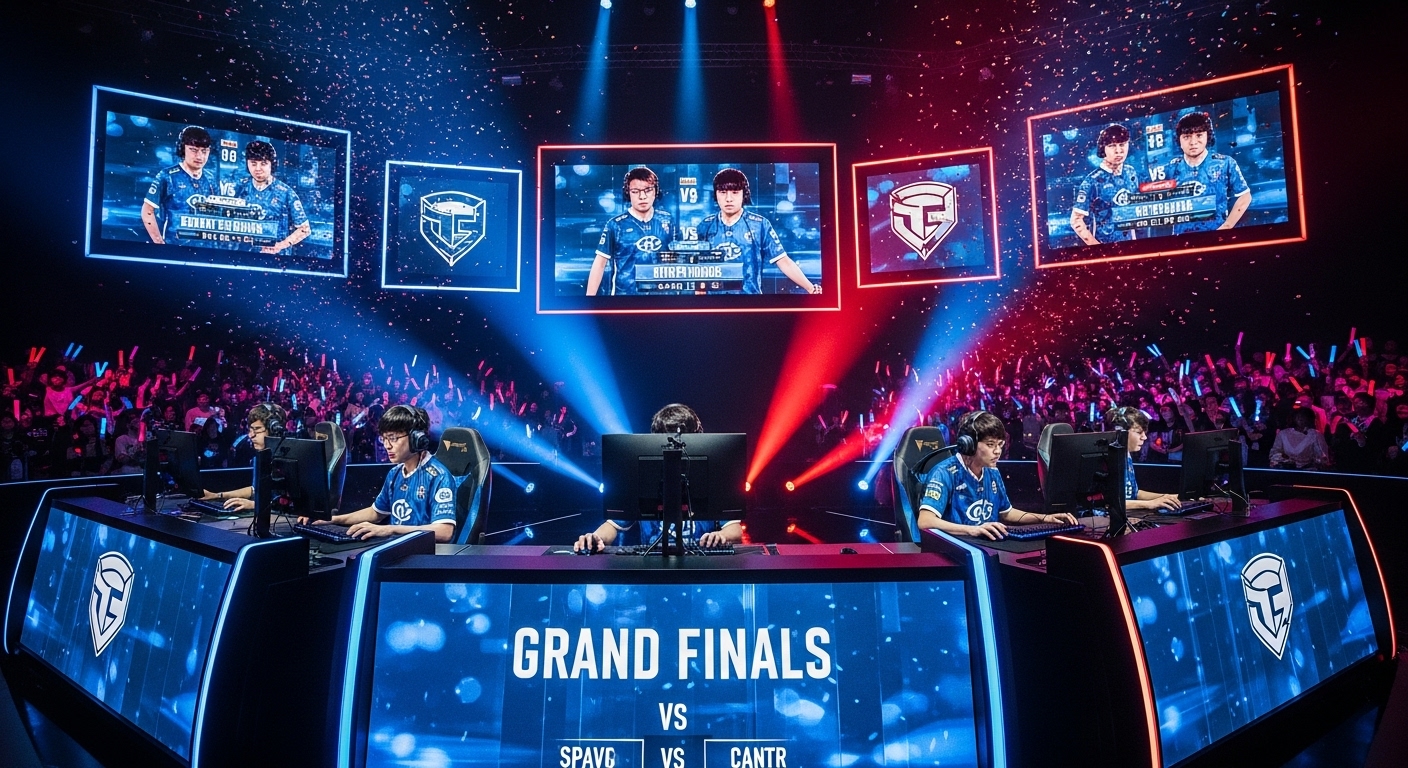
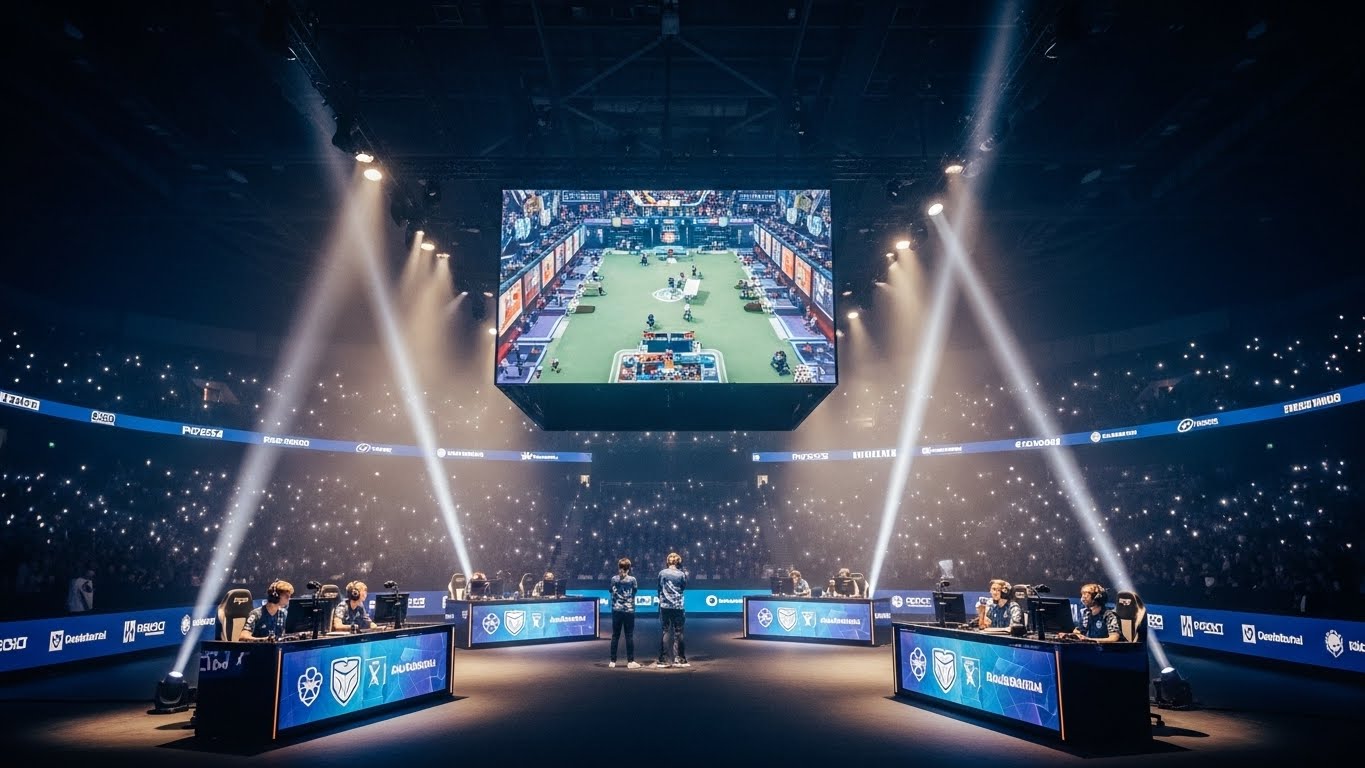
Esports, or electronic sports, has rapidly transformed from a niche pastime into a global phenomenon that commands millions of fans, players, and investors. What was once a small subculture for gamers has now evolved into a highly competitive industry, attracting attention from major corporations, sports franchises, and even universities. The rise of esports has mirrored the growth of the digital age, and it is shaping the future of entertainment, sports, and technology. This blog explores the history, growth, and future of esports, highlighting key elements that have contributed to its success.
What is Esports?
At its core, esports is competitive video gaming, where individuals or teams face off against each other in various video games. These competitions are organized at local, regional, national, and international levels, often with large cash prizes and sponsorships. Esports covers a broad range of games, from real-time strategy games like StarCraft to multiplayer online battle arena (MOBA) games such as League of Legends and Dota 2, to first-person shooters like Counter-Strike: Global Offensive (CS:GO) and Overwatch. The games played in esports events typically require a high level of skill, strategy, and teamwork.
The Birth of Esports: A Humble Beginning
The origins of esports date back to the 1970s and 1980s, when gaming was still in its infancy. The first known video game competition was held in 1972 at Stanford University for the game Spacewar. While the event was a small, localized tournament, it set the stage for the competitive gaming culture that would emerge in the decades to come.
By the late 1990s and early 2000s, esports began to gain more traction with the release of multiplayer games that allowed players to compete against each other online. Games like Quake and StarCraft played pivotal roles in the early days of esports. Players could now compete against individuals from different parts of the world, and the rise of gaming communities and online forums helped build a larger, more connected fan base.
However, it wasn’t until the early 2000s that esports truly began to take shape as a professional industry. In South Korea, the government saw the potential of esports as a form of entertainment and supported it through broadcast infrastructure, tournaments, and dedicated gaming cafes. The World Cyber Games (WCG), launched in 2000, became one of the first major global esports tournaments, providing a platform for players from all over the world to compete.
The Growth of Esports: From Hobby to Industry
The 2010s marked a major turning point in the history of esports. During this period, the industry saw exponential growth in terms of viewership, sponsorship, and prize money. With the rise of streaming platforms like Twitch and YouTube, competitive gaming was no longer confined to niche LAN parties or local events. Instead, tournaments could be broadcast live to a global audience.
One of the key catalysts for esports’ growth was the rise of League of Legends, which debuted in 2009 and quickly became one of the most popular competitive games in the world. Riot Games, the developer behind League of Legends, not only built a game with deep strategic elements but also developed an infrastructure for organized esports leagues and tournaments. The League of Legends World Championship, often referred to as “Worlds,” has become one of the most-watched esports events globally, with millions of viewers tuning in every year to watch the best teams battle for supremacy.
Simultaneously, other games like Dota 2, Overwatch, and Fortnite began to build their own esports ecosystems, leading to a more diverse and thriving competitive gaming scene. The introduction of large prize pools, sometimes exceeding millions of dollars, further incentivized top-tier players and teams to compete at the highest levels.
The Economics of Esports
The financial side of esports has grown alongside its popularity. Sponsorships, advertising, merchandise, ticket sales, and broadcasting rights have all contributed to the increasing revenue generated by esports organizations and events. Major companies such as Intel, Coca-Cola, and Red Bull have partnered with esports events and teams to leverage the expanding audience, many of whom are young, tech-savvy, and passionate about gaming.
Esports organizations and teams have also become highly professionalized, with many now functioning similarly to traditional sports franchises. Top teams sign lucrative sponsorship deals, employ professional coaches, analysts, and managers, and even build state-of-the-art training facilities. Players are often signed to multi-year contracts, receiving salaries, bonuses, and sponsorship deals, much like athletes in traditional sports.
In addition to corporate sponsors, esports has garnered attention from venture capitalists and private equity firms. Major investment has poured into esports infrastructure, with companies building dedicated esports arenas, streaming platforms, and media networks. These investments have helped legitimize esports as a professional career path for players, coaches, and commentators.
Esports and Traditional Sports: The Overlap
As esports has gained mainstream attention, traditional sports organizations have started to see the potential of esports. Several major sports leagues, including the National Basketball Association (NBA) and Major League Soccer (MLS), have launched their own esports leagues. These leagues, like the NBA 2K League, feature professional players competing in video game versions of real-world sports.
In addition, traditional sports teams have invested in esports organizations, forming hybrid entities that participate in both traditional sports and esports competitions. For example, soccer clubs like FC Barcelona and Paris Saint-Germain have esports teams that compete in games like FIFA and League of Legends. This convergence of traditional and esports has opened up new opportunities for cross-promotion and fan engagement.
Esports is also gaining recognition as a legitimate sport in many parts of the world. In 2018, the Asian Games featured esports as a demonstration event, and the International Olympic Committee (IOC) has discussed the possibility of including esports in future Olympic Games. While there is still debate about whether esports should be classified as a “real” sport, the growing overlap between the two realms is undeniable.
The Future of Esports: What’s Next?
Looking ahead, the future of esports appears bright, with several trends shaping the next stage of its evolution.
1. Virtual Reality (VR) and Augmented Reality (AR): As technology continues to advance, the integration of VR and AR into esports could revolutionize the way players and fans experience competitive gaming. Imagine playing a first-person shooter or real-time strategy game in a fully immersive VR environment or watching a tournament in 3D, where you can move around the arena and interact with players.
2. Increased Investment in Infrastructure: With the increasing popularity of esports, more venues and arenas are being built specifically for gaming events. In addition to physical venues, online platforms like Twitch and YouTube Gaming will continue to evolve, providing enhanced viewing experiences for fans.
3. The Growth of Collegiate Esports: Universities across the world are starting to recognize esports as a legitimate collegiate sport. Scholarship programs for esports players are becoming more common, and schools are establishing dedicated esports programs and facilities. This development will help foster the next generation of professional players and coaches.
4. Esports as a Career Path: As the industry continues to mature, the opportunities for players, coaches, analysts, broadcasters, and content creators will expand. Esports will increasingly be seen as a viable career option for those passionate about gaming, much like traditional sports careers.
5. Global Expansion: While esports has already achieved widespread popularity in regions like North America, Europe, and Asia, there is still vast potential for growth in emerging markets. Countries in Africa, South America, and the Middle East are beginning to embrace esports, and as internet infrastructure improves, these regions will become increasingly important hubs for competitive gaming.
Conclusion
Esports has come a long way from its humble beginnings as a niche hobby. Today, it is a billion-dollar industry with millions of fans, players, and supporters. The global rise of esports is a testament to the power of gaming as a form of entertainment, competition, and culture. With continued advancements in technology, investment, and infrastructure, the future of esports looks brighter than ever, and it will undoubtedly continue to shape the way we think about sports and entertainment in the digital age. As esports evolves, it is clear that it is not just a passing trend but a permanent part of the modern entertainment landscape.