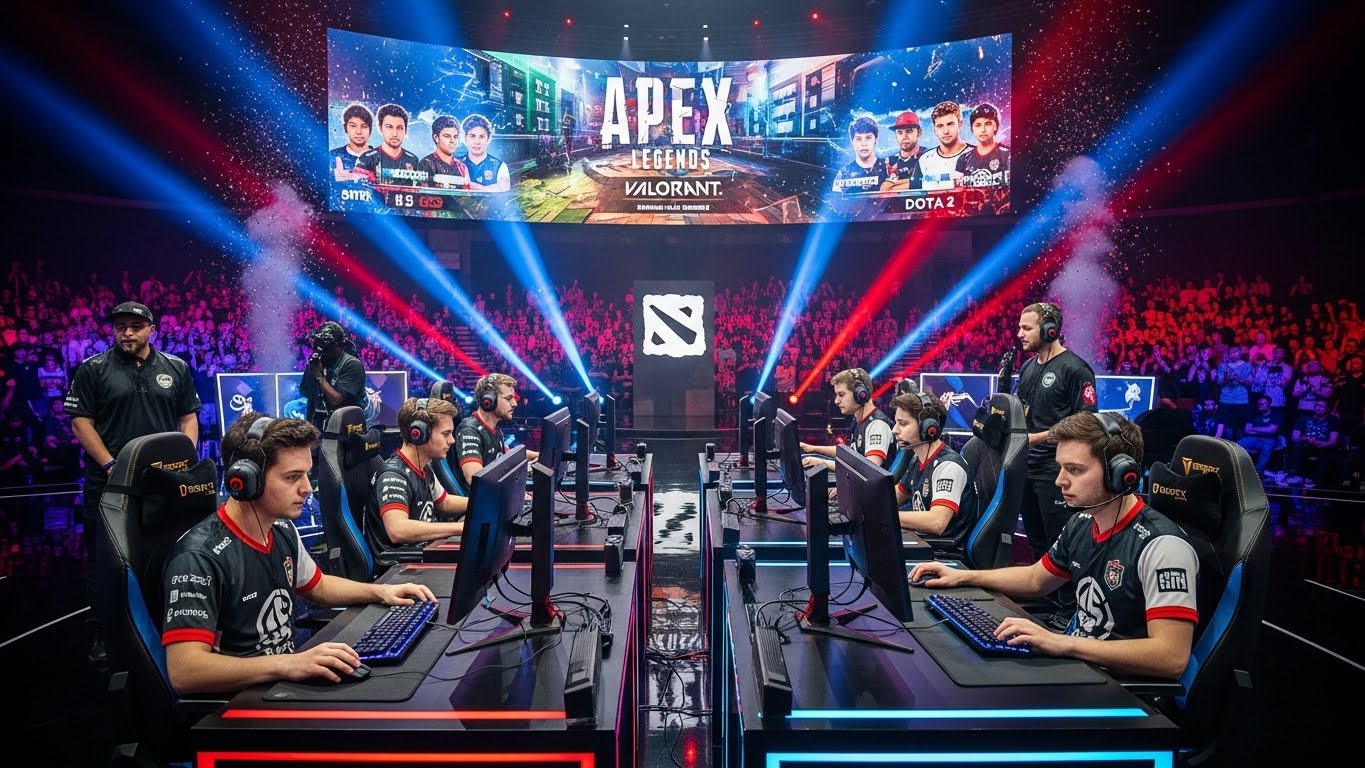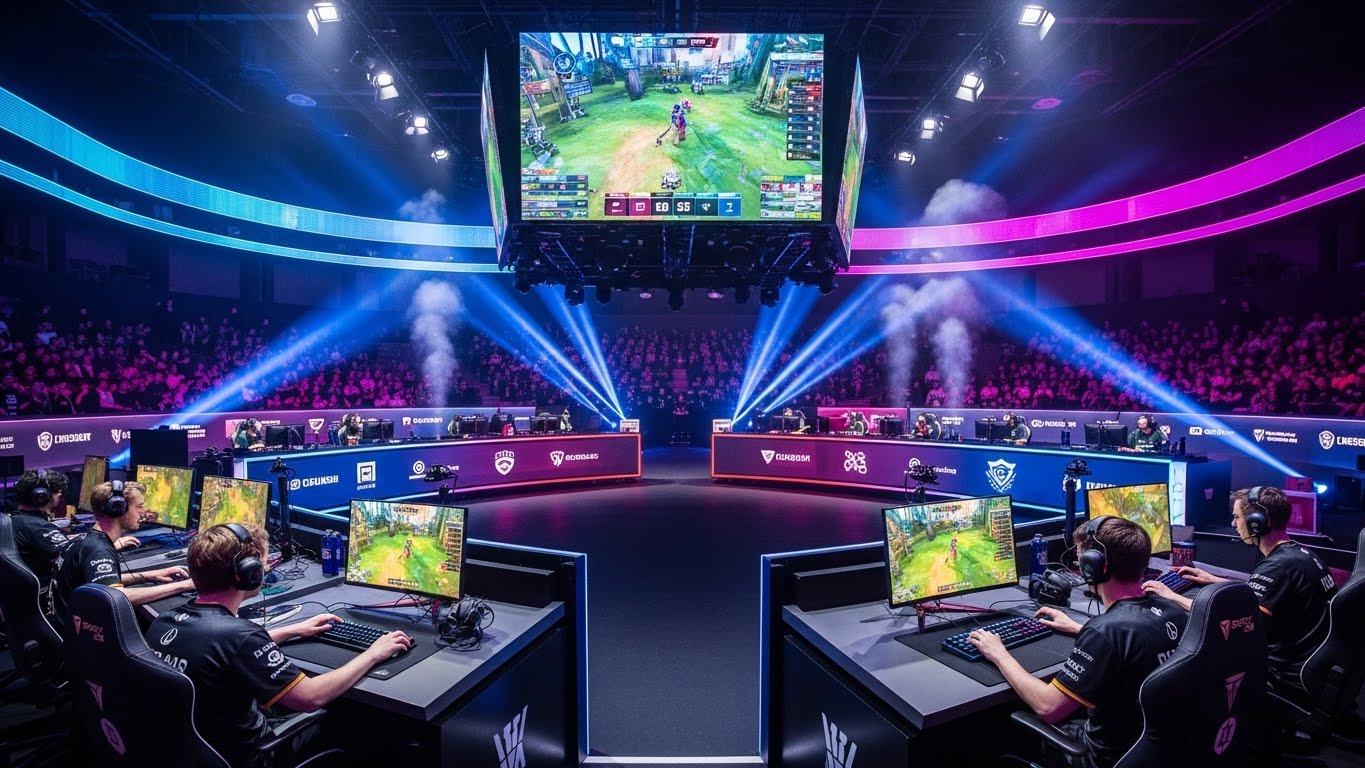
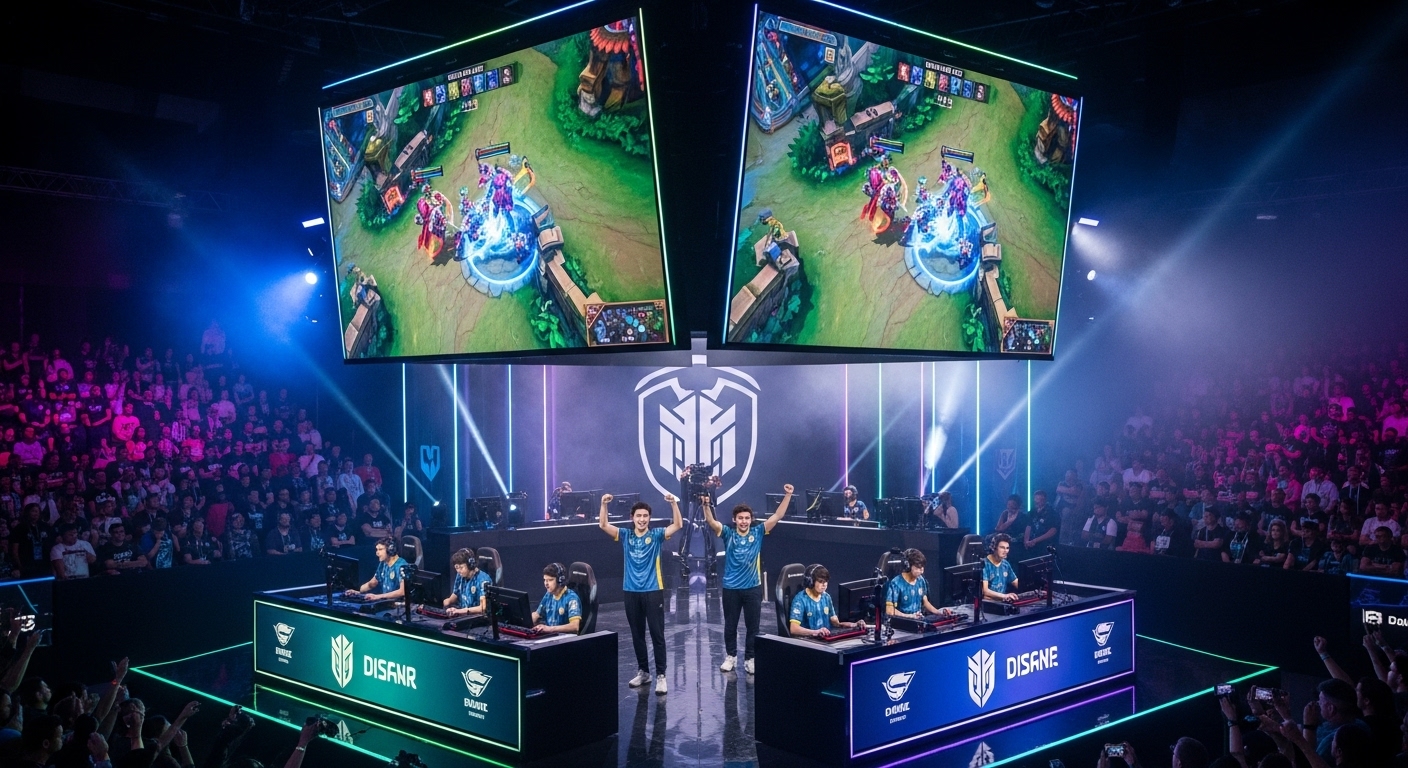
Esports, once a niche activity confined to basement tournaments and small online communities, has exploded into a multi-billion-dollar global industry. What began as a hobby for gamers has now become a competitive ecosystem with professional players, massive tournaments, and millions of viewers around the world. In this blog post, we will dive into the evolution of esports, how it has shaped the gaming community, and what the future holds for this rapidly growing phenomenon.
The Roots of Esports: From Arcade to Online
Esports is rooted in the history of video gaming itself. The term “esports” first came into use in the late 1990s, but the foundations were laid much earlier. In the 1970s, the first competitive gaming event occurred with Spacewar—a game that allowed players to compete against each other for the first time. While small-scale and rudimentary, it set the stage for the competitive gaming scene we know today.
By the 1980s and 1990s, gaming began to evolve from individual experiences to multiplayer ones. Games like Doom, Quake, and Warcraft allowed players to connect over local networks (LAN) and battle each other. These early LAN parties were some of the first examples of competitive gaming in action, as players gathered in one location to compete against one another. During this time, the concept of a professional esports tournament was still just a dream.
The real breakthrough came with the expansion of the internet in the late 1990s and early 2000s. The arrival of broadband internet allowed players to connect to global servers and compete online. It was at this point that competitive gaming began to scale on a global level, with iconic titles like StarCraft and Quake III Arena laying the groundwork for professional tournaments. These early games helped foster the development of online communities and paved the way for the esports leagues that would follow.
The Rise of Esports: From Local Competitions to International Tournaments
As the 2000s progressed, esports began to emerge as a mainstream phenomenon. In particular, the rise of StarCraft in South Korea played a pivotal role in the growth of competitive gaming worldwide. In South Korea, esports was treated with a level of seriousness that far exceeded anything seen elsewhere in the world. StarCraft became a national pastime, with professional players gaining celebrity status. The Korean government even supported esports, investing in infrastructure such as dedicated esports TV channels, large-scale tournaments, and gaming arenas.
During this period, esports tournaments began to adopt a more formal structure. In 2000, the World Cyber Games (WCG) was founded, followed by the Electronic Sports World Cup (ESWC) in 2003. These international competitions provided a platform for players from all over the world to compete in various games. This era marked the birth of the first “esports organizations,” where players were paid to compete full-time, with teams and sponsors backing them.
As these tournaments grew, so did the level of professionalism in the industry. Game developers started investing in competitive gaming scenes, with games like Warcraft III, Counter-Strike, and League of Legends being designed with esports in mind. Esports began attracting major sponsorships, with brands such as Intel, Coca-Cola, and Red Bull investing heavily in the competitive scene. Prize pools for tournaments began reaching into the millions, with The International (Dota 2) offering a prize pool that surpassed $30 million in 2018.
The Impact of Streaming and Media on Esports
One of the key factors driving the growth of esports has been the rise of streaming platforms. In the early 2010s, platforms like Twitch and YouTube Gaming became the go-to destinations for fans to watch live esports competitions. Twitch, in particular, transformed the way esports was consumed. Fans could now watch their favorite players and teams compete in real-time from anywhere in the world.
This shift in how esports is viewed has been a game-changer for the industry. Unlike traditional sports, esports offers a level of interactivity and accessibility that traditional broadcast media can’t match. Viewers can engage directly with streamers through chat, subscribe to channels, and even donate money to their favorite content creators. This has created an entirely new revenue model for esports, allowing players, teams, and even tournaments to generate significant income.
The impact of streaming extends beyond just watching games. Many professional esports players and organizations have expanded their reach by creating content on platforms like YouTube, where they share gameplay, tutorials, and behind-the-scenes footage. This content provides fans with a deeper connection to their favorite players and teams, further cementing esports as a form of entertainment.
Esports as a Professional Career
The rise of professional esports has opened up new career opportunities for players, coaches, analysts, broadcasters, and content creators. Once considered a hobby, competitive gaming has now become a legitimate career path. Professional esports players are now able to make substantial incomes, often earning more than traditional athletes through tournament winnings, sponsorships, streaming revenue, and merchandise sales.
While only a small percentage of players make it to the professional level, the competitive gaming ecosystem has expanded to include numerous roles within esports organizations. Teams now employ coaches, analysts, managers, social media strategists, and marketers to help run their operations. Furthermore, esports teams often work with sponsors and media outlets to enhance their brand visibility and grow their fanbases.
The development of esports scholarships and university programs also marks a significant step in legitimizing esports as a career. Universities around the world now offer full esports scholarships to talented players, providing them with a pathway to compete professionally while pursuing their education. In addition, there are now degree programs dedicated to esports management, event planning, game design, and broadcasting, providing aspiring professionals with the skills needed to succeed in this growing industry.
The Global Impact of Esports
Esports has become a truly global phenomenon. While it initially had strong roots in countries like South Korea, the United States, and Europe, it is now growing rapidly in regions such as Southeast Asia, Latin America, and the Middle East. Many countries have recognized the potential of esports to drive economic growth and have invested in infrastructure to support the industry.
In China, for example, esports has become a national pastime, with a massive fanbase and government support for the development of esports infrastructure. The Chinese government has even recognized esports as a legitimate sport, creating opportunities for players to represent their country on the international stage.
Meanwhile, in the United States, esports has become a multi-million-dollar industry, with major tournaments held in cities like Los Angeles, New York, and Las Vegas. American sports leagues like the NBA and NFL have also embraced esports, with NBA teams such as the Philadelphia 76ers and Golden State Warriors forming their own esports organizations. The NFL has partnered with Madden NFL to create an official esports league for the popular football video game.
Esports’ rapid growth in emerging markets is also creating new opportunities for players and fans alike. In Brazil, for instance, esports is becoming a major part of the country’s entertainment culture, with tournaments like CBLOL (the Brazilian League of Legends Championship) drawing large audiences both in-person and online. Similarly, in the Middle East, countries like Saudi Arabia and the UAE are investing heavily in esports, with government-backed events and initiatives aimed at cultivating the next generation of players and fans.
Challenges Facing Esports
Despite its tremendous growth, esports still faces several challenges. One of the biggest concerns is the physical and mental well-being of players. Professional gamers often train for long hours, putting immense pressure on their bodies and minds. There have been reports of injuries from repetitive strain, and burnout is a common issue among players who compete in high-stakes tournaments. As the industry matures, there will need to be more attention paid to player health and well-being.
Additionally, the lack of standardization in esports remains an issue. While major tournaments like The International and the League of Legends World Championship are highly organized, many smaller leagues lack proper regulation and consistency. The industry would benefit from greater regulation to ensure fair play and protect players’ rights.
Another challenge is the issue of cheating. In any competitive sport, there are individuals or teams who will try to gain an unfair advantage, and esports is no different. Cheating scandals, match-fixing, and doping (in some cases, the use of performance-enhancing drugs) have plagued the esports scene, damaging its integrity. Addressing these issues will be crucial for the continued growth and legitimacy of esports as a professional industry.
The Future of Esports
The future of esports looks incredibly promising. With advances in technology, virtual reality (VR) and augmented reality (AR) could revolutionize the way competitive games are played and viewed. Imagine watching a Counter-Strike match from the perspective of a player, or even engaging in a first-person VR experience during an esports tournament. These innovations could take esports to new heights, providing fans with a more immersive and interactive viewing experience.
Esports is also likely to become even more integrated with traditional sports. As major sports leagues recognize the potential of esports, we may see more hybrid events that combine both digital and physical competition. The intersection of sports and gaming will only continue to grow as both industries evolve.
Furthermore, as esports continues to grow in popularity, the industry will attract more investors, media companies, and brands. This financial support will further bolster the infrastructure of esports, leading to more tournaments, bigger prize pools, and even larger audiences. The eventual inclusion of esports in the Olympic Games, which has been discussed for years, may become a reality, further legitimizing esports as a mainstream form of entertainment.