Introduction: A New Era of Competition
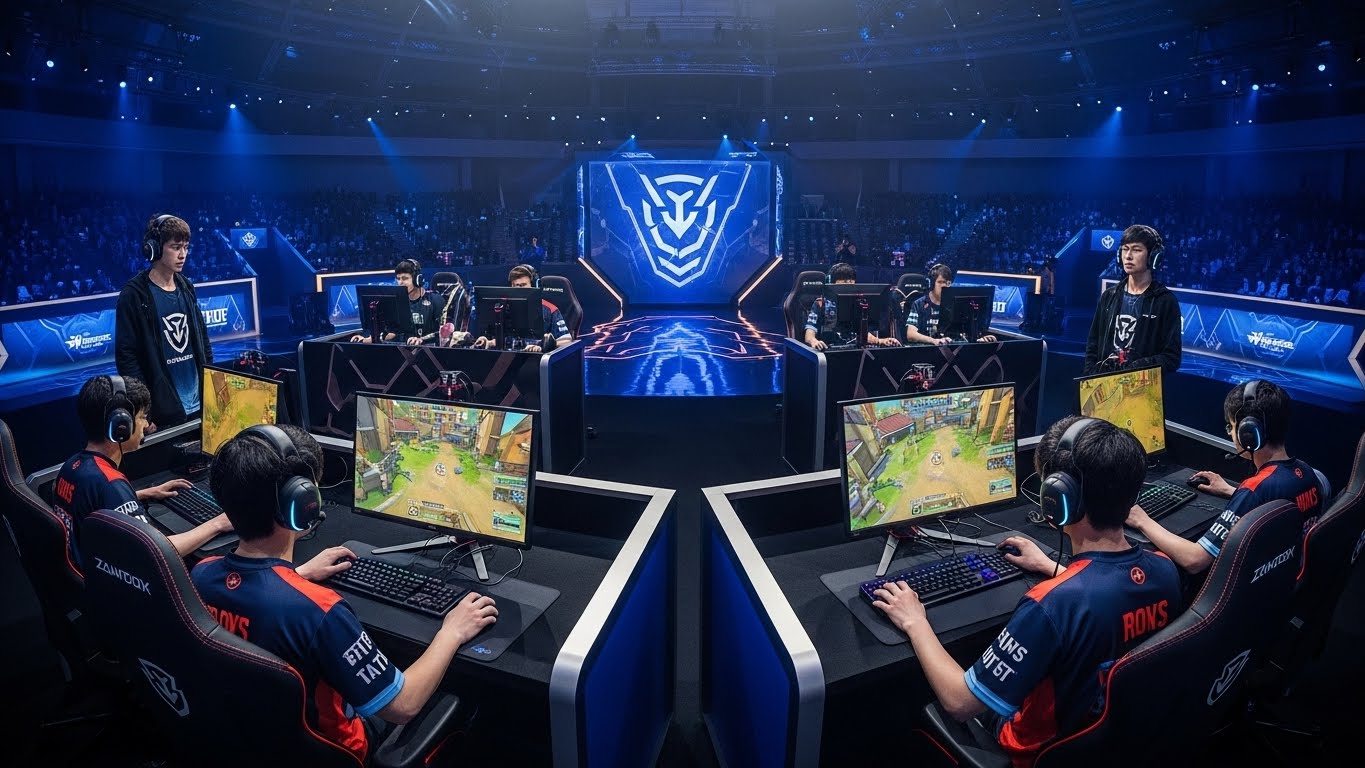
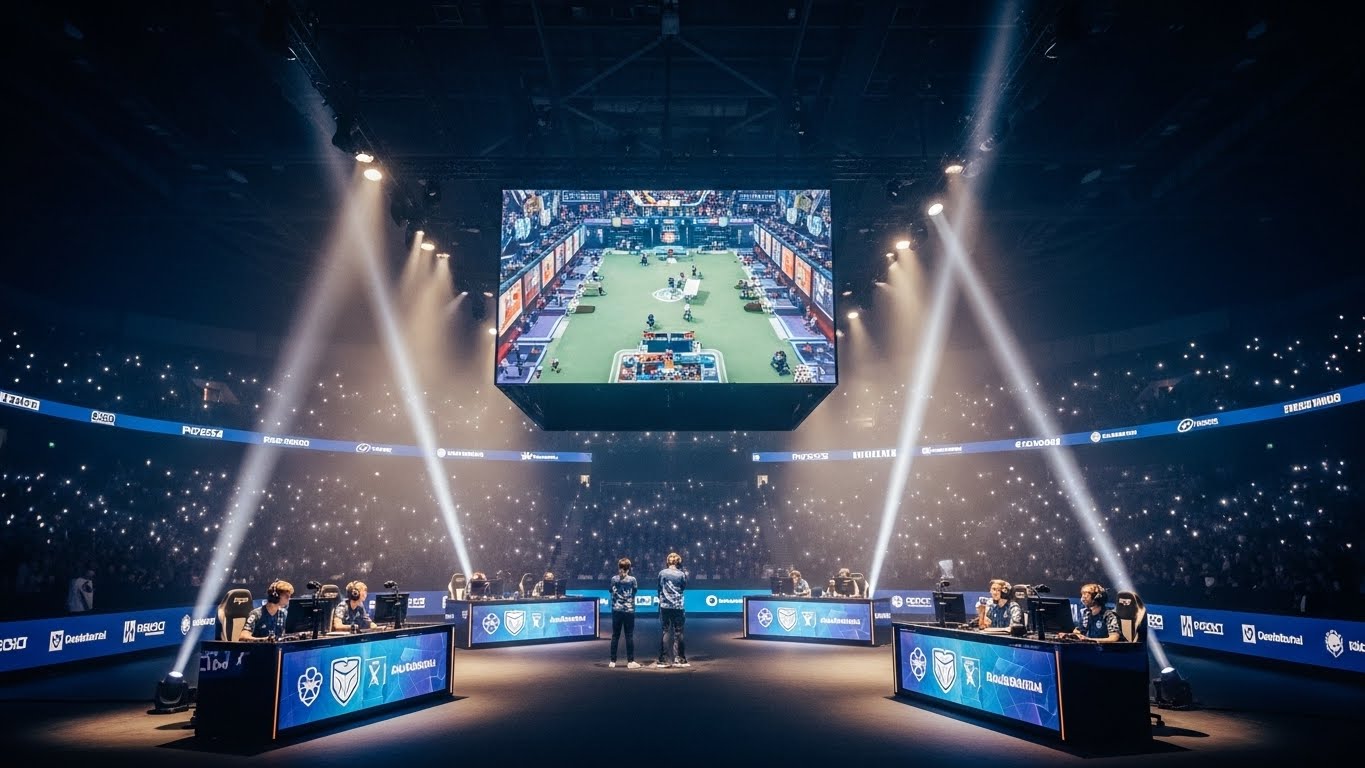
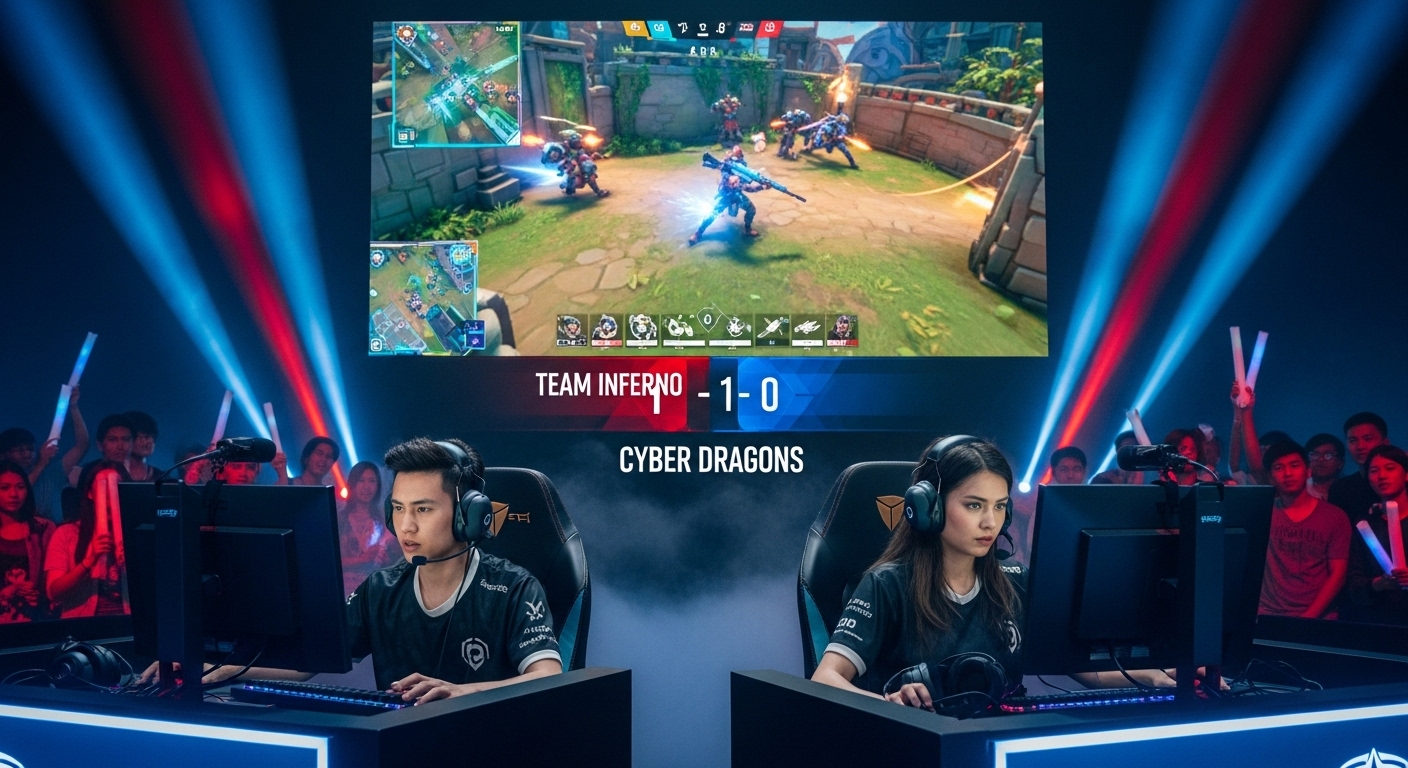
Esports, or electronic sports, has emerged as one of the most captivating phenomena of the 21st century. What began as a niche hobby for passionate gamers has quickly become a global entertainment juggernaut. Today, esports is a thriving ecosystem of professional players, massive tournaments, sponsorships, and millions of fans tuning in from around the world. The competitive gaming industry has made its mark on the sports world, with esports events now rivaling traditional sports in terms of viewership, revenue, and cultural influence.
In this blog, we’ll take a closer look at the rapid rise of esports, explore the factors that have contributed to its success, and examine the exciting future that lies ahead for competitive gaming.
The Evolution of Esports: From Passionate Hobby to Global Phenomenon
Esports didn’t appear overnight. It has a rich history that dates back to the early days of multiplayer gaming. In the 1990s, competitive gaming started to gain traction with games like Quake and StarCraft, where gamers from different regions would face off in local tournaments. These events were often small-scale, but they helped lay the groundwork for a much larger and more organized esports scene.
As internet access and online gaming platforms became more widespread in the early 2000s, competitive gaming exploded. Players no longer had to be physically present at LAN (local area network) parties to compete; they could now challenge opponents from around the world. The first major milestone in esports came with the advent of large-scale online tournaments like the World Cyber Games (WCG) and the Electronic Sports World Cup (ESWC). These events showcased the potential of esports to become a global spectacle.
Fast forward to today, and esports is a fully established industry, with top-tier tournaments in games like League of Legends, Dota 2, Fortnite, and Overwatch, each with millions of dollars in prize pools and huge audiences both in-person and online.
Why Esports is Captivating Audiences Worldwide
Several key factors have contributed to the rapid growth and widespread appeal of esports. Below are some of the major reasons why competitive gaming has captured the attention of millions of viewers around the world.
The Thrill of High-Level Competition
Esports is, at its core, about skill and strategy. Unlike casual gaming, where the focus is on fun and relaxation, competitive gaming demands expertise and precision. Professional players spend hours honing their skills, studying strategies, and practicing in preparation for major tournaments. Watching these players in action is nothing short of thrilling. The high level of competition, along with the emotional highs and lows, creates an intense and captivating experience for fans.
Whether it’s a fast-paced game of Counter-Strike: Global Offensive or the intricate strategies of Dota 2, the level of play in esports is unmatched. The skill required to succeed at the highest level is something that audiences can appreciate, regardless of whether they are gamers themselves.
Global Accessibility and Inclusivity
One of the biggest advantages of esports is its accessibility. Unlike traditional sports, which often require expensive equipment or specific physical abilities, esports only requires a gaming device and an internet connection. This makes it easy for anyone, anywhere in the world, to compete and enjoy the spectacle of competitive gaming. In fact, mobile esports has also grown rapidly in recent years, making gaming even more accessible to a broader audience.
Esports is also one of the most inclusive forms of competition. It doesn’t matter where you come from or what gender you are—if you’re skilled enough, you can compete at the highest levels. This inclusivity is a big part of the appeal, especially for younger generations who are seeking a platform where talent, not physical attributes, is the deciding factor.
A Thriving Online Community
The sense of community in esports is unlike any other. Online gaming fosters interaction and collaboration between players, forming tight-knit communities. Fans and players alike share a passion for their favorite games, teams, and players, creating a vibrant digital culture. Platforms like Twitch, YouTube Gaming, and social media have made it possible for fans to connect with their favorite players, discuss strategies, and follow their favorite teams.
Esports has created a sense of belonging for millions of people around the world. Whether you’re participating in a live stream chat during a match or joining a fan club for your favorite team, there’s a sense of camaraderie and engagement that makes esports so much more than just a game.
The Business of Esports: An Industry Worth Billions
Esports has not only revolutionized the world of gaming but has also become a major business venture. What was once a small industry is now a billion-dollar ecosystem involving professional teams, sponsorships, merchandise, media rights, and streaming platforms.
The Rise of Professional Teams and Players
In the early days, competitive gamers were often individuals competing in tournaments for pride and small cash prizes. However, today’s esports ecosystem involves professional teams, coaches, analysts, and managers. Teams like Team Liquid, Cloud9, Fnatic, and G2 Esports are household names, and their players are revered as top-tier athletes within the digital realm. These organizations not only sign players but also provide training, support, and resources to help them reach their full potential.
With sponsorships from global brands like Red Bull, Intel, and Coca-Cola, esports organizations now have substantial financial backing, allowing them to invest in top-tier talent and facilities. The growth of esports as a profession has also led to a new generation of content creators, analysts, and commentators who contribute to the esports ecosystem.
Sponsorships, Prize Pools, and Media Rights
Sponsorships are a critical part of the esports business model. Major companies invest heavily in esports tournaments, teams, and players, seeing it as a valuable avenue for marketing to a young and tech-savvy demographic. Esports events attract millions of viewers, making them an ideal platform for companies looking to promote their products and services.
Prize pools for major tournaments can be astronomical. For example, the Dota 2 International boasts some of the largest prize pools in esports history, with millions of dollars at stake. These large cash prizes draw the best players from around the world and add to the excitement of the competition.
Additionally, media rights have become an essential revenue stream for esports events. Broadcasting deals with major networks and streaming platforms allow esports tournaments to reach a wider audience, bringing in additional revenue through ads and viewership. The accessibility of live streaming has also allowed esports to transcend geographical boundaries, making it a truly global experience.
The Future of Esports: What Lies Ahead
The future of esports is incredibly exciting, with technological advancements, increasing investments, and growing fanbases all pointing to an even brighter tomorrow for competitive gaming.
Integration of Virtual and Augmented Reality
Virtual reality (VR) and augmented reality (AR) have the potential to revolutionize esports by creating even more immersive and interactive experiences for both players and fans. VR esports, where players can physically move and interact with their environment, could change the way games are played and watched. Similarly, AR could be used to enhance gameplay with virtual elements, opening up entirely new possibilities for competitive gaming.
The Growth of Mobile Esports
Mobile esports is rapidly gaining popularity, especially in regions like Asia, where mobile gaming is dominant. Games like PUBG Mobile and Arena of Valor have created massive esports scenes, with large-scale tournaments and significant prize money. As mobile technology continues to improve, we can expect mobile esports to become a bigger player on the global stage.
Esports and Traditional Sports Collide
Esports and traditional sports have increasingly become intertwined. Major sports organizations, including the NBA and NFL, are now investing in esports teams and tournaments. This cross-industry collaboration has led to more mainstream recognition for esports, and it could pave the way for esports to be included in major sporting events, such as the Olympics.
Conclusion: Esports is Here to Stay
Esports is more than just a trend—it’s a cultural shift that is changing the way we view competition, entertainment, and community. With its high level of skill, global accessibility, thriving business ecosystem, and passionate fanbase, esports has firmly established itself as one of the most exciting forms of modern competition.
As technology continues to evolve, the future of esports looks incredibly bright. Whether you’re a gamer, a fan, or someone just starting to explore the world of competitive gaming, there’s no denying that esports is here to stay. The digital arena has become a global stage, and it’s only getting bigger. The age of esports is now, and its impact on the world of competition will be felt for years to come.