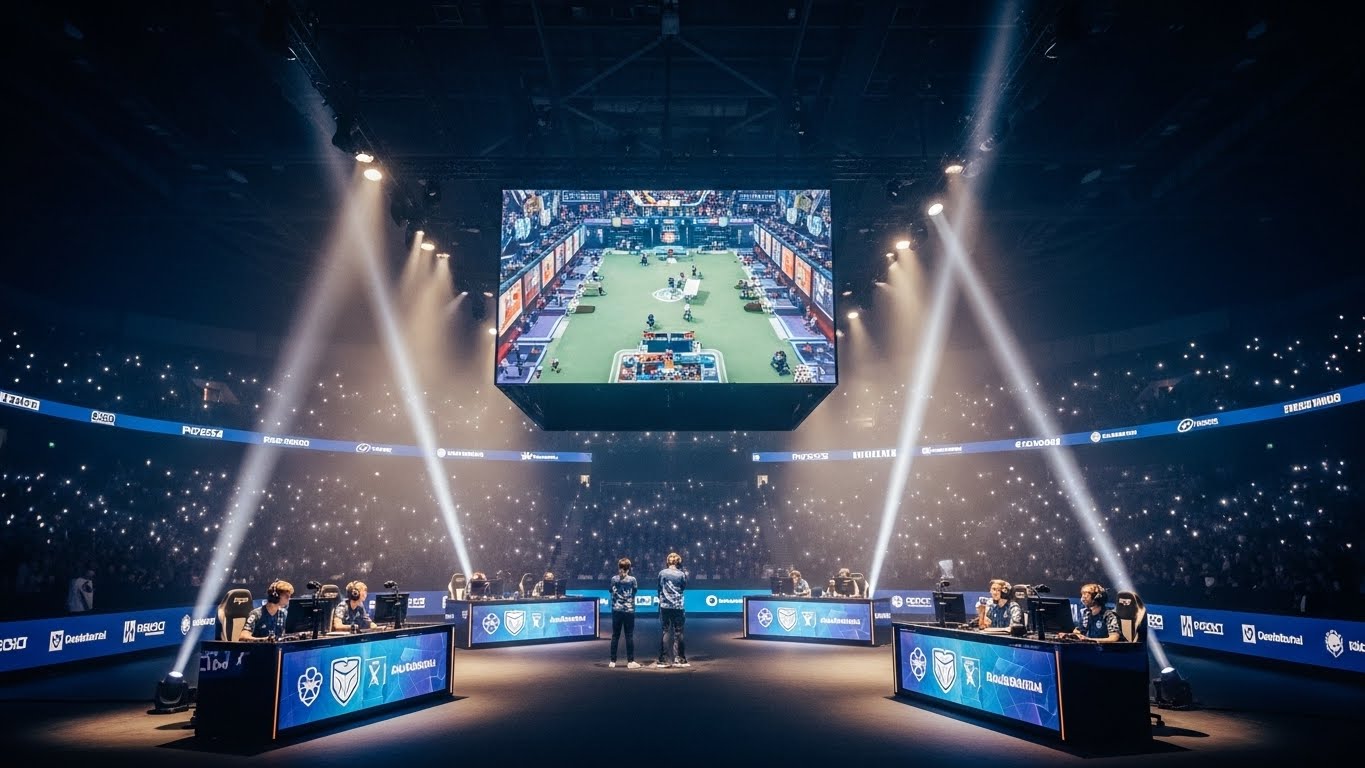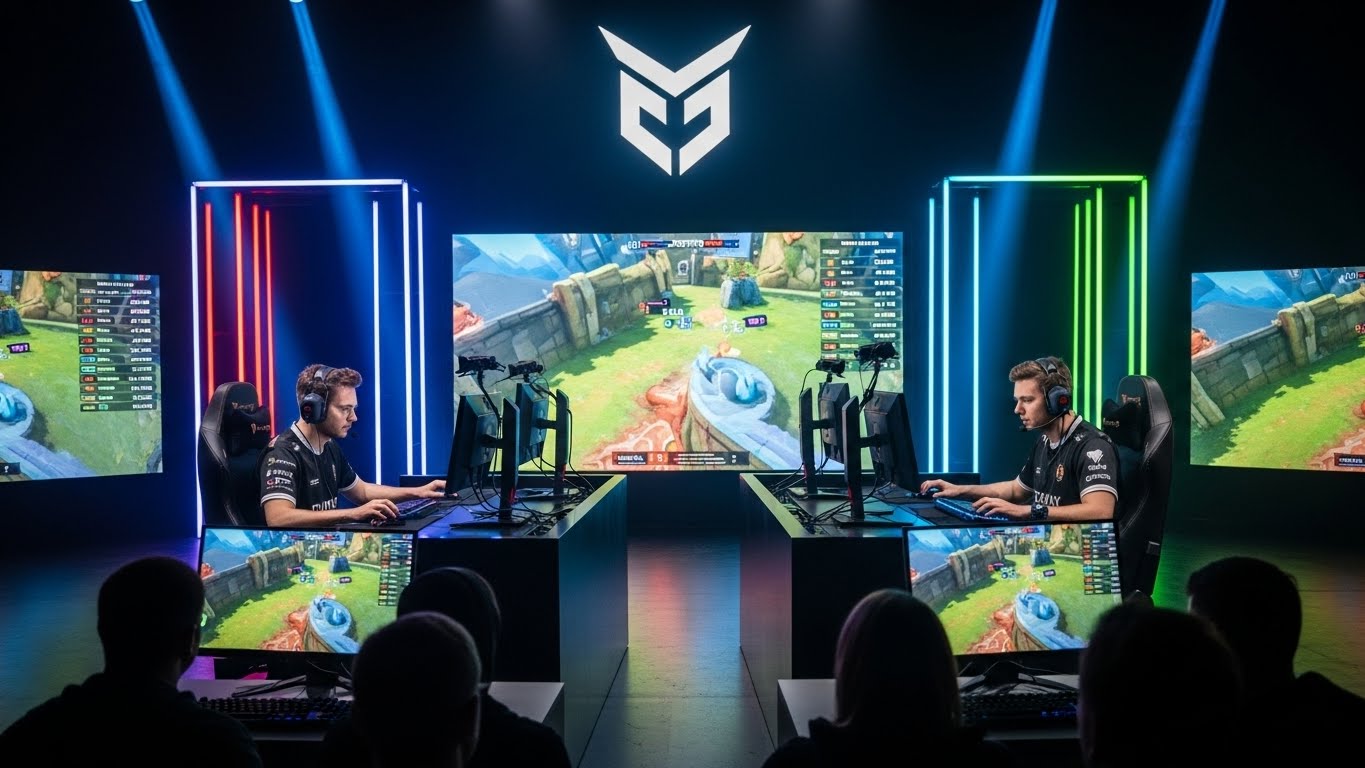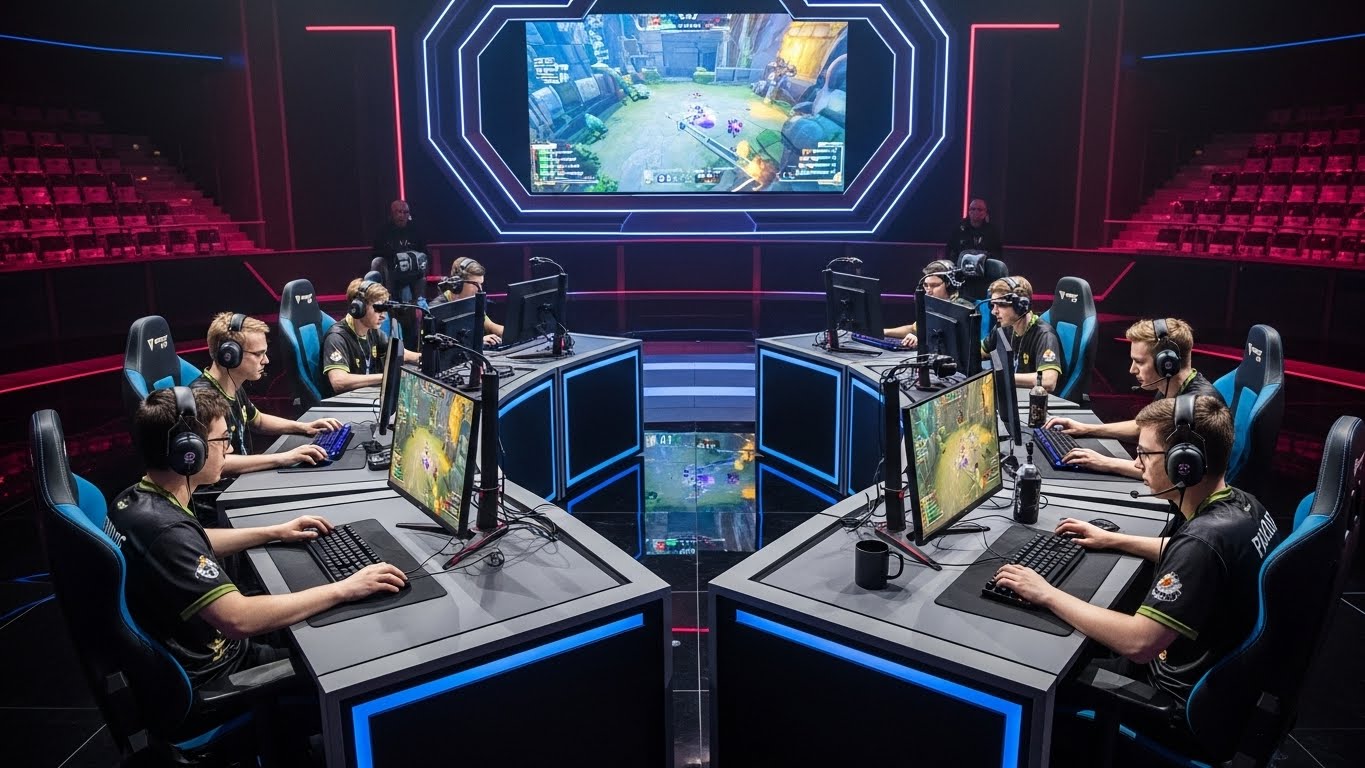
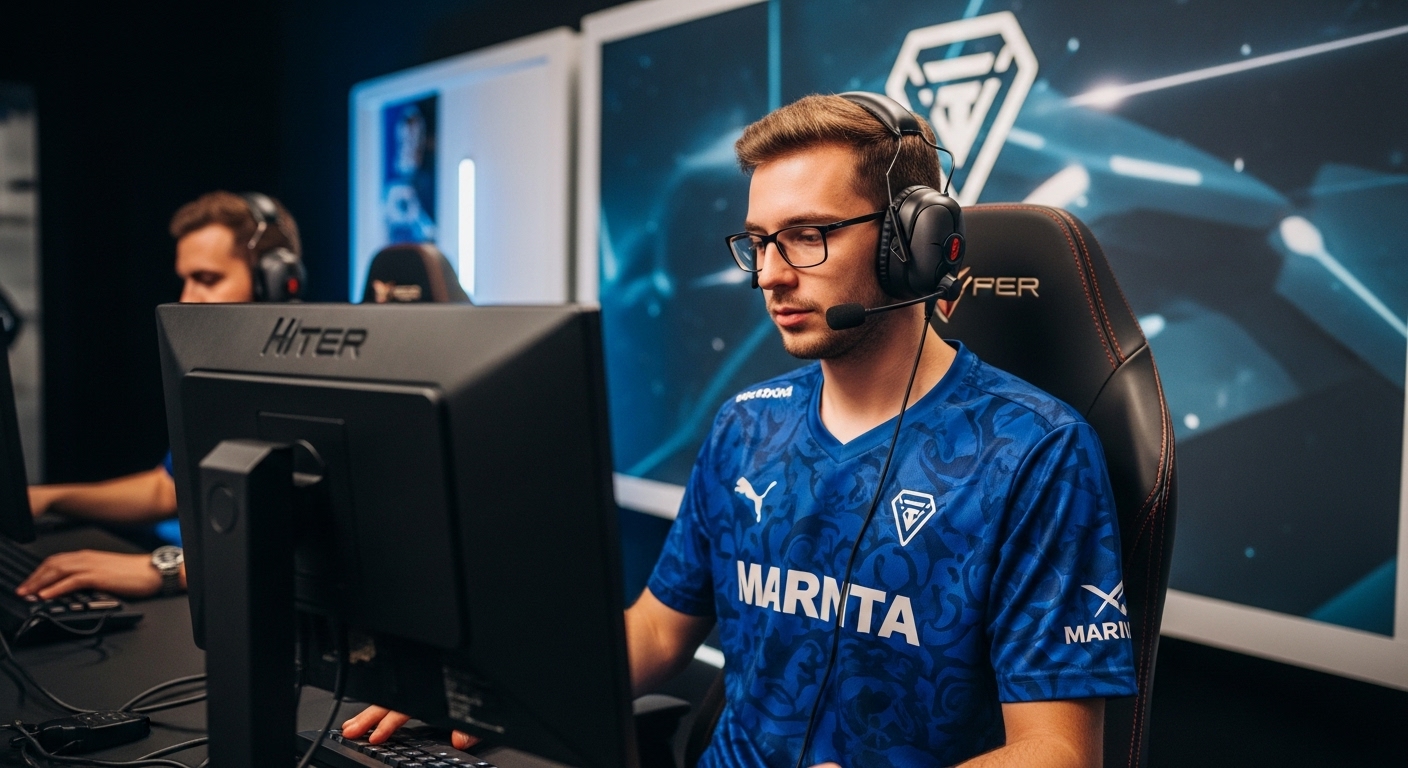
Esports, or electronic sports, is no longer just a passing trend. It has grown into a global phenomenon, transcending casual gaming to become a legitimate industry and a cultural force. The competitive gaming scene has expanded rapidly over the last decade, with millions of fans, professional teams, and multi-million-dollar tournaments. But how did this transformation happen? And what does the future hold for esports? Let’s dive into the exciting world of esports and explore its rise to prominence.
What is Esports?
At its core, esports refers to competitive video gaming. Professional players or teams compete in popular video game titles like League of Legends, Fortnite, Valorant, and Dota 2. Esports is not about casual play—it involves strategy, teamwork, and precision, often requiring hours of practice and dedication to hone the skills needed to succeed. The rise of live-streaming platforms like Twitch and YouTube has allowed fans to follow their favorite players and teams in real-time, turning gaming from a solo activity into a global spectator event.
The Rapid Growth of Esports
Esports has experienced rapid growth in both visibility and revenue over the past decade. What once started as small-scale tournaments in community centers has now evolved into multi-million-dollar global leagues. Major events such as The International (Dota 2’s annual championship) and the League of Legends World Championship attract millions of viewers worldwide. With prize pools often reaching the tens of millions, the stakes are higher than ever for professional players.
This growth can be attributed to several factors. The widespread adoption of high-speed internet, advances in gaming technology, and the explosion of streaming platforms have made it easier for players to compete and fans to watch. Esports has also gained legitimacy thanks to major sponsors from companies like Intel, Coca-Cola, and Nike, who have recognized its potential as an entertainment powerhouse.
The Professionalization of Esports
Esports has transformed from a hobbyist activity into a professional career. Just like athletes in traditional sports, professional esports players dedicate their time to practice, training, and teamwork. They are often supported by coaching staff, analysts, and even psychologists to ensure they are performing at their peak.
In the past, many players were seen as amateurs, but now they can earn a living through sponsorships, tournament winnings, and streaming deals. Some players have become household names, with fan bases rivaling those of major sports figures. Teams now operate with management, marketing departments, and contracts that mirror the structure of traditional sports organizations.
Esports and Its Cultural Impact
Esports is more than just a competitive activity; it has become a significant part of global pop culture. It has helped redefine the concept of sportsmanship and entertainment, creating a community where players and fans alike can connect over a shared passion for gaming.
Beyond the gaming community, esports has begun to influence other areas of culture, including education and social interaction. Schools and universities are offering scholarships for esports players, and some have even created competitive teams to rival professional leagues. The rise of esports has made gaming more inclusive, allowing people from all walks of life to find a space in the world of competitive gaming.
Moreover, esports events are now major social events in their own right, drawing large crowds to live tournaments and generating massive online viewership. These events are also changing the way we think about entertainment, with gaming celebrities becoming as influential as movie stars or athletes.
Challenges in Esports
Despite its rapid growth, esports faces several challenges that could impact its future. One of the most significant concerns is player burnout. Professional players often spend long hours practicing, which can take a toll on their mental and physical health. Player burnout is common, with many esports athletes retiring at a young age due to the pressures of competition.
There are also concerns around inclusivity and diversity in esports. While the industry has made strides in creating a more welcoming environment, women and minority groups are still underrepresented in many top-tier esports tournaments and teams. Efforts are underway to promote diversity and create more inclusive spaces, but much work remains.
Additionally, like traditional sports, esports has to deal with issues of fairness and cheating. Organizers are continuously working to implement better anti-cheating measures to ensure that competitions are conducted fairly.
The Future of Esports
Looking ahead, the future of esports is incredibly bright. As technology continues to advance, so too will the opportunities for esports. Virtual reality and augmented reality could change how games are played, watched, and experienced. New platforms and innovations will likely lead to even more immersive and interactive fan experiences.
Esports will continue to grow as a mainstream entertainment option. As traditional sports and esports continue to coexist, there will likely be more crossovers between the two industries. We may even see more professional athletes and celebrities investing in or participating in the esports scene.
Furthermore, the increasing focus on mental health and player well-being could make esports a more sustainable career choice. With the proper support systems in place, players could enjoy long careers in competitive gaming, much like athletes in traditional sports.
Conclusion
Esports has revolutionized the world of competitive gaming and entertainment. What was once a niche community has now blossomed into a global industry with millions of fans, professional players, and massive prize pools. As technology continues to evolve and the industry matures, esports will only continue to grow in influence, shaping the future of both gaming and global entertainment.
Whether you’re a seasoned gamer or just starting to explore the world of esports, it’s clear that this digital sport is here to stay—and it’s just getting started.