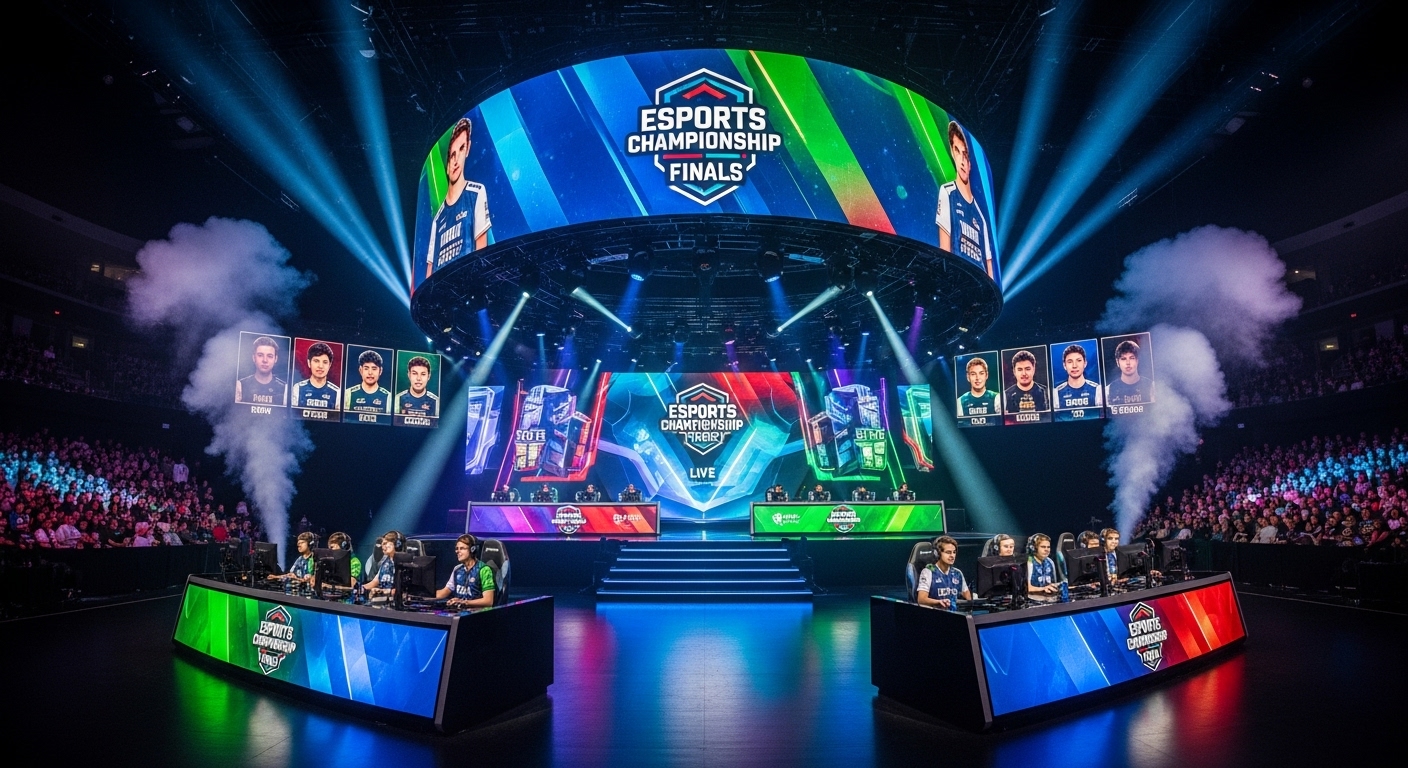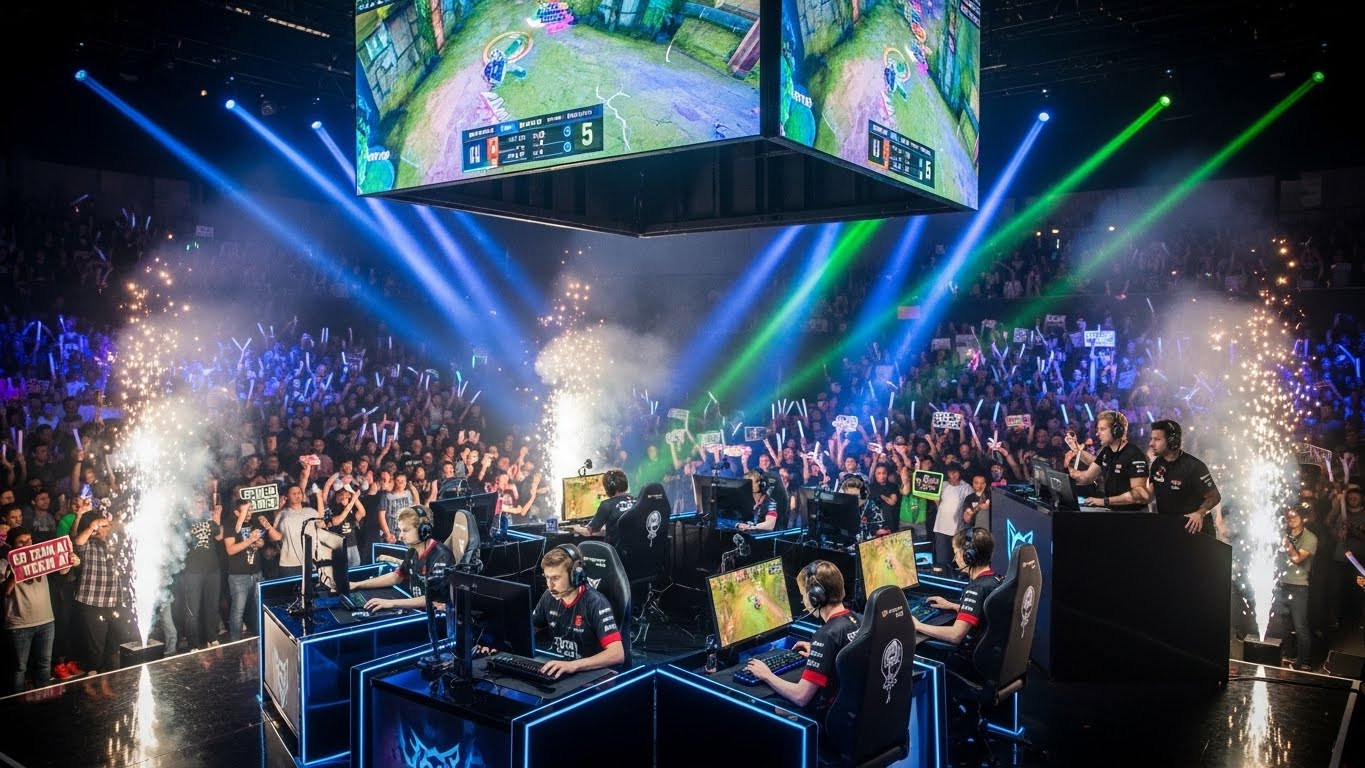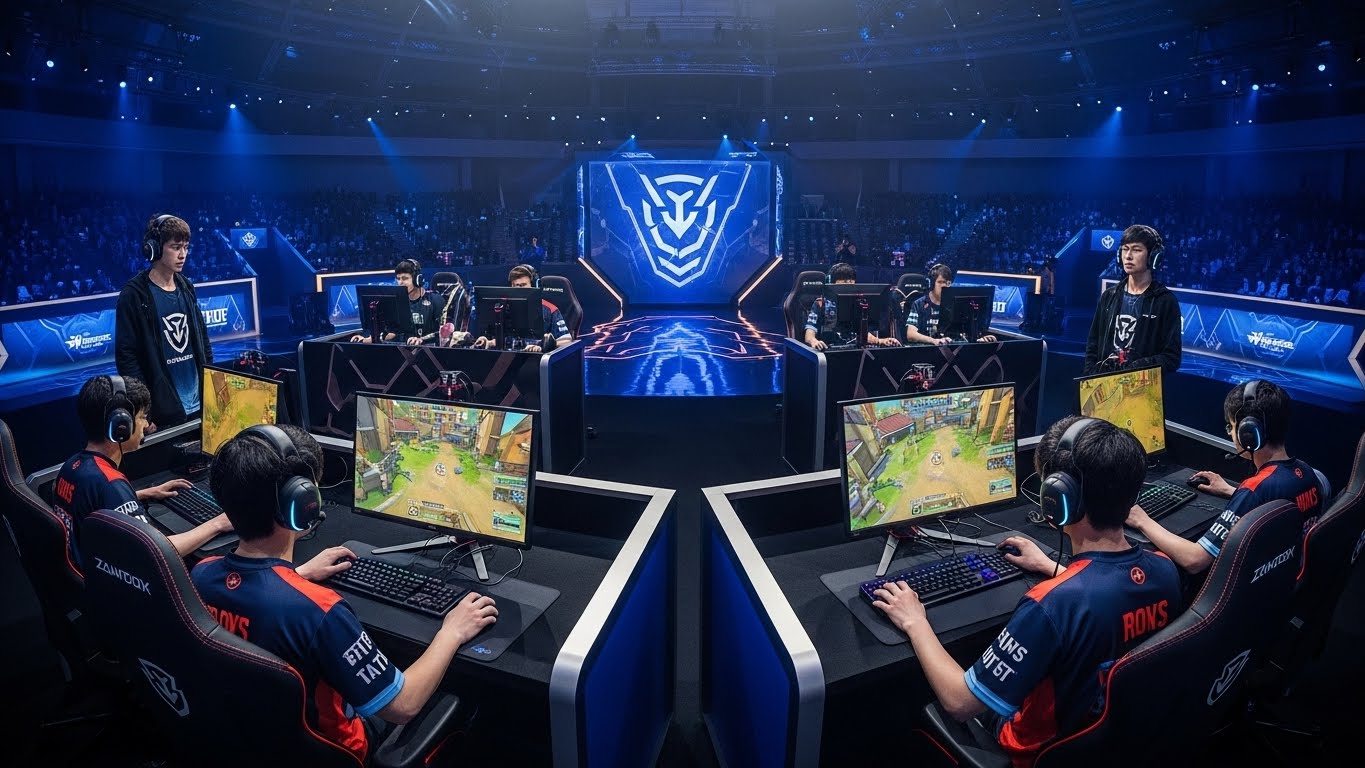
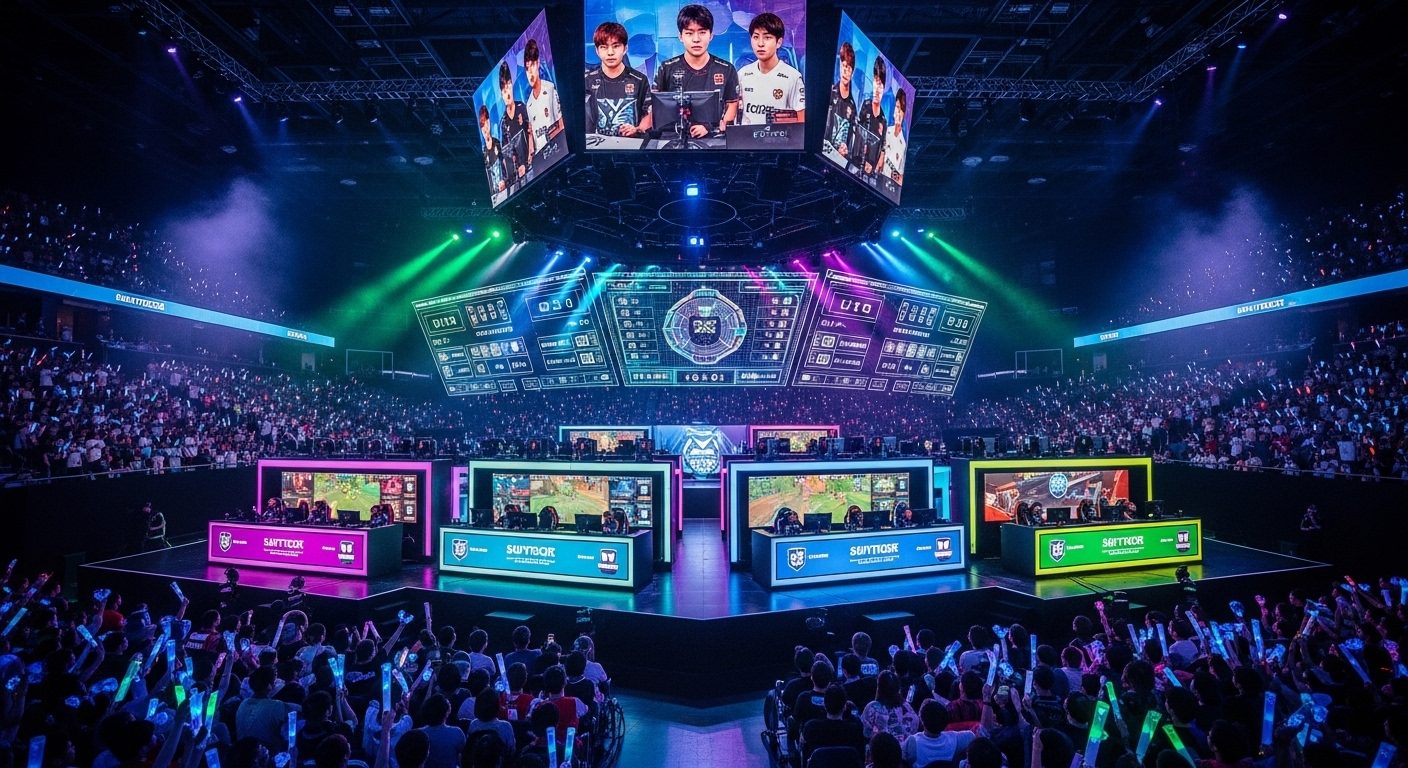
The world of competitive gaming, also known as esports, has experienced an explosive rise over the past two decades. What once began as small-scale local competitions among passionate gamers has grown into a global industry with millions of fans, professional teams, and massive prize pools. Today, esports is more than just a pastime; it’s a legitimate sport, offering exciting career opportunities and redefining the future of entertainment. In this blog post, we’ll explore how esports has evolved, its cultural impact, and what the future holds for this fast-growing industry.
The Early Days: From Arcades to Online Competitions
The roots of esports trace back to the 1970s and 1980s when arcade games like Pong and Space Invaders attracted competitive players looking to prove their skills. These early gaming competitions were simple, often involving high score battles among friends or local communities. However, the evolution of technology in the 1990s opened the door for more complex competitive gaming.
The launch of multiplayer online games like Quake in the mid-1990s created a new era for esports. Quake tournaments began to take shape in North America and Europe, attracting a dedicated fanbase. By the late 1990s, esports began to gain traction in South Korea, with games like StarCraft turning into national pastimes. In fact, South Korea is often credited as the birthplace of modern esports, where professional players gained celebrity status and the government supported the establishment of esports leagues and television broadcasts.
The Rise of Professional Leagues: Esports Becomes Mainstream
By the early 2000s, the landscape of competitive gaming was undergoing a dramatic transformation. Esports moved from a hobbyist-driven niche to a fully organized, commercialized industry. One of the pivotal moments in this evolution was the formation of global esports tournaments and leagues, such as the World Cyber Games (WCG) and the Electronic Sports World Cup (ESWC), which attracted participants from around the world.
During this time, professional gaming teams began to emerge, each focusing on specific titles like Warcraft III, Counter-Strike, and StarCraft. These teams trained players to compete at the highest level, and sponsorships from big-name companies, such as Intel and Red Bull, began to pour in, signaling a shift towards professionalization. The prize pools for major tournaments began to grow, and esports players started to be recognized as serious athletes, complete with salaries, contracts, and endorsements.
By the 2010s, esports had truly gone global. Titles like League of Legends, Dota 2, and Overwatch were launched, bringing esports to an even wider audience. The League of Legends World Championship, The International (Dota 2), and Overwatch League became flagship events, attracting millions of viewers across streaming platforms like Twitch, YouTube, and Facebook Gaming.
Esports as Entertainment: Streaming, Content Creation, and Fan Engagement
One of the driving forces behind esports’ growth has been the rise of streaming platforms. Services like Twitch have transformed how fans interact with esports content. Now, viewers can watch live competitions, engage with players, and even participate in events through fan voting, live chats, and social media interactions. These platforms have made it easier for fans to be part of the action, creating a sense of community that traditional sports never quite matched.
Streaming also paved the way for content creators to carve out their own niche in the esports ecosystem. Gamers and streamers like Ninja (Tyler Blevins), Shroud (Michael Grzesiek), and Pokimane (Imane Anys) have become household names, building massive followings and creating partnerships with esports organizations and major brands. Many of these creators also participate in tournaments, further blurring the lines between casual content creation and professional gaming.
Additionally, esports organizations have become full-fledged entertainment entities, developing their own media outlets, merchandise lines, and fan events. Teams such as Cloud9, T1, and FaZe Clan are not just about players—they have become global brands with significant influence over digital culture. Esports has transitioned from being “just gaming” to a major component of the broader entertainment industry, comparable to music, film, and traditional sports.
The Business of Esports: Sponsorships, Prize Money, and Global Reach
Today, esports is a multi-billion-dollar industry, and the business side of the sport continues to grow at an impressive rate. Prize pools for major esports tournaments can reach into the tens of millions, with The International offering some of the largest prizes in the history of competitive sports. The increase in financial backing has led to larger, more elaborate events, often held in massive arenas with tens of thousands of attendees.
Corporate sponsorships play a huge role in funding tournaments, teams, and leagues. Major brands like Coca-Cola, Mercedes-Benz, and Nike have all jumped on board, recognizing the value of the esports audience, which is young, tech-savvy, and highly engaged. In fact, many companies see esports sponsorships as essential for connecting with Gen Z and millennial consumers, making esports a vital part of their marketing strategies.
The global nature of esports further amplifies its commercial potential. Tournaments and events now attract audiences from every corner of the globe, with viewers tuning in from countries like the United States, China, South Korea, and Brazil. Esports is one of the few forms of entertainment that transcends language barriers, as fans around the world can enjoy watching the same events, no matter where they are located. This global reach is a key factor in esports’ growth as a profitable industry.
The Cultural Impact: Gaming, Identity, and Community
Esports has not only transformed the way we view gaming but also the way gaming intersects with culture and identity. For many fans, esports has become an essential part of their identity, with teams and players becoming beloved figures and sources of inspiration. Major esports events draw in thousands of fans to stadiums, while millions more watch the action from home, participating in the community experience via social media and streaming platforms.
Beyond just entertainment, esports has become a platform for people to connect and form meaningful relationships. The rise of esports leagues in schools and universities has also made gaming a social activity, providing young people with a sense of belonging and a space to develop skills. Esports fosters teamwork, strategy, and problem-solving, skills that are valuable both in-game and in life.
Moreover, esports has been a catalyst for social change, particularly in the realm of inclusivity. With diverse teams and players representing different ethnicities, genders, and backgrounds, esports has become a more inclusive environment compared to many traditional sports. Women, in particular, are making a significant impact in esports, with female players and teams gaining more recognition and support.
The Future of Esports: Expanding Horizons and New Opportunities
Looking toward the future, the potential for esports is vast. With the rise of virtual reality (VR) and augmented reality (AR), we could soon see new forms of competitive gaming that take immersion and interactivity to new levels. VR could provide an entirely new dimension to esports, allowing players to compete in fully immersive digital worlds while spectators experience the action from unique perspectives.
The growth of mobile gaming is another factor that will shape the future of esports. With the accessibility of smartphones and mobile apps, games like PUBG Mobile and Mobile Legends are quickly gaining popularity, especially in regions like Southeast Asia. This accessibility will only expand the reach of esports, allowing players from diverse backgrounds to participate in the competitive gaming scene.
Esports may also continue to find its place in the mainstream, potentially becoming a part of major events like the Olympics. The debate around the inclusion of esports in the Olympic Games is ongoing, but as esports continues to mature, it could eventually be seen alongside traditional sports in global competitions.
Conclusion: Esports is the Future of Competitive Entertainment
Esports has evolved from its humble beginnings into one of the most dynamic and profitable industries in the world. The growth of esports is driven by passionate players, dedicated fans, and a growing ecosystem of sponsors, content creators, and global events. As esports continues to innovate and reach new audiences, it’s clear that the digital revolution in competitive gaming is just beginning.
For players, fans, and businesses alike, esports represents a new frontier of entertainment—one that offers boundless opportunities for growth, connection, and cultural exchange. Whether you’re a seasoned gamer or a casual viewer, there’s no denying that esports is here to stay, and its impact on the world of sports and entertainment will only continue to grow in the years to come.