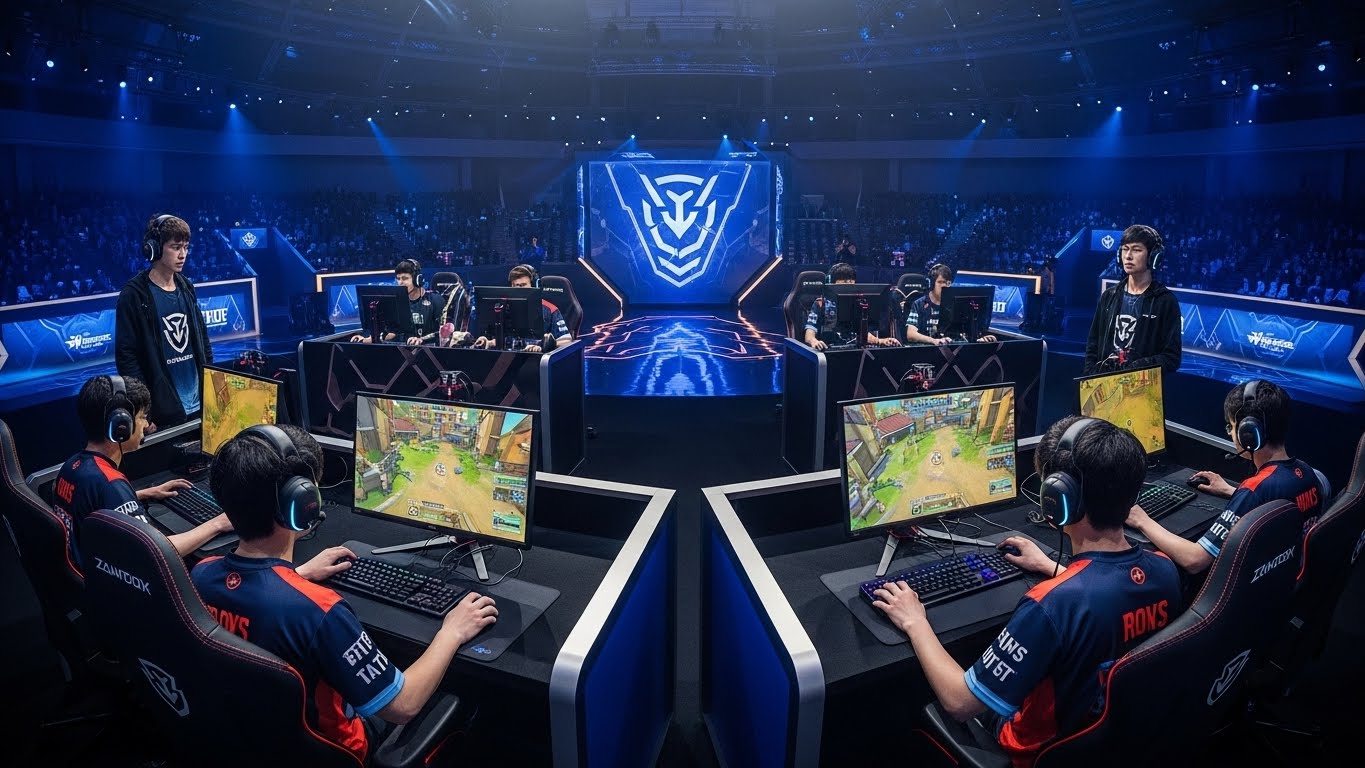

Esports has grown from a niche hobby into a global entertainment and sports industry over the past few decades. What began as casual competitions among friends in arcades and small gatherings has evolved into a billion-dollar industry attracting millions of viewers, players, and sponsors worldwide. Esports combines skill, strategy, teamwork, and entertainment, creating a form of competition that rivals traditional sports in excitement and engagement.
Competitive gaming is more than just playing video games. It represents a cultural movement, a professional career path, and an entertainment medium that captivates people of all ages. This blog explores the evolution of esports, its major games and genres, professional players and teams, tournaments, the role of streaming, economic and cultural impact, challenges, educational influence, and the future of this dynamic industry.
The Origins of Esports
The roots of esports can be traced back to the late 1970s and early 1980s, the era of the first arcade video games. Titles like Space Invaders, Pac-Man, and Donkey Kong became worldwide sensations, and players began competing for high scores. Arcades served as community centers where gamers could challenge one another and gain recognition for their skills.
One of the earliest large-scale gaming competitions was the 1980 Space Invaders Championship hosted by Atari, which attracted thousands of players from across the United States. This event highlighted the potential of competitive gaming to draw large audiences and cultivate a sense of community.
In the 1980s and 1990s, as home consoles became more popular, competitive gaming shifted from public arcades to private homes. Games such as Street Fighter, Mortal Kombat, and Super Mario Kart introduced head-to-head competition that laid the foundation for the organized esports tournaments we see today. These early competitions emphasized skill, strategy, and entertainment, which remain core elements of modern esports.
The Internet Revolution and the Growth of Esports
The 1990s brought significant changes with the rise of personal computers and internet connectivity. Online multiplayer games allowed players to compete globally rather than being limited to local networks. Titles such as StarCraft, Quake, and Counter-Strike became prominent in competitive gaming because they offered depth, strategy, and replayability in online environments.
South Korea became a major hub for professional esports during this period. StarCraft: Brood War gained massive popularity, leading to the establishment of professional leagues, government support, and dedicated esports infrastructure. PC bangs, or internet cafes, provided spaces where players could practice, socialize, and compete regularly. South Korea demonstrated that esports could be professionalized and supported at a national level, inspiring other regions to follow suit.
By the early 2000s, esports began entering mainstream awareness. Television coverage, online media, and sponsorship deals expanded the audience, and professional teams began to form. This period marked the transformation of competitive gaming into an industry with career opportunities, fan engagement, and commercial potential.
Key Esports Genres and Games
Esports encompasses a variety of genres, each with distinct gameplay mechanics, strategies, and fan communities. The diversity of games ensures that competitive gaming appeals to a wide audience.
Multiplayer Online Battle Arenas (MOBAs): League of Legends and Dota 2 dominate this category. Players control unique characters with different abilities and work together to destroy the opposing team’s base. MOBAs require teamwork, strategy, and fast decision-making, making them engaging for both players and spectators.
First-Person Shooters (FPS): Games such as Counter-Strike: Global Offensive, Overwatch, and Call of Duty emphasize precision, reflexes, and tactical strategy. FPS games are fast-paced and visually dynamic, providing intense competitive experiences.
Battle Royale Games: Titles like Fortnite and PUBG introduced large-scale survival competitions. Players or teams compete in shrinking arenas, requiring adaptability, skill, and strategic thinking. Battle royale games combine competition with entertainment and are particularly popular among younger audiences.
Fighting Games: Street Fighter, Tekken, and Super Smash Bros. emphasize individual skill, timing, and strategic thinking. Fighting games foster passionate communities and legendary rivalries that are central to esports culture.
Sports and Racing Simulations: FIFA, NBA 2K, and Gran Turismo allow players to compete in digital versions of traditional sports. These games bridge the gap between conventional sports and esports, attracting both casual players and professional athletes.
Professional Players and Teams
Professional esports players are central to the industry. Unlike traditional athletes, they rely primarily on mental agility, reflexes, strategy, and teamwork rather than physical strength. The demands are rigorous, often involving extensive practice, team coordination, and media engagement.
Famous players like Faker in League of Legends, s1mple in CS:GO, and Bugha in Fortnite have achieved global recognition. Their skill, dedication, and personalities make them influential figures in gaming culture. These players are not only competitors but also entertainers and role models.
Esports teams operate like traditional sports franchises, providing coaching, analysis, and support for players. Teams like Team Liquid, Fnatic, and T1 maintain branding, secure sponsorships, and engage with fans, demonstrating the business and entertainment dimensions of esports.
Iconic Esports Tournaments
Tournaments are the cornerstone of esports, offering high-stakes competition and global entertainment.
The International (Dota 2): Known for its massive prize pools, often exceeding tens of millions of dollars, The International attracts the best Dota 2 teams worldwide. Its production quality, fan engagement, and competitive intensity make it a premier esports event.
League of Legends World Championship: Featuring the top teams from regional leagues, this annual event draws millions of viewers globally. Its cinematic openings and high-level competition make it a showcase of skill and entertainment.
CS:GO Majors: Counter-Strike tournaments emphasize precision, tactics, and team coordination. Majors are prestigious events that highlight the longevity and competitive depth of the game.
Fortnite World Cup: Combining massive prize pools, celebrity participation, and global fan engagement, Fortnite tournaments demonstrate esports’ mainstream appeal and cultural relevance.
Tournaments offer more than competition; they are entertainment spectacles with professional commentary, stage production, and fan interaction, creating immersive experiences for audiences worldwide.
The Role of Streaming Platforms
Streaming platforms like Twitch, YouTube Gaming, and Facebook Gaming have transformed esports by making competitions accessible globally. Fans can watch live gameplay, follow favorite players, and engage with communities through chat and interactive content.
Streaming turns players into personalities, content creators, and entertainers. Fans can watch tutorials, highlights, and practice sessions, fostering loyalty and community engagement. Streaming also democratizes esports, allowing new players and creators to gain visibility without relying on traditional media. Global accessibility ensures diverse and connected communities.
Economic Impact of Esports
Esports has evolved into a multi-billion-dollar industry. Revenue comes from tournaments, sponsorships, media rights, merchandise, content creation, and streaming. Major brands invest in esports to reach younger demographics, while traditional sports organizations enter the scene by sponsoring teams and events.
Prize pools for top tournaments continue to grow, attracting elite talent and increasing competition standards. The industry also creates jobs in media production, marketing, event management, coaching, and game development. However, challenges remain, including market saturation, player burnout, and the need for regulatory frameworks to ensure fair competition and sustainable growth.
Cultural Significance of Esports
Esports has become a cultural phenomenon, influencing fashion, social media, fan art, and content creation. Gaming slang, cosplay, and memes are integrated into mainstream culture. Competitive gaming challenges traditional notions of sport, emphasizing mental skill, strategy, and reflexes as critical components of competition.
Esports promotes inclusivity and diversity. Players from all backgrounds, genders, and nationalities can compete on a global stage. Online communities foster social interaction and collaboration, allowing fans to share experiences, celebrate victories, and engage with like-minded individuals.
Educational Influence of Esports
Educational institutions increasingly recognize esports as a tool for learning and skill development. Schools and universities offer esports programs, scholarships, and courses in game design, media production, marketing, and event management. These programs teach teamwork, leadership, communication, and digital literacy.
Esports education encourages problem-solving, strategic thinking, and creativity. Students gain exposure to professional practices, tournament organization, and content creation, preparing them for careers in the gaming industry and related fields.
Challenges Facing Esports
Despite its growth, esports faces several challenges. Player burnout and mental health concerns are prevalent due to long practice hours, high-pressure competitions, and media obligations. Managing stress and balancing professional and personal life are essential.
Cheating, hacking, and unethical behavior threaten the integrity of competitions. Gender representation and online harassment remain ongoing concerns. Legal and financial complexities, such as contracts, intellectual property, and international regulations, also require careful management. Addressing these challenges is crucial for sustaining the industry’s credibility and growth.
The Future of Esports
The future of esports is promising and full of innovation. Emerging technologies such as virtual reality, augmented reality, and artificial intelligence will create immersive gameplay and interactive viewing experiences. Fans may be able to influence matches or participate virtually, enhancing engagement.
Esports will increasingly intersect with mainstream entertainment and traditional sports, creating hybrid events and cross-media experiences. Educational programs will continue to cultivate talent, professionalize the industry, and expand career opportunities.
Global accessibility, technological advancement, and cultural relevance ensure esports remains a dominant form of entertainment, bridging competition, creativity, and community engagement.
Conclusion
Esports has transformed from casual arcade competitions to a global phenomenon, captivating millions of fans and providing career opportunities for professional players. It combines skill, strategy, teamwork, and entertainment in a way that rivals traditional sports.
Professional leagues, tournaments, streaming platforms, and sponsorships have solidified esports as a legitimate industry. Its cultural impact, educational influence, and economic significance demonstrate that esports is more than gaming; it is a global movement shaping modern entertainment and competition.
From high-score competitions in arcades to international tournaments with multi-million-dollar prize pools, esports represents innovation, dedication, and the power of technology to unite communities. The future of esports promises immersive experiences, global engagement, and continued growth, making it one of the most exciting and influential forms of entertainment today.
Esports is no longer just gaming; it is a lifestyle, a cultural force, and a testament to human creativity and competitive spirit.