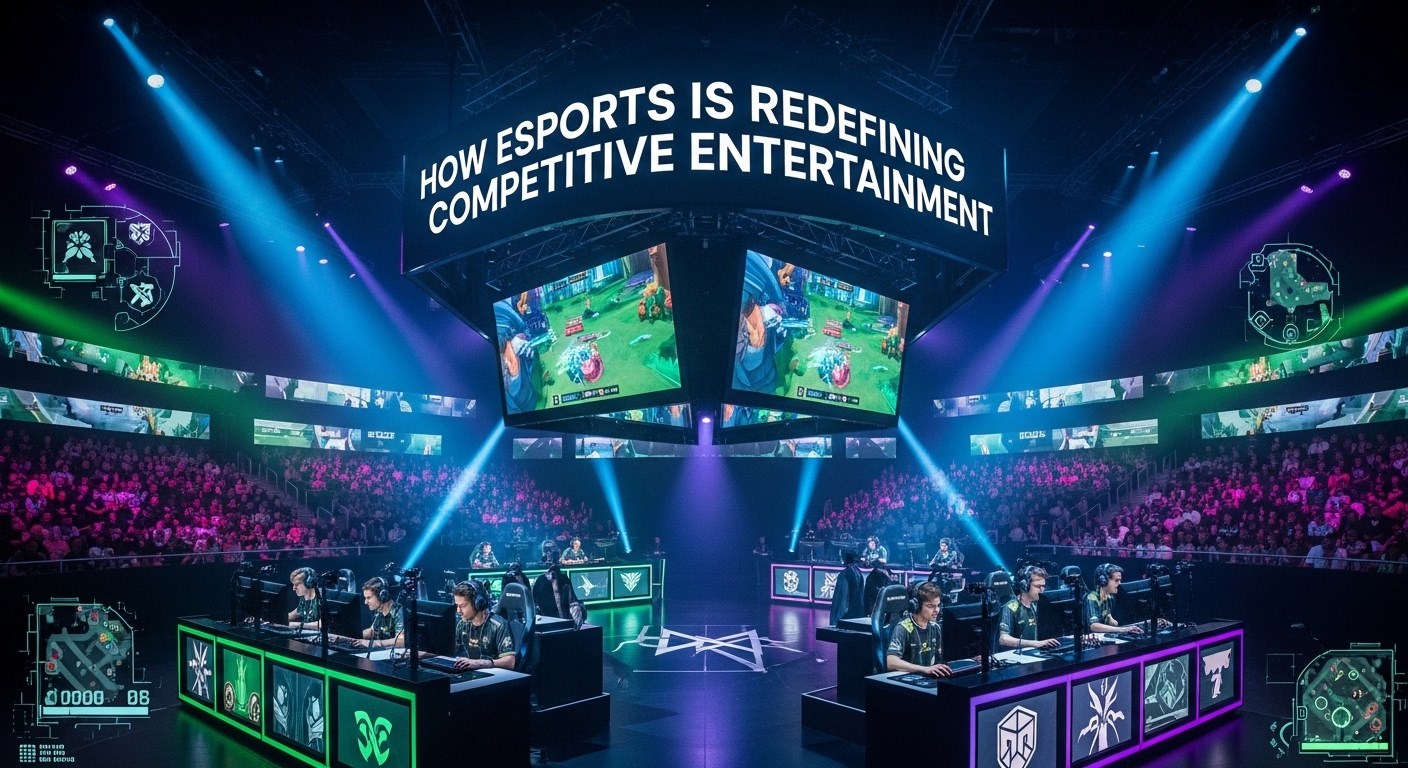
Esports, the world of competitive video gaming, has evolved from a niche pastime into a global phenomenon that rivals traditional sports in popularity, audience engagement, and economic impact. What started as casual competitions among friends has now transformed into a professional industry with international tournaments, million-dollar prize pools, and millions of dedicated fans. Beyond entertainment, esports has influenced technology, education, careers, and social connections, creating a new paradigm for competition and community in the digital era. This blog explores the rise of esports, its impact on players and society, and the challenges and opportunities it presents.
The Origins of Esports
Esports’ roots trace back to the late 1970s and early 1980s when video games first became widely accessible. Early gaming competitions took place in arcades, featuring popular titles such as Space Invaders and Pac-Man. These events set the foundation for organized competitive gaming and inspired players to compete for recognition and prizes.
The 1990s saw the emergence of networked gaming, with games like StarCraft, Quake, and Counter-Strike allowing players to compete online. These early competitions helped foster global gaming communities and established the framework for professional esports leagues. With the rise of high-speed internet and streaming platforms in the 2000s, esports transformed into a widely accessible entertainment industry, reaching audiences worldwide.
The Rise of Professional Esports Careers
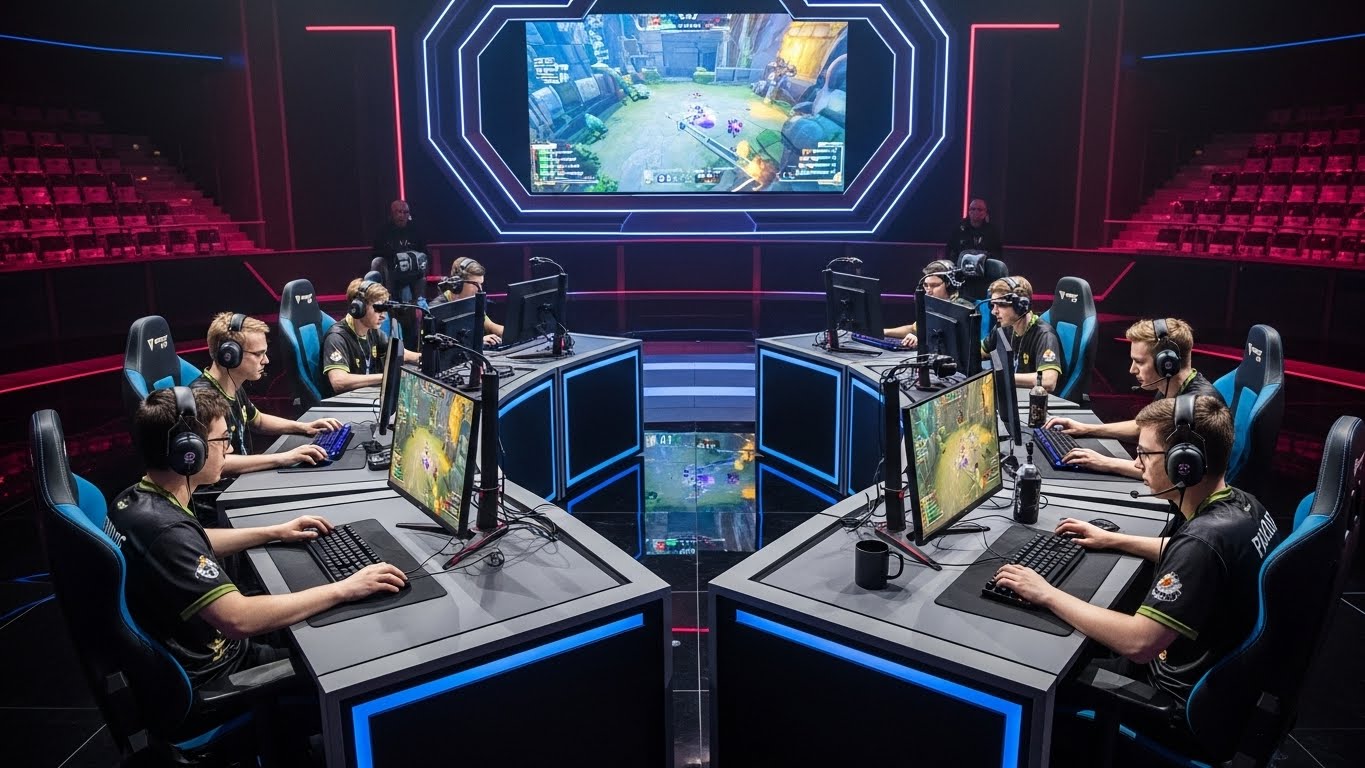
Contrary to common misconceptions, professional esports players are far from casual gamers. Their daily routines often mirror those of traditional athletes, with hours of practice, strategy development, and team coordination. Reflexes, precision, and strategic thinking are critical, but mental resilience and focus are equally important.
Professional teams employ coaches, analysts, nutritionists, and psychologists to optimize performance. Maintaining physical health through exercise, proper sleep, and nutrition is essential to withstand the mental demands of competitive gaming. While many players retire from active competition in their mid-twenties, opportunities exist in coaching, streaming, management, and content creation, ensuring a sustainable career path within the industry.
Popular Esports Genres and Titles
Esports encompasses a wide variety of genres, each requiring distinct skills and strategies. Multiplayer Online Battle Arena (MOBA) games like League of Legends and Dota 2 focus on teamwork, long-term strategy, and in-game resource management. First-Person Shooter (FPS) games such as Counter-Strike: Global Offensive and Valorant demand quick reflexes, accuracy, and tactical awareness. Battle Royale titles like Fortnite and Apex Legends emphasize adaptability, survival skills, and rapid decision-making.
Each genre cultivates its own competitive environment and fanbase, giving players a platform to specialize according to their strengths. This diversity has helped esports appeal to a broad audience and created opportunities for varied competitive experiences.
The Role of Streaming Platforms
Streaming platforms have revolutionized esports by connecting players with fans globally. Platforms allow gamers to broadcast live matches, interact with audiences, and develop personal brands. Many professional players and content creators earn substantial income through subscriptions, donations, sponsorships, and advertising, making streaming a viable career in itself.
Online communities surrounding esports also foster collaboration, knowledge-sharing, and fan engagement. Players exchange strategies, organize tournaments, and celebrate in-game achievements. These platforms help cultivate a sense of belonging and global community, reinforcing esports’ cultural significance.
Cognitive and Mental Benefits of Esports
While esports is sometimes criticized for promoting sedentary behavior, competitive gaming offers notable cognitive and mental benefits. Fast-paced gameplay enhances problem-solving skills, strategic thinking, multitasking ability, and hand-eye coordination. Players develop heightened spatial awareness and quick decision-making skills, which can be valuable in both professional and academic contexts.
Team-based games further promote collaboration, communication, and leadership. Players must analyze opponents’ strategies, adapt tactics in real-time, and coordinate with teammates effectively. For younger participants, esports also fosters creativity and technological literacy, preparing them for a world increasingly influenced by digital innovation.
Esports as a Social Connector
One of esports’ most remarkable aspects is its ability to connect individuals globally. Players and fans from different countries can compete and interact in real-time, creating a shared experience that transcends geography, language, and physical ability. Unlike traditional sports, esports allows people of diverse backgrounds and abilities to participate on equal footing.
Local and online tournaments, streaming communities, and fan events foster social connections and mentorship. Many esports enthusiasts form lasting friendships through shared interests, and the collaborative nature of team-based games nurtures communication and cooperation skills. Esports has thus become a powerful medium for building global communities.
Economic Impact of Esports
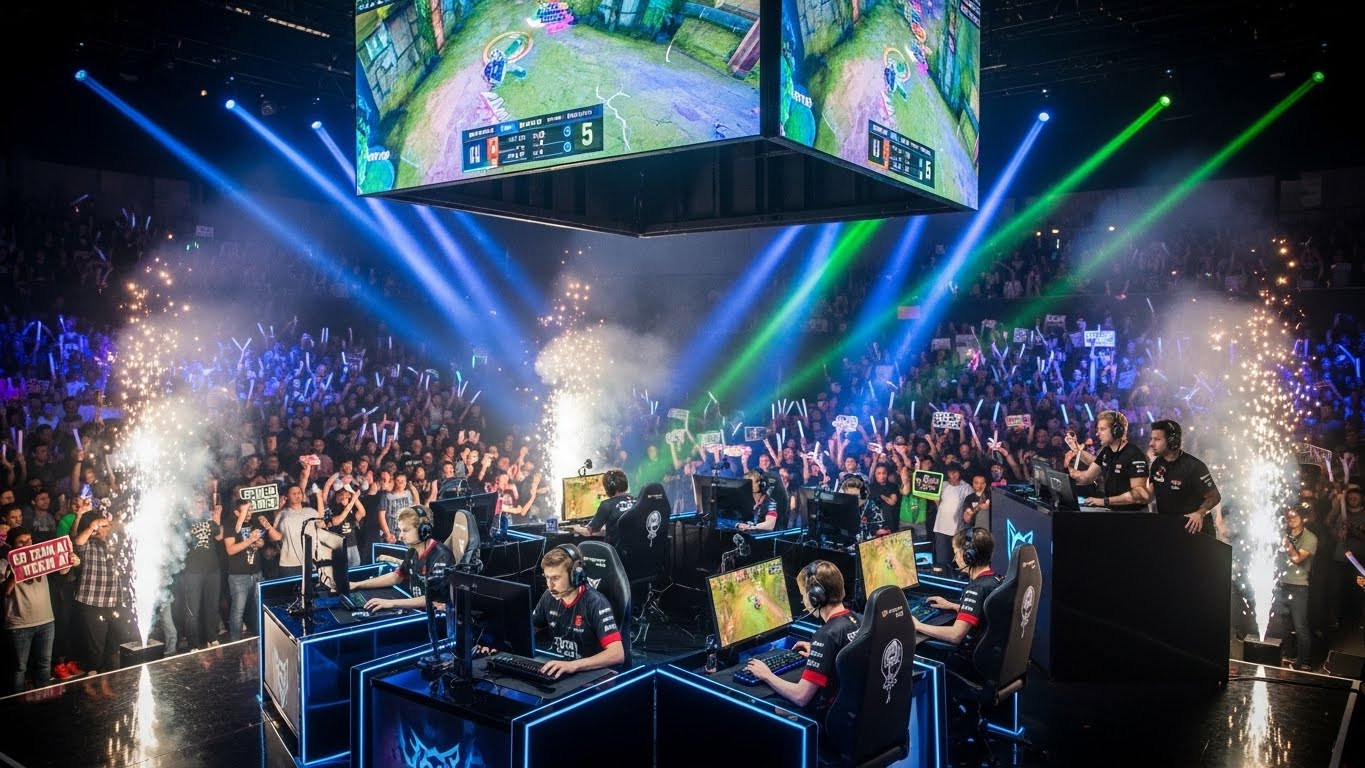
The esports industry has become a multibillion-dollar market, generating revenue from multiple streams including sponsorships, media rights, ticket sales, merchandising, and streaming. Corporate sponsors, ranging from technology companies to apparel brands, have invested heavily in teams, tournaments, and esports infrastructure.
The industry has also created diverse career opportunities beyond playing games. Analysts, coaches, event organizers, content creators, and marketers now thrive within esports. Universities and colleges have introduced programs in esports management, broadcasting, and game design, preparing students for a rapidly growing sector. The economic significance of esports demonstrates its legitimacy as a professional and sustainable industry.
Educational and Career Opportunities
Esports is increasingly being recognized as a pathway for education and career development. Students can pursue courses in game design, digital media, esports management, and broadcasting, gaining skills in marketing, strategy, event coordination, and communication. Esports also fosters entrepreneurship, offering revenue streams through streaming, content creation, tournament organization, and sponsorship deals.
Participation in esports programs cultivates teamwork, leadership, critical thinking, and problem-solving—skills applicable in diverse professional environments. By merging technology, creativity, and competition, esports offers a unique platform for skill development and career advancement.
Challenges Facing the Esports Industry
Despite its success, esports faces several challenges. Mental health issues, such as burnout, anxiety, and stress, are prevalent due to long practice hours and high-performance demands. Providing access to psychological support, wellness programs, and balanced training schedules is essential for the well-being of players.
Cheating, hacking, and unfair play pose additional threats, necessitating sophisticated anti-cheat technologies and strict regulations. Gender inequality also remains a concern, with women underrepresented in professional leagues and often subjected to harassment. Promoting inclusivity and fairness is critical for sustaining esports’ growth.
Cultural Significance of Esports
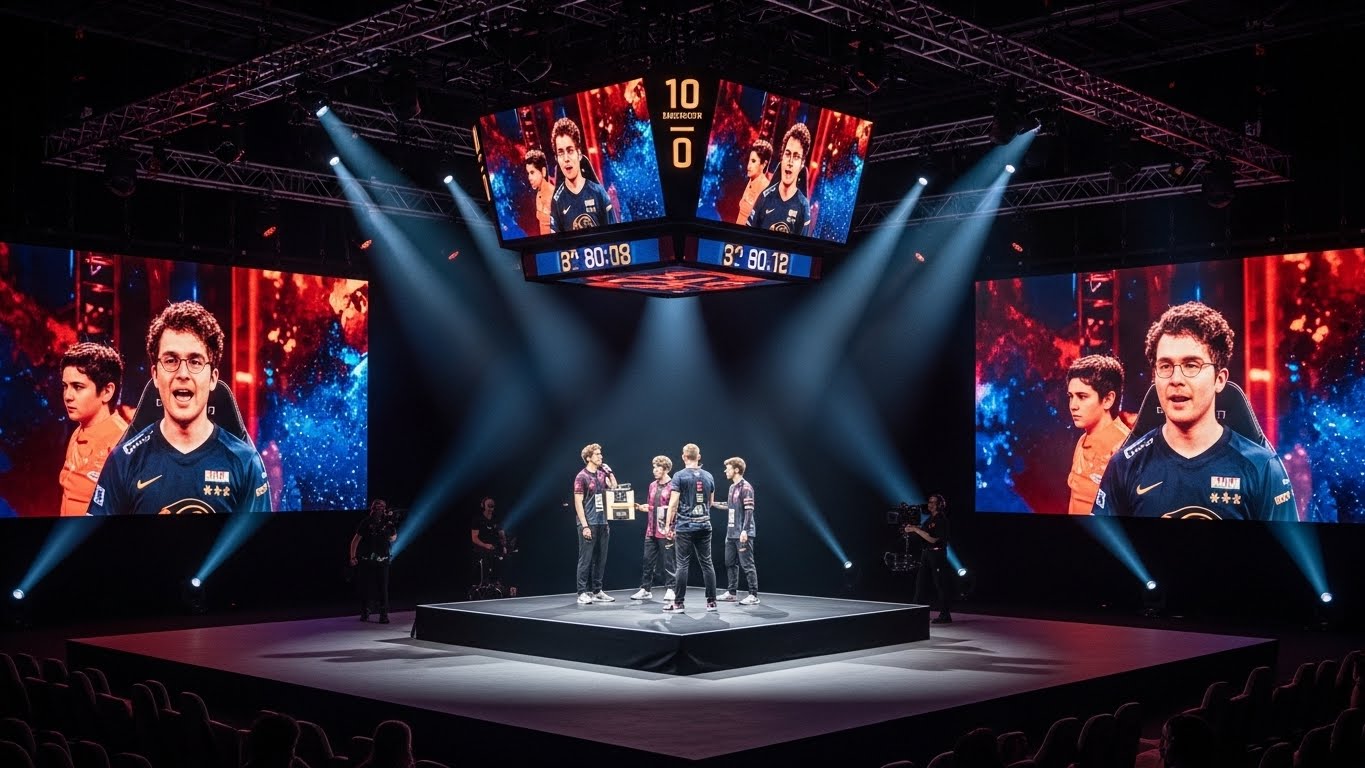
Esports has significantly influenced contemporary culture. Streamers and professional players have become celebrities, shaping fashion, entertainment, and lifestyle trends. Memes, fan art, and community-driven content highlight the cultural creativity surrounding competitive gaming.
The industry encourages innovation, collaboration, and creativity. Players develop strategies, produce media content, and participate in fan-driven activities that extend beyond the game itself. Esports is thus both a cultural phenomenon and a platform for artistic and social expression.
The Future of Esports
The future of esports is poised for continued growth, driven by technological innovation and global interest. Virtual reality, augmented reality, and cloud gaming are creating more immersive and interactive experiences. Integration with traditional sports, education, and mainstream media is likely to increase, further establishing esports as a permanent fixture in global culture.
International recognition is expanding as well, with esports considered for inclusion in major multi-sport events. Countries are investing in infrastructure, training programs, and competitive leagues, indicating that esports will continue to redefine the boundaries of competition and community in the digital era.
Conclusion: Esports as a Digital Phenomenon
Esports is more than competitive gaming; it is a transformative movement that combines skill, strategy, and creativity while fostering global communities. It provides cognitive, social, and economic benefits, creating opportunities for personal growth, career development, and cultural influence.
From amateur players competing online to professional athletes participating in world-class tournaments, esports represents a new form of competition that challenges traditional definitions of sports. It celebrates human potential, nurtures collaboration, and connects individuals across the globe. Esports is not merely a game—it is a reflection of modern society, a platform for innovation, and a testament to the power of digital technology to unite people.