Introduction: A New Era in Gaming
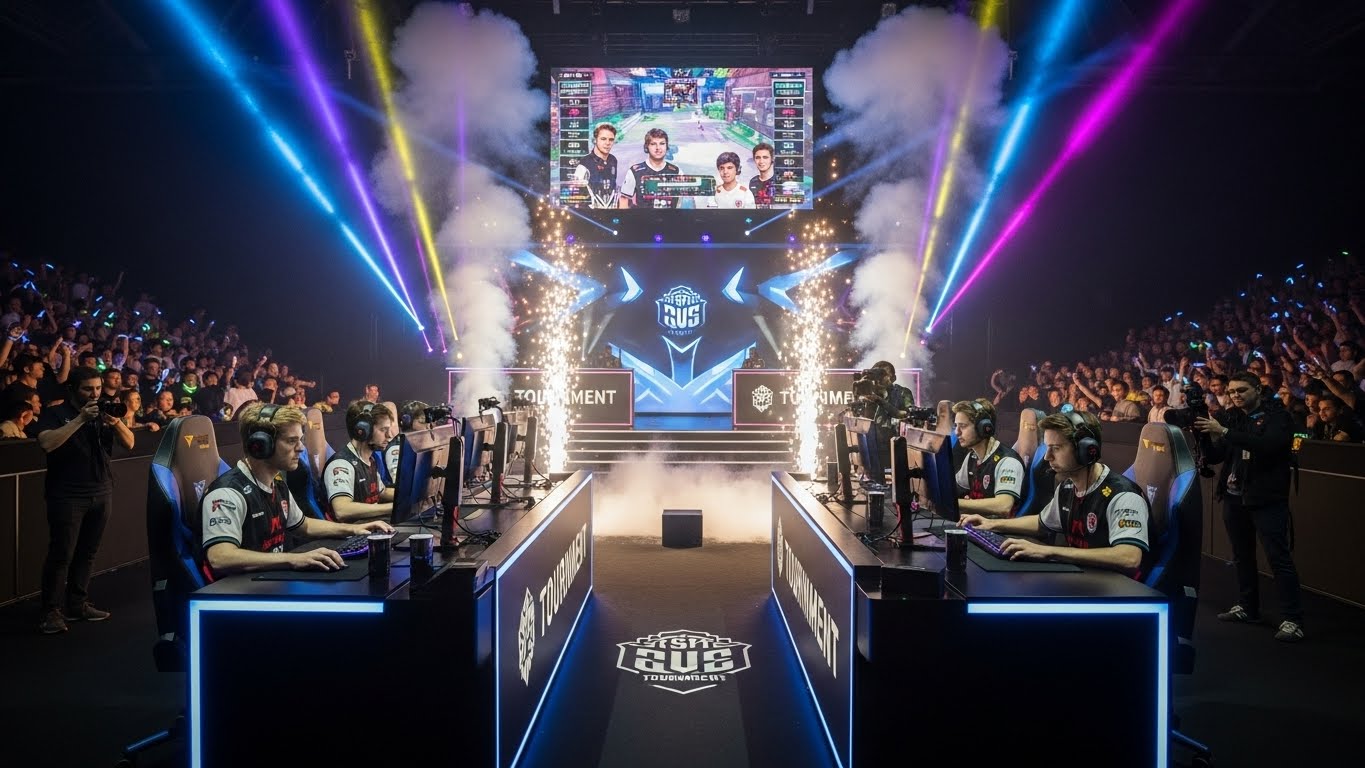
Esports, once a niche pastime, has grown into a global phenomenon that is transforming the world of competitive entertainment. What began as local LAN parties and small-scale tournaments has now become a multi-billion-dollar industry with professional leagues, global events, and a massive online following. With millions of viewers tuning in to watch top-tier competitions, esports is no longer a trend—it’s a mainstream entertainment powerhouse. This blog explores the rapid growth of esports, its impact on traditional sports, and the cultural shift it’s creating in the world of gaming and beyond.
The Origins and Growth of Esports
The story of esports can be traced back to the early days of video gaming. In the 1990s, competitive gaming was largely confined to small-scale tournaments and local competitions. However, as online multiplayer games like StarCraft, Quake, and Warcraft gained popularity, the idea of competing against players from around the world began to take root. These games allowed players to test their skills in a virtual arena, creating a sense of competition that was unlike anything seen before.
By the mid-2000s, the rise of broadband internet and streaming platforms like Twitch created an ecosystem where esports could thrive. Major tournaments began attracting large audiences, both online and in-person, and top players became celebrities in their own right. Games like League of Legends, Dota 2, and Counter-Strike: Global Offensive (CS: GO) formed the backbone of the esports industry, offering a mix of strategy, action, and skill-based gameplay that kept fans hooked.
As sponsorships grew and more money poured into esports, the industry began to take on a professional structure similar to traditional sports. Teams emerged, players signed contracts, and tournaments began offering multi-million-dollar prize pools. What was once a niche interest became a billion-dollar global industry, attracting major investments from tech giants, sports organizations, and entertainment companies.
The Esports Ecosystem: Players, Teams, and Leagues
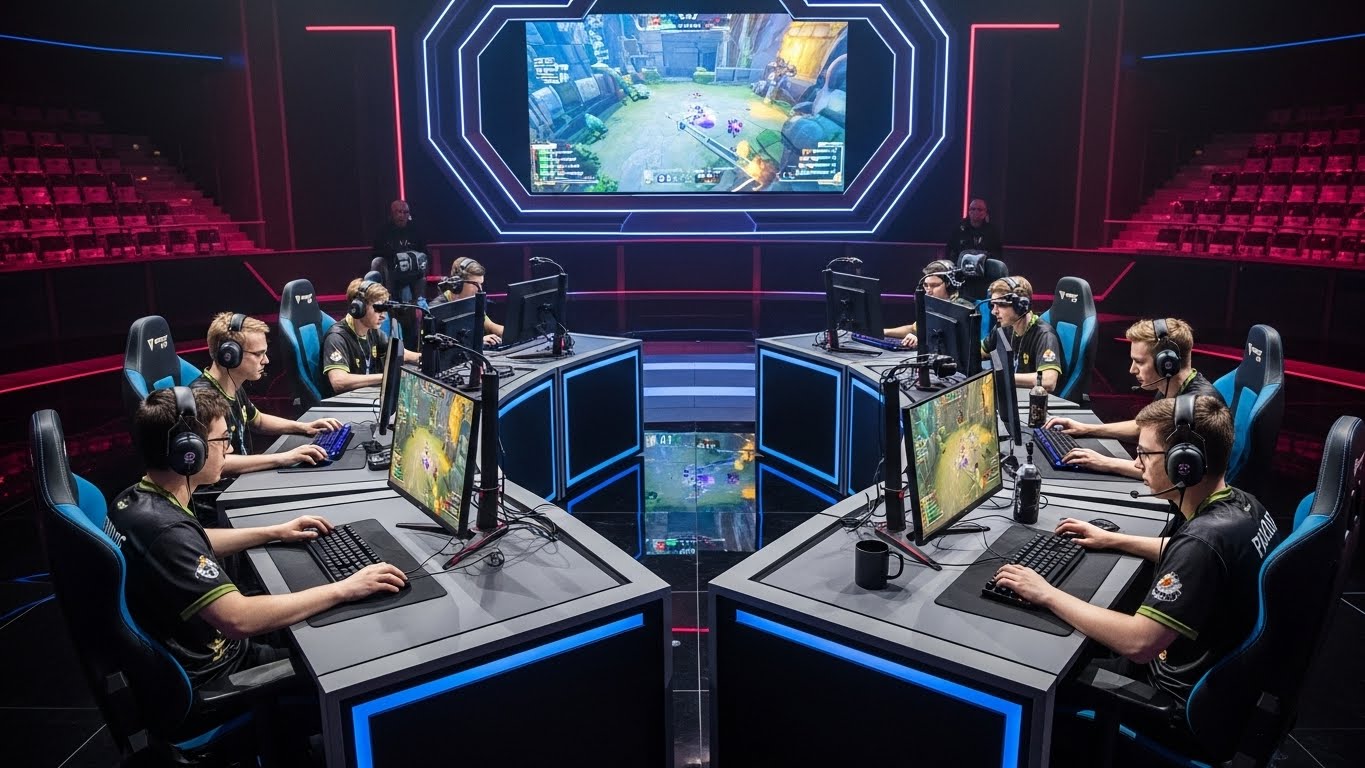
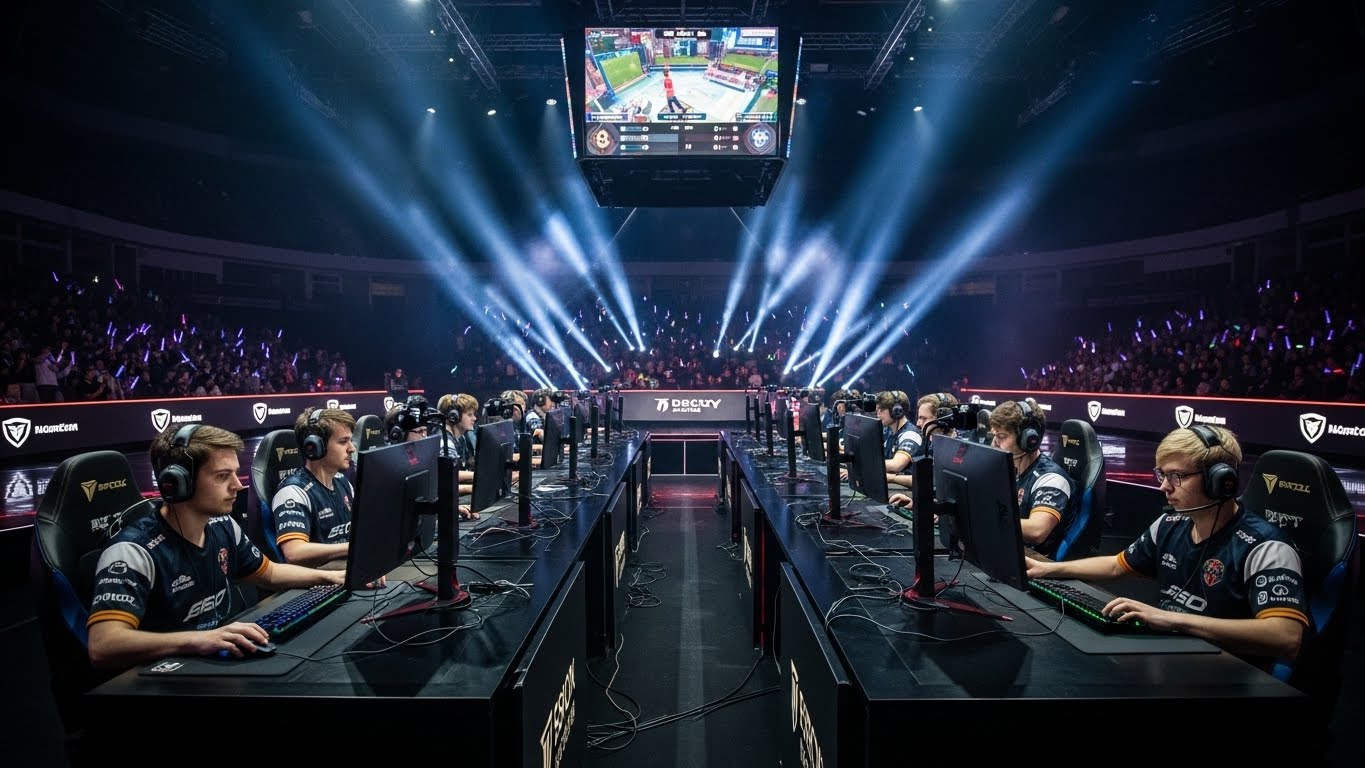
One of the driving forces behind the success of esports is its well-structured ecosystem. Just like traditional sports, esports operates with a system of professional leagues, tournaments, and player teams. These competitions are held year-round, with major events culminating in world championships. The format typically consists of team-based competitions, although individual games like Street Fighter and Fortnite have also gained significant popularity.
Top-tier esports players compete in a wide range of games, each with its own unique gameplay and strategies. Games like League of Legends, Overwatch, and Dota 2 require players to have not only individual skill but also a deep understanding of strategy and teamwork. Teams consist of highly skilled players who specialize in specific roles, such as carry, support, or jungler, in League of Legends. Success in these games depends on both individual mechanics and how well players work together as a cohesive unit.
Esports teams are often backed by major organizations that manage their business operations, sponsorships, and marketing. These organizations can range from independent esports entities to traditional sports teams that have entered the esports space. Some examples include Cloud9, Team Liquid, and Fnatic, which are renowned in the esports world for their success in various games. These teams compete in prestigious leagues and tournaments, often receiving substantial sponsorship deals and media coverage, which brings esports closer to mainstream recognition.
Esports as a Global Phenomenon
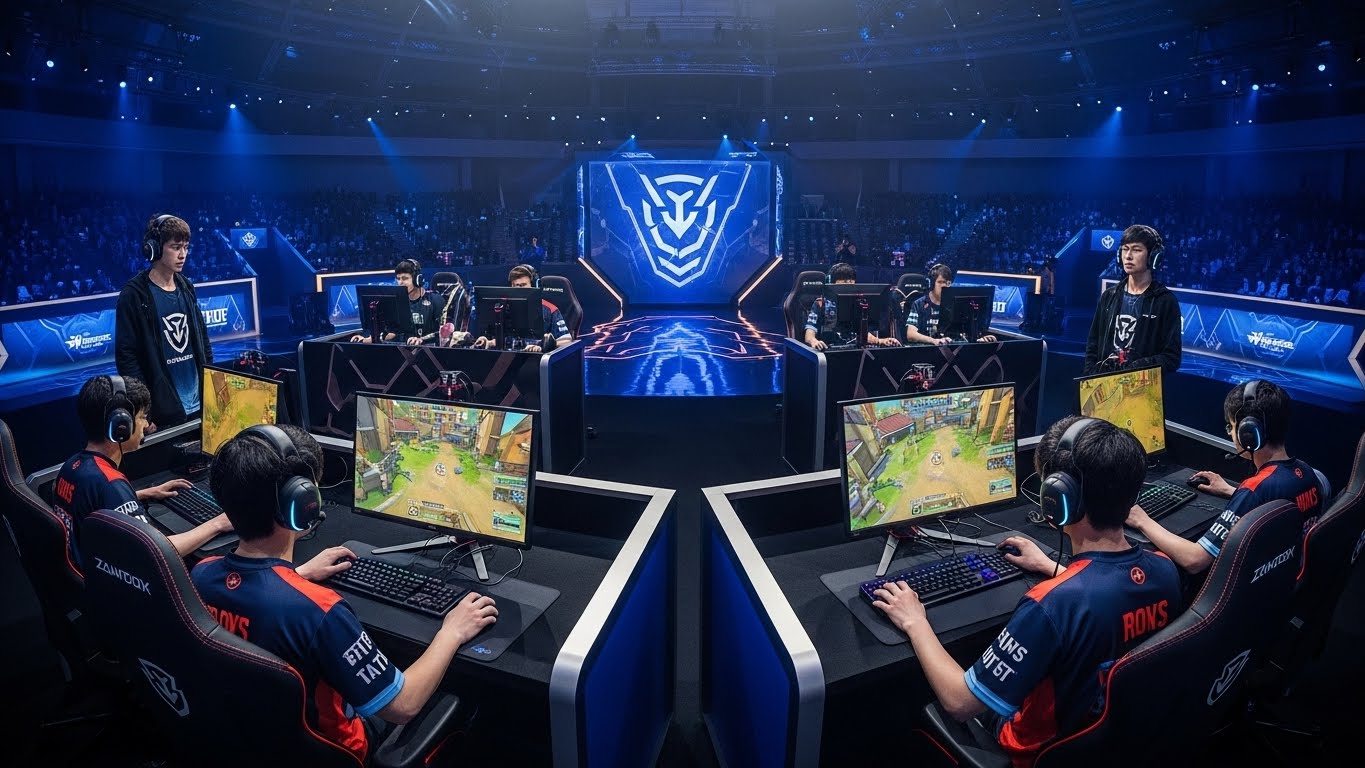
What makes esports so compelling is its global reach. In the past, sports were largely confined to certain regions or countries, but esports has broken those boundaries. Whether it’s League of Legends in South Korea or Counter-Strike in Europe, esports has a massive fan base worldwide. The online nature of competitive gaming means that anyone, anywhere can participate or spectate.
Tournaments like The International (Dota 2’s premier event) and the League of Legends World Championship regularly draw in millions of viewers from every corner of the globe. The scope of esports events has expanded far beyond online streaming to include live broadcasts on TV networks and even dedicated esports channels. For example, in 2018, the League of Legends World Championship had over 100 million viewers, rivalling some of the largest sporting events in the world.
In addition to tournaments, live streaming platforms like Twitch and YouTube Gaming have become essential to the esports ecosystem. Streamers, many of whom are professional players, broadcast their gameplay to thousands of viewers daily. These platforms allow fans to interact with players, watch live matches, and participate in a global gaming community. The result is an interconnected and highly engaged audience that spans continents.
The Cultural Impact of Esports
Esports is not just a form of entertainment—it’s a cultural movement. The rise of esports has shifted the way people view gaming, from a solitary activity to a legitimate form of competitive sport. Gaming has long been associated with isolation, but with the advent of esports, it has transformed into a social activity. Fans now gather online and in arenas to cheer for their favorite teams, much like traditional sports fans do.
In fact, esports’ influence extends beyond the gaming community. Major corporations have taken notice of the rise of esports and are investing heavily in sponsorships, advertising, and brand partnerships. Companies like Intel, Red Bull, and Coca-Cola are just a few of the brands that have entered the esports space, recognizing its massive potential to reach younger, tech-savvy audiences.
Furthermore, universities and schools are now offering scholarships to esports players, allowing them to pursue higher education while competing at a professional level. Some institutions have even established dedicated esports programs, which provide training, coaching, and opportunities for students to compete in official tournaments. This academic recognition of esports has solidified its position as a legitimate career path, opening doors for aspiring professional gamers.
Esports and Traditional Sports: The Intersection
As esports continues to grow, it’s increasingly being compared to traditional sports. While traditional sports have the advantage of physical activity and long-established histories, esports offers its own unique advantages. One of the key differences is the level of accessibility. Traditional sports often require expensive equipment, facilities, and physical training. In contrast, esports can be played on a computer or console, making it accessible to a much broader audience.
Moreover, traditional sports organizations have recognized the potential of esports and are starting to get involved. For example, major football clubs like Manchester City and Paris Saint-Germain have established their own esports teams, participating in games like FIFA and Rocket League. This crossover between traditional sports and esports is blurring the lines and making esports more mainstream.
Esports also offers a faster-paced, more digital experience compared to traditional sports. Matches can be watched live from anywhere in the world, and gameplay can be analyzed in real-time with advanced statistics and metrics. The level of technological integration in esports, from live-streaming to interactive fan experiences, is pushing the boundaries of what entertainment can be.
The Economic Growth of Esports
Esports is not just changing how we view gaming—it’s also reshaping the global economy. The esports industry is expected to surpass $1 billion in revenue in the coming years, with sources of income including sponsorships, advertising, merchandise, and media rights. The lucrative prize pools in major tournaments, such as The International (with over $40 million in prizes), highlight the financial potential of esports.
Moreover, esports has created new career opportunities. Professional gamers, analysts, coaches, content creators, and event organizers all contribute to the ecosystem. Beyond the players themselves, the rise of esports has also fueled the growth of other industries, such as streaming services, gaming hardware manufacturers, and digital marketing agencies. This ecosystem continues to expand as more people become involved in competitive gaming in some capacity, whether as players, fans, or professionals.
The Future of Esports: What’s Next?
As esports continues to grow, the future looks incredibly promising. The integration of new technologies such as virtual reality (VR) and augmented reality (AR) could open up new dimensions in competitive gaming, offering more immersive and interactive experiences for both players and viewers. The potential for esports to be incorporated into schools and universities also suggests a long-term sustainability in both academic and professional realms.
Furthermore, esports is likely to expand into new regions, with developing markets in Asia, South America, and the Middle East continuing to grow rapidly. These regions are becoming hotbeds for esports talent, and new tournaments and leagues are emerging, creating fresh opportunities for competition and sponsorships.
Conclusion: The Esports Revolution is Here
Esports has already established itself as one of the most exciting and dynamic forms of entertainment in the 21st century. From its early roots in competitive gaming to the current global industry, esports has transformed the way we think about sports, competition, and digital media. As technology evolves, and the global audience continues to grow, esports will undoubtedly remain a significant force in shaping the future of entertainment. With its mix of skill, strategy, and community engagement, esports is not just a game—it’s a cultural movement that’s here to stay.