Introduction: Esports – From Niche to Global Phenomenon
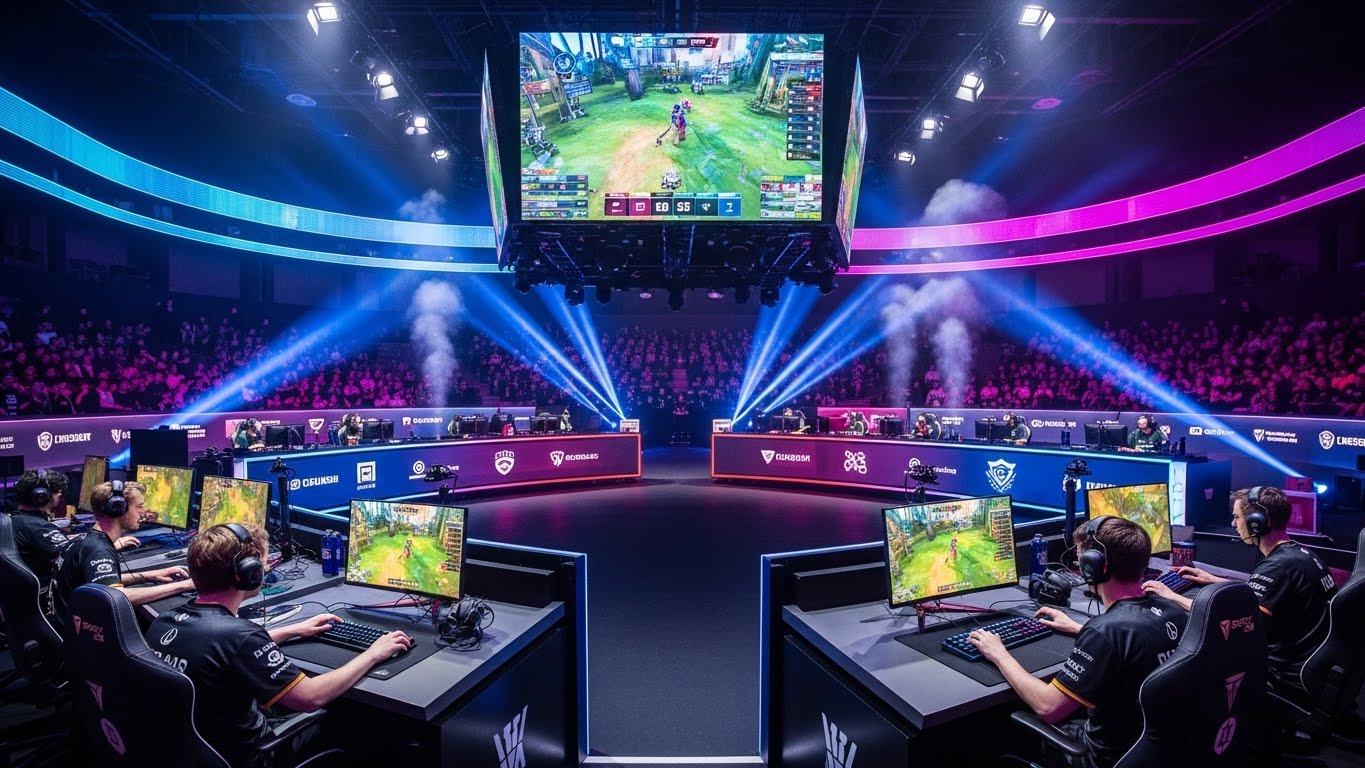
Esports, the competitive side of video gaming, has exploded in popularity over the past decade, evolving from a hobby enjoyed by a few into a multi-billion-dollar industry. What was once a subculture confined to local LAN parties and small competitions is now a global spectacle, with tournaments attracting millions of viewers and players becoming household names. In many ways, esports has mirrored the rise of traditional sports, but with its own unique twist, driven by the power of technology, streaming platforms, and a digital-first generation.
Today, esports is not just about playing games; it is about building teams, creating professional leagues, organizing tournaments, and generating an economy around it. It’s a cultural phenomenon, appealing to both players and fans, and showing no signs of slowing down. In this blog, we will take a deep dive into the rise of esports, its impact on gaming culture, the business of competitive gaming, and what the future holds for this ever-expanding industry.
The Roots of Esports: A Brief History
The origins of esports can be traced back to the 1970s and 1980s, when the first video game competitions were held in arcades. These early competitions were simple and localized, with players competing for high scores or bragging rights. But the real shift began in the 1990s, when games like Warcraft and Quake introduced multiplayer modes, paving the way for competitive gaming. These games allowed players to compete against each other online, and the concept of organized tournaments began to take shape.
In 1997, the Red Annihilation tournament for Quake was one of the first major esports events, with the winner receiving a Ferrari. While it was still a niche affair, it laid the foundation for future esports events. As internet speeds improved and online gaming became more accessible, the concept of esports began to grow. By the early 2000s, games like Counter-Strike and StarCraft helped solidify the idea that gaming could be taken seriously as a competitive activity.
The Emergence of Professional Leagues
One of the defining moments in the development of esports was the establishment of professional leagues and organizations that treated esports like traditional sports. The launch of major tournaments like the World Cyber Games (WCG) and the Electronic Sports World Cup (ESWC) in the early 2000s brought a new level of legitimacy to competitive gaming. These tournaments were broadcast on television and featured high prize pools, which attracted a more diverse and professional crowd of players.
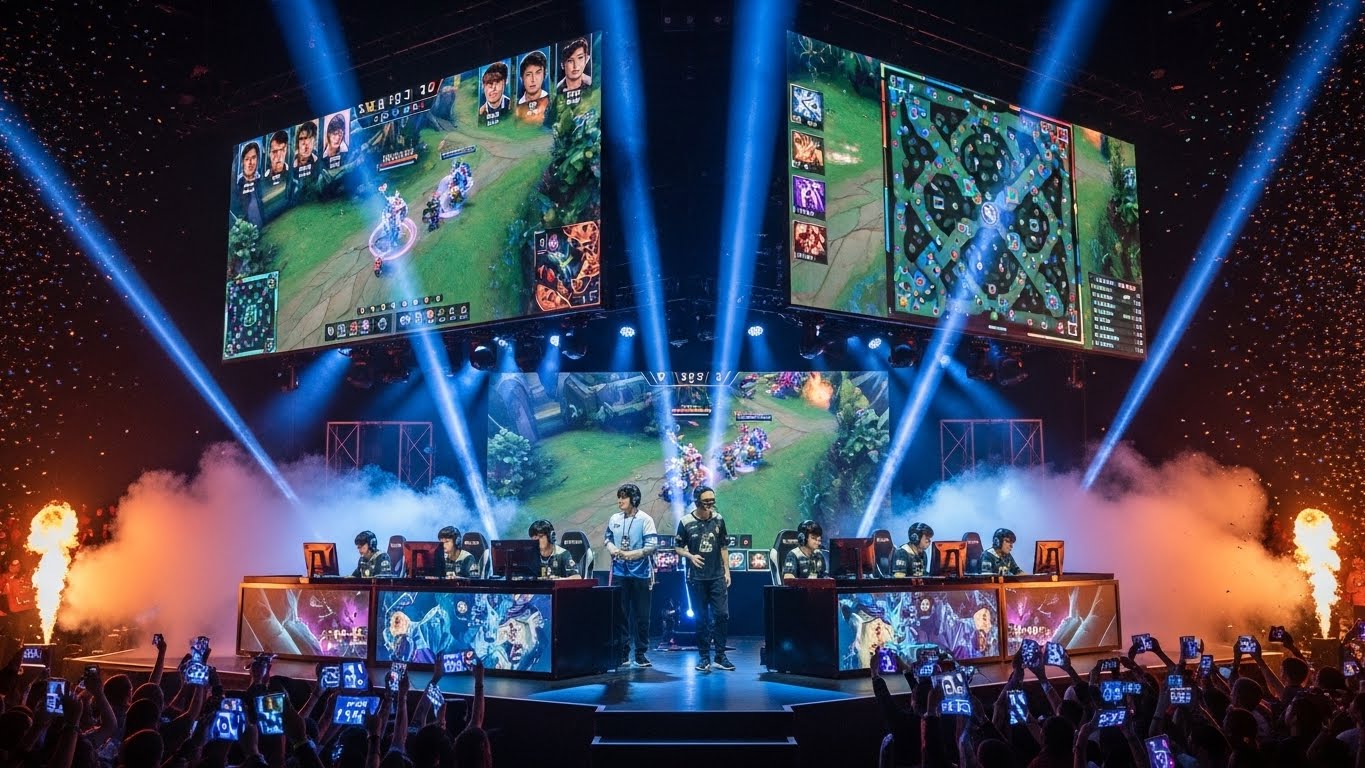
The formation of dedicated esports organizations and teams further propelled the industry. In 2011, the League of Legends (LoL) World Championship was held for the first time, and the game’s developer, Riot Games, invested heavily in creating a sustainable ecosystem for the game. This move helped position LoL as one of the most successful esports titles in the world.
In 2013, The International for Dota 2, another highly popular multiplayer online battle arena (MOBA) game, set a new standard for esports prize pools, with the first event offering a prize pool of over $2 million. This massive prize money, funded in part by community contributions through in-game purchases, changed the way people viewed the economics of esports and showcased the massive financial potential of professional gaming.
The Rise of Streaming: Bringing Esports to the Masses
While tournaments and professional leagues were crucial to the rise of esports, it was the advent of streaming platforms like Twitch and YouTube Gaming that really propelled the industry into the mainstream. In the early days of esports, fans had to watch tournaments on television or through relatively low-quality online streams. But with the rise of Twitch in 2011, the ability to watch esports events live and interact with the players and other viewers changed everything.
Twitch, which was later acquired by Amazon in 2014, became the epicenter for esports broadcasting, with millions of fans tuning in to watch both professional tournaments and casual streamers. The platform’s interactive chat feature allowed viewers to engage with players and each other, creating a sense of community around their favorite games. Today, esports tournaments regularly draw millions of viewers on Twitch, and streamers are some of the most popular content creators on the platform.
The impact of streaming cannot be overstated. It not only made esports more accessible to fans around the world but also allowed players to monetize their skills. Professional gamers now make money not only through tournament winnings but also through sponsorships, streaming revenue, and merchandise sales. Some players, such as Ninja (Tyler Blevins), have become global celebrities, crossing over into mainstream pop culture through collaborations with major brands, television appearances, and social media influence.
The Business of Esports
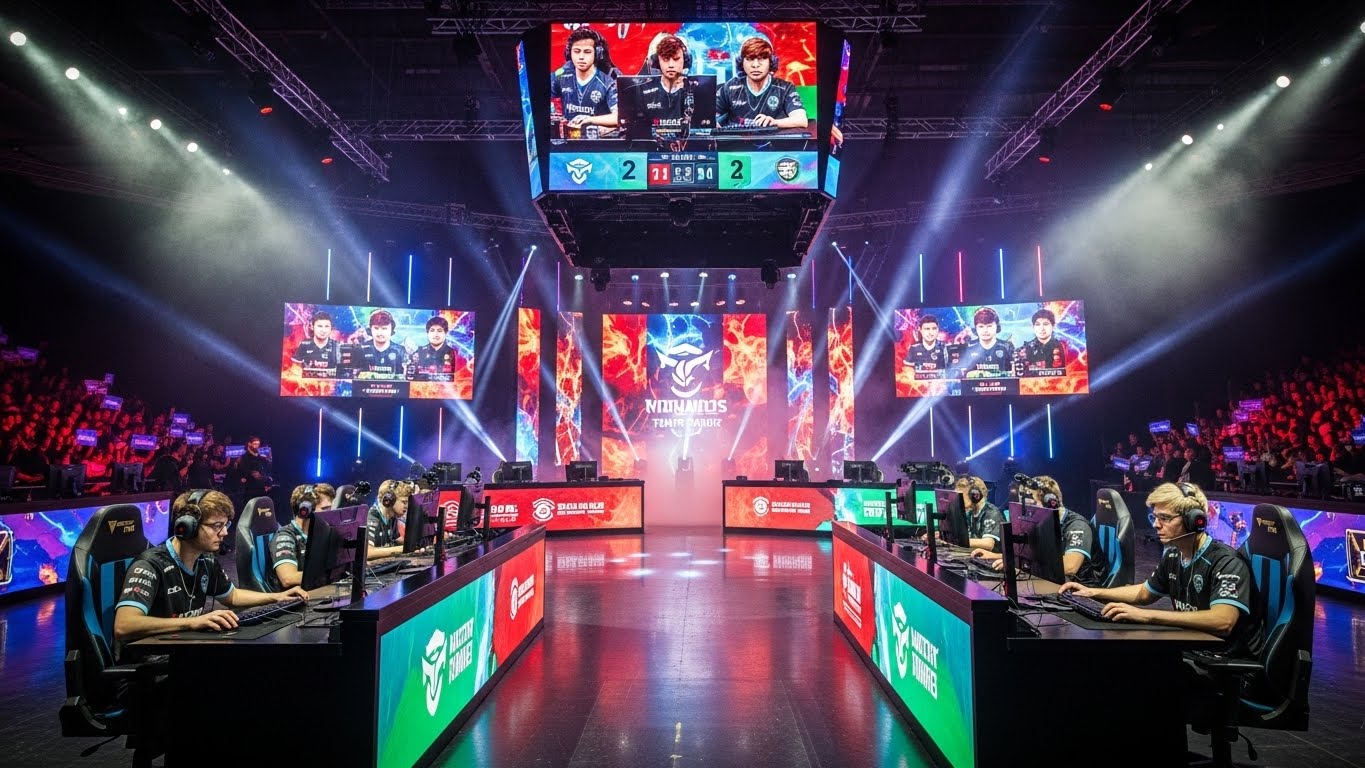
As esports has grown, so too has its economic impact. In 2021, the global esports industry was estimated to be worth around $1.08 billion, and that number continues to rise. The industry’s revenue streams are diverse and multifaceted, encompassing everything from sponsorships and advertising to media rights, ticket sales, and merchandise. Esports events, which were once modest affairs, now fill large arenas and stadiums, with events such as The International and the League of Legends World Championship routinely drawing crowds of tens of thousands of fans.
Sponsorships from major brands like Coca-Cola, Intel, and Nike have further legitimized esports as a serious industry. These companies see esports as a powerful way to reach young, tech-savvy audiences who are increasingly difficult to engage through traditional advertising channels. In addition to brand sponsorships, esports organizations often partner with tech companies to provide players with high-end equipment, further solidifying the connection between gaming and cutting-edge technology.
One of the most interesting developments in the esports business world has been the rise of team ownership. Similar to traditional sports teams, esports organizations now operate like businesses, with owners investing in players, staff, and infrastructure. Some of the biggest names in esports, such as Cloud9, Team Liquid, and FaZe Clan, have achieved brand recognition on par with traditional sports teams. The business model is now expanding beyond just team management, with esports organizations also investing in content creation, merchandising, and even real estate to build a comprehensive brand.
Esports and Traditional Sports: A Growing Synergy
While esports and traditional sports are often considered separate entities, there has been a growing overlap between the two. Traditional sports teams, such as the Dallas Cowboys, the Los Angeles Lakers, and Paris Saint-Germain, have all invested in esports organizations or created their own esports teams. These collaborations have helped elevate esports to new heights, with traditional sports franchises recognizing the potential to engage with younger, digitally native audiences.
In addition to team investments, esports has become a fixture in major sporting events. The Olympic Games, for example, has considered incorporating esports into future competitions, with discussions about esports being included as a medal event. Although there are still challenges to overcome in terms of establishing esports as an official Olympic sport, the growing conversation shows that traditional sports are beginning to embrace the digital world.
Furthermore, esports and traditional sports share many similarities, including the emphasis on teamwork, strategy, and skill. Both require athletes to perform under pressure, make split-second decisions, and maintain focus for extended periods. The fact that esports is now being recognized as a legitimate form of competition by sports organizations around the world is a testament to its growing importance in the global sporting landscape.
The Future of Esports
The future of esports is incredibly bright, with no signs of its growth slowing down. Technology will continue to play a crucial role in the industry’s expansion, particularly in areas such as virtual reality (VR), augmented reality (AR), and artificial intelligence (AI). VR and AR could open up entirely new forms of competitive gaming, offering more immersive experiences that could draw even larger audiences.
Esports is also expected to continue its march into mainstream culture. As it becomes more integrated into the fabric of entertainment, we can expect to see more sponsorships from high-profile brands, collaborations with Hollywood, and more esports content featured on traditional media platforms. Additionally, the growing interest in collegiate esports and esports scholarships will help establish a pipeline for young talent to pursue professional gaming as a career.
However, there are challenges that must be addressed. Issues like player burnout, mental health concerns, and the need for better governance and regulation will need to be tackled to ensure that the esports ecosystem remains sustainable and healthy for everyone involved. As the industry continues to mature, these issues will become central to discussions about the long-term future of esports.
Conclusion: The Digital Frontier of Competition
Esports has come a long way from its humble beginnings. What started as a hobby for a select few has evolved into a global industry, with millions of fans, professional leagues, and significant economic impact. Its rise has been driven by the technological advancements that have shaped the modern gaming landscape, and it has become a cultural force in its own right.
As we look ahead, esports will undoubtedly continue to grow, driven by innovation, investment, and an ever-expanding global fanbase. Whether you’re a player, a fan, or someone looking to break into the industry, esports offers an exciting and dynamic future that is sure to continue shaping the world of entertainment and competition for years to come.