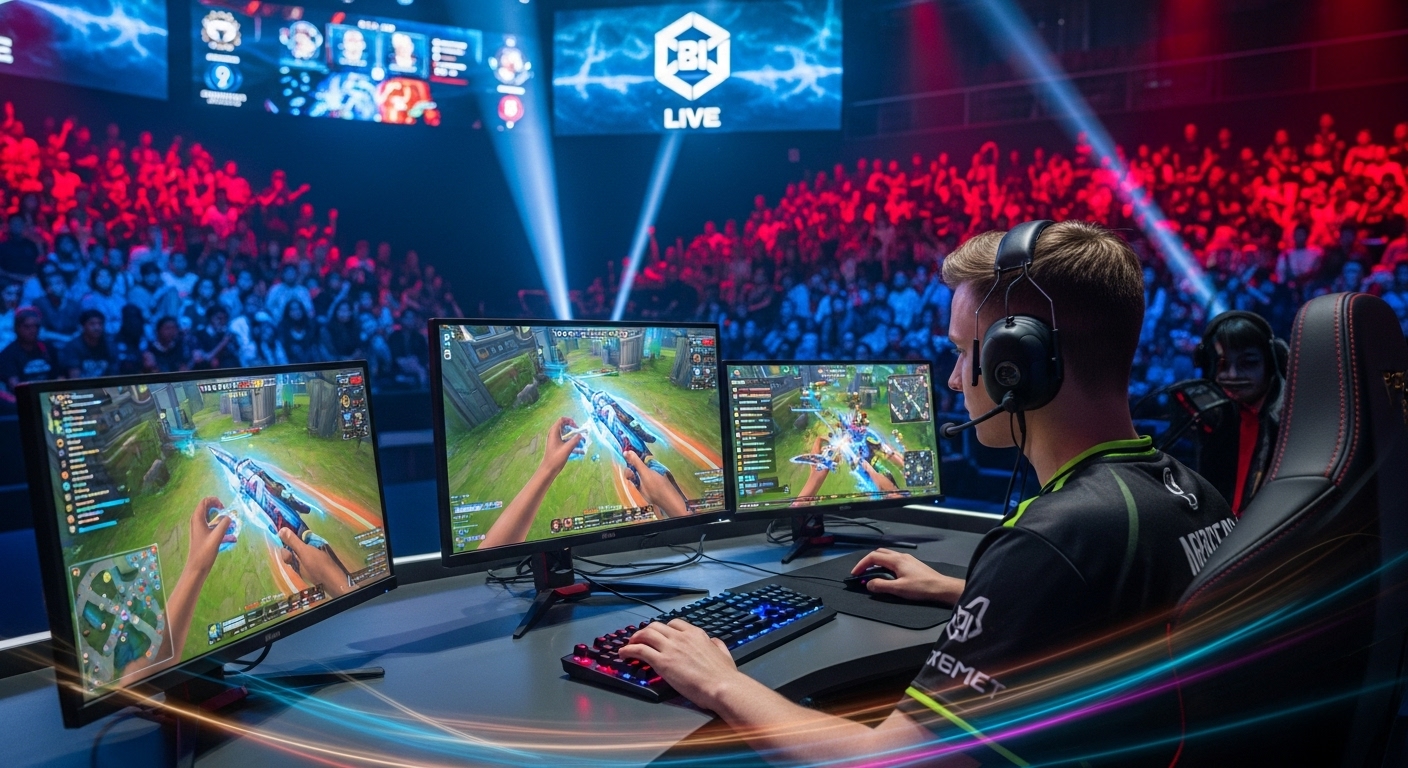
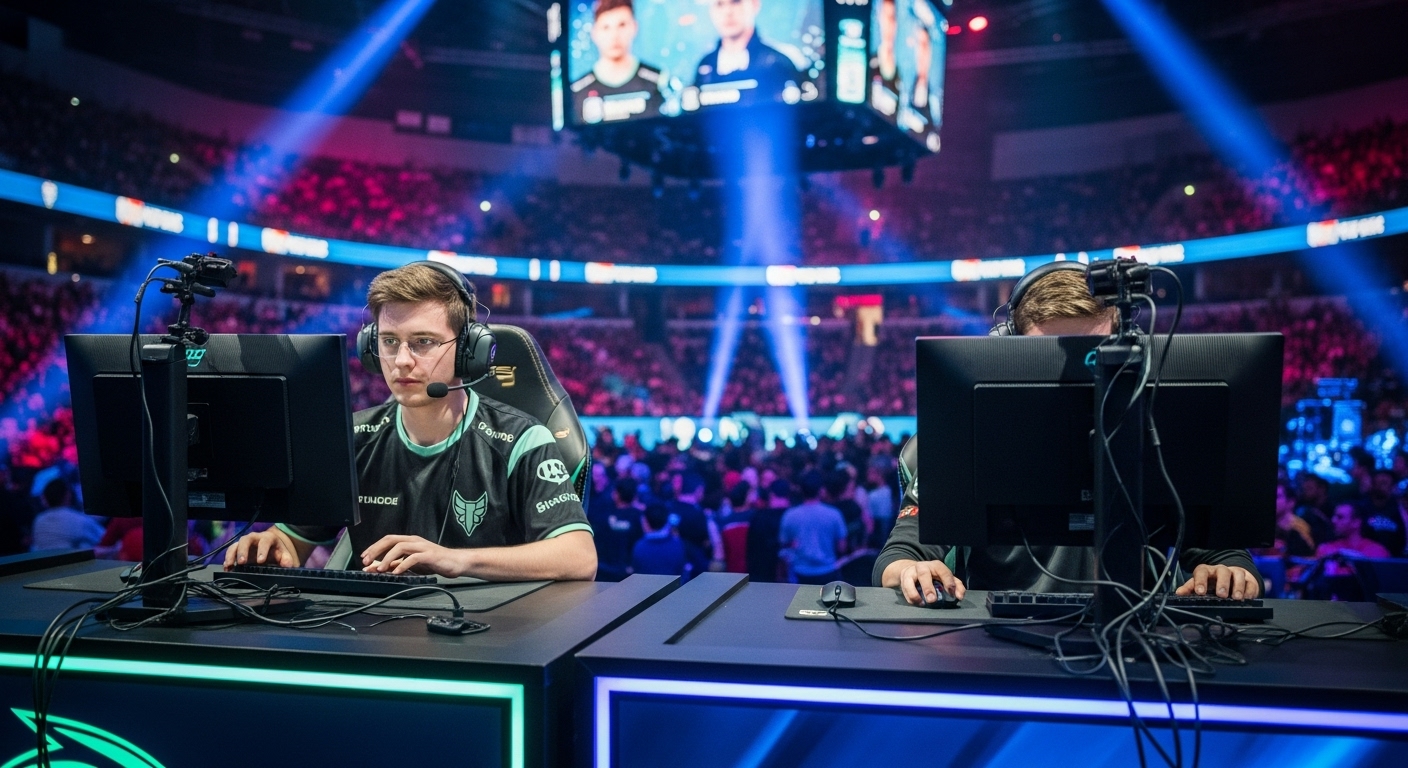
The world of esports is more than just competitive gaming. While players have long been the focal point of attention in the esports scene, there are countless behind-the-scenes roles and career opportunities that contribute to the growth and success of the industry. Whether you’re a seasoned gamer, a passionate fan, or someone looking to break into the esports industry, it’s essential to understand the diverse career paths available in this dynamic field.
In this blog post, we’ll explore the top esports career paths that you may not have considered before. From game design to content creation and marketing, esports offers a variety of unique opportunities for individuals with different skill sets and interests. If you’re ready to take the plunge into the world of competitive gaming but aren’t sure where to start, these career paths might just inspire your next move.
1. Esports Event Coordinator: The Mastermind Behind Tournaments
Bringing the Action to Life
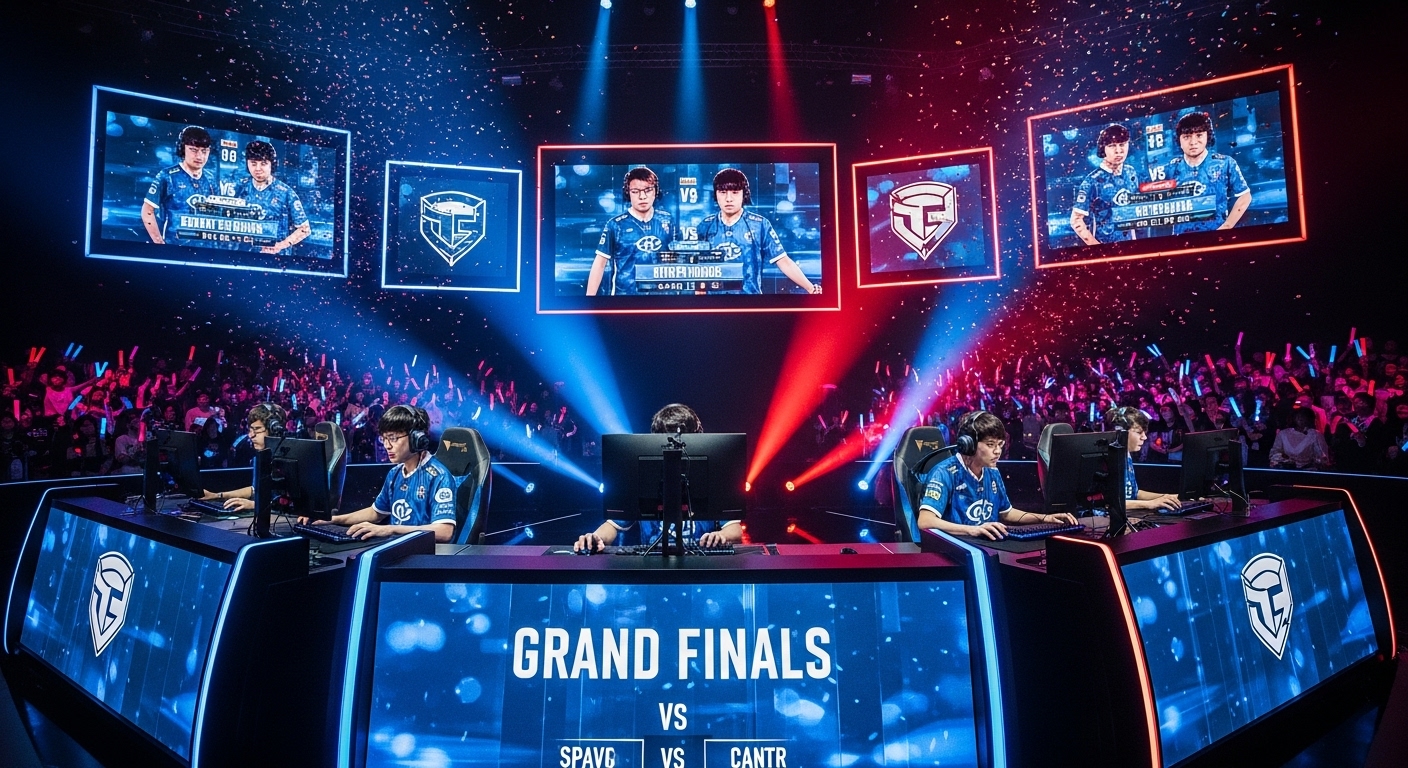
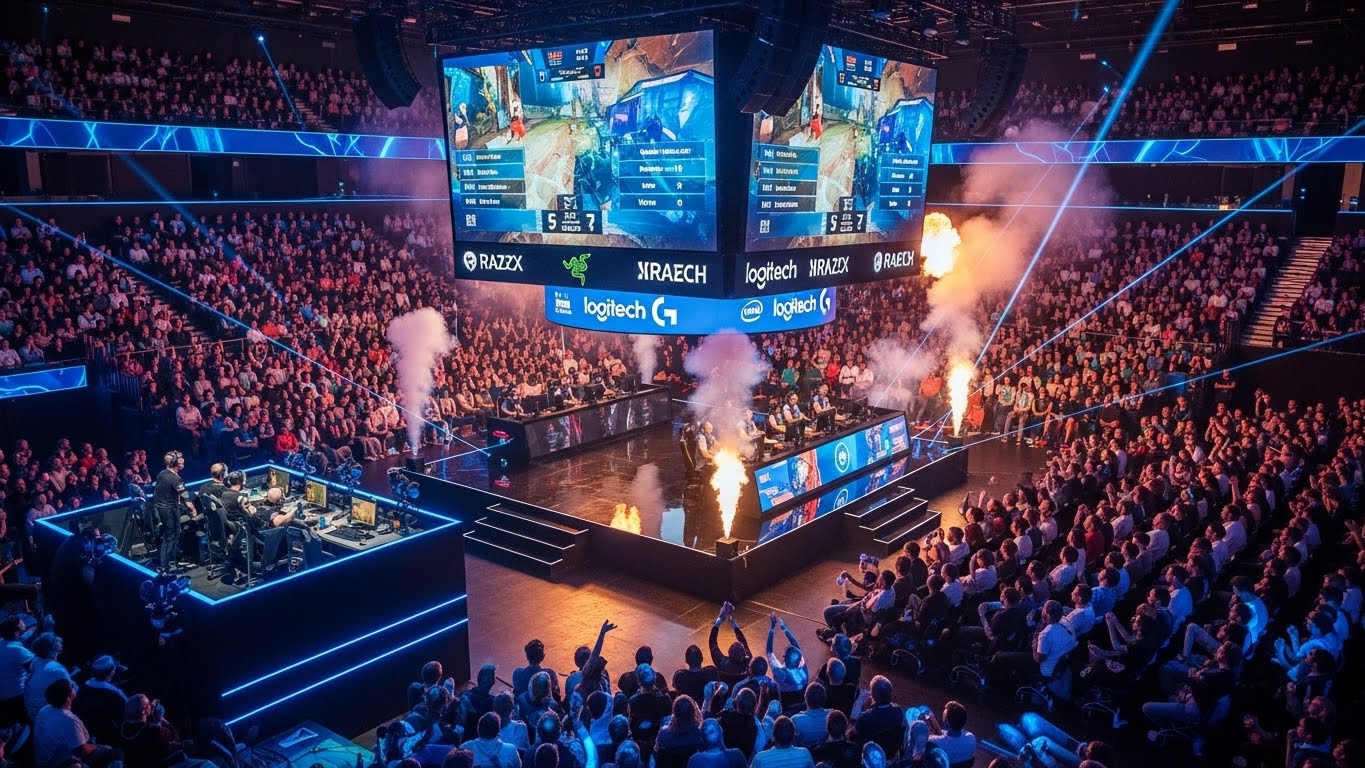
One of the most exciting and rewarding careers in esports is that of an event coordinator. These professionals are responsible for planning, organizing, and executing large-scale esports events. Their work involves everything from securing venues and coordinating logistics to managing teams of staff and ensuring the event runs smoothly.
Esports event coordinators need to have a strong understanding of the gaming community, the technical requirements of live-streaming, and the nuances of esports production. They work closely with sponsors, broadcasters, and gaming companies to create a seamless experience for players, fans, and viewers. These roles are often behind-the-scenes, but without them, the tournaments we love wouldn’t be possible.
Event coordination can take place on a local, national, or even international level. Professionals in this role are typically involved in high-profile events like the League of Legends World Championship, The International (Dota 2), or DreamHack festivals. For those who enjoy a mix of creativity, logistics, and the thrill of large-scale competitions, this is a career path worth considering.
2. Esports Analyst: The Brain Behind Strategic Insights
Breaking Down Gameplay for Fans and Players
Esports analysts are the strategic thinkers of the competitive gaming world. Much like analysts in traditional sports, esports analysts break down in-game tactics, strategies, and player performances to offer insights to audiences. Analysts are often seen during live broadcasts, explaining key moments in a match, highlighting strategic decisions, and helping viewers understand the complexities of the game.
For analysts, the role requires not only deep knowledge of the game they’re analyzing (such as Dota 2, League of Legends, or Counter-Strike: Global Offensive) but also the ability to communicate complex strategies in a way that is engaging and accessible to fans. Esports analysts are often former players who have a sharp understanding of the meta, team dynamics, and game mechanics.
Esports analysts also play an essential role in providing pre- and post-match commentary, providing additional layers of entertainment and information that enhance the viewing experience. If you’re a gamer with a passion for strategy and a knack for storytelling, becoming an esports analyst could be your gateway to a thriving career in the esports world.
3. Esports Marketing and Sponsorship Manager: The Bridge Between Brands and Gamers
Connecting Sponsors with the Esports Community
Esports marketing is one of the fastest-growing sectors within the industry. Esports marketing and sponsorship managers work with companies and brands to integrate them into the esports ecosystem. These professionals are responsible for securing sponsorships, creating brand activations, and developing marketing strategies that engage both players and fans.
With esports audiences growing rapidly, brands are increasingly looking to sponsor teams, tournaments, and individual players. Marketing professionals in esports must have an understanding of both the gaming community and digital marketing strategies, such as social media, content creation, and influencer partnerships. They also need to be skilled at negotiating deals and ensuring that partnerships align with both the brand’s and the esports ecosystem’s values.
This career path is ideal for individuals with a background in marketing, business development, or sales who have a passion for esports and gaming. Sponsorship managers play a crucial role in the financial success of esports tournaments and teams, as sponsorships and brand partnerships are a key source of revenue for the industry.
4. Esports Content Creator: Engaging Fans Through Digital Media
Building a Brand and Growing an Audience
Content creation in esports is one of the most popular and accessible career paths in the industry. Esports content creators are responsible for producing videos, streams, and social media content that engage fans, grow communities, and promote games or teams. From Twitch streams to YouTube videos, content creators use their platforms to entertain, educate, and inform esports fans worldwide.
Content creators often specialize in specific games, personalities, or esports teams. They create gameplay tutorials, highlight reels, behind-the-scenes content, and even vlogs that provide a more personal connection to the audience. Many content creators have turned their passion for gaming into full-time careers, earning revenue through ad revenue, sponsorships, and donations from their fans.
To succeed as a content creator, one must be skilled in video production, social media engagement, and community building. As the esports scene continues to expand, content creators will play a central role in promoting events and players while forging connections with global audiences.
5. Esports Coach: Shaping the Future of Competitive Players
Training and Mentoring Esports Athletes
Esports coaching is an emerging career path that focuses on training and developing competitive players. Just like coaches in traditional sports, esports coaches help players improve their skills, develop strategies, and refine their teamwork. They work with individual players or entire teams to help them reach their full potential.
Esports coaches not only focus on in-game performance but also help players maintain mental and physical well-being, manage stress, and optimize their overall performance. Many esports coaches have backgrounds as former professional players, but others come from sports psychology, training, or coaching backgrounds.
The role of an esports coach is multifaceted, as they are responsible for assessing gameplay, studying opponent strategies, and providing feedback to help players improve. With the increasing level of professionalism in esports, the demand for qualified coaches is on the rise, especially for high-level teams and international competitions.
6. Esports Graphic Designer/Animator: Crafting Visual Experiences
Designing the Future of Esports Visuals
Esports graphic designers and animators play a vital role in creating the visual identity of tournaments, teams, and game promotions. These professionals are responsible for designing team logos, branding materials, animated overlays for live streams, and even intros and outros for broadcast events. The aesthetic appeal of an esports event can influence how the audience perceives the competition, making this a crucial role in the overall experience.
From creating event posters to designing digital assets for social media and live streams, graphic designers in esports are at the forefront of visually engaging the esports audience. For those with a background in graphic design, animation, or multimedia production, the esports world offers an exciting opportunity to combine creativity with the dynamic world of competitive gaming.
7. Esports Journalist: Reporting on the Competitive Gaming Scene
Covering the Latest in Esports News and Events
Esports journalists are responsible for keeping fans up to date with the latest news, match results, player interviews, and tournament highlights. They cover all aspects of the esports world, from major tournaments and team dynamics to the culture and lifestyle of players and fans.
Esports journalism requires a deep understanding of the games, players, and the competitive scene, as well as strong writing skills and an ability to capture the essence of the moment. Esports journalists often write for dedicated gaming websites, produce content for social media platforms, and even cover live events in person.
For individuals with a passion for storytelling and gaming, esports journalism provides a platform to cover the exciting developments in one of the fastest-growing entertainment industries. Whether it’s writing feature articles, covering live matches, or interviewing top players, this career path is ideal for those who want to share the stories behind the game.
8. Esports Sound Engineer: Crafting the Audio Experience
Making Every Sound Count
An often-overlooked yet crucial role in esports is that of the sound engineer. These professionals work behind the scenes to ensure that every audio element, from commentary and crowd sounds to in-game audio and music, is perfectly mixed and balanced. Esports events rely heavily on clear and high-quality sound to keep the audience engaged and to convey the excitement of the competition.
Sound engineers are responsible for managing the technical aspects of audio during live events and broadcasts. They collaborate with broadcast teams, ensuring that the commentary, game sounds, and music come through clearly and at the right levels. This role is essential for creating an immersive and professional experience for both players and viewers.
Conclusion: A World of Opportunities
The world of esports offers far more than just the traditional player role. With a diverse range of career paths—from event coordination and content creation to graphic design and coaching—there is a role in esports for nearly every skill set and passion. The industry’s continued growth provides endless opportunities for individuals to carve out their own niche and contribute to the esports ecosystem in meaningful ways.
Whether you’re looking to break into esports as a player, or you’re more interested in the behind-the-scenes work that makes these events happen, now is the perfect time to explore the many career paths the esports world has to offer. The possibilities are endless, and your perfect esports career could be just one step away.