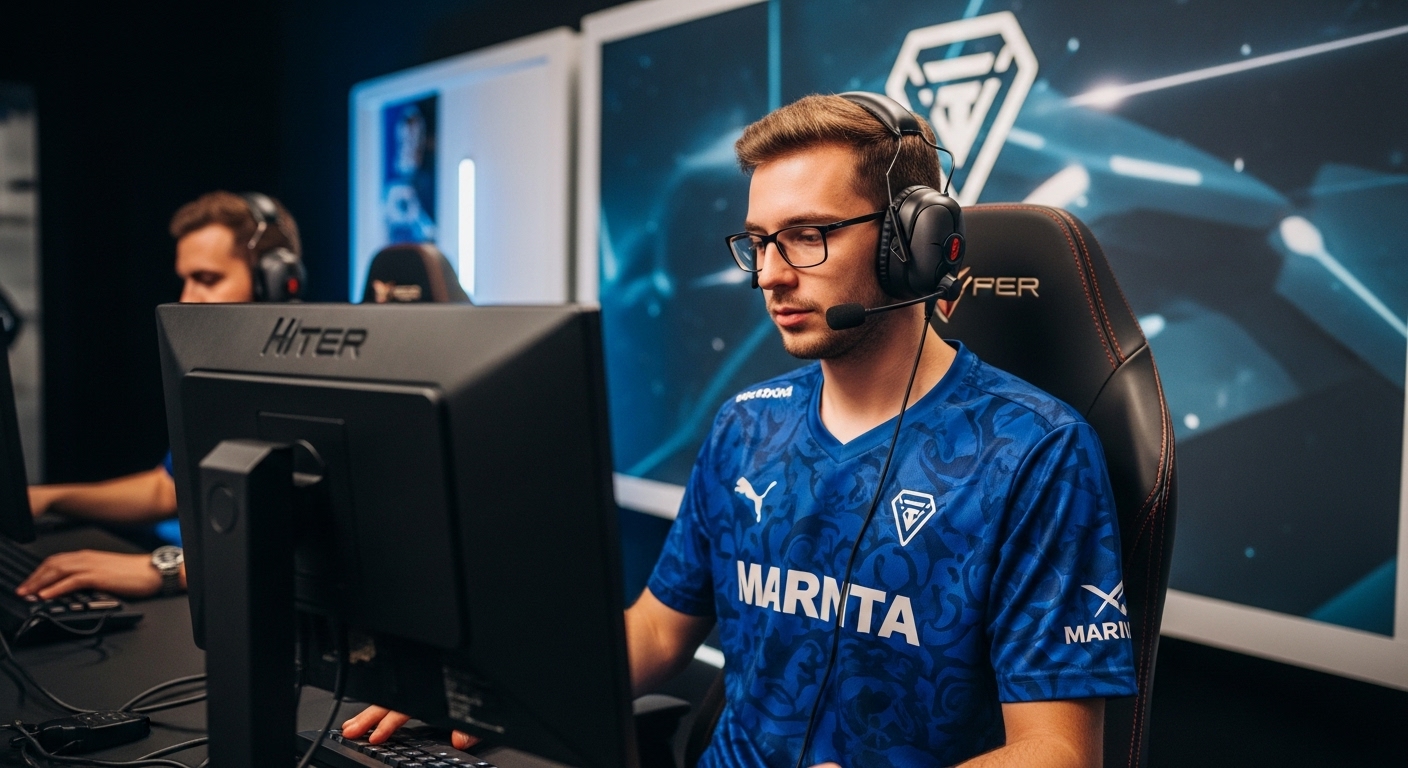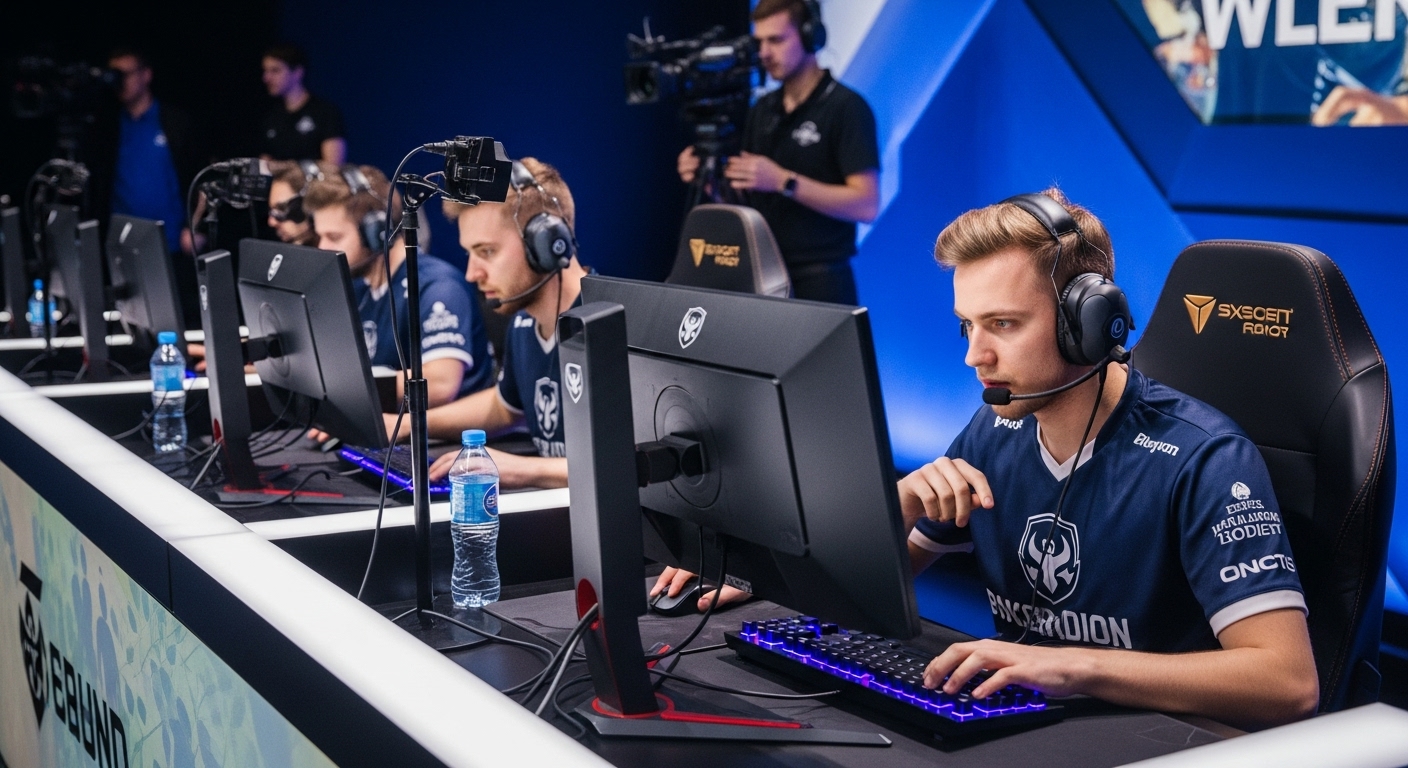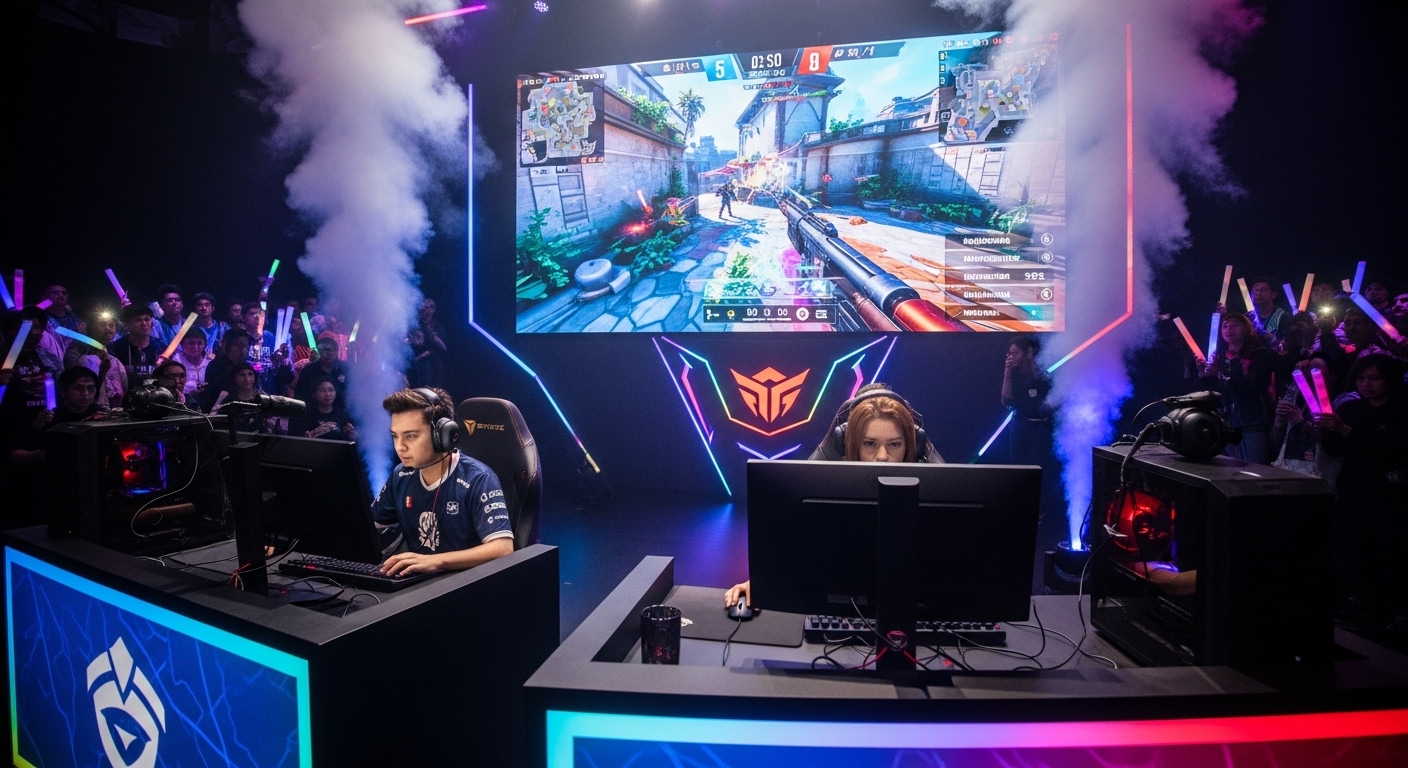
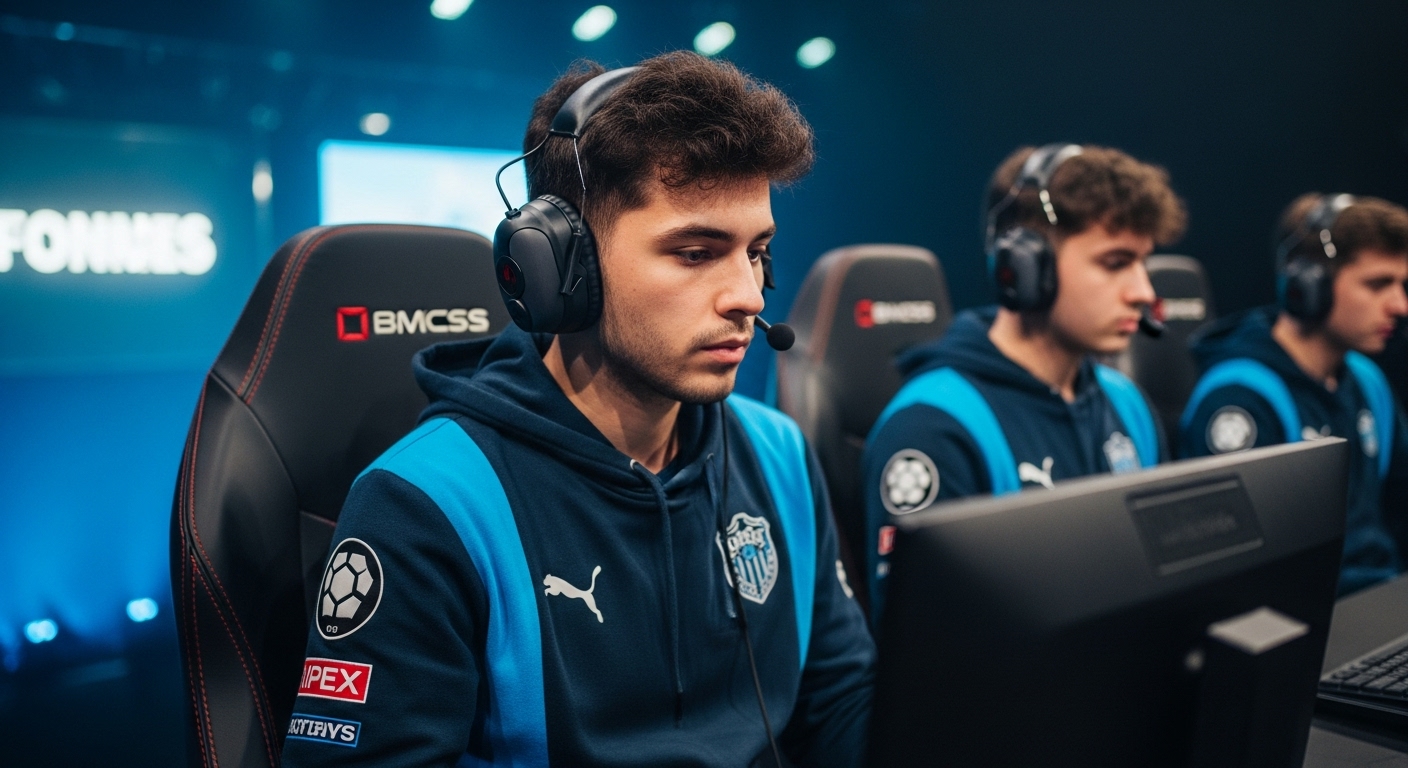
The world of esports has transformed dramatically over the last two decades, evolving from niche gaming communities into a global phenomenon attracting millions of viewers and participants. Competitive gaming, once considered a hobby for a small subset of enthusiasts, now boasts professional leagues, multimillion-dollar tournaments, and players who are as celebrated as traditional athletes. But what drives this surge in popularity, and why has esports become an integral part of modern culture? To understand this, we must explore the history, growth, and impact of esports across the globe.
A Brief History of Esports
Esports, short for electronic sports, emerged in the late 20th century with the advent of video games. Early competitive gaming was largely informal, taking place in arcades or among friends at home. Games such as Space Invaders, Pac-Man, and Street Fighter attracted attention for their competitive elements, with high score competitions becoming common. The first recognizable esports tournaments began to take shape in the 1980s and 1990s, such as the Space Invaders Championship in 1980, which drew thousands of participants across the United States.
The rise of PC gaming in the 1990s marked a significant turning point. Titles like Warcraft, StarCraft, and Counter-Strike allowed for multiplayer competition on a scale never seen before. South Korea became a global hub for esports during this period, particularly with StarCraft: Brood War, where professional teams gained recognition and major corporate sponsorships. The establishment of professional leagues, television coverage, and stadium events laid the foundation for modern esports as a viable career path.
The Growth of Esports in the 21st Century
The 2000s and 2010s witnessed exponential growth in esports due to the convergence of technology, streaming platforms, and global connectivity. High-speed internet allowed gamers from different continents to compete in real time, while platforms like Twitch and YouTube Gaming enabled fans to watch live competitions from anywhere in the world. Games such as League of Legends, Dota 2, and Overwatch became household names, with their tournaments offering prize pools in the millions.
Major events like the League of Legends World Championship or The International for Dota 2 now draw audiences that rival traditional sporting events. Millions watch these events live, and the prize money for top players can exceed what many athletes earn in conventional sports. The rise of esports organizations has also mirrored the structure of traditional sports clubs, with teams hiring coaches, analysts, and support staff to optimize player performance.
The Economics of Esports
Esports has evolved into a multibillion-dollar industry encompassing game development, event management, advertising, and media rights. Sponsorship deals and advertising partnerships are central to this growth. Companies recognize the value of engaging with a young, digitally native audience through esports. Brands invest heavily in sponsoring tournaments, teams, and individual players, while advertisers leverage streaming platforms to reach millions of viewers directly.
Merchandise and ticket sales also contribute significantly to the industry. Fans purchase jerseys, apparel, and collectibles, while live events draw thousands of attendees eager to experience the excitement in person. Moreover, streaming platforms generate revenue through subscriptions, advertisements, and donations, allowing content creators to thrive financially. The economic impact extends further as esports drives demand for high-performance hardware, gaming accessories, and specialized software.
Popular Esports Games and Genres
Esports encompasses a wide range of game genres, each with its unique competitive scene. Multiplayer Online Battle Arenas (MOBAs) like League of Legends and Dota 2 require strategic thinking, teamwork, and split-second decision-making. First-Person Shooters (FPS) such as Counter-Strike: Global Offensive, Call of Duty, and Valorant emphasize precision, reflexes, and tactical coordination. Battle Royale games like Fortnite and PUBG combine survival skills with fast-paced action, while fighting games like Street Fighter and Tekken focus on mechanical skill and timing.
Sports simulations, such as FIFA and NBA 2K, also enjoy thriving competitive communities. These games allow fans to compete virtually in their favorite sports, blending digital skill with real-world knowledge of the sport. Each genre offers unique entertainment value, catering to different types of players and audiences, which has contributed to the overall growth and diversification of esports.
Esports as a Career
Professional gaming has become a legitimate career path for thousands of individuals worldwide. Top-tier players earn salaries from their teams, supplemented by tournament winnings and sponsorships. The lifestyle of a professional esports athlete can be demanding, involving rigorous training schedules, travel for competitions, and maintaining peak mental and physical health.
Beyond players, careers in esports extend to coaching, content creation, event management, game development, and analytics. Coaches and analysts work to improve team strategies, studying opponents and refining game plans. Streamers and content creators engage audiences by showcasing gameplay, tutorials, or entertaining commentary, often building personal brands that rival those of professional athletes.
The Role of Streaming Platforms
Streaming platforms have revolutionized how fans interact with esports. Platforms such as Twitch, YouTube Gaming, and Facebook Gaming allow viewers to watch live matches, interact with players through chat, and access a wealth of content on demand. The interactivity of streaming enhances fan engagement, making esports a communal experience rather than a passive spectacle.
The rise of content creators has also contributed to the popularity of esports. Influential streamers and professional players often share insights into their training, strategies, and personal lives, humanizing the esports experience and attracting loyal fanbases. This ecosystem has fostered a sense of community and accessibility, enabling fans to connect with their favorite players and teams on a deeper level.
Global Impact of Esports
Esports is a global phenomenon, transcending borders and cultures. Countries like South Korea, China, the United States, and several European nations have embraced esports at the highest level, with professional leagues, government support, and substantial investment. International tournaments foster cross-cultural competition and collaboration, highlighting the universal appeal of gaming.
The impact of esports extends beyond entertainment. It has influenced education, with schools and universities offering scholarships for esports talent and developing dedicated programs for game design and management. Additionally, esports has sparked research into areas such as cognitive development, teamwork, and the psychology of competition, contributing valuable insights to broader fields of study.
Challenges and Controversies
Despite its rapid growth, esports faces several challenges. Player burnout is a significant concern, as rigorous training schedules and high-pressure environments can lead to physical and mental health issues. The industry also grapples with issues such as cheating, doping, and unfair treatment of players by teams or organizations.
Moreover, esports is sometimes criticized for its perceived lack of legitimacy compared to traditional sports. Skeptics question whether competitive gaming qualifies as a “real” sport, despite the skill, strategy, and dedication required. Addressing these challenges is essential for the continued credibility and sustainability of esports as an industry.
The Future of Esports
The future of esports looks incredibly promising. Advancements in technology, such as virtual reality, augmented reality, and artificial intelligence, are set to transform the way games are played and experienced. VR esports could offer immersive competition, while AI-driven analytics may enhance player performance and game design.
Esports is also likely to become more integrated with mainstream media, with tournaments broadcast on television and integrated into global sports networks. Increased investment, professionalization, and institutional support will further solidify esports as a permanent fixture in the entertainment landscape.
The Social and Cultural Influence
Esports has had a profound social and cultural impact. It has created communities where individuals from diverse backgrounds can connect over shared interests. Online forums, social media groups, and streaming platforms foster interactions that transcend geographic boundaries. Esports has also influenced popular culture, inspiring music, fashion, and even cinematic adaptations.
The competitive nature of esports promotes teamwork, discipline, and strategic thinking. Players develop problem-solving skills, adaptability, and resilience, which can translate to other areas of life. By challenging traditional notions of sports and competition, esports has redefined what it means to be an athlete in the digital age.
Esports and Mental Health
While esports offers numerous benefits, it also brings challenges related to mental health. Professional players often face intense pressure to perform, leading to stress, anxiety, and burnout. Long hours of practice, irregular sleep schedules, and travel demands can exacerbate these issues. Recognizing the importance of mental well-being, many organizations now provide counseling, stress management resources, and structured schedules to support players.
The broader gaming community also faces mental health considerations. Competitive gaming can trigger stress or addiction in some individuals, highlighting the need for balanced engagement and healthy gaming habits. As awareness grows, esports organizations are increasingly prioritizing holistic approaches to player development and well-being.
Esports and Education
Esports has begun to intersect with education in unique ways. Schools and universities are establishing esports programs, scholarships, and dedicated curricula. These programs teach game design, strategy, team management, and broadcasting skills, providing students with viable career pathways. Esports clubs foster collaboration, leadership, and problem-solving, making them valuable extracurricular activities.
Additionally, esports can enhance traditional learning by incorporating gamified elements, encouraging critical thinking, and fostering a sense of competition. By merging education with entertainment, esports creates engaging learning environments that resonate with digital-native generations.
Conclusion: Esports as a Global Phenomenon
Esports has evolved from a niche pastime into a global cultural and economic powerhouse. Its growth has been fueled by technological advancements, innovative game design, and the dedication of players, teams, and fans. Today, esports represents more than just gaming; it is a professional industry, a source of entertainment, a career pathway, and a vibrant social community.
As technology continues to advance and the industry matures, esports will likely reach new heights, offering immersive experiences, educational opportunities, and global connectivity. Its influence on society, culture, and the economy demonstrates that esports is not merely a passing trend but a defining aspect of the digital era. The competitive spirit, creativity, and passion at the heart of esports ensure that it will remain a dynamic and transformative force for years to come.