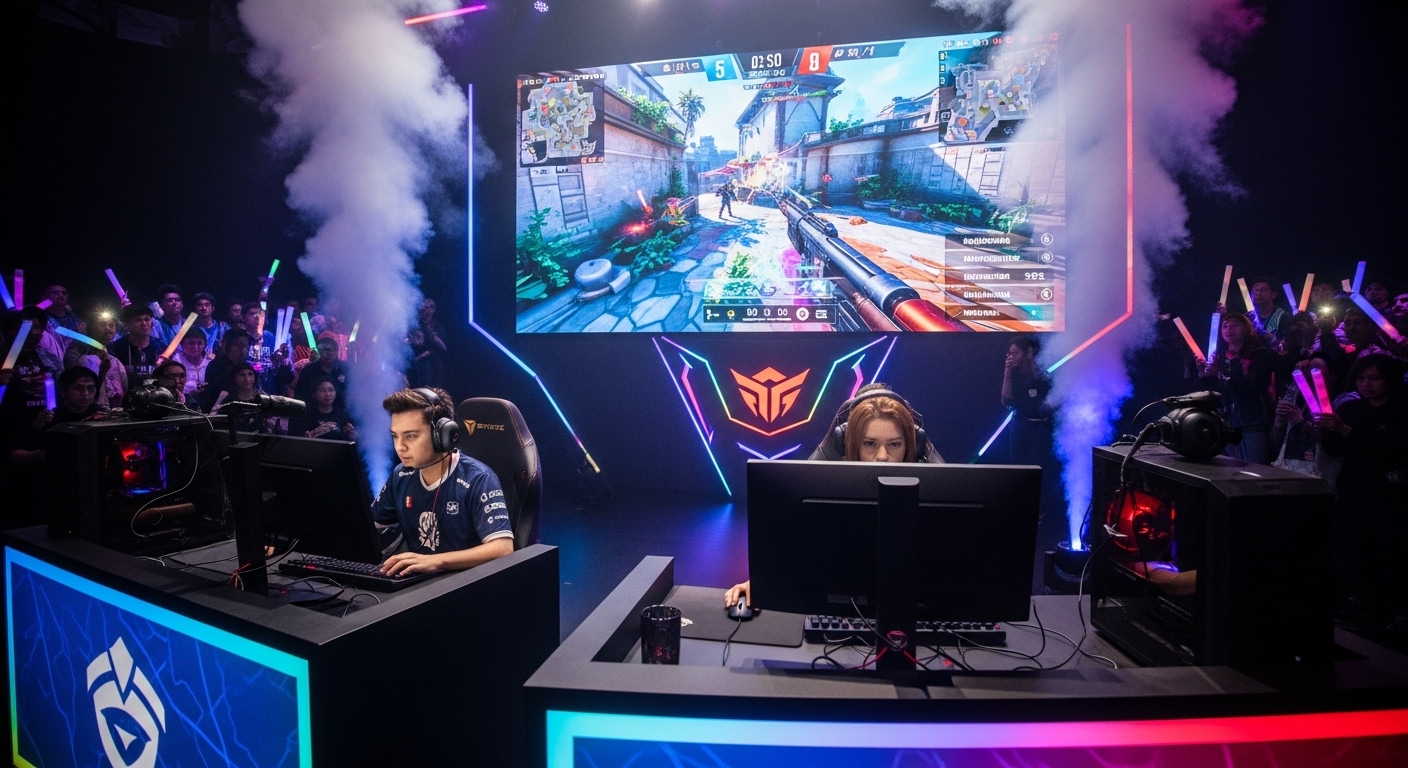
In the past two decades, the world has witnessed a monumental transformation in the realm of entertainment and sports. One of the most significant developments of this era is the meteoric rise of esports. Once considered a niche hobby limited to small gaming communities, esports has grown into a global phenomenon that rivals traditional sports in popularity, viewership, and cultural influence. From massive stadium events to multimillion-dollar prize pools, esports has cemented its place in modern culture as a legitimate and thriving industry.
This blog explores the history, evolution, impact, and future of esports — examining how competitive gaming has redefined not only what it means to be an athlete but also how society perceives play, skill, and community in the digital age.
The Origins of Competitive Gaming
The roots of esports stretch back much further than many might assume. The concept of competitive gaming dates to the early days of video games themselves. In 1972, Stanford University hosted what is widely recognized as the first video game competition — a “Spacewar!” tournament, where students competed for a year’s subscription to a magazine. While small in scale, this event laid the foundation for the idea that video games could be more than just personal entertainment; they could be a competitive pursuit.
During the 1980s, arcade games such as Pac-Man, Donkey Kong, and Space Invaders became the center of competitive gaming culture. Players sought to set high scores and earn recognition in gaming magazines. The competitive spirit that surrounded arcade halls was intense, even without the technological infrastructure of modern esports. These early competitions were driven by passion, local fame, and the joy of mastery.
By the 1990s, with the rise of home consoles and personal computers, multiplayer gaming took on a new dimension. Titles like Street Fighter II, Quake, and StarCraft brought players together in local tournaments and early online matches. LAN parties — gatherings where players connected their computers in one location — became the backbone of early esports culture. These gatherings were the precursors to the professional events that would later fill arenas.
The 2000s: The Birth of Modern Esports
The early 2000s marked the turning point for esports as an organized, professional industry. This period saw the creation of structured tournaments, sponsorships, and the rise of teams with dedicated players who trained full-time. Games like Counter-Strike, Warcraft III, and StarCraft: Brood War became competitive staples, particularly in regions like South Korea, Europe, and North America.
South Korea played an especially crucial role in shaping modern esports. The government’s investment in broadband infrastructure and the explosion of PC bangs — gaming cafes — created an environment where gaming was both accessible and social. StarCraft became a national obsession, with televised matches drawing millions of viewers. Players such as Lim “BoxeR” Yo-hwan became household names, celebrated as professional athletes.
At the same time, organizations like Major League Gaming (MLG) in the United States and the World Cyber Games (WCG) began to formalize global competitions. Prize pools grew, sponsors took notice, and esports started to be viewed as a legitimate career path. The early 2000s solidified the foundations of competitive gaming as an entertainment industry rather than a mere pastime.
The Explosion of Esports in the 2010s
While the 2000s laid the groundwork, the 2010s saw esports erupt into mainstream consciousness. Several key factors contributed to this dramatic rise. The first was the proliferation of streaming platforms such as Twitch and YouTube Gaming. For the first time, players and fans could watch live competitions and interact directly with streamers. This accessibility transformed esports from a niche community into a global audience.
Another major factor was the arrival of games specifically designed for competitive play and spectator enjoyment. Titles like League of Legends, Dota 2, and Overwatch were not only balanced for competition but also visually engaging and easy to follow for viewers. Riot Games, Valve, and Blizzard developed ecosystems around their games that encouraged long-term competition, organized leagues, and large-scale events.
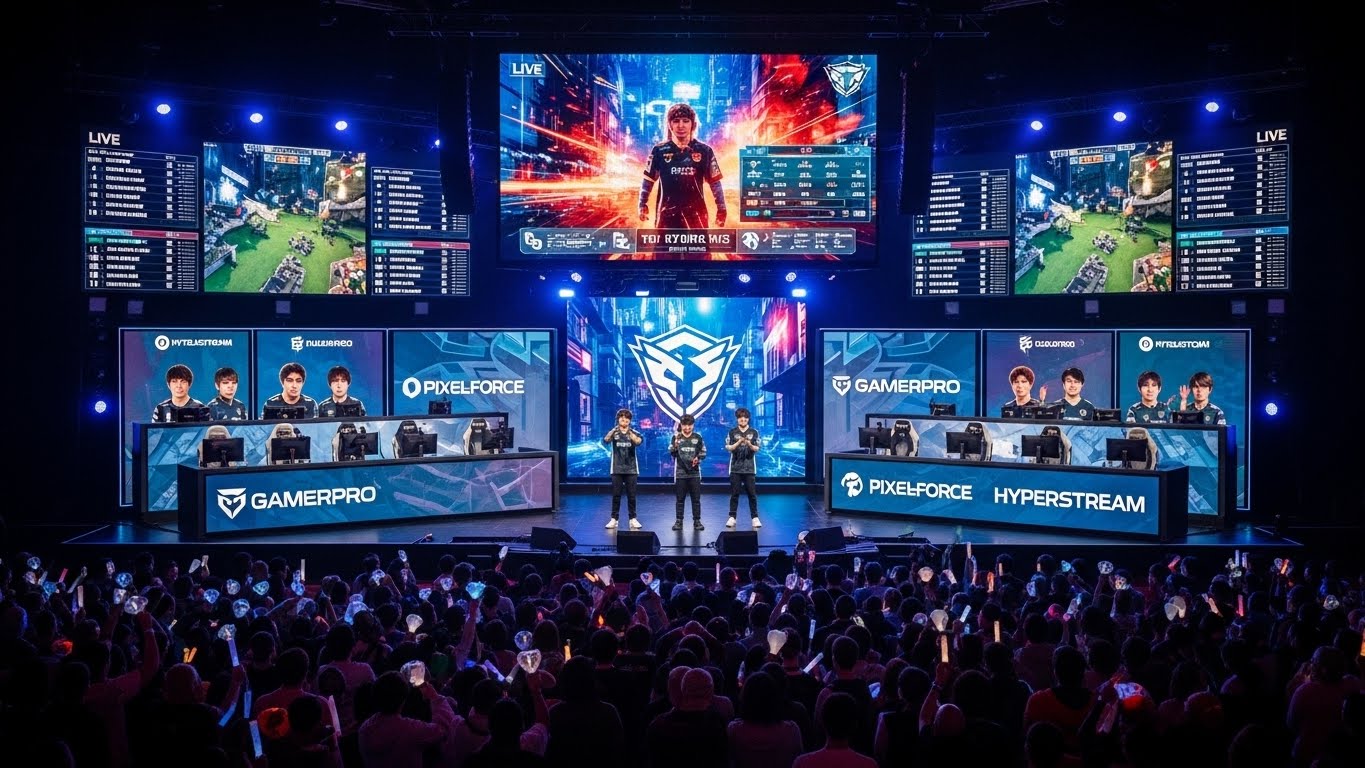
The 2010s also saw the rise of esports franchises and organizations that mirrored traditional sports teams. Teams like Team Liquid, Fnatic, Cloud9, and T1 built strong brands, training facilities, and fanbases. Players became celebrities, signing sponsorships and streaming deals worth millions. Major tournaments such as The International for Dota 2 and the League of Legends World Championship drew millions of live viewers, rivaling — and sometimes surpassing — the audience of major sporting events.
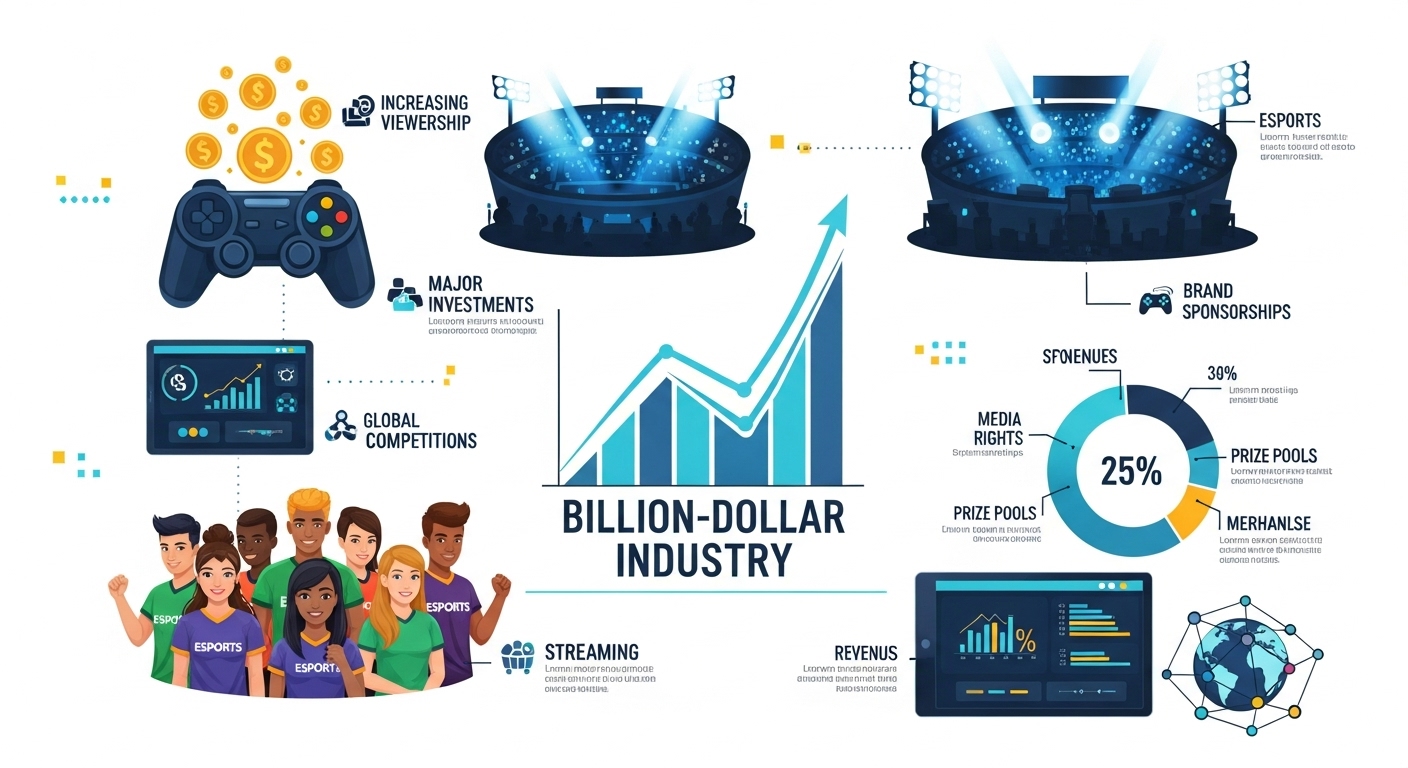
By the end of the decade, esports had become a billion-dollar industry. Universities began offering esports scholarships, broadcasters started airing matches on television, and multinational corporations entered sponsorship deals. The dream of becoming a professional gamer was no longer a fantasy — it was a viable, respected career path.
The Professionalization of Esports
With the explosion of popularity came the need for structure and professionalism. Esports transitioned from informal tournaments to carefully managed leagues with strict rules, contracts, and governing bodies. Teams employed coaches, analysts, nutritionists, and psychologists to support their players. Training regimens became rigorous, often involving ten or more hours of practice each day.
This shift also led to the establishment of franchise-based leagues, similar to those in traditional sports. The Overwatch League and the Call of Duty League introduced city-based teams, formal salaries, and regular seasons. These developments brought stability and legitimacy to the industry, attracting investors, media companies, and advertisers.
However, professionalization also brought new challenges. Issues such as player burnout, contract disputes, and lack of regulatory oversight emerged. The conversation around mental health in esports gained prominence as players faced immense pressure to perform in front of global audiences. Despite these hurdles, the structure of modern esports continued to evolve, aiming for sustainability and fairness.
Cultural Impact and Global Reach
Esports is not confined by geography, language, or culture. It is one of the most globalized industries in existence. Fans from every continent tune in to watch tournaments, and players from vastly different backgrounds compete on equal footing. Games like League of Legends have professional leagues across multiple regions, from China’s LPL to Europe’s LEC and North America’s LCS, all culminating in international championships.
Culturally, esports has bridged the gap between generations. What was once dismissed by parents as “wasting time” has become a symbol of digital creativity and skill. Schools and universities now include esports clubs, and governments in countries like South Korea, China, and the United States recognize competitive gaming as a professional sport. Esports athletes have appeared on mainstream media, participated in advertising campaigns, and collaborated with celebrities and brands beyond the gaming world.
Moreover, esports has fostered a sense of community. Online platforms allow fans to interact with players, contribute to discussions, and share their passion with millions of others. The esports community thrives on inclusivity, innovation, and participation — values that resonate strongly with younger generations.
Technology’s Role in Shaping Esports
The evolution of technology has been inseparable from the growth of esports. High-speed internet, advanced gaming hardware, and powerful streaming services have transformed how people play and watch games. The introduction of graphics cards capable of rendering ultra-realistic visuals, alongside low-latency online connectivity, made competitive gaming smooth and accessible.
Streaming technology deserves special mention. Platforms like Twitch revolutionized esports viewership by allowing fans to watch live matches, chat with other viewers, and support players directly. This interactivity gave esports a social element that traditional sports often lack. Players could build their own brands, create content, and maintain direct relationships with fans.
Additionally, technological innovations in virtual reality, augmented reality, and artificial intelligence promise to redefine esports once again. Future games may blend the physical and digital worlds even more seamlessly, creating new genres of competition and entertainment. As technology continues to evolve, so too will the boundaries of what esports can be.
Economics and Industry Growth
The esports industry has grown into a financial powerhouse. Revenues come from multiple streams, including sponsorships, advertising, media rights, ticket sales, and in-game purchases. Major tournaments now boast prize pools exceeding tens of millions of dollars, and top players can earn salaries comparable to professional athletes in traditional sports.
Sponsorship has been particularly crucial to esports’ growth. Brands ranging from tech companies to beverage manufacturers have recognized the marketing potential of esports audiences. These audiences are young, digitally engaged, and highly loyal — an attractive demographic for advertisers. As a result, global brands have become integral partners in the industry’s ecosystem.
Media rights have also become a significant source of revenue. Broadcasting platforms compete for exclusive rights to stream major tournaments, and production quality has reached cinematic levels. Live events fill arenas, generating millions in ticket sales and local economic activity. The ripple effect of esports has even extended to tourism, as cities compete to host world championships and conventions.
Esports as a Career Path
Perhaps one of the most fascinating aspects of esports’ rise is the diversity of career opportunities it has created. Beyond professional players, the industry employs coaches, managers, broadcasters, event organizers, game designers, marketers, and journalists. The ecosystem surrounding competitive gaming is vast, offering opportunities for creativity and innovation.
Players themselves undergo rigorous training and require a mix of cognitive skills, reflexes, and teamwork. Many start at a young age, competing in amateur tournaments before being scouted by professional teams. While the average career span of a player may be shorter than that of traditional athletes, the experience often leads to other roles within the industry, such as content creation, coaching, or commentary.
Education has also adapted to the esports era. Universities now offer degrees in esports management, game design, and digital media. Scholarships for esports athletes are becoming commonplace, reflecting the legitimacy and academic recognition of the field.
The Debate: Are Esports Real Sports?
One of the most persistent debates surrounding esports is whether they should be considered “real sports.” Critics argue that video gaming lacks the physical exertion and outdoor nature traditionally associated with sports. Supporters, however, contend that esports demand a similar level of discipline, strategy, teamwork, and mental endurance as conventional athletics.
The International Olympic Committee has even acknowledged esports as a potential category for future Olympic events. The skills required for high-level competition — such as coordination, reaction time, and decision-making — mirror those found in traditional sports. Moreover, esports share the same competitive spirit and emotional intensity that define athletic contests.
As society’s understanding of “sport” evolves, it becomes increasingly clear that esports represent the digital age’s interpretation of athleticism — one rooted in intellect, reflex, and technology.
Challenges Facing the Esports Industry
Despite its impressive growth, esports faces several challenges that will shape its future. One major issue is player well-being. The intense training schedules and constant competition can lead to burnout, stress, and health problems. Organizations are beginning to address this by emphasizing mental health, balanced lifestyles, and professional support systems.
Another challenge is the question of governance. Unlike traditional sports, which have centralized authorities, esports is fragmented across different games, developers, and leagues. This lack of standardization can lead to inconsistencies in rules, contracts, and player protections. Developing a unified framework will be essential for long-term stability.
Cheating, match-fixing, and doping scandals have also tarnished parts of the industry. As with any competitive field, the temptation to gain unfair advantages exists. Esports organizations are implementing stricter anti-cheating technologies and ethical guidelines to preserve integrity.
Finally, inclusivity remains an ongoing issue. While esports is theoretically open to all, barriers such as gender discrimination and accessibility disparities persist. Encouraging diversity and equal opportunity is vital for the industry’s continued evolution.
The Future of Esports
The future of esports looks incredibly promising. With advancements in technology, growing acceptance by mainstream culture, and continuous innovation in gaming design, esports is set to expand even further. Virtual reality competitions, cross-platform tournaments, and integration with the metaverse may soon redefine the gaming experience.
Esports will likely become even more intertwined with entertainment media. We may see greater collaboration between gaming, music, and film industries, creating hybrid events that transcend traditional boundaries. As generational shifts continue, esports will play an even larger role in shaping how people socialize, compete, and consume entertainment.
In education, esports will serve as a gateway for developing digital skills, teamwork, and strategic thinking. Governments and institutions are beginning to see its potential as a tool for youth engagement, innovation, and technological advancement.
Ultimately, esports is not just a form of competition — it is a cultural movement that reflects the values of the digital age. It celebrates creativity, perseverance, and global connection, proving that the spirit of sport can thrive even in virtual arenas.
Conclusion
From its humble beginnings in arcade halls to sold-out arenas filled with cheering fans, esports has undergone a transformation unlike any other form of entertainment. It has broken boundaries, united people across continents, and redefined what competition means in the modern world.
As technology continues to evolve, so too will the scope and influence of esports. The industry’s journey is far from over — in fact, it is only beginning. What started as a pastime has become a cultural revolution, one that will continue to shape the future of media, sports, and society for generations to come.
Esports is not just a game. It is the story of human creativity, connection, and the unyielding desire to compete and excel — no matter the arena.