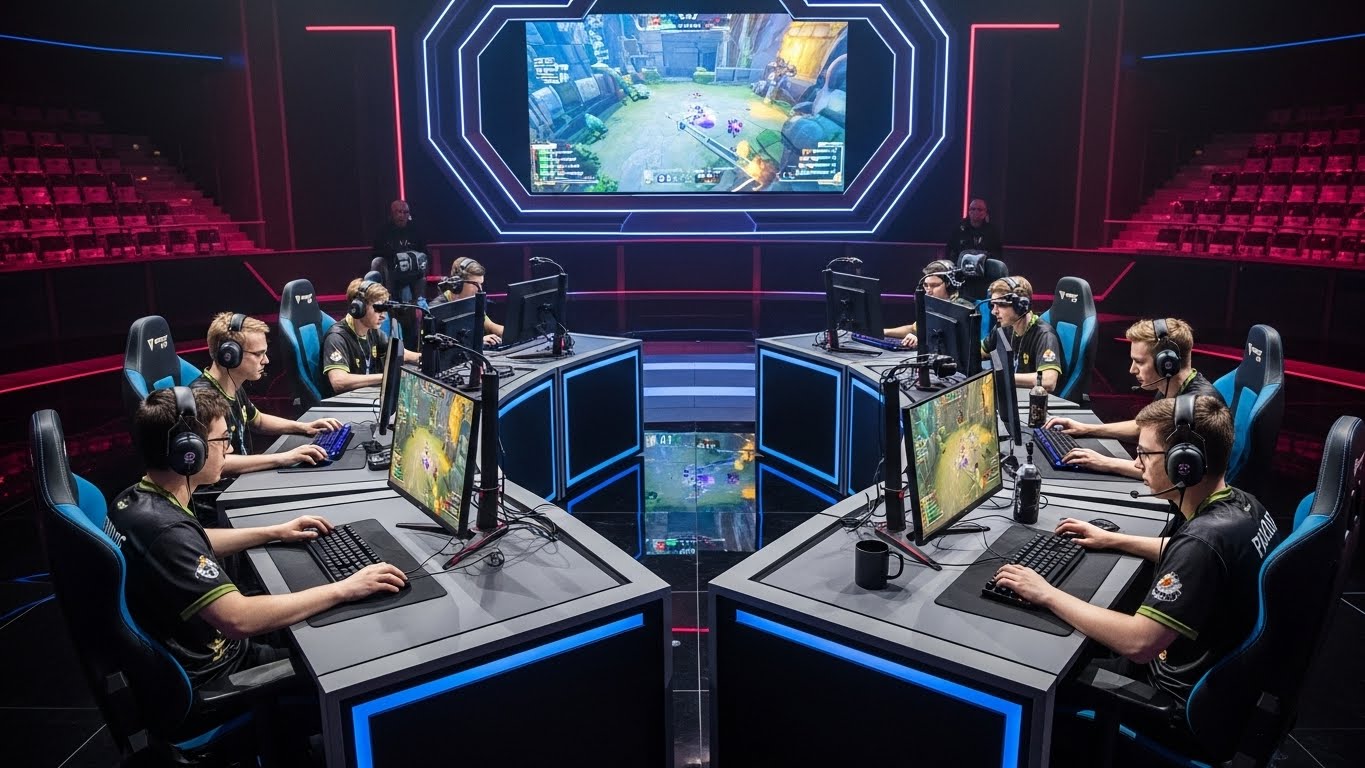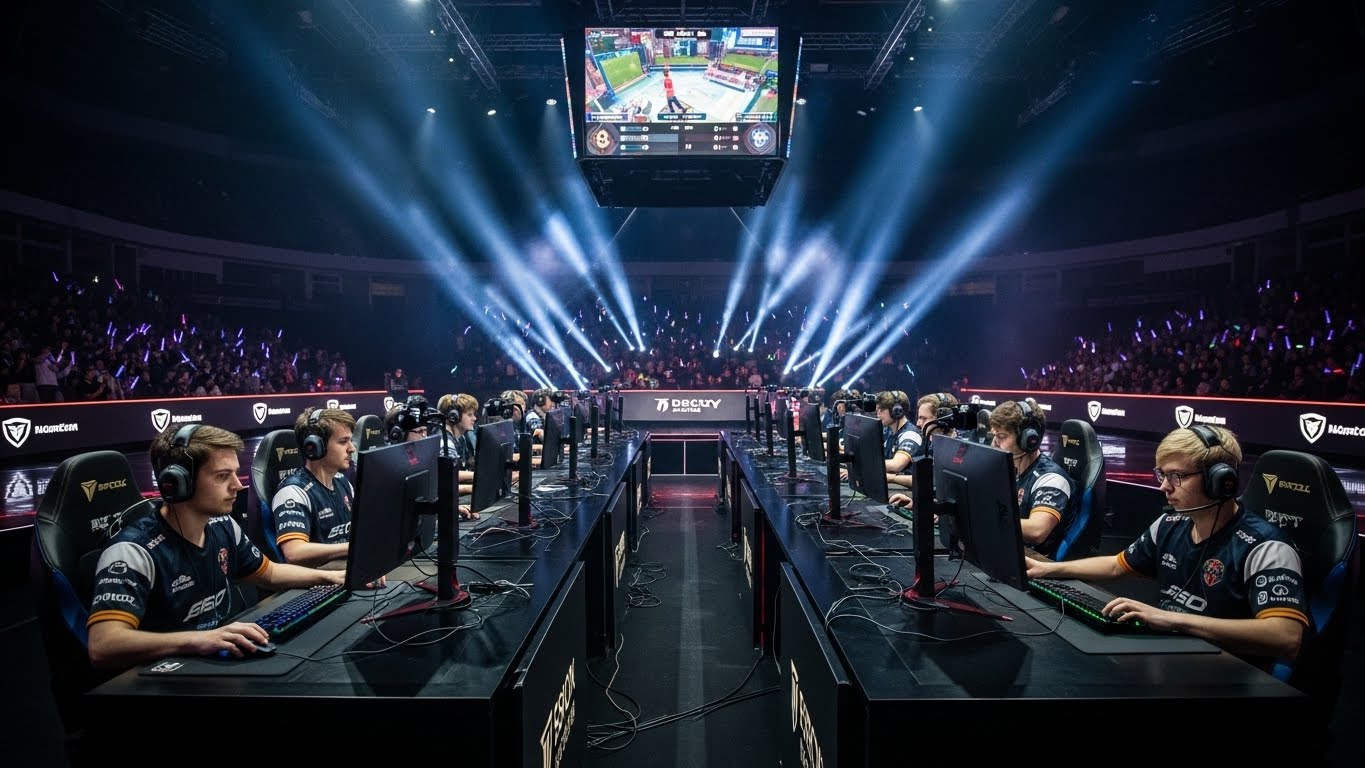
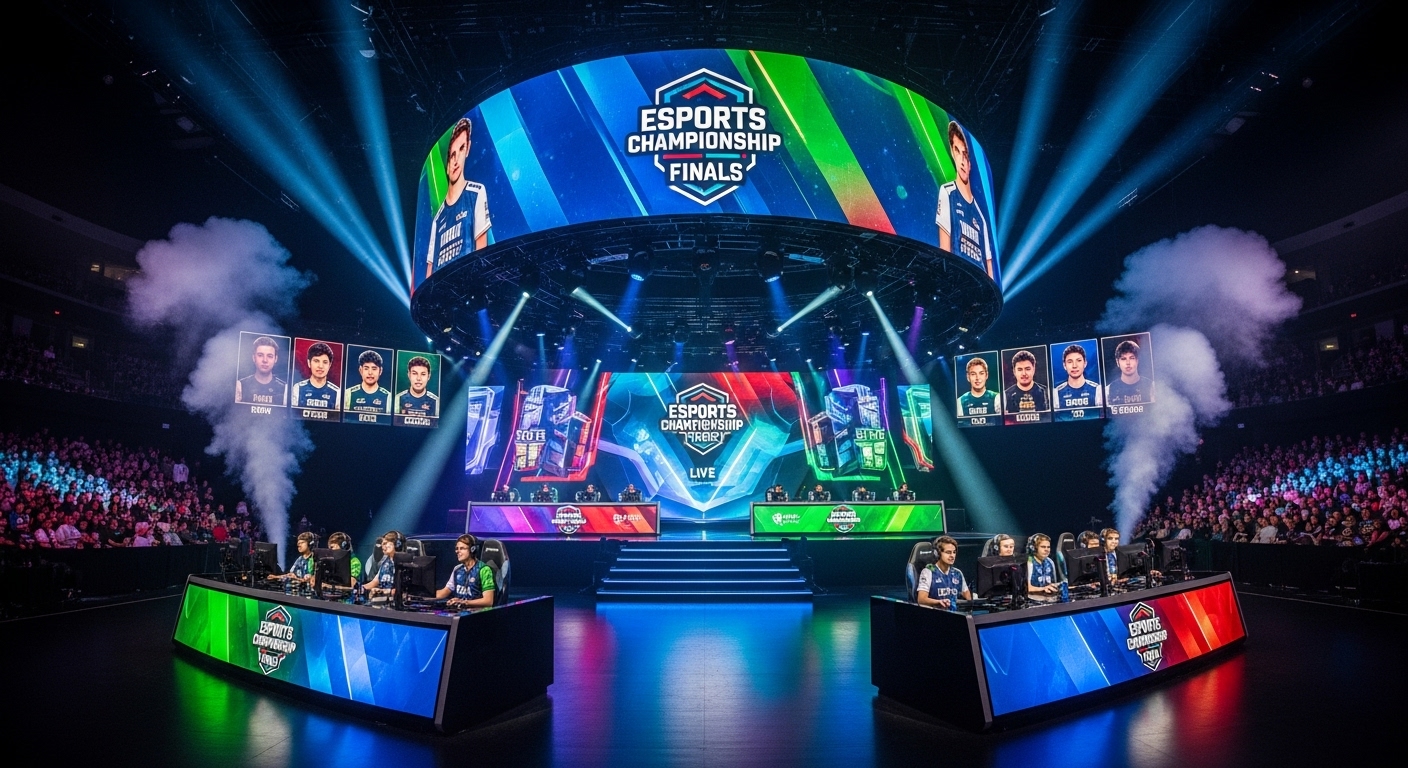
In recent years, esports has transformed from a niche hobby into a massive global industry, captivating millions of fans worldwide. From its humble beginnings as small LAN tournaments and online competitions to multi-million-dollar prize pools and sold-out stadiums, esports has become a significant part of the modern entertainment landscape. This rapid evolution has sparked interest not only from gamers but also from major brands, media companies, and investors. Today, esports is more than just competitive gaming; it’s a cultural movement with a growing impact on sports, technology, and the way people consume entertainment.
The Early Days of Esports
To understand how esports reached its current level of popularity, it’s important to look back at its early days. Competitive gaming dates back to the 1970s and 1980s, with early examples such as the Space Invaders Championship in 1980. However, the modern esports scene began to take shape in the late 1990s and early 2000s, as online gaming became more accessible and network infrastructure improved.
In the early days of esports, competitive events were often informal, taking place in local LAN (local area network) parties or on dedicated gaming forums. Games like Quake, StarCraft, and Warcraft helped form the backbone of the early esports scene, with players organizing local tournaments in arcades or basements. These early competitions were far from the highly produced, large-scale events we see today, but they laid the groundwork for what would eventually become a global phenomenon.
The advent of broadband internet in the early 2000s was a game-changer for competitive gaming, allowing players to compete against one another from different locations around the world. As internet speeds increased and gaming servers became more stable, the reach of esports began to grow.
The Rise of Major Esports Titles
As the esports scene expanded, several key titles emerged that would come to define the genre. These games not only offered competitive gameplay but also attracted large player bases, which helped fuel the industry’s growth.
1. StarCraft and the Birth of Global Esports
Released in 1998, StarCraft became one of the first real-time strategy games to attract serious competitive players. Its complex mechanics, strategic depth, and multiplayer modes allowed for highly competitive gameplay, leading to the creation of professional leagues, especially in South Korea, where StarCraft was treated as a national sport. This game set the stage for many of the esports competitions we see today, including tournament-style leagues and professional teams.
2. League of Legends and the MOBA Revolution
Perhaps no game has had as large an impact on the esports scene as League of Legends (LoL). Released by Riot Games in 2009, LoL revolutionized the multiplayer online battle arena (MOBA) genre and became a staple of the esports ecosystem. With its easy-to-learn yet hard-to-master mechanics, LoL quickly attracted a global player base and an equally massive viewing audience. The League of Legends World Championship, which began in 2011, has since become one of the largest esports tournaments in the world, with millions tuning in each year to watch the top teams compete for glory and multi-million-dollar prize pools.
3. Counter-Strike and the Rise of First-Person Shooters
Counter-Strike (CS) has been a mainstay of esports for over two decades. Originally a mod for Half-Life, Counter-Strike evolved into Counter-Strike: Global Offensive (CS:GO), one of the most popular competitive first-person shooter (FPS) games in the world. Its tactical, team-based gameplay and high skill ceiling have made it a fan favorite in the esports world. CS:GO has fostered a long-running esports league, with major tournaments like ESL Pro League and DreamHack drawing tens of thousands of fans to arenas and millions more watching online.
4. Dota 2 and the Age of Massive Prize Pools
Released by Valve in 2013, Dota 2 quickly became one of the most popular MOBAs in the world. Its intricate gameplay mechanics and steep learning curve made it beloved by hardcore players, while its competitive scene gained immense traction. The International, the game’s flagship tournament, is known for its staggering prize pools, which are crowdfunded by the Dota 2 community. In 2018, The International set a record with a prize pool of over $25 million, cementing its status as one of the richest esports tournaments in history.
Esports: A Multi-Billion-Dollar Industry
As the popularity of esports continued to rise, so did its economic potential. By 2023, the global esports market was estimated to be worth over $1 billion, with projections indicating that the industry could surpass $2 billion by 2025. A major part of this growth can be attributed to increased sponsorships, media rights deals, merchandise sales, and advertising revenues.
Sponsorships and Brand Partnerships
One of the driving forces behind the financial growth of esports has been the influx of sponsorships from major brands. Companies like Coca-Cola, Intel, Mercedes-Benz, and Nike have all entered the esports market, recognizing its appeal to a young, tech-savvy demographic. Esports tournaments are often backed by these high-profile sponsors, helping to fund prize pools and production costs.
Broadcasting and Streaming
Another key factor in the growth of esports has been the rise of streaming platforms like Twitch, YouTube Gaming, and Facebook Gaming. These platforms have allowed players, teams, and tournaments to broadcast live content to a global audience. The popularity of esports streams has led to a significant shift in how people consume live sports and entertainment. According to recent estimates, more than 450 million people worldwide watch esports events, and that number is expected to grow as the industry continues to expand.
Media Rights and Viewership
Just like traditional sports, esports organizations have begun securing media rights deals with major broadcasters. Leagues such as the Overwatch League and Call of Duty League have signed deals with platforms like ESPN and Disney to broadcast their events. These partnerships not only bring esports to a wider audience but also increase the legitimacy of esports as a mainstream entertainment form.
The Esports Ecosystem: Teams, Players, and Coaches
Esports isn’t just about the games themselves—it’s also about the people who make the competitions possible. The esports ecosystem includes professional players, teams, coaches, analysts, broadcasters, and content creators.
Professional Players
The heart of any esports competition is the players. Professional gamers often start their careers at a young age, honing their skills for years before making it to the big leagues. These players train for hours every day, practicing their mechanics, improving their teamwork, and studying the latest strategies. Many professional players also build large followings on streaming platforms, where they engage with fans and showcase their gaming skills.
Esports Teams and Organizations
In addition to individual players, esports has given rise to professional teams and organizations that compete in various games. Some of the biggest esports organizations include Cloud9, Team Liquid, FaZe Clan, and T1. These teams are often sponsored by major brands and work with coaches, analysts, and support staff to optimize their performance. Esports teams compete in global leagues, with some, like League of Legends and CS:GO, offering regional competitions in Europe, North America, and Asia.
Coaching and Analysis
Just like traditional sports, coaching plays a critical role in esports. Many top teams employ coaches and analysts who help refine strategies, analyze opponents, and support players in their preparation. In esports, coaches need a deep understanding of the game’s mechanics and the ability to analyze complex matchups and player tendencies.
The Esports Fan Experience
One of the unique aspects of esports is its ability to bring fans closer to the action. Fans can watch live streams of their favorite players and teams in real-time, interact with them through chat, and even participate in online voting and polls.
Live Events and Arenas
Esports tournaments are now held in massive arenas around the world, with events like the League of Legends World Championship and The International drawing tens of thousands of spectators. These events are often broadcast to millions more through streaming platforms, creating a virtual stadium experience. The atmosphere at these events is electric, with fans cheering for their favorite teams and creating an experience similar to traditional sports events.
Fan Engagement and Community
Esports fans are incredibly passionate and active in their communities. Fans engage in online discussions, follow players and teams on social media, and create fan art, memes, and content related to their favorite games. Esports has fostered a sense of community that goes beyond the games themselves, with fans forming tight-knit groups around shared interests and favorite players.
The Future of Esports: Challenges and Opportunities
While the future of esports looks incredibly bright, there are still several challenges that need to be addressed. One of the biggest hurdles is the sustainability of esports careers. While top players can earn millions, the average lifespan of a professional gamer is relatively short, with many players retiring in their mid-to-late 20s. This has led to a focus on creating more stable career paths in areas like coaching, streaming, broadcasting, and game development.
Another challenge is ensuring the inclusivity and accessibility of esports. While the industry has come a long way, there is still work to be done in creating equal opportunities for women and underrepresented groups in gaming. Diversity in esports is an area that continues to be actively discussed and worked on by industry leaders.
Despite these challenges, the opportunities for growth are immense. As technology continues to evolve, new innovations like virtual reality, augmented reality, and artificial intelligence may change the way esports are played, watched, and experienced. The potential for esports to continue