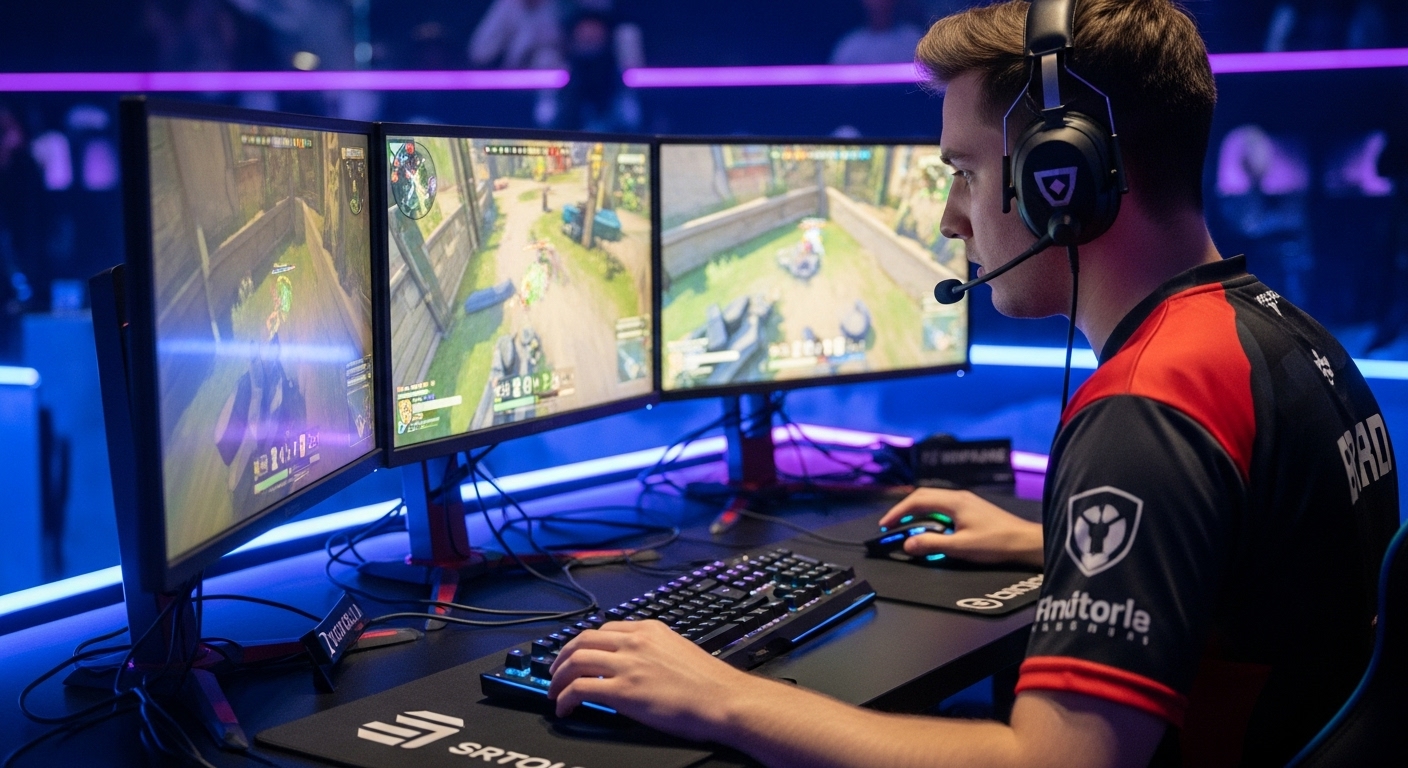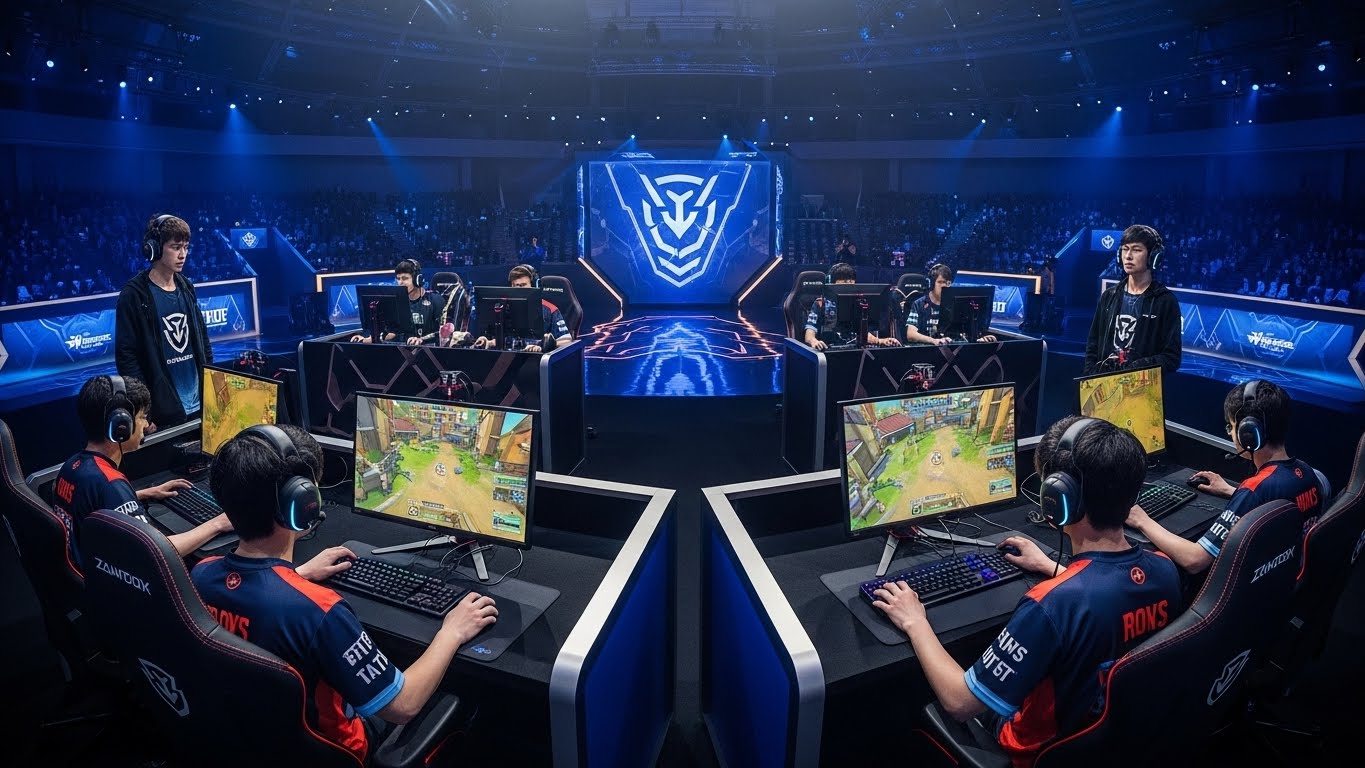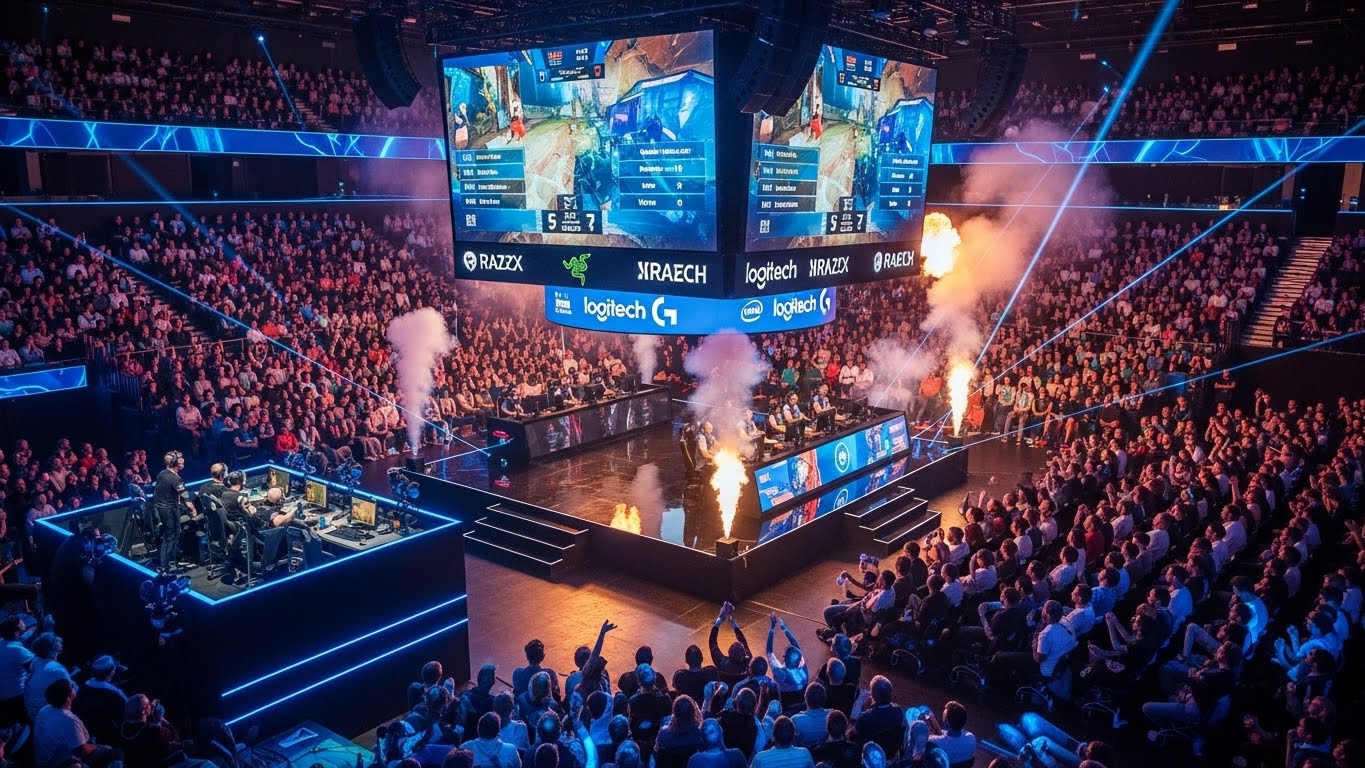
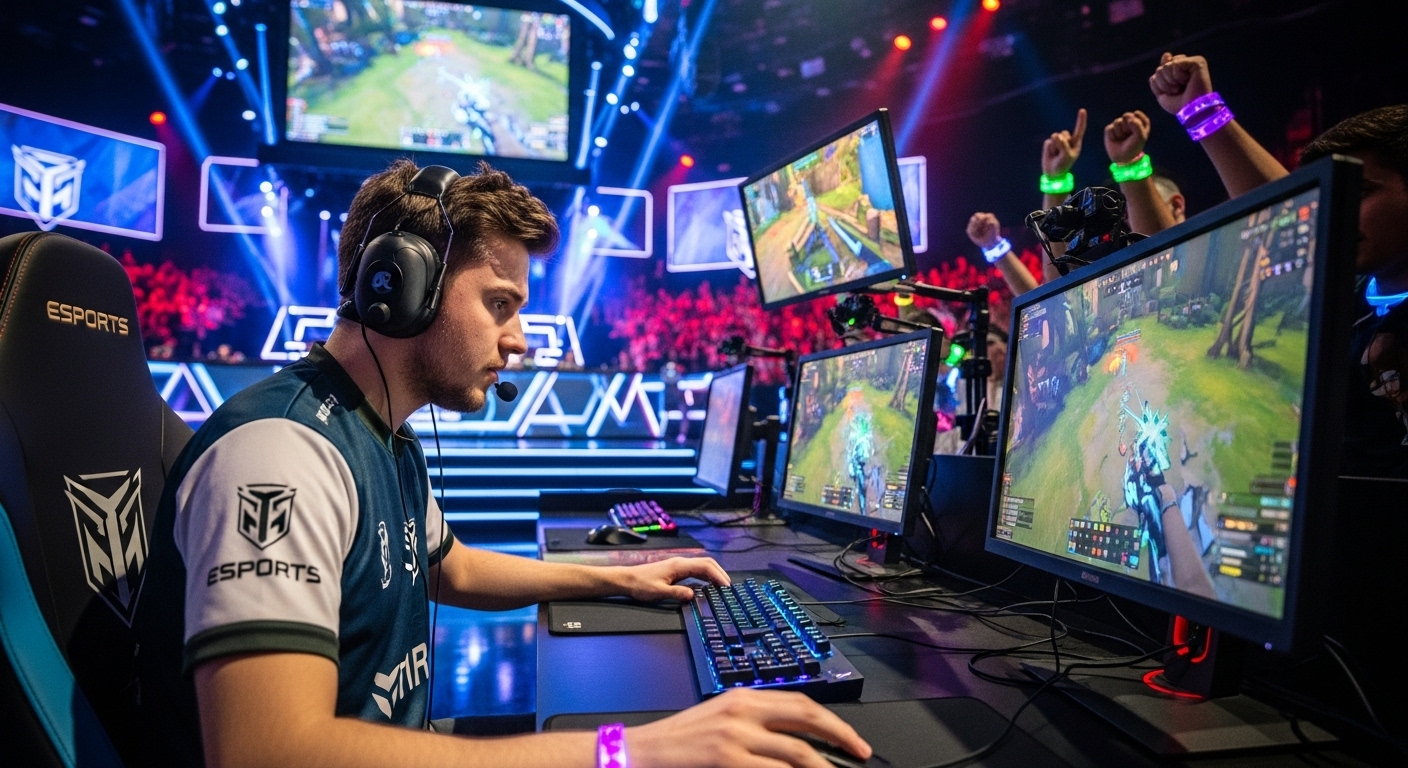
Esports, or electronic sports, has rapidly evolved over the past two decades to become one of the most significant phenomena in the world of entertainment, drawing millions of viewers, players, and investors alike. From humble beginnings in arcade halls to global tournaments with multimillion-dollar prize pools, the esports industry has undergone a massive transformation. In this blog post, we will explore the history, growth, cultural impact, and future of esports, highlighting how it has become an integral part of modern digital culture.
A Brief History of Esports
Esports is not a modern-day invention, but rather an idea that has existed since the early days of video gaming. The roots of competitive gaming date back to the 1970s and 1980s, when tournaments were held for games like Pong, Space Invaders, and Pac-Man. These early competitions were mostly localized events, often with small prize pools or simply the prestige of being crowned the best player in the arcade.
One of the most famous early tournaments was the Space Invaders Championship held by Atari in 1980, which marked one of the first times competitive gaming was taken seriously on a larger scale. However, it wasn’t until the late 1990s and early 2000s that the infrastructure and technology for professional esports began to take shape.
The Birth of Modern Esports (1990s-2000s)
In the 1990s, competitive gaming began to gain more structure with the arrival of multiplayer online games. Titles like Warcraft, StarCraft, and Quake introduced competitive play that could be enjoyed by players around the world through the internet, leading to the rise of online tournaments and leagues. These games were often hosted on LAN (Local Area Network) parties, where players would gather in physical locations to compete in team-based or individual competitions.
One of the most significant events in the history of esports occurred in 1997 with the launch of the Red Annihilation Tournament for Quake. This tournament was noteworthy for its large prize pool and the involvement of professional players. It set the stage for future esports events and showed that gaming could be taken seriously as a competitive sport.
The early 2000s were marked by the rise of key organizations and leagues such as Major League Gaming (MLG), which helped shape the competitive landscape. Esports continued to grow, with more online games being introduced that catered to professional play. As high-speed internet became more accessible and game publishers began to support competitive scenes, esports took its first real steps toward becoming a global industry.
Esports Goes Global: The Rise of Major Tournaments
By the mid-2000s, esports tournaments were no longer limited to small-scale competitions. Titles like League of Legends, Dota 2, and Counter-Strike began to dominate the competitive scene, and tournaments started offering significant cash prizes, bringing in professional players and large audiences alike.
One of the turning points for esports came in 2011, when the first International Dota 2 Championship took place. The event not only offered a large prize pool but also became a focal point for the esports community. The prize pool for this event was crowdfunded by the game’s community, setting a precedent for how esports tournaments could leverage fan engagement and create an economic model for sustainability.
In the years that followed, the League of Legends World Championship became another iconic tournament, drawing millions of viewers worldwide and establishing itself as one of the biggest esports events globally. The growing prize pools, often in the millions of dollars, solidified the idea that esports was more than just a hobby for a niche group—it was a professional career for many.
The Role of Streaming Platforms
One of the key factors in the meteoric rise of esports was the emergence of streaming platforms, notably Twitch. Launched in 2011, Twitch allowed players to stream their games in real-time, creating a platform where fans could watch live competitions, cheer for their favorite players, and engage with the community.
Twitch’s launch coincided with the increasing popularity of esports, making it a perfect platform for the industry to grow. Streamers and professional gamers could now monetize their content through sponsorships, advertisements, and donations. This not only helped esports grow in terms of visibility but also provided new career opportunities for gamers and content creators alike.
In addition to Twitch, platforms like YouTube Gaming, Facebook Gaming, and more recently Trovo have also played a significant role in popularizing esports. These platforms have enabled fans from all over the world to watch high-level gameplay, whether it’s professional tournaments or casual streams, and have become an integral part of the esports ecosystem.
The Cultural Impact of Esports
As esports has grown, so too has its impact on popular culture. No longer seen as a niche or underground subculture, esports has entered the mainstream. Major sports networks like ESPN and Fox Sports have started broadcasting esports tournaments, while traditional sports teams and celebrities have invested in esports organizations.
Esports and Traditional Sports
The intersection between esports and traditional sports has been one of the most fascinating developments in the past decade. Major sports organizations, including professional football and basketball teams, have either started their own esports franchises or invested in existing teams. For instance, The Philadelphia 76ers and Team Liquid formed a partnership, creating a fusion of traditional sports and esports in one brand.
Furthermore, athletes from other sports, such as Shaquille O’Neal and David Beckham, have publicly supported or invested in esports. This has helped bridge the gap between traditional and digital sports, making esports more acceptable and appreciated by a wider audience.
Esports in Popular Media
Esports has also gained prominence in mainstream media. Video games, once relegated to niche corners of television, have now found their way into the broader entertainment industry. In 2019, the Esports Awards was held in Las Vegas, attracting millions of viewers, celebrities, and influencers. There have also been numerous documentaries, series, and films exploring esports and its players.
In 2020, Netflix released a documentary series titled “High Score”, which explored the history of video games and their cultural impact, including the rise of esports. Similarly, films like “The King of the World” and “Game Changers” have also begun to highlight the journey of professional esports players, their struggles, and their triumphs.
Esports and Youth Culture
For young people, esports is not just about playing games—it’s about being part of a larger community. Esports has created a global network of fans, players, and content creators who share a passion for gaming. This digital space allows individuals from all over the world to connect, collaborate, and compete. For many, being a part of this community is just as important as the games themselves.
Esports has also influenced the way younger generations consume entertainment. Gone are the days when traditional sports were the sole form of competition. Today, many young people look to esports for excitement, entertainment, and a sense of belonging. Whether it’s through casual gaming, following their favorite streamers, or attending live esports events, young people are increasingly identifying with the esports culture.
The Future of Esports
As esports continues to expand, the future looks bright. Experts predict that esports will continue to grow, both in terms of viewership and investment. With technological advancements in gaming hardware and the increasing availability of high-speed internet, esports is poised to reach new heights. Here are some key trends and potential developments to watch in the coming years.
1. Virtual and Augmented Reality (VR/AR)
Virtual and augmented reality could revolutionize the esports landscape by providing an even more immersive experience for players and viewers. As VR and AR technology improves, we may see new types of esports competitions, with players physically immersed in the game world.
2. Increased Investment and Sponsorships
The level of investment and sponsorship in esports is expected to rise even further. As more brands recognize the potential of esports, we can expect increased sponsorships from major companies, including those from outside the gaming industry. This could include partnerships with clothing brands, car manufacturers, and even tech companies like Google and Apple.
3. Expansion into New Regions
Esports is already a global phenomenon, but there are still regions that are emerging as esports powerhouses. Asia, particularly China and South Korea, has been at the forefront of the esports revolution, but other regions such as Latin America and Africa are catching up. The increasing popularity of esports in these areas presents new opportunities for growth, including tournaments, sponsorships, and player development programs.
4. Collegiate Esports and Scholarships
The rise of collegiate esports programs is another key trend. Many universities around the world now offer scholarships for students to compete in esports, creating a pathway for young players to make a career out of gaming. As the popularity of esports grows, it’s likely that more institutions will invest in collegiate esports programs, further legitimizing esports as a career path for aspiring players.
Conclusion
Esports has come a long way from its early days as a niche activity to becoming a global, multi-billion-dollar industry. With the growing fanbase, expanding investment opportunities, and increasing crossover with traditional sports and media, esports has firmly established itself as an integral part of digital culture. As we look toward the future, the potential for esports to evolve and become even more widespread is enormous. Whether it’s through innovative technologies like VR, expansion into new regions, or further integration with mainstream entertainment, esports is here to stay, and its growth is just beginning.