Introduction to the World of Esports
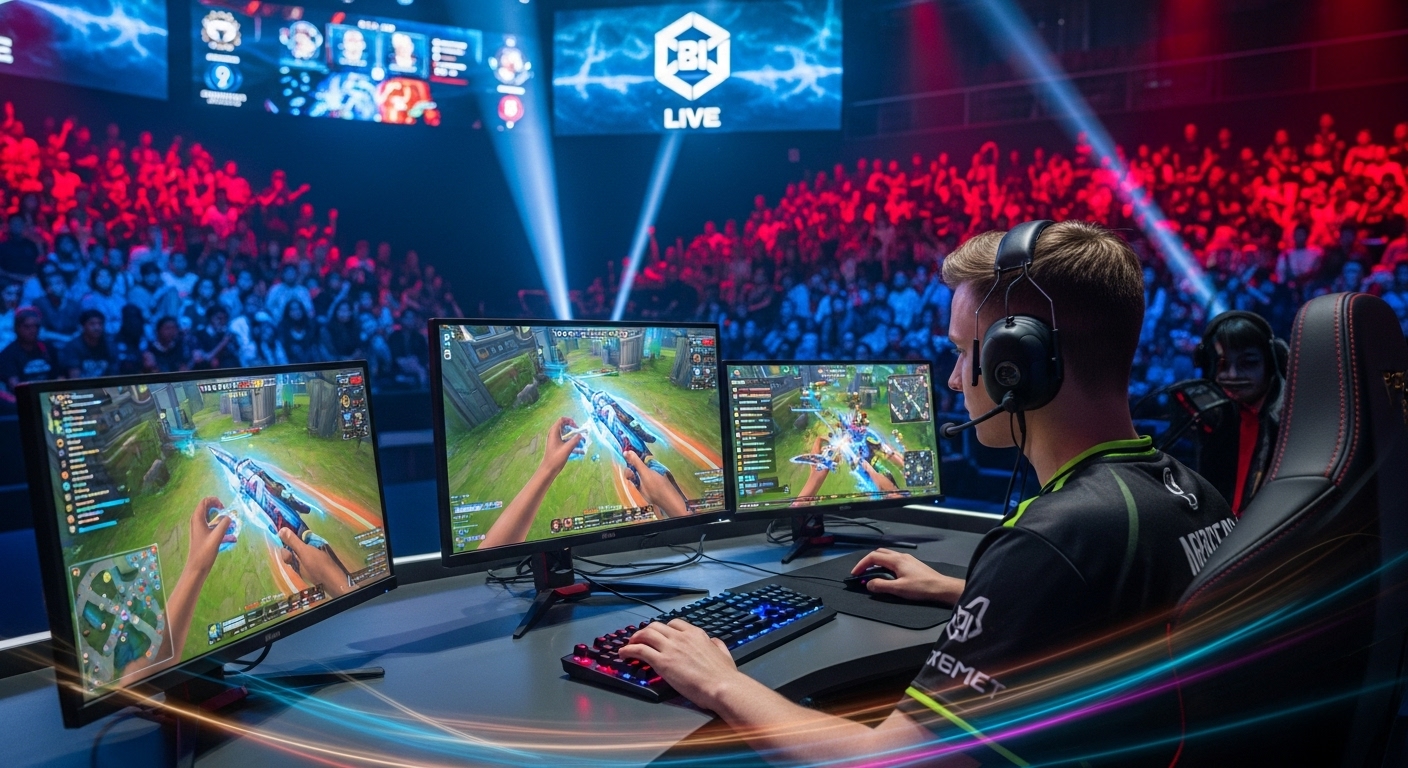
Esports, short for electronic sports, has evolved from a niche pastime into a global phenomenon that rivals traditional sports in popularity, revenue, and cultural influence. What began as friendly competitions among gamers has grown into a massive industry with professional leagues, international tournaments, and multi-million-dollar sponsorship deals. The digital era has transformed how people play, watch, and interact with games, making esports one of the defining movements of modern entertainment.
In the past two decades, the gaming industry has seen exponential growth, and esports has become a key part of this evolution. Unlike casual gaming, esports is centered on organized, competitive play, often featuring professional players, teams, and structured leagues. The development of online streaming platforms, such as those that allow gamers to broadcast to millions, has further fueled its rise, giving audiences worldwide front-row access to thrilling digital competitions.
The Early Beginnings of Esports
The roots of esports can be traced back to the late 20th century. The first recognized gaming competition took place in 1972 at Stanford University, where students competed in a game called Spacewar. While this was far from the professional leagues of today, it marked the start of organized gaming. The 1980s saw the emergence of arcade gaming tournaments, where players competed for high scores in games like Pac-Man and Donkey Kong.
However, the true spark came in the 1990s when personal computers and home consoles became more accessible. Games like Doom, StarCraft, and Counter-Strike began to create competitive communities. LAN (Local Area Network) parties were popular, where gamers would connect computers to play in the same space. These gatherings laid the groundwork for organized esports events.
The turn of the millennium introduced major tournaments such as the World Cyber Games and the Electronic Sports World Cup, which helped establish esports as a legitimate competitive platform. Players began to gain recognition, sponsors emerged, and the concept of a professional gamer took shape.
The Rise of Professional Esports
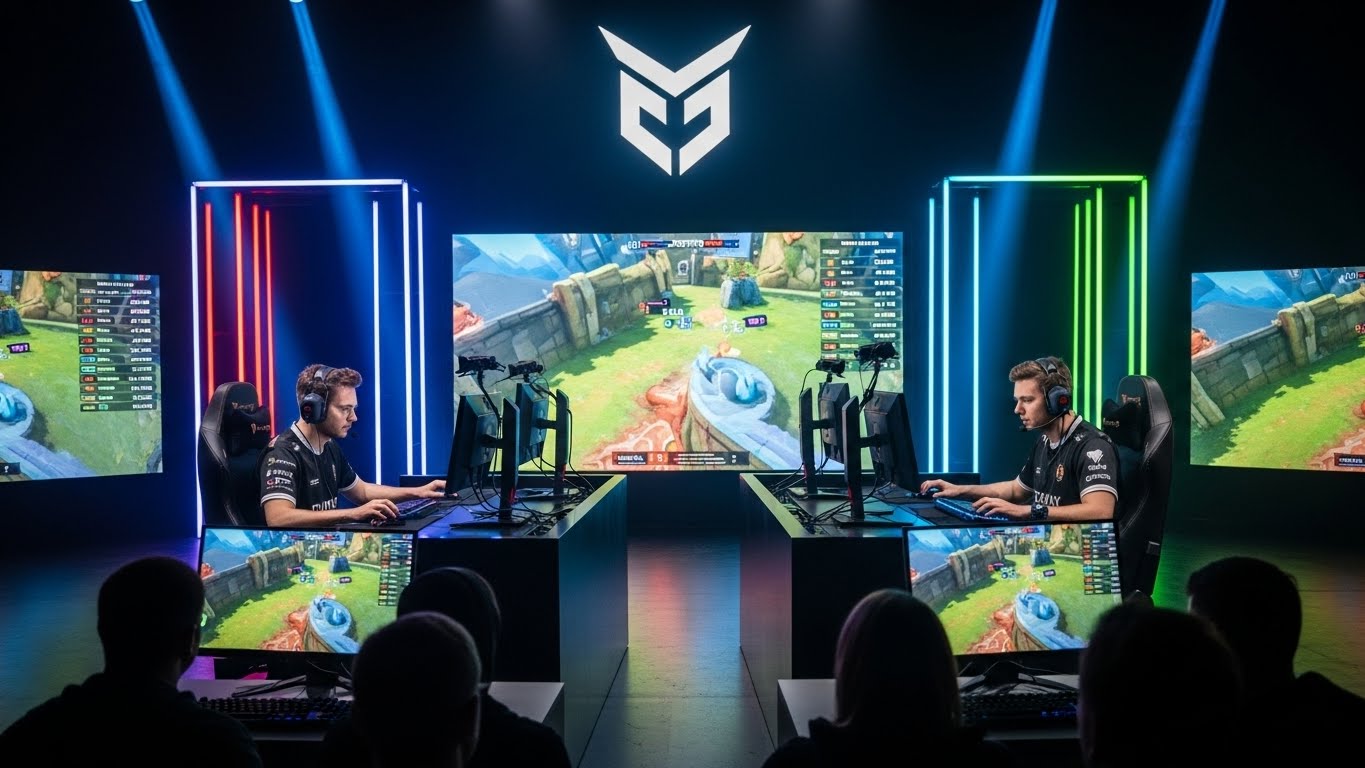
As technology advanced, esports evolved into a professional pursuit. Games like League of Legends, Dota 2, and Counter-Strike: Global Offensive became the foundation of major tournaments. These titles required teamwork, strategy, and exceptional skill, much like traditional sports. Teams began to form with coaches, analysts, and sponsors, turning what was once a hobby into a career.
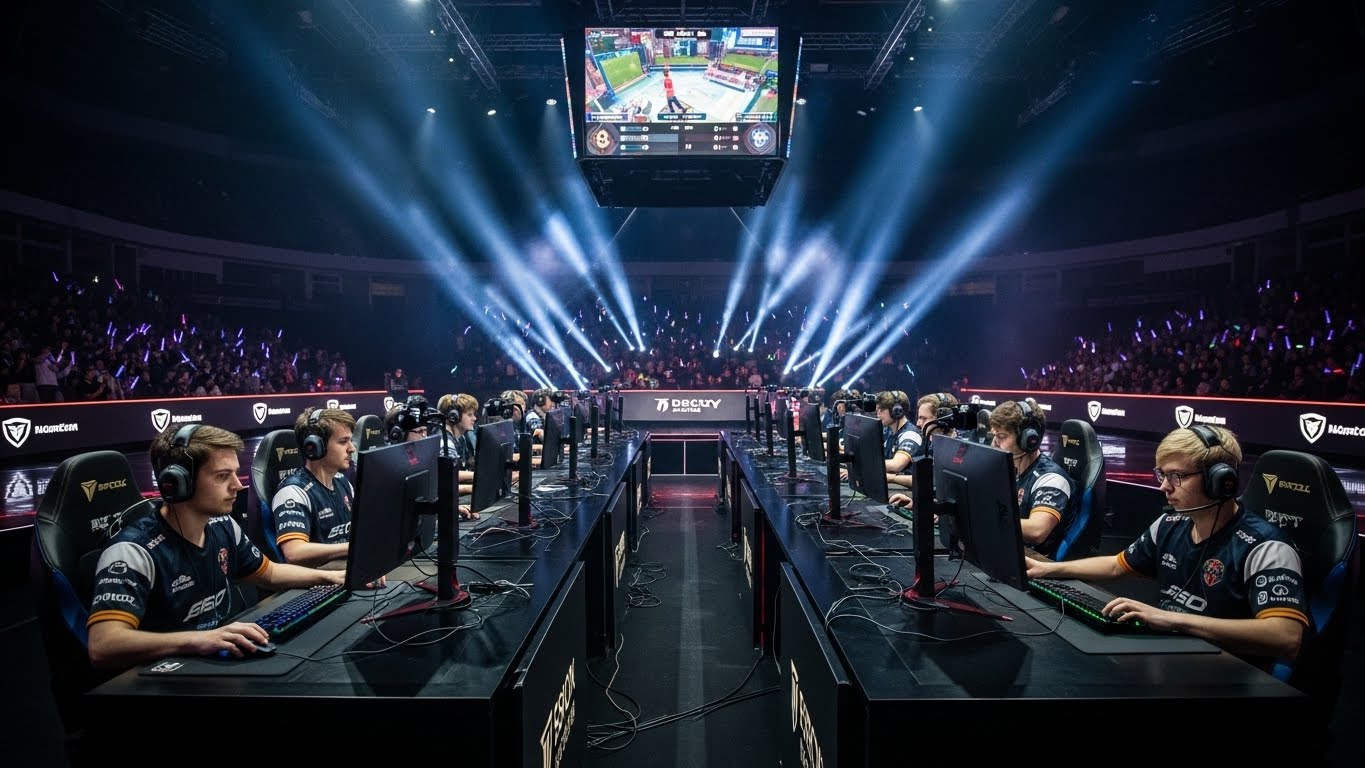
The emergence of live streaming platforms revolutionized the industry. Fans could now watch their favorite players in real-time from anywhere in the world. This accessibility made esports one of the most inclusive entertainment mediums, appealing to both players and viewers. Events such as The International, the League of Legends World Championship, and the Fortnite World Cup attracted millions of viewers and offered prize pools exceeding tens of millions of dollars.
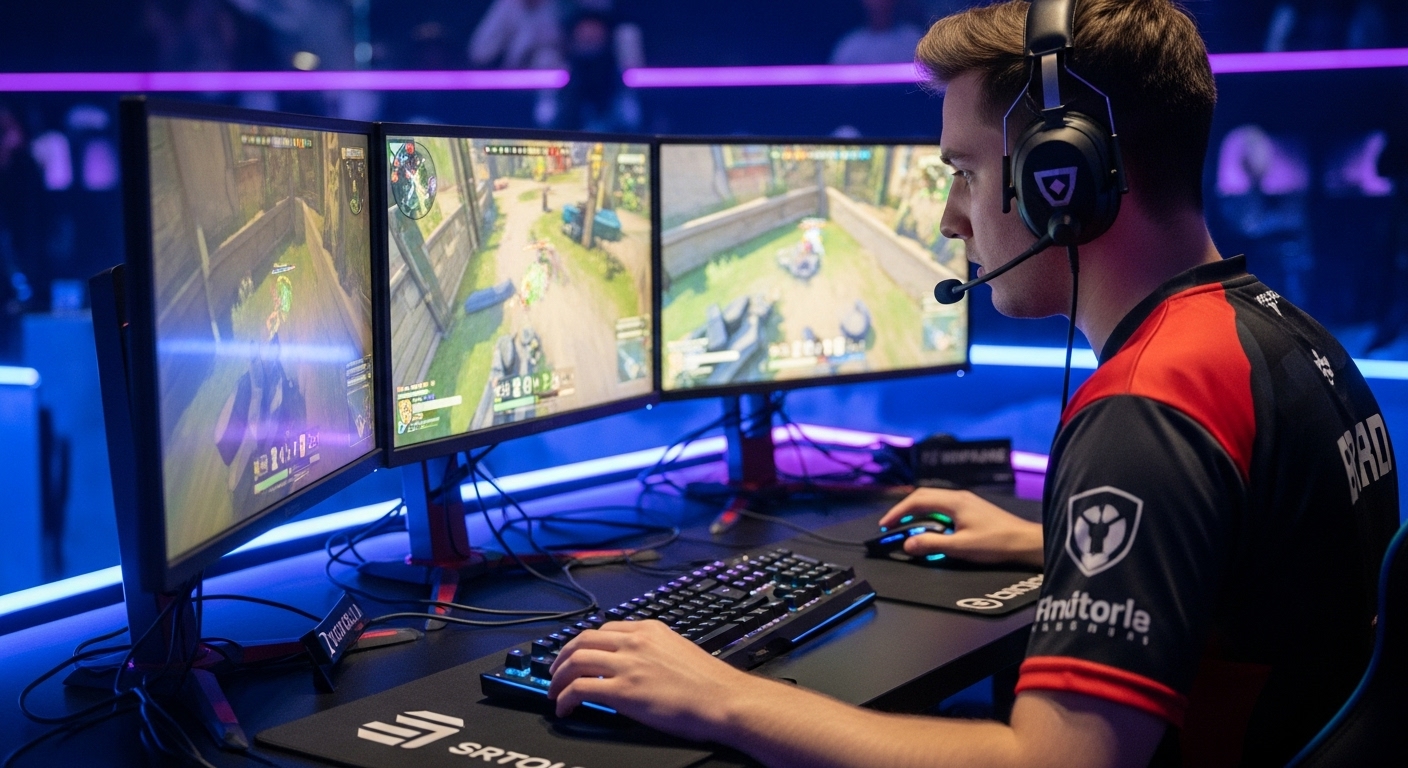
Today, professional players train rigorously, often practicing eight to twelve hours a day. Teams live together in gaming houses or training facilities, working on strategies, communication, and coordination. The professionalism and dedication displayed by these players mirror the commitment seen in athletes from traditional sports.
The Global Popularity of Esports
Esports is not confined to a single region or demographic. Its universal appeal lies in its accessibility. Anyone with an internet connection can participate or watch. Asia, particularly South Korea, played a crucial role in popularizing esports. South Korea was among the first countries to treat gaming as a professional sport, with players achieving celebrity status. The country established esports associations, TV broadcasts, and academic programs related to gaming.
In North America and Europe, esports gained traction through streaming platforms and gaming organizations that invested heavily in professional teams. Meanwhile, countries like China have become massive markets for esports, boasting some of the largest audiences and infrastructure in the world.
The global appeal of esports has also led to cross-cultural exchange and collaboration. Players from different countries often compete on the same teams, and international tournaments bring together diverse communities, united by a shared passion for gaming.
Esports and Mainstream Recognition
In the past, gaming was often seen as a solitary or even unproductive activity. Today, esports has shattered that stereotype. Universities around the world offer esports scholarships, and major sports organizations have invested in gaming teams. Traditional sports clubs such as football and basketball organizations have established their own esports divisions, recognizing the potential for audience growth and engagement.
Media coverage has also shifted dramatically. Esports events are broadcast on major television networks, covered by sports journalists, and discussed in mainstream media. This level of recognition has legitimized esports as a viable career path and an important part of modern culture.
Even the Olympic community has taken notice. Discussions about including esports in future Olympic events reflect its growing influence. While there are debates about which games are suitable for such a platform, the fact that esports is being considered alongside traditional athletics signifies its global impact.
The Economics of Esports
The esports economy is vast and multifaceted. Revenue streams come from sponsorships, advertising, ticket sales, merchandise, and broadcasting rights. Global esports revenue has surpassed billions of dollars, with steady growth projected for the coming years. Major corporations sponsor teams and tournaments to reach younger, tech-savvy audiences.
Prize pools for tournaments have reached record-breaking figures, with some events offering tens of millions of dollars in winnings. Beyond the professional circuit, gaming influencers and streamers also generate significant income through brand deals and viewer support.
The esports ecosystem also creates jobs beyond professional players. Coaches, analysts, commentators, event organizers, and game developers all contribute to the industry’s growth. Cities that host major tournaments benefit economically from tourism and global exposure.
The Role of Technology in Esports Growth
The rapid advancement of technology has been central to the success of esports. High-speed internet, powerful gaming hardware, and sophisticated streaming tools have made global connectivity seamless. Players can compete from different continents in real-time, and audiences can enjoy high-definition broadcasts with minimal delay.
Virtual reality and augmented reality are poised to add new dimensions to the esports experience, blending physical and digital worlds. Artificial intelligence is being used to analyze player performance and optimize strategies. The integration of cutting-edge technology ensures that esports will continue to evolve alongside the broader digital landscape.
Mobile gaming has also become a major driver of esports expansion. Games like PUBG Mobile, Mobile Legends, and Free Fire have brought competitive gaming to millions who may not own high-end gaming computers. This accessibility has made esports more inclusive and diversified the player base globally.
The Community and Culture of Esports
At its core, esports is about community. Online gaming platforms have created spaces where players can connect, compete, and collaborate regardless of geographical boundaries. Esports communities are vibrant, with fan art, social media discussions, and fan clubs that mirror the culture of traditional sports fandoms.
Esports events are not just competitions—they are celebrations of gaming culture. Fans attend conventions, cosplay as their favorite characters, and interact with players. The sense of belonging and shared enthusiasm among fans is one of the defining aspects of esports culture.
Streaming has also made esports a social experience. Viewers engage directly with players through chat interactions, creating a personal connection between fans and competitors. This two-way communication is unique to digital entertainment and helps sustain viewer engagement.
Challenges Faced by the Esports Industry
Despite its success, esports faces challenges. Player burnout is a significant issue, as intense schedules and mental pressure can lead to exhaustion. The industry also struggles with issues related to fair play, such as cheating, match-fixing, and hacking. Maintaining integrity is crucial for long-term credibility.
Another challenge lies in regulation. Unlike traditional sports, esports lacks a universal governing body. Rules and standards vary across games and regions, leading to inconsistencies in player contracts and tournament structures. Establishing standardized regulations is essential to ensure fair treatment of players and transparency in competitions.
Diversity and inclusion are also areas where esports can improve. The industry remains male-dominated, and while female players and teams are emerging, they often face discrimination or lack of representation. Efforts to create more inclusive environments and promote diversity are vital for the industry’s growth and sustainability.
Esports and Education
Esports has made its way into educational institutions worldwide. Universities and colleges have established esports programs, offering degrees in game design, digital media, and esports management. Competitive gaming scholarships are becoming common, attracting talented players to academic institutions.
These programs not only develop players but also train professionals for various roles in the industry. Courses in broadcasting, event management, and business analytics equip students with the skills needed to thrive in esports-related careers. Educational initiatives have helped legitimize esports as both an academic and professional pursuit.
The Social Impact of Esports
Esports has the power to bring people together, transcending borders, languages, and cultural differences. Gaming communities foster teamwork, communication, and problem-solving skills. For many, esports provides a sense of belonging and identity.
Esports also contributes to charitable causes. Many tournaments and streamers organize fundraising events for global issues such as disaster relief, education, and health care. The ability of esports to mobilize large communities for positive change demonstrates its influence beyond entertainment.
Moreover, esports offers career opportunities to individuals who might not fit into traditional paths. From professional gaming to content creation and technical roles, esports empowers people to turn passion into livelihood.
The Future of Esports
The future of esports looks incredibly bright. As technology continues to evolve, the boundaries between virtual and physical sports will blur even further. The rise of the metaverse could transform esports into fully immersive experiences where players and fans interact in shared digital spaces.
Investment in esports infrastructure is increasing globally. New arenas, training centers, and digital platforms are being developed to accommodate the growing audience. As 5G and cloud gaming technologies become widespread, the accessibility of esports will reach new heights.
In the coming years, esports is expected to integrate more closely with mainstream media and entertainment. Collaborations with music artists, fashion brands, and film studios are already happening, expanding its cultural footprint. The blending of gaming and lifestyle industries will create new forms of digital expression and entertainment.
Conclusion
Esports has come a long way from its humble beginnings in university basements and arcade halls. It has evolved into a multi-billion-dollar global industry that influences culture, technology, and entertainment. More importantly, it has redefined what competition means in the digital age.
The success of esports is not merely about the games—it is about the people who play, watch, and support them. It embodies the spirit of innovation, creativity, and community that defines the modern era. As technology advances and societies become more interconnected, esports will continue to break barriers and inspire future generations of gamers and dreamers alike.