Introduction
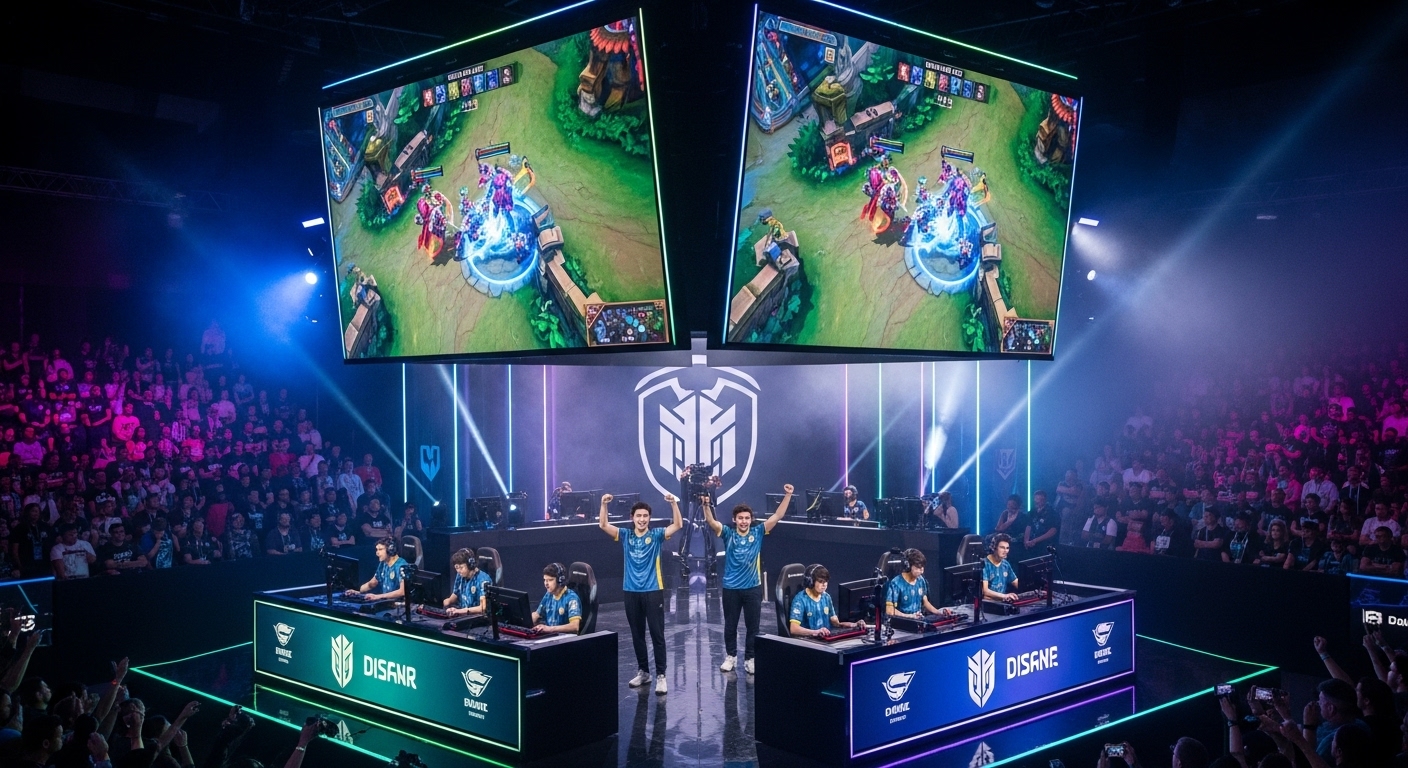
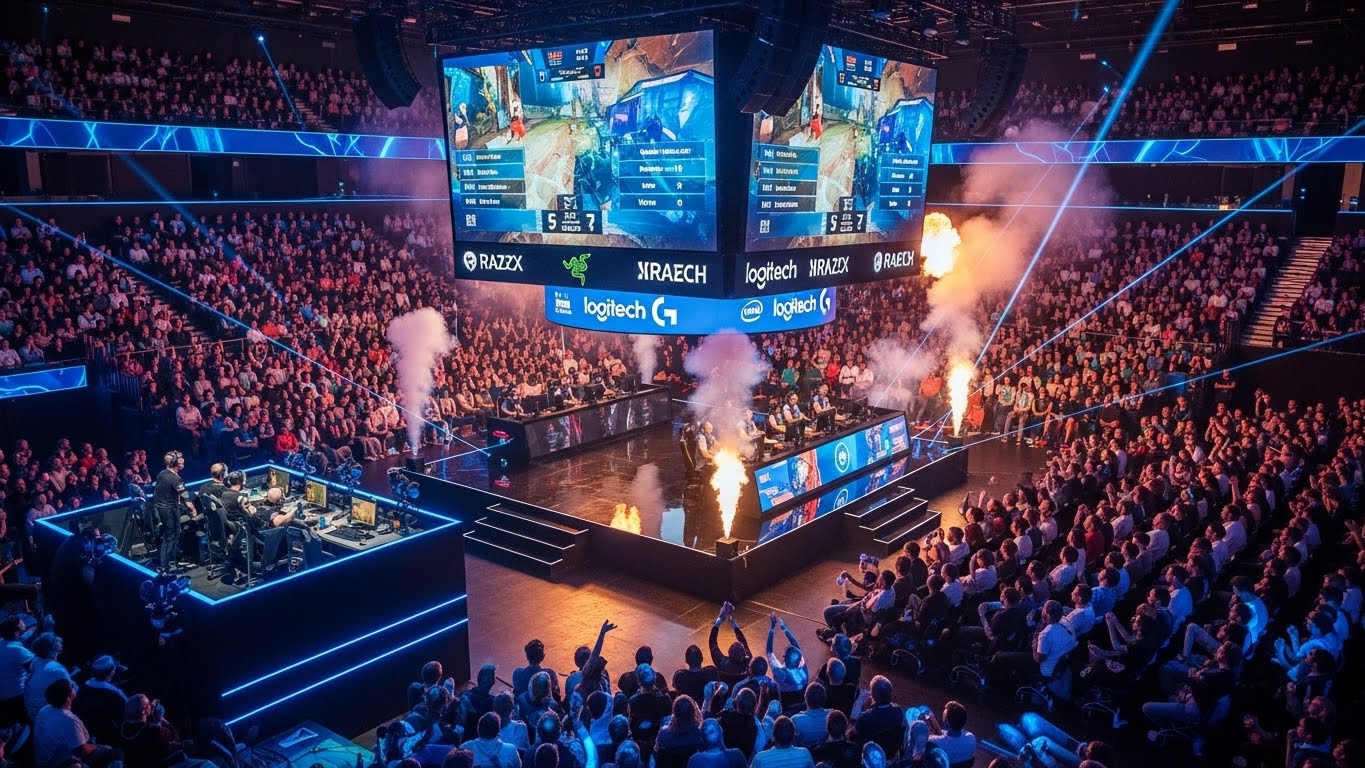
Esports has transformed the landscape of competitive entertainment. What was once considered a pastime for hobbyists has now emerged as a professional industry that rivals traditional sports in viewership, revenue, and cultural influence. The rise of esports is a testament to how technology, creativity, and human skill intersect in the digital era. From local gaming competitions to global tournaments broadcast to millions, esports has evolved into a cultural phenomenon that is reshaping how we define competition, teamwork, and entertainment.
The industry’s growth has been meteoric. Over the past two decades, esports has progressed from small gatherings in basement LAN parties to international stadiums filled with spectators and millions of viewers online. This transformation has impacted not just gamers but also sponsors, educational institutions, and media networks worldwide. In this article, we will explore the origins of esports, its evolution, the professional ecosystem, the economic impact, cultural significance, and what the future holds for this dynamic industry.
The Early Days of Competitive Gaming
The roots of esports can be traced back to the early 1970s when students at Stanford University organized the first known video game competition featuring Spacewar. The prize was minimal, yet it marked the beginning of competitive gaming. The 1980s saw the arcade era rise, where games like Pac-Man, Donkey Kong, and Galaga attracted players eager to achieve the highest scores. Arcade competitions were localized and informal, but they set the foundation for competitive gaming culture.
The 1990s brought significant change with the advent of personal computers and the internet. Multiplayer games such as Quake, Warcraft, and StarCraft introduced competitive formats that extended beyond local arcades. Players could now challenge opponents across different regions, laying the groundwork for a global esports network. LAN tournaments became increasingly popular, allowing players to gather and compete in organized events, which would eventually evolve into professional circuits.
The Rise of Professional Esports
The early 2000s marked the era where esports began transitioning into a professional industry. South Korea led this shift, with games like StarCraft gaining massive popularity. Television channels dedicated to broadcasting competitive matches emerged, and professional players began to receive recognition comparable to traditional athletes. South Korea demonstrated that competitive gaming could be more than a hobby; it could be a profession with a structured career path.
Around the same time, international tournaments began to gain traction. The World Cyber Games, Major League Gaming, and Electronic Sports World Cup attracted players and spectators worldwide. Games like Counter-Strike and Warcraft III became cornerstones of competitive gaming. With online streaming becoming more accessible, tournaments started reaching a global audience, further solidifying esports as a serious and professional pursuit.
Streaming and the Global Audience
One of the most significant factors in the rise of esports has been the development of streaming platforms. Services like Twitch and YouTube Gaming transformed the way audiences consumed esports. Fans could now watch live matches from anywhere in the world, interact with commentators, and engage with other viewers in real-time. This level of accessibility allowed esports to reach audiences far beyond traditional gaming communities.
Streaming also empowered individual players to build personal brands. Many professional players doubled as content creators, sharing gameplay, tutorials, and commentary with millions of followers. This blend of competition and entertainment created a unique ecosystem where fans were not only spectators but also participants in the culture surrounding esports.
The Professional Esports Ecosystem
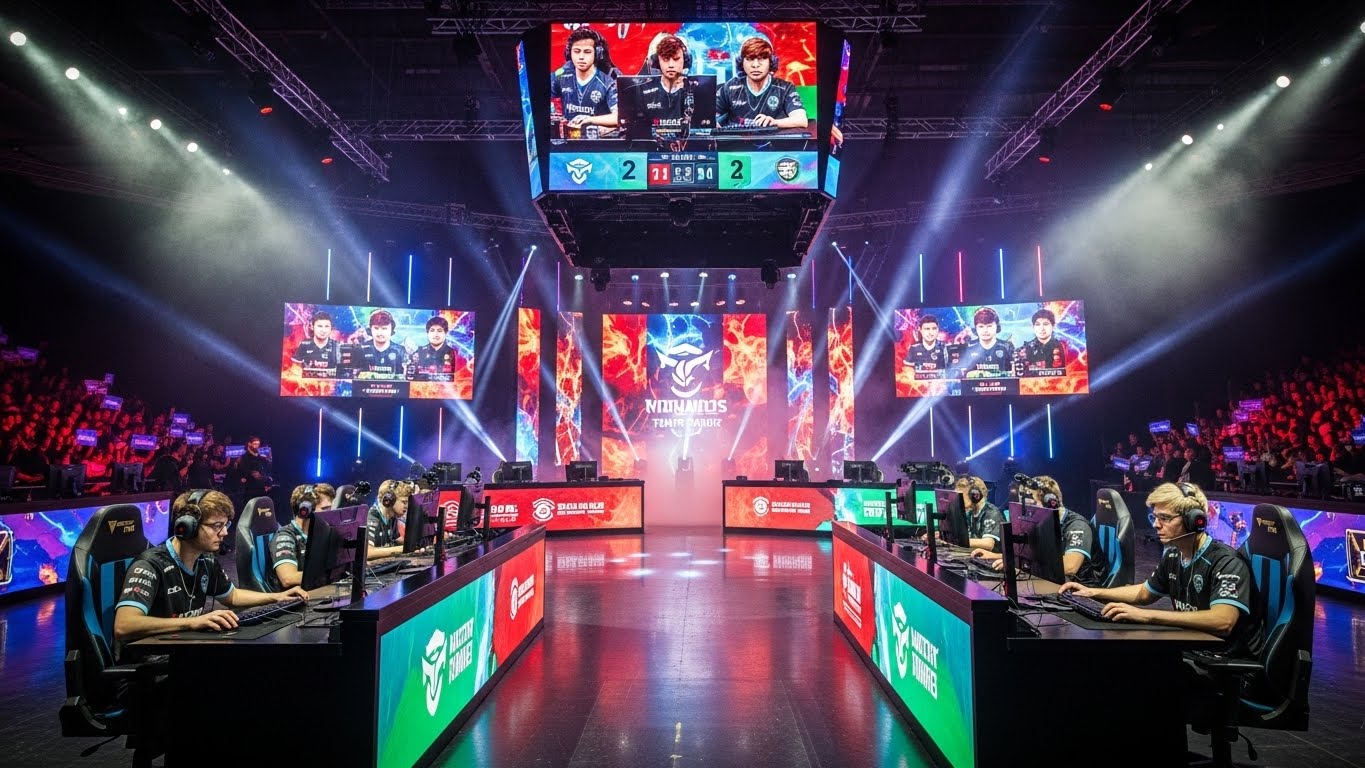
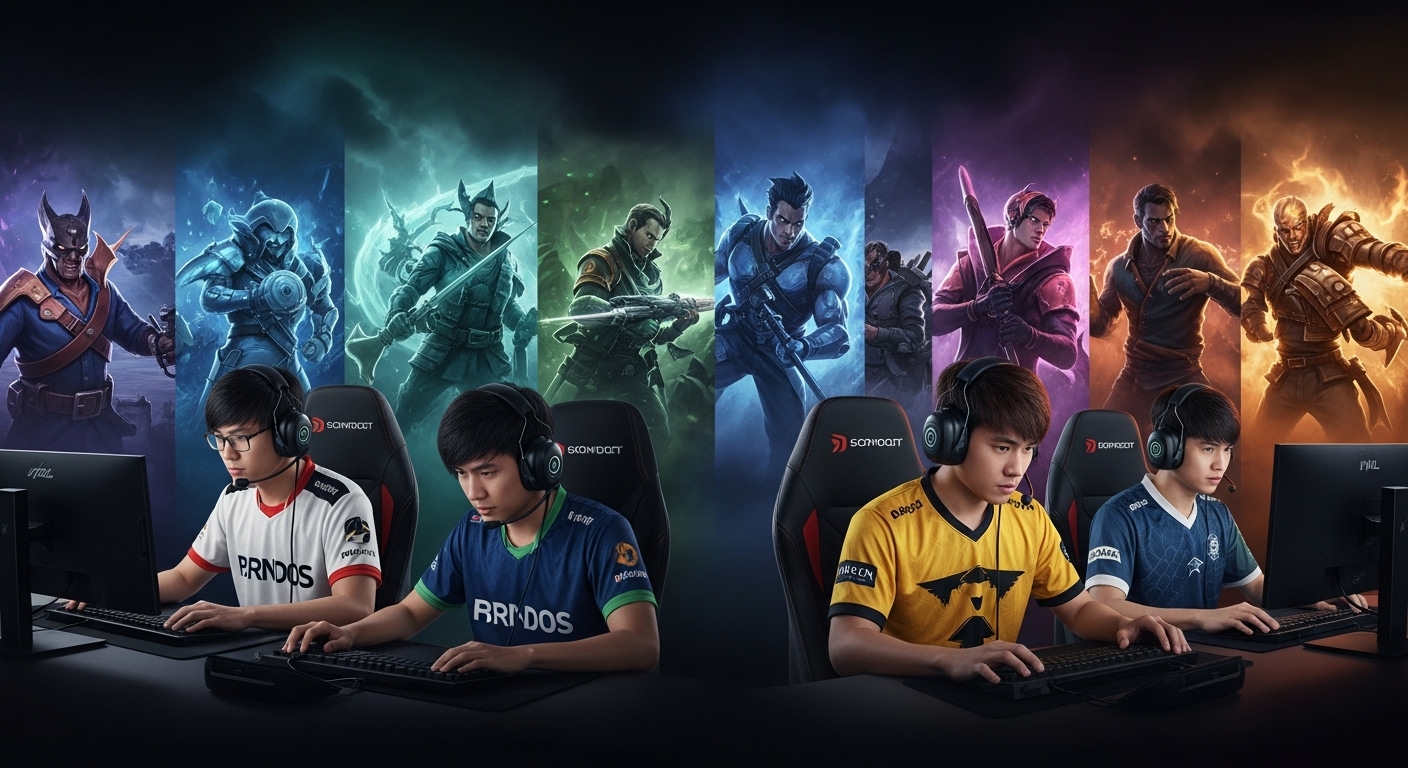
The professional esports ecosystem is complex and multifaceted. It encompasses players, teams, coaches, analysts, event organizers, sponsors, and fans. Professional players often adhere to strict training schedules, practicing for eight to twelve hours a day to refine mechanics, strategies, and teamwork. Unlike casual gaming, professional esports requires discipline, resilience, and mental agility comparable to traditional athletes.
Esports teams operate like sports franchises. Organizations such as Team Liquid, Cloud9, Fnatic, and T1 manage multiple rosters, handle contracts, oversee marketing and sponsorship deals, and maintain content creation divisions. Coaches and analysts study gameplay data to optimize team performance, while nutritionists and psychologists support players’ physical and mental well-being.
Major leagues such as the League of Legends Championship Series and the Overwatch League have introduced city-based franchises and structured seasons, attracting investments from traditional sports owners. This professionalization has legitimized esports as a sustainable career and entertainment industry.
Economic Impact of Esports
The esports industry has grown into a global economic powerhouse. Revenue streams include sponsorships, merchandise, ticket sales, advertising, media rights, and online streaming. The industry has attracted investors from traditional sports, entertainment, and technology sectors, reflecting its increasing credibility and profitability.
Prize pools in esports are staggering. The Dota 2 International tournament, for instance, has offered over forty million dollars in prize money in a single year. Such figures rival the rewards in many traditional sports competitions. Beyond the players, the industry provides employment for thousands in event management, broadcasting, marketing, and software development, showcasing the wide-reaching impact of esports on the global economy.
Cultural Influence and Global Reach
Esports has transcended geographical boundaries, creating a global community united by shared passion. Countries such as South Korea, China, the United States, and Sweden have long dominated professional circuits, but regions like Southeast Asia, Latin America, and the Middle East are rapidly expanding their presence.
Esports has also influenced broader culture. Music artists perform at finals, fashion brands release gaming-inspired apparel, and celebrities invest in teams. Events resemble large-scale entertainment festivals, complete with light shows, fan zones, and live commentary. This fusion of technology, culture, and competition has established esports as a prominent form of modern entertainment.
The Psychology of Competitive Gaming
Esports demands more than dexterity and strategic thinking; it requires mental fortitude. Players operate under high-pressure environments where mistakes can determine the outcome of multi-million-dollar tournaments. Maintaining focus, managing stress, and adapting to constantly changing scenarios are essential skills.
Organizations now employ sports psychologists to help players cope with anxiety, improve focus, and maintain consistency. Mental health awareness has become integral to esports, emphasizing that success is not just a product of skill but also of emotional resilience and discipline.
Women in Esports
Esports has historically been male-dominated, but the landscape is shifting. Women are increasingly breaking into competitive scenes as players, commentators, and executives. Figures such as Sasha “Scarlett” Hostyn and Se-yeon “Geguri” Kim have demonstrated that skill transcends gender, inspiring a new generation of female gamers.
Organizations are creating women-focused tournaments and promoting inclusivity initiatives, acknowledging that diversity strengthens the industry. Increasing female representation not only challenges stereotypes but also broadens the appeal of esports, making it more accessible to a wider audience.
Esports and Education
Esports has found a growing place in educational institutions. Universities and high schools now offer scholarships for talented players, recognizing gaming as a skill worthy of academic and professional development. Programs focused on esports management, broadcasting, and marketing have emerged, preparing students for careers within the industry.
Participation in esports also develops transferable skills such as leadership, teamwork, communication, and strategic thinking. These skills are applicable in multiple professional contexts, demonstrating that esports can be both a career pathway and a developmental tool for students.
Challenges in the Esports Industry
Despite its rapid growth, esports faces several challenges. Player burnout is common due to long hours of training and high-pressure competitions. Establishing consistent regulations across games and regions remains difficult, creating disparities in contracts, player rights, and tournament governance.
Sustainability is another concern. Maintaining a thriving competitive scene requires continuous engagement from players, viewers, and sponsors. Games can quickly rise and fall in popularity, making long-term planning challenging for teams and organizers. Online harassment and toxicity also pose issues, prompting organizations to develop stricter codes of conduct and moderation systems to protect players and communities.
Esports and Traditional Sports: A Symbiotic Relationship
Esports and traditional sports are no longer rivals but increasingly complementary. Traditional sports organizations have embraced esports by creating competitive divisions or hosting esports events. The NBA 2K League, Formula 1 Esports, and football clubs investing in esports teams illustrate this growing integration.
Both traditional sports and esports share core values such as competition, teamwork, strategic thinking, and audience engagement. While the medium differs, the passion and dedication required are remarkably similar. By collaborating, both industries expand their audiences, innovate engagement methods, and elevate entertainment experiences.
The Role of Technology in Future Esports
Technological advancement continues to shape esports. High-refresh-rate monitors, low-latency internet, advanced peripherals, and VR/AR technology are transforming gameplay and viewing experiences. Artificial intelligence is used for performance analytics, coaching, and cheat detection. Blockchain may soon secure digital assets and contracts, ensuring transparency and authenticity.
The future of esports could include fully immersive virtual arenas, interactive fan participation, and AI-driven personalized content. These innovations will redefine not only the way esports is played but also how audiences engage, making the industry more interactive, inclusive, and expansive.
The Cultural and Social Impact of Esports
Esports is more than entertainment; it is a social and cultural phenomenon. It bridges gaps between nations, genders, and communities. Fans bond over shared experiences, creating global networks that celebrate teamwork, strategy, and creativity. The rise of esports has also inspired other forms of digital innovation, including streaming culture, digital media production, and online communities.
The industry provides a sense of belonging, identity, and purpose to millions worldwide. It empowers youth to pursue careers in digital professions, promotes technological literacy, and reshapes perceptions about gaming as a productive and respected pursuit.
Conclusion
Esports has evolved from humble beginnings to a global phenomenon, redefining what it means to compete, entertain, and connect in the digital era. It has created a professional ecosystem, fostered international communities, and generated substantial economic and cultural impact. Players are not merely gamers; they are digital athletes who train, strategize, and perform under pressure comparable to traditional sports.
The future of esports is limitless. With advancing technology, expanding inclusivity, and growing global audiences, it will continue to redefine entertainment, culture, and competition. Esports proves that the human drive to compete and connect transcends physical boundaries. In the digital arena, skill, passion, and innovation reign supreme, and the best is yet to come.
Esports is no longer just a game. It is a testament to human creativity, resilience, and the unyielding spirit of competition in the modern age. It has claimed its place in history and will continue to shape the cultural landscape for generations to come.