Introduction: The Rise of a New Arena
Competition has always been part of human culture. From ancient athletic contests to modern professional sports, people have gathered to test skill, strategy, and endurance. In the last two decades, a new arena has emerged that challenges traditional ideas of sport and spectatorship. Esports, or competitive video gaming, has grown from informal gatherings of friends into a global industry filled with professional teams, massive tournaments, and millions of passionate fans. What was once dismissed as a hobby has evolved into a cultural and economic powerhouse that continues to reshape entertainment worldwide.
Understanding Esports Beyond Gaming
Esports is more than simply playing video games. It involves organized, competitive play where individuals or teams face each other under standardized rules. These competitions often require intense training, strategic planning, and split-second decision-making. Professional esports players practice for hours each day, analyzing gameplay, refining mechanics, and coordinating with teammates much like athletes in traditional sports. The difference lies not in dedication or skill, but in the medium through which competition takes place.
The Early Foundations of Competitive Gaming
The roots of esports can be traced back to the late twentieth century when arcade competitions and local computer game tournaments began to appear. Early events were small, often hosted in community centers or university halls, with modest prizes and limited audiences. As internet access expanded, online multiplayer games allowed players from different regions to compete without being in the same physical space. This technological shift laid the foundation for organized leagues, international tournaments, and a truly global competitive scene.
Technology as the Backbone of Esports Growth
The rapid growth of esports would not have been possible without advancements in technology. High-speed internet, powerful gaming hardware, and streaming platforms have transformed how competitions are played and watched. Players can now compete across continents with minimal delay, while fans can watch live matches from anywhere in the world. Streaming services have also enabled players to build personal brands, interact with audiences, and create communities that extend beyond the game itself.
The Role of Game Design in Competitive Balance
Not every video game becomes an esport. Successful competitive titles are carefully designed to balance skill, strategy, and fairness. Developers invest significant resources into maintaining game balance, ensuring that no single strategy or character dominates unfairly. Regular updates, patches, and feedback from professional players help keep the competitive environment dynamic and engaging. This constant evolution keeps both players and spectators invested, as the meta game continues to change over time.
Professional Players and the Discipline Behind the Screen
Professional esports players are often misunderstood. While their workplace may look different from a traditional sports field, their discipline is equally demanding. Many follow structured training schedules that include practice sessions, strategy meetings, physical exercise, and mental conditioning. Reaction time, hand-eye coordination, and focus are critical skills that must be maintained under pressure. The mental strain of high-stakes competition requires resilience and strong teamwork, especially in games that demand constant communication.
Teams, Organizations, and the Business of Esports
As esports gained popularity, professional organizations began to form around teams and players. These organizations manage contracts, sponsorships, marketing, and logistics, creating stable career paths for competitors. Revenue comes from multiple sources, including sponsorship deals, merchandise, ticket sales, and media rights. Major brands from outside the gaming world have entered the esports space, recognizing its ability to reach younger, digitally native audiences.
Esports Tournaments as Global Spectacles
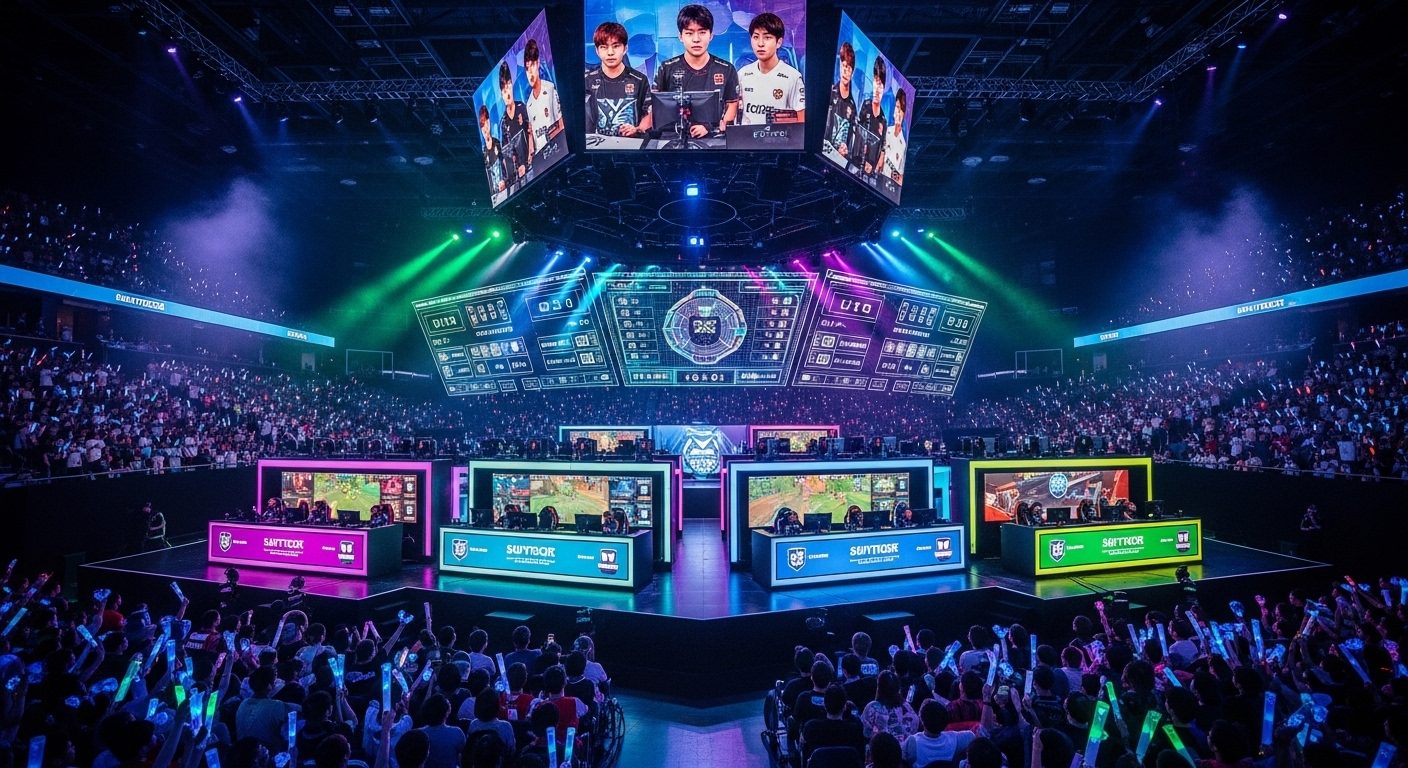
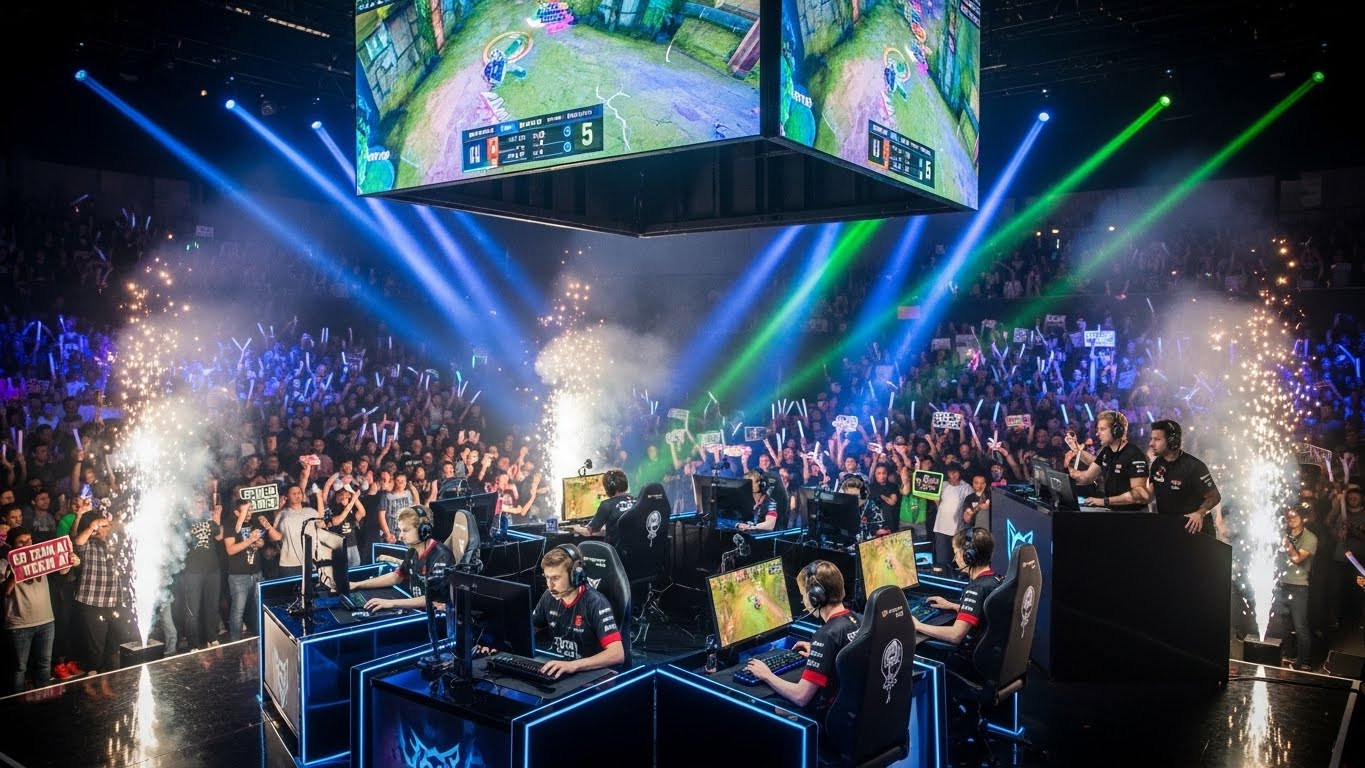
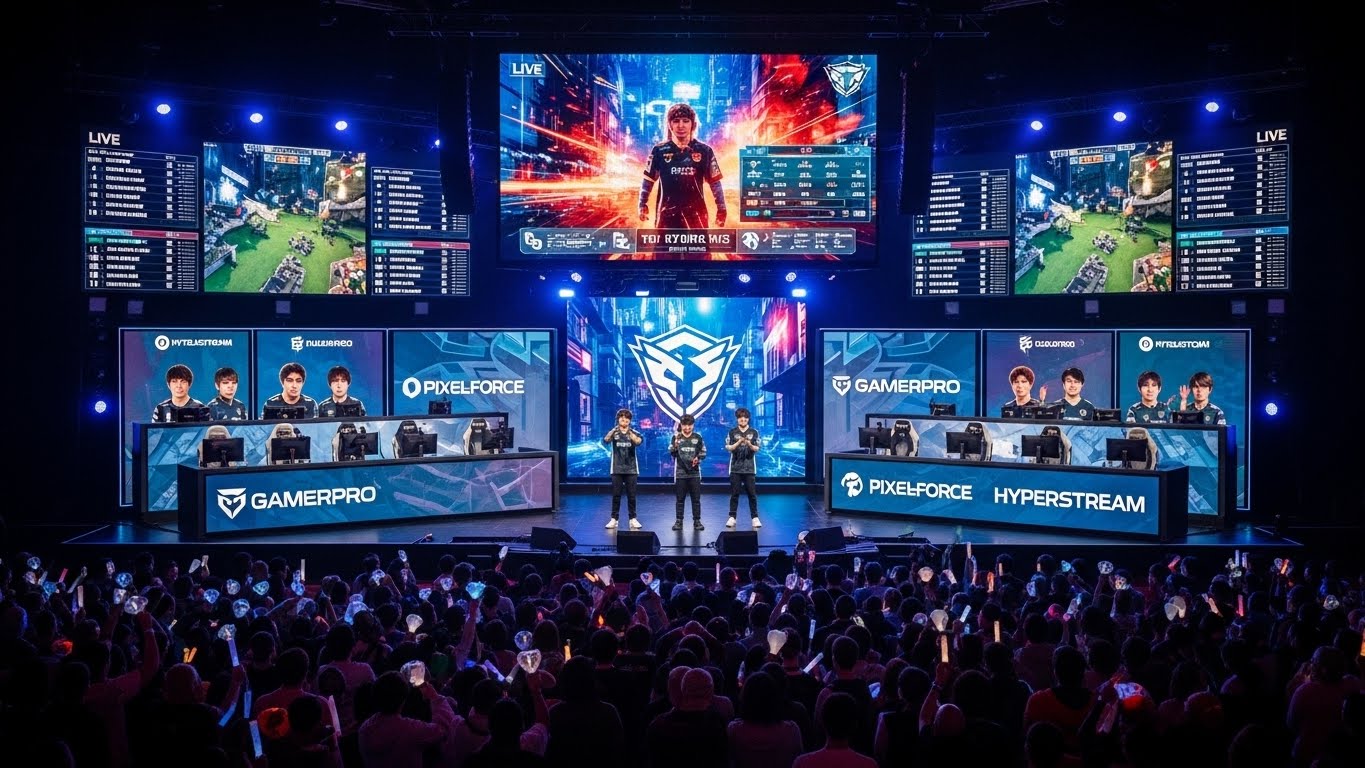
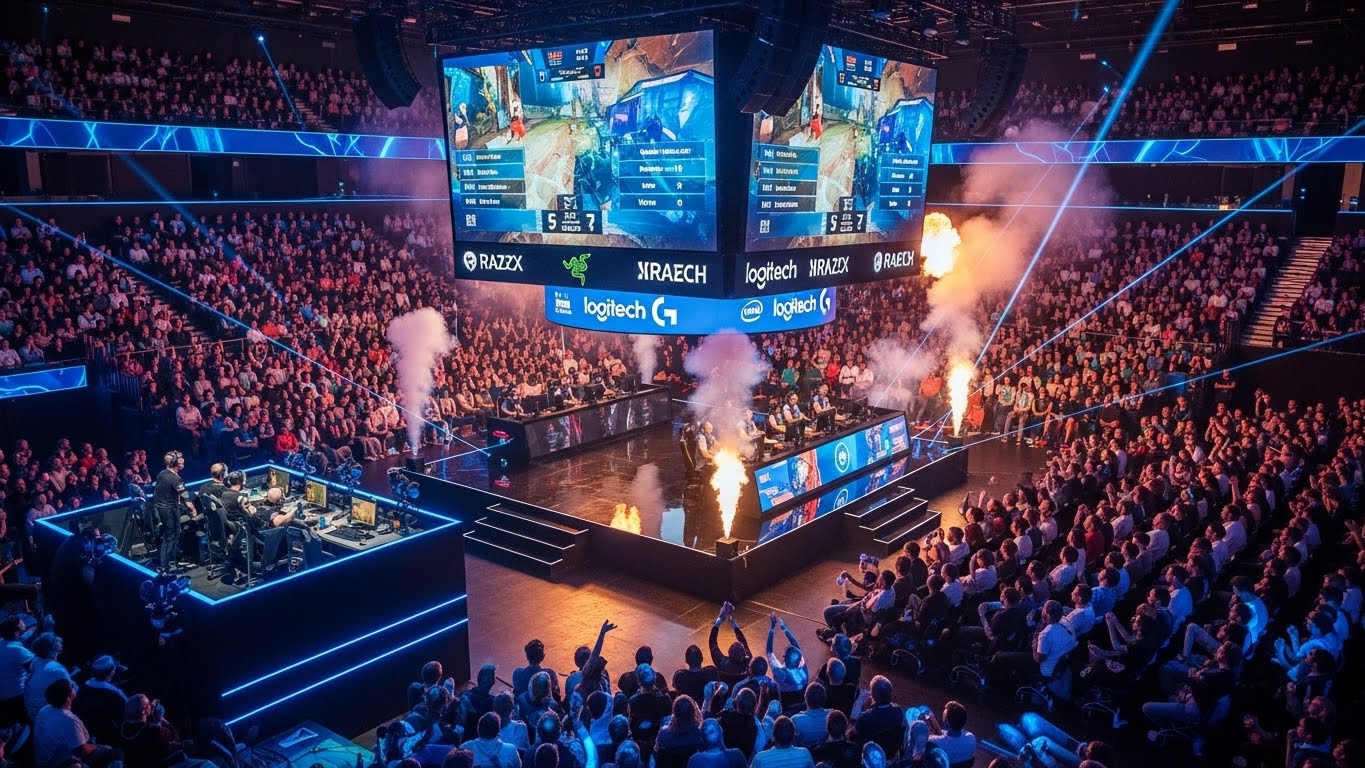
Large esports tournaments now rival traditional sporting events in scale and production value. Stadiums fill with cheering fans, elaborate stage designs enhance the viewing experience, and commentators provide real-time analysis for audiences at home. These events often span several days and feature teams from different countries, highlighting the international nature of esports. The atmosphere combines the excitement of live sports with the energy of a digital festival.
The Fan Experience and Community Culture
One of the most distinctive aspects of esports is its close relationship with fans. Online platforms allow viewers to interact directly with players, commentators, and each other during live broadcasts. Fan communities form around specific games, teams, or personalities, creating a sense of belonging and shared identity. This interactive culture blurs the line between spectator and participant, making fans feel like an integral part of the esports ecosystem.
Education, Careers, and New Opportunities
Esports has also opened doors to educational and career opportunities beyond professional play. Universities now offer scholarships and programs focused on esports management, game design, and digital media. Careers exist in coaching, event production, broadcasting, marketing, and data analysis. These roles support the industry’s growth and demonstrate that esports is not just about playing games, but about building a complex and sustainable ecosystem.
Challenges Facing the Esports Industry
Despite its success, esports faces several challenges. Player burnout, mental health concerns, and career longevity are ongoing issues that require attention. The industry must also address concerns about inclusivity, fair play, and regulation. Establishing consistent standards across different games and regions remains difficult. How these challenges are handled will play a significant role in shaping the future of esports.
Esports and Traditional Sports: Competition or Collaboration
Rather than replacing traditional sports, esports often complements them. Many traditional sports organizations have invested in esports teams or leagues, recognizing the potential for cross-pollination of audiences. Both forms of competition share common values such as teamwork, dedication, and excellence. The coexistence of physical and digital sports reflects a broader cultural shift toward diverse forms of entertainment and competition.
The Cultural Impact of Esports
Esports has influenced fashion, music, and popular culture, with gaming aesthetics appearing in mainstream media. Professional players have become celebrities in their own right, inspiring fans around the world. The industry has also contributed to changing perceptions of gaming, demonstrating that it can be a legitimate pursuit requiring skill, discipline, and creativity. This cultural recognition continues to grow as esports becomes more visible on global stages.
The Future of Competitive Gaming
Looking ahead, the future of esports appears promising. Emerging technologies such as virtual reality and augmented reality may introduce new forms of competitive play. Increased investment and improved infrastructure will likely lead to greater professionalism and stability. As younger generations grow up with esports as a normal part of entertainment, its influence is expected to expand even further.
Conclusion: A Lasting Digital Legacy
Esports represents more than a trend; it is a reflection of how technology shapes human interaction and competition. From humble beginnings to sold-out arenas, competitive gaming has proven its ability to unite people across cultures and borders. As the industry continues to evolve, esports stands as a testament to the power of innovation, passion, and community in the digital age. Its story is still being written, and its impact will be felt for generations to come.