Introduction
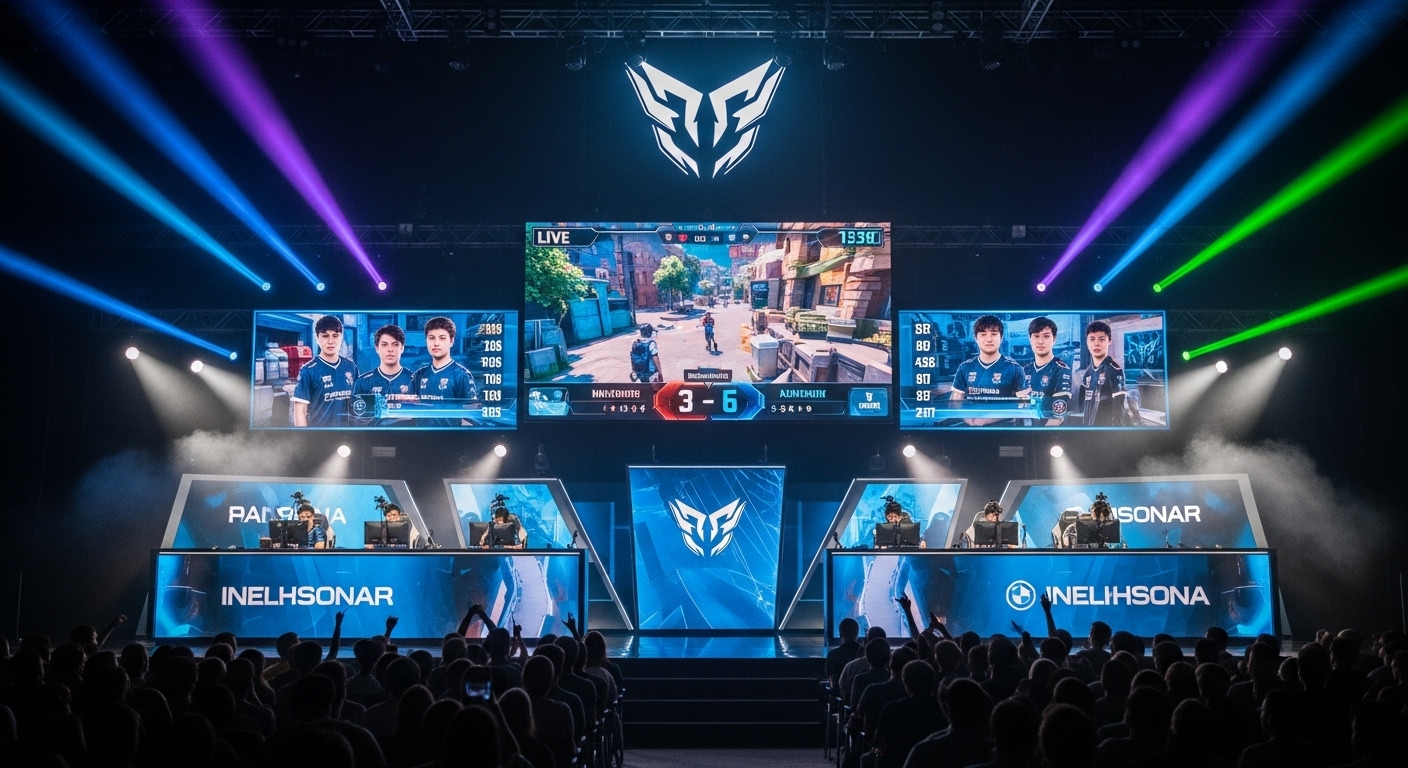
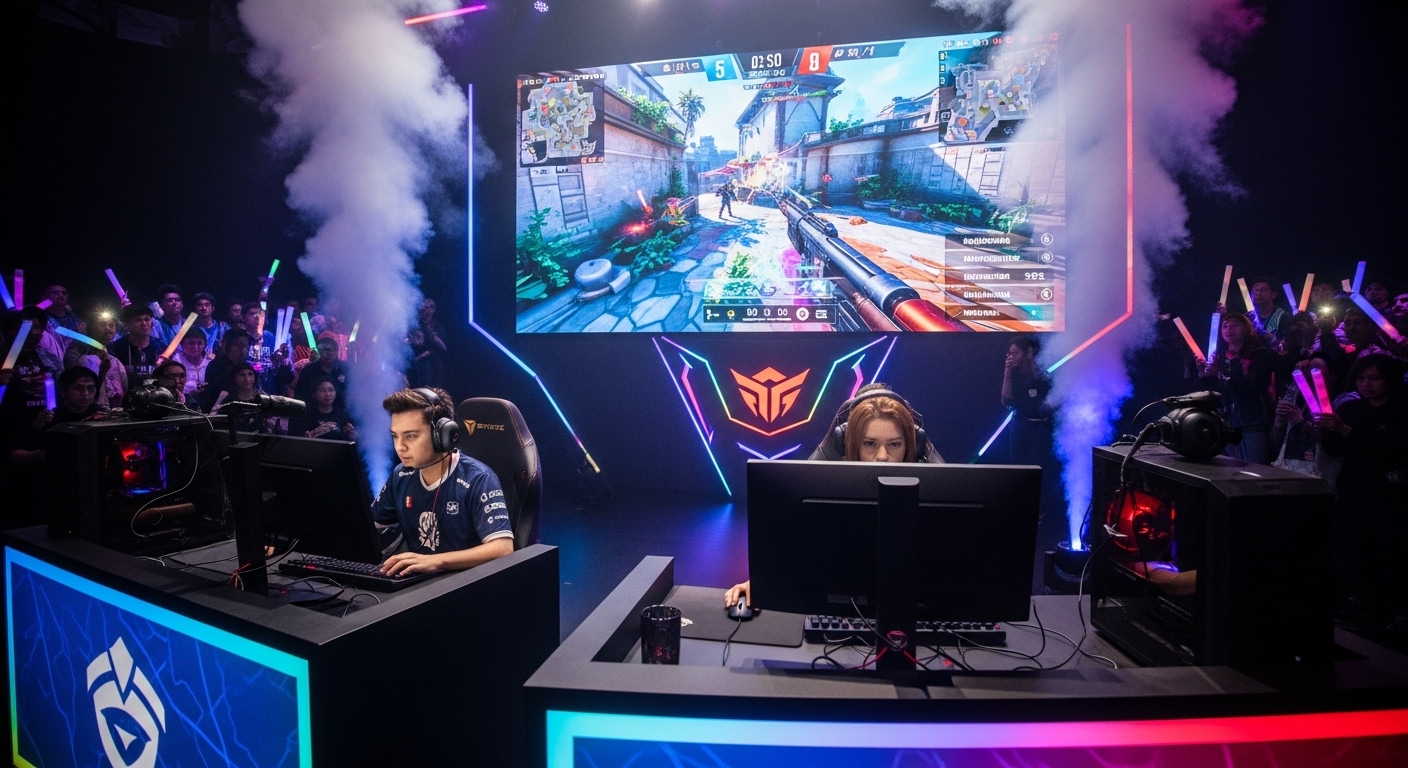
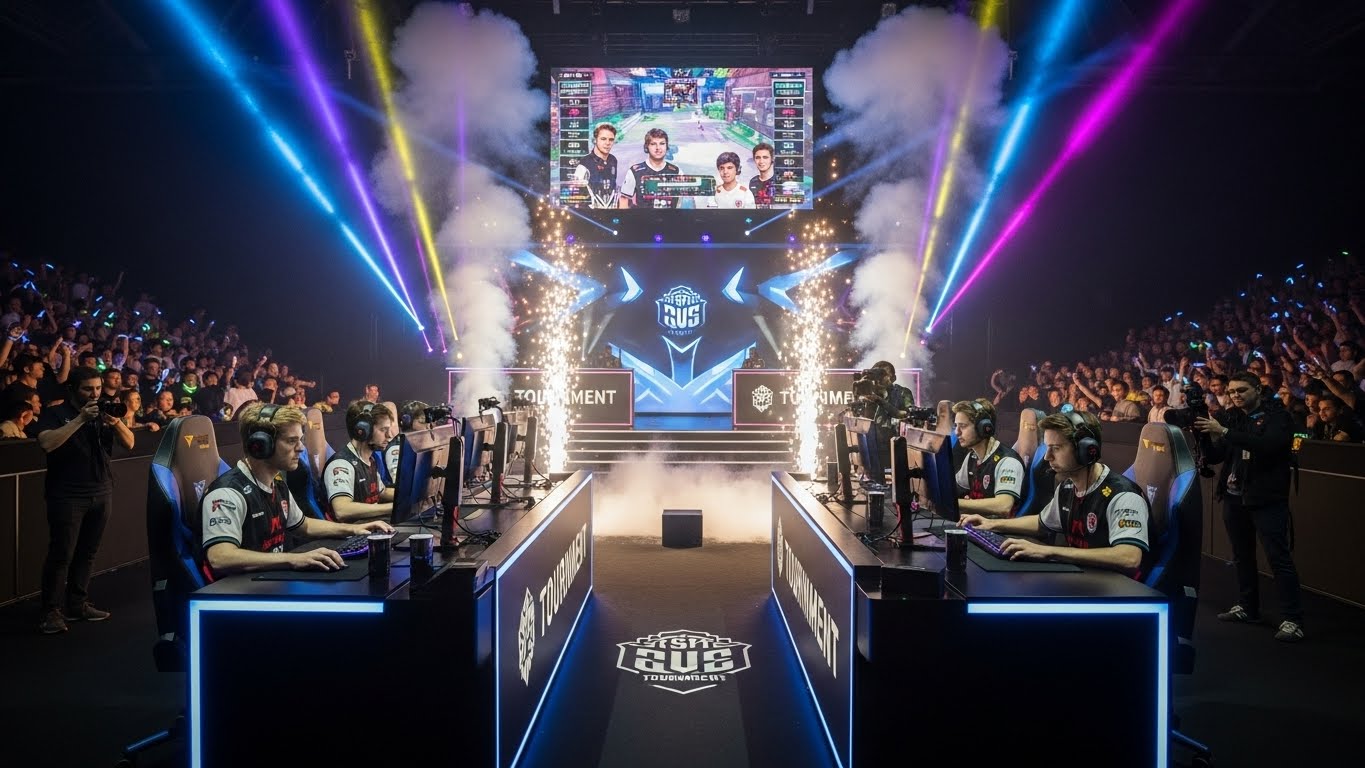
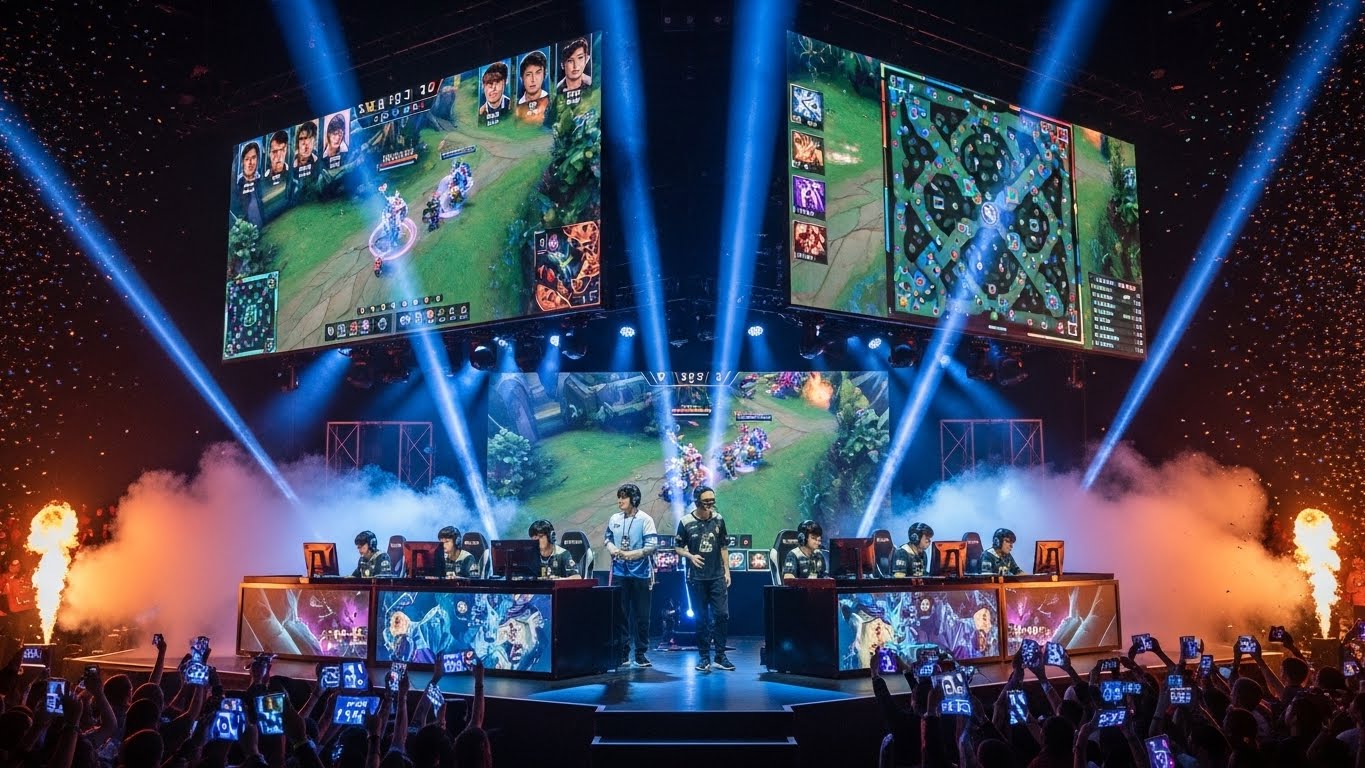
Esports has grown from a niche hobby into a global cultural phenomenon, redefining what it means to be a competitive athlete in the digital age. What began as small tournaments among friends or local gaming clubs has evolved into international competitions drawing millions of viewers and generating billions in revenue. With advanced technology, professional teams, and dedicated fan communities, esports has cemented itself as more than just a pastime—it is now a legitimate sport, an entertainment industry, and a lifestyle. This blog will explore the origins, growth, cultural impact, challenges, and future of esports, providing a comprehensive look at this digital revolution.
The Origins of Competitive Gaming
The roots of esports trace back to the early days of arcade gaming in the 1970s and 1980s. Players competed for high scores on games like Pac-Man, Donkey Kong, and Space Invaders. These competitions were casual but planted the seeds for organized competitive gaming. By the late 1980s, college tournaments and gaming expos began to appear, offering players the chance to showcase their skills beyond local arcades.
The development of personal computers and online networks in the 1990s expanded the reach of competitive gaming. Multiplayer games like Quake, Counter-Strike, and StarCraft introduced online competition to a global audience. Early tournaments may have been small and modestly funded, but they provided a foundation for modern esports by establishing team-based competition, formal rules, and the concept of prize pools.
The Emergence of Modern Esports
The 2000s marked a turning point for esports, with professional teams, structured leagues, and significant prize money entering the scene. Multiplayer online battle arenas and real-time strategy games became the backbone of professional gaming. Organizations started operating like traditional sports teams, employing coaches, analysts, and managers to optimize performance.
This era also saw sponsorships from tech companies and gaming hardware brands, further legitimizing esports as a professional pursuit. As tournaments grew in scale, they attracted attention from mainstream media, demonstrating that competitive gaming could rival traditional sports in both excitement and popularity.
The Role of Streaming in Esports Growth
Streaming platforms revolutionized the way esports reached audiences. Platforms such as Twitch and other live-streaming services allowed millions to watch matches in real-time, interact with players, and follow tournaments from anywhere in the world. Unlike traditional sports broadcasts, streaming created interactive communities where fans could comment, ask questions, and connect with like-minded individuals.
Streaming not only increased visibility but also democratized esports. Players could build personal brands and reach audiences directly, while fans gained insight into the strategies, personalities, and lifestyles of professional gamers. This connection between player and audience has become one of the key drivers of esports’ popularity.
Professional Teams and Leagues
As esports gained mainstream attention, professional teams and organized leagues became central to its structure. Teams adopted rigorous training regimens, analyzed gameplay data, and implemented strategic coaching systems. Leagues introduced seasonal competitions, playoffs, and championship events, closely mirroring traditional sports structures.
Franchise models emerged, allowing investors, entertainment companies, and even traditional sports franchises to enter the esports industry. This investment fueled higher production values, larger venues, and global marketing campaigns, further legitimizing esports as a professional field.
Cultural Impact of Esports
Esports has profoundly influenced modern culture, particularly among younger generations. It challenges traditional ideas of athleticism by emphasizing cognitive skills, reflexes, teamwork, and strategy. Professional gamers dedicate hours daily to practice, showing the same discipline and commitment as athletes in physical sports.
Beyond gameplay, esports has influenced fashion, music, and media. Branded apparel, gaming-inspired music, and collaborations with popular culture icons have blurred the lines between gaming and mainstream entertainment. The lifestyle surrounding esports—streaming, fan communities, and social media engagement—has become an integral part of youth culture globally.
Technological Innovations Driving Esports
Technological advancement has played a key role in esports’ expansion. High-speed internet, advanced gaming hardware, and realistic game engines enhance gameplay and spectator experiences. In-game spectator modes allow viewers to switch perspectives, follow specific players, and analyze strategies, making tournaments engaging for both casual and serious fans.
Broadcast innovations, including virtual production and augmented reality, have transformed esports into visually captivating events. These technologies enhance the spectator experience, making esports tournaments comparable to traditional sports events in terms of excitement and presentation.
The Economics of Esports
Esports is a major economic force, generating revenue through sponsorships, advertising, merchandise, ticket sales, and media rights. Professional players earn salaries, tournament winnings, and income from personal branding or content creation.
Brands view esports as a direct line to a young, engaged, and tech-savvy audience. Non-gaming industries, including energy drinks, technology, automotive, and finance, have invested heavily in esports marketing. Universities have also entered the scene, offering scholarships, esports programs, and dedicated facilities, contributing to both economic growth and legitimacy.
Career Opportunities in Esports
Esports has created diverse career pathways beyond competitive gaming. Opportunities include coaching, analysis, event management, broadcasting, content creation, marketing, and game development. Esports academies and training programs support aspiring players in developing both their skills and professional conduct, making the industry more accessible and sustainable.
This variety of roles ensures that esports is more than just a fleeting trend; it has become a career ecosystem capable of supporting millions worldwide.
Challenges Facing the Esports Industry
Despite impressive growth, esports faces significant challenges. Player burnout is a major issue, with long training schedules and high-pressure competitions impacting mental health. Establishing support systems for wellness, counseling, and career transition is critical.
Maintaining competitive integrity is another concern. Cheating, match-fixing, and other forms of misconduct threaten trust in the industry. Robust anti-cheat systems, standardized regulations, and transparent tournament oversight are essential for credibility.
Monetizing esports audiences consistently is also challenging. While global viewership is enormous, ensuring sustainable revenue for players, teams, and organizers requires innovation and diversification of revenue streams.
Educational Opportunities Through Esports
Educational institutions have embraced esports as a tool for skill development. Schools and universities offer structured esports programs, teaching teamwork, leadership, communication, and problem-solving skills.
Esports is also increasingly integrated into STEM education, using gaming to teach coding, physics, digital literacy, and creative thinking. This approach repositions gaming as a productive and educational activity, further legitimizing esports in society.
Global Reach and Popularity
Esports is a worldwide phenomenon. International tournaments feature competitors from multiple continents, and fans engage across cultures through shared gaming experiences. South Korea, China, and North America have become hubs for professional esports talent and audiences.
The global nature of esports highlights its ability to connect people beyond borders. Unlike traditional sports, language and location are no barriers; passion and skill define the competitive landscape, making esports an inclusive, international community.
The Future of Esports
The future of esports promises continued innovation and expansion. Virtual reality competitions, immersive fan experiences, and advanced analytics may redefine how games are played and watched. Mobile esports is growing rapidly, making competition more accessible to audiences worldwide.
Esports may also integrate further with traditional sports, offering crossover events, hybrid competitions, and new formats that appeal to diverse audiences. As younger generations grow up with gaming as a core part of their lives, esports is poised to maintain its momentum and expand its influence globally.
Conclusion
Esports has evolved from casual gaming sessions to a major global industry. It blends technology, entertainment, competition, and community in ways that traditional sports cannot fully replicate. Its cultural relevance, economic impact, and technological integration ensure that esports will continue to shape the digital age.
From humble beginnings in arcades and college tournaments to packed arenas and millions of online viewers, esports is no longer just a pastime. It is a professional pursuit, a cultural movement, and a lifestyle. The dedication, passion, and innovation within esports will continue to drive its growth, making it a defining phenomenon for generations to come.