Introduction
Esports, short for electronic sports, has grown from small, niche competitions into a global phenomenon, captivating millions of viewers and creating viable careers for professional players, coaches, and content creators. What began as casual gaming in arcades or living rooms has evolved into an industry that rivals traditional sports in audience engagement, revenue, and cultural influence. Esports represents a fusion of entertainment, technology, skill, and competition, and it continues to shape modern culture in profound ways.
The growth of esports has transformed the way we view gaming, turning it from a hobby into a legitimate professional pursuit. With structured tournaments, multi-million-dollar prize pools, and global audiences, esports has become a cultural force that blends sportsmanship with digital innovation. In this blog, we will explore the evolution of esports, the key games and tournaments, the lives of professional players, and the future of this rapidly expanding industry.
The Origins of Competitive Gaming
Competitive gaming traces its roots back to the early days of video games. In the 1970s and 1980s, games like Pong, Space Invaders, and Pac-Man introduced simple competition through high score leaderboards. Arcades became social hubs where players could gather to compete, building early gaming communities that celebrated skill and strategy.
The 1990s marked a turning point with the emergence of multiplayer PC games such as Doom, Quake, and StarCraft. These titles emphasized strategic thinking, teamwork, and quick reflexes, creating a competitive environment that required more than casual play. LAN parties, where players connected their computers locally to participate in tournaments, became a central aspect of competitive gaming. South Korea emerged as a pioneer in professional gaming, particularly with StarCraft, where televised matches and formal leagues helped establish esports as a legitimate profession. These developments laid the groundwork for the global esports industry we see today.
The Role of Online Gaming and Streaming Platforms
The advent of high-speed internet in the 2000s dramatically expanded esports. Players could now compete globally, breaking geographic barriers and fostering international communities. Games like Counter-Strike, World of Warcraft, and League of Legends attracted millions of players worldwide and introduced ranking systems and competitive leagues.
Streaming platforms revolutionized how audiences engaged with esports. Services like Twitch and YouTube Gaming allowed fans to watch live matches, interact with players in real time, and join communities centered around their favorite games. Streaming also enabled professional players to monetize their skills, building personal brands, attracting sponsorships, and generating revenue through subscriptions and donations. This shift transformed esports from a niche hobby into a mainstream form of entertainment.
Popular Esports Titles and Their Impact
Several games have become foundational pillars of esports. League of Legends, developed by Riot Games, is one of the most prominent esports titles, with its annual World Championship drawing millions of viewers and offering multi-million-dollar prize pools. Dota 2 is famous for its tournament The International, which consistently sets records for prize money and competitive intensity.
First-person shooters such as Counter-Strike: Global Offensive and Overwatch have fostered dedicated professional leagues and communities. Fighting games, including Street Fighter and Super Smash Bros., emphasize individual skill and precision. Sports simulation games like FIFA and NBA 2K bridge traditional sports and gaming, creating crossover appeal for fans of both worlds.
These titles have shaped not only competitive play but also the culture of esports. They influence streaming content, sponsorship opportunities, and fan engagement, and they showcase the diverse skills and strategies required in competitive gaming.
The Professionalization of Esports
Esports has evolved into a legitimate profession requiring skill, dedication, and strategy. Top players practice eight to twelve hours daily, reviewing gameplay, developing strategies, and refining technical skills. Mental resilience, teamwork, and adaptability are as crucial as in traditional sports.
Professional players also serve as influencers and content creators, building fan followings through social media, streaming, and sponsorships. Iconic figures such as Faker in League of Legends and N0tail in Dota 2 have become global celebrities, shaping both gaming culture and mainstream media. Teams operate like traditional sports organizations, employing coaches, analysts, nutritionists, and mental health professionals to optimize performance. Structured training facilities, ergonomic setups, and disciplined routines ensure players can perform at their best.
Esports Tournaments: A Spectacle of Competition
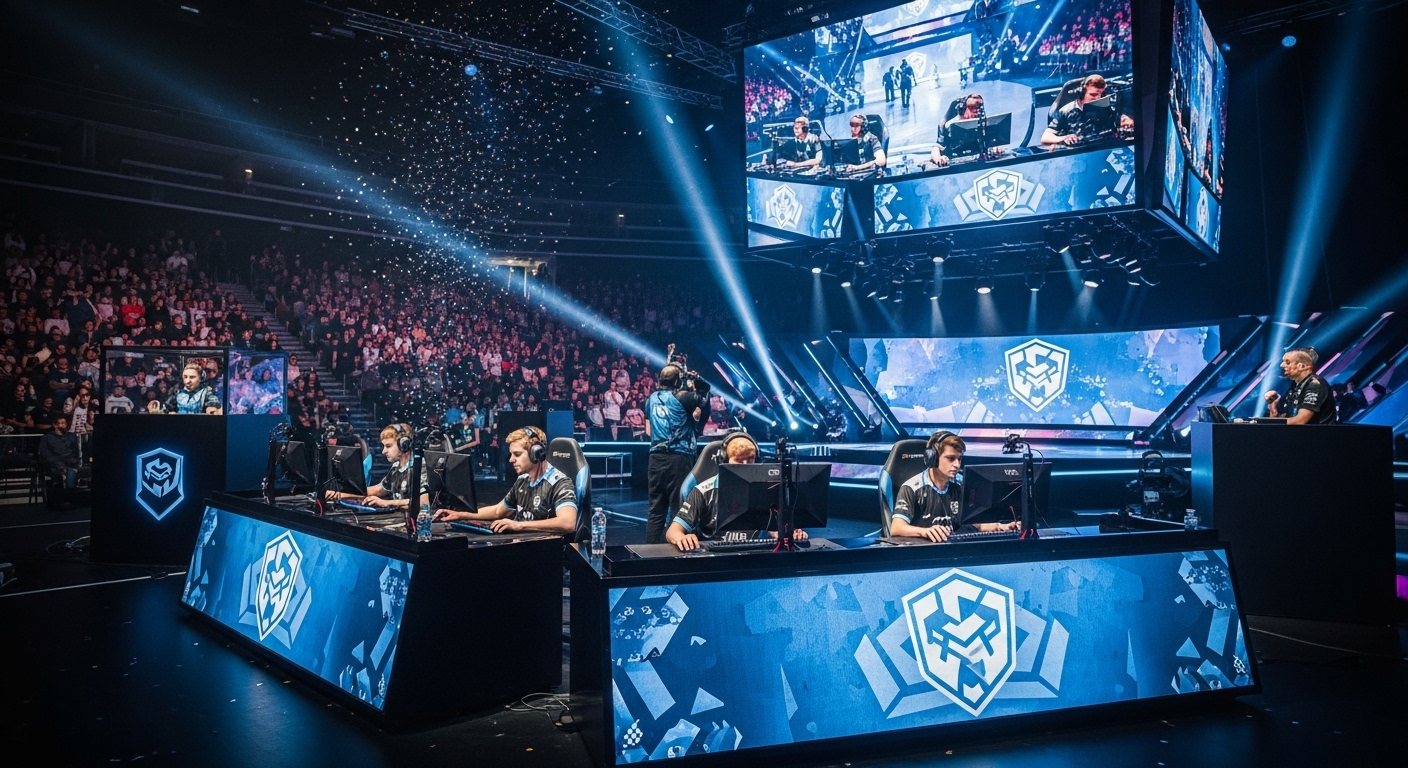
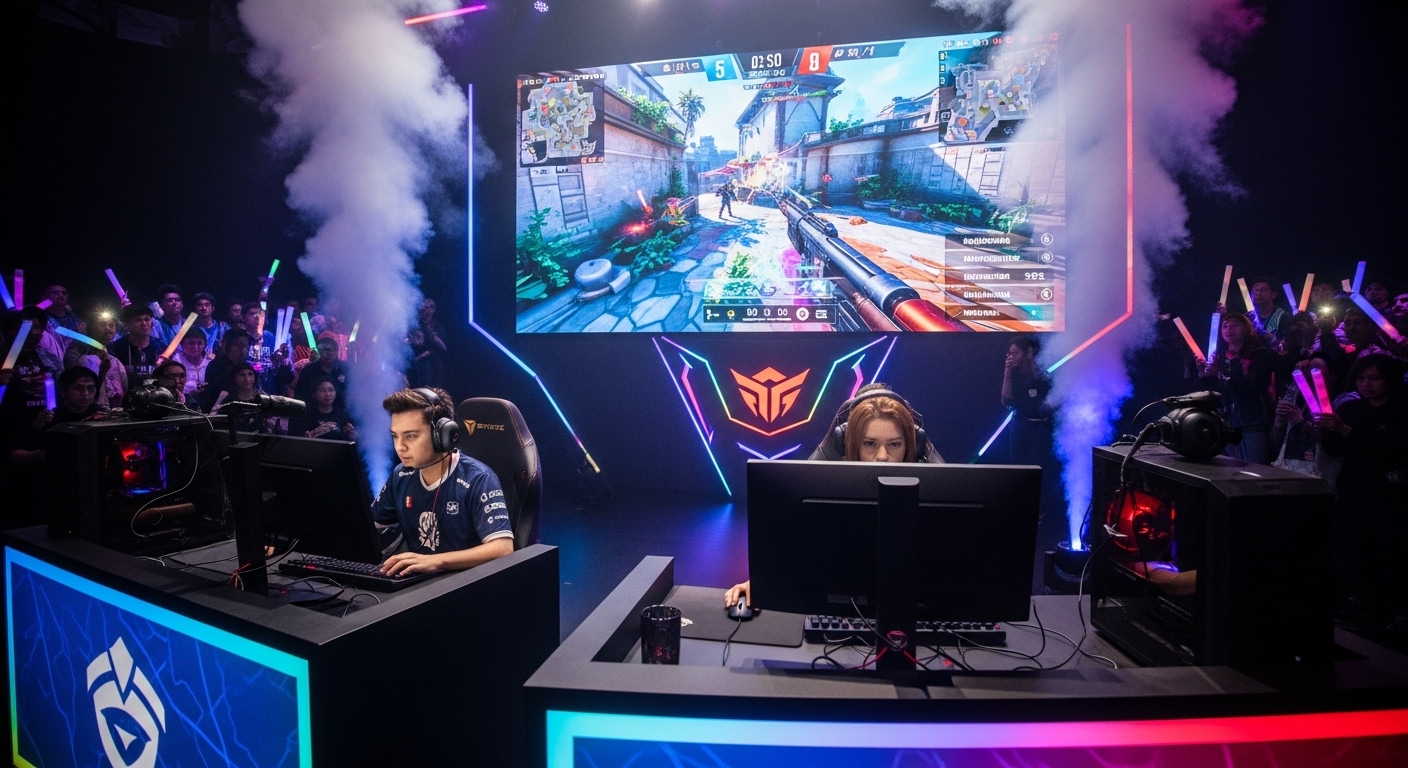
Esports tournaments have grown from small local events into massive global spectacles. Competitions like the League of Legends World Championship, Dota 2’s The International, and the Fortnite World Cup attract live audiences in stadiums and millions of online viewers. Production quality rivals traditional sports, with cinematic intros, expert commentary, and interactive fan engagement.
Prize pools for these tournaments are extraordinary, sometimes exceeding tens of millions of dollars. Beyond prize money, tournaments generate revenue through sponsorships, merchandise, and media rights. They are not just competitive events but also entertainment experiences, blending gameplay, storytelling, and fan interaction in ways that traditional sports are only beginning to emulate.
Sponsorship and Commercial Growth
Sponsorships are a cornerstone of esports’ financial ecosystem. Companies from technology, beverage, apparel, and automotive industries invest heavily in teams, tournaments, and individual players. These partnerships provide financial stability for organizations while granting brands access to a highly engaged, digitally native audience.
Esports sponsorship strategies are often interactive and immersive, incorporating product placement, co-branded content, and integrated campaigns. Fans engage directly with brands through gameplay, streaming, and community events, creating a marketing model that is both authentic and effective. Commercial growth has enabled investment in infrastructure, player development, and technological innovation, ensuring esports continues to expand globally.
Globalization of Esports
Esports is a global phenomenon with professional leagues, tournaments, and fan communities across continents. South Korea and China are recognized as pioneers, with extensive infrastructure and cultural acceptance of competitive gaming. North America and Europe host major professional leagues and international tournaments, while emerging markets in Southeast Asia, Latin America, and the Middle East are growing rapidly.
Globalization has also led to diversity in playstyles and strategies. Regional differences enrich international competitions and create a dynamic competitive landscape. Esports is not merely a form of entertainment; it has become a platform for cultural exchange, connecting people across borders through shared passion and competition.
Esports and Education
Esports has found a significant role in education. Universities now offer scholarships for esports athletes, while academic programs teach game design, digital media, marketing, and management. Collegiate leagues provide structured competition, fostering teamwork, strategic thinking, and leadership skills.
Participation in esports encourages discipline, problem-solving, communication, and critical thinking. It provides young players with transferable skills that are applicable beyond gaming. By integrating esports into education, institutions are recognizing its potential for personal development and career preparation.
Physical and Mental Demands of Competitive Gaming
Professional esports requires not only technical skill but also mental and physical endurance. Players face intense pressure during high-stakes matches, requiring focus, rapid decision-making, and stress management. Extended gaming sessions can lead to fatigue, repetitive strain injuries, and burnout.
To address these challenges, professional teams employ mental health specialists, physical trainers, and nutritionists. Structured practice schedules, ergonomic equipment, and mindfulness techniques are essential to maintaining peak performance. Recognizing the physical and mental demands of esports has elevated its legitimacy as a competitive discipline.
Streaming, Content Creation, and Community Engagement
Streaming platforms are central to esports culture. Fans watch live competitions, interact with players, and participate in gaming communities. Content creation allows players to supplement income while entertaining and educating audiences. Tutorials, behind-the-scenes content, and interactive experiences deepen fan engagement and strengthen community bonds.
Community interaction also informs game development. Developers monitor feedback to balance gameplay, adjust mechanics, and improve the spectator experience. This feedback loop ensures esports remains responsive, dynamic, and closely connected to its audience.
Challenges Facing the Esports Industry
Despite rapid growth, esports faces significant challenges. Rapid expansion has raised issues around regulation, player contracts, labor rights, and league governance. Gender representation remains unequal, with female and minority players underrepresented in professional leagues.
Integrity concerns such as cheating, match-fixing, and toxic behavior threaten the credibility of competitions. Anti-cheat technologies, regulatory oversight, and education are critical to maintaining trust. Environmental sustainability is another consideration, as tournaments and digital infrastructure consume significant resources. Addressing these challenges is essential for the long-term success of esports.
Technological Innovations and the Future of Esports
Emerging technologies are shaping the future of esports. Virtual reality, augmented reality, and artificial intelligence promise new ways to compete, train, and engage with games. VR esports could create immersive, physically interactive experiences, while AI assists with training, analytics, and matchmaking.
Mobile gaming continues to expand esports’ reach, making competitive play accessible to wider audiences globally. Diversity and inclusivity initiatives are fostering broader participation, creating a more representative competitive landscape. As esports integrates further with traditional sports, entertainment, and media, it is poised to become an even more influential cultural force.
Cultural Impact of Esports
Esports has transformed popular culture, influencing media, entertainment, and social interaction. Professional players are celebrated as celebrities, tournaments are widely broadcast, and fan communities thrive online. Esports has blurred the line between traditional sports, entertainment, and gaming, creating a unique cultural phenomenon.
Fans contribute to esports culture through content creation, cosplay, fan art, and social media engagement. Communities organize events, charity tournaments, and collaborative experiences that extend beyond gameplay, enriching the social fabric of esports and fostering a global community.
Conclusion
Esports has grown from humble beginnings into a global industry that blends competition, entertainment, technology, and culture. It provides professional opportunities, builds global communities, and inspires creativity and innovation. From early arcade competitions to international tournaments and streaming platforms, esports reflects human skill, passion, and ingenuity.
The future of esports is bright, driven by technological innovation, global expansion, and cultural integration. Competitive gaming is no longer a niche hobby—it is a defining element of the digital era, shaping how people compete, connect, and experience entertainment worldwide. Esports is here to stay, continuously evolving and redefining the boundaries of digital culture.