Introduction: The Dawn of Competitive Gaming
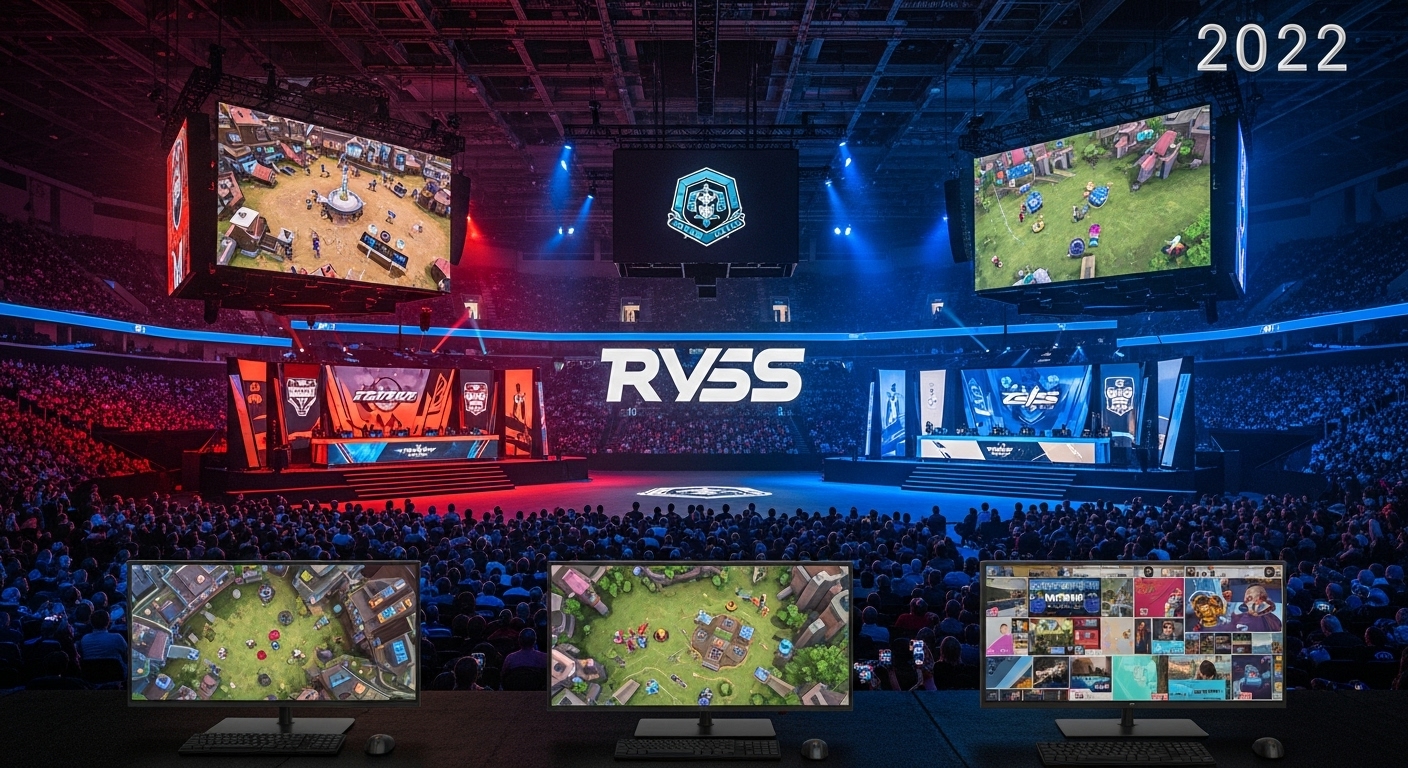
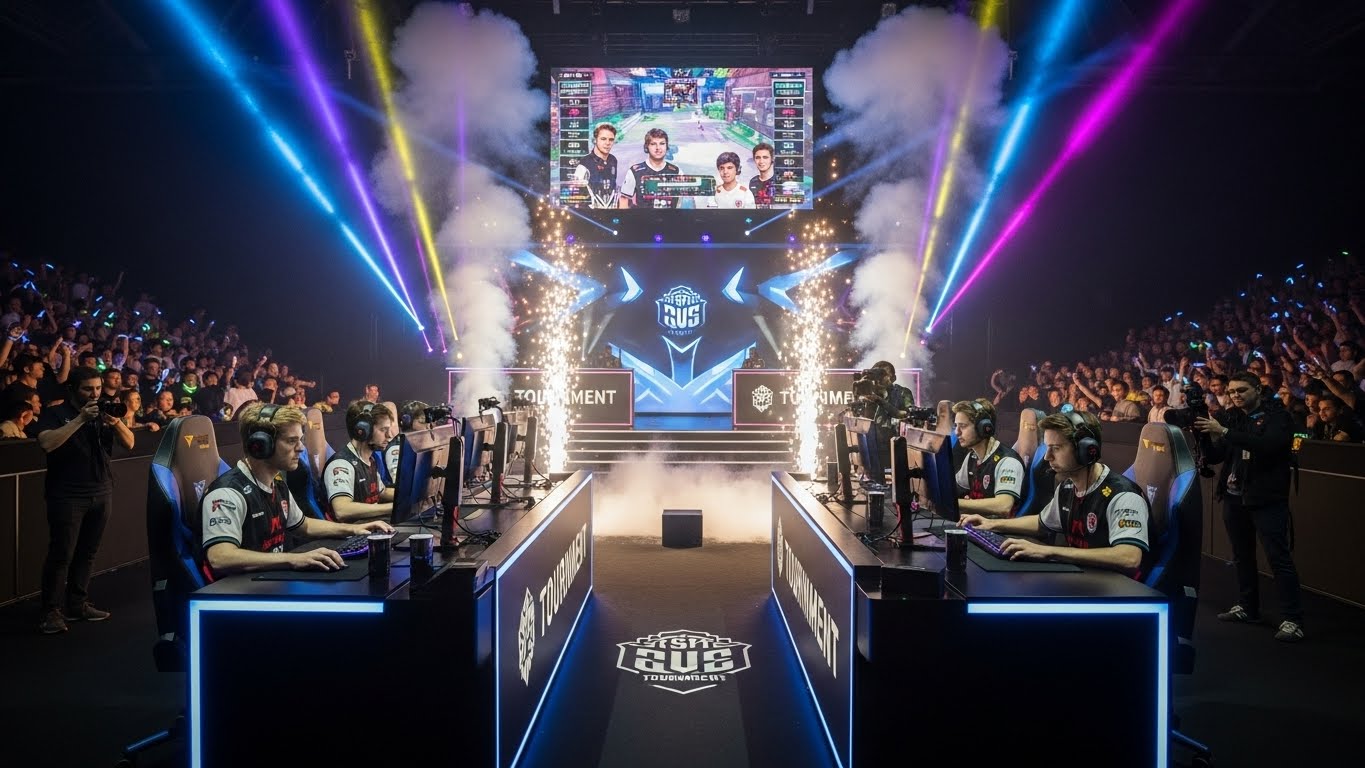
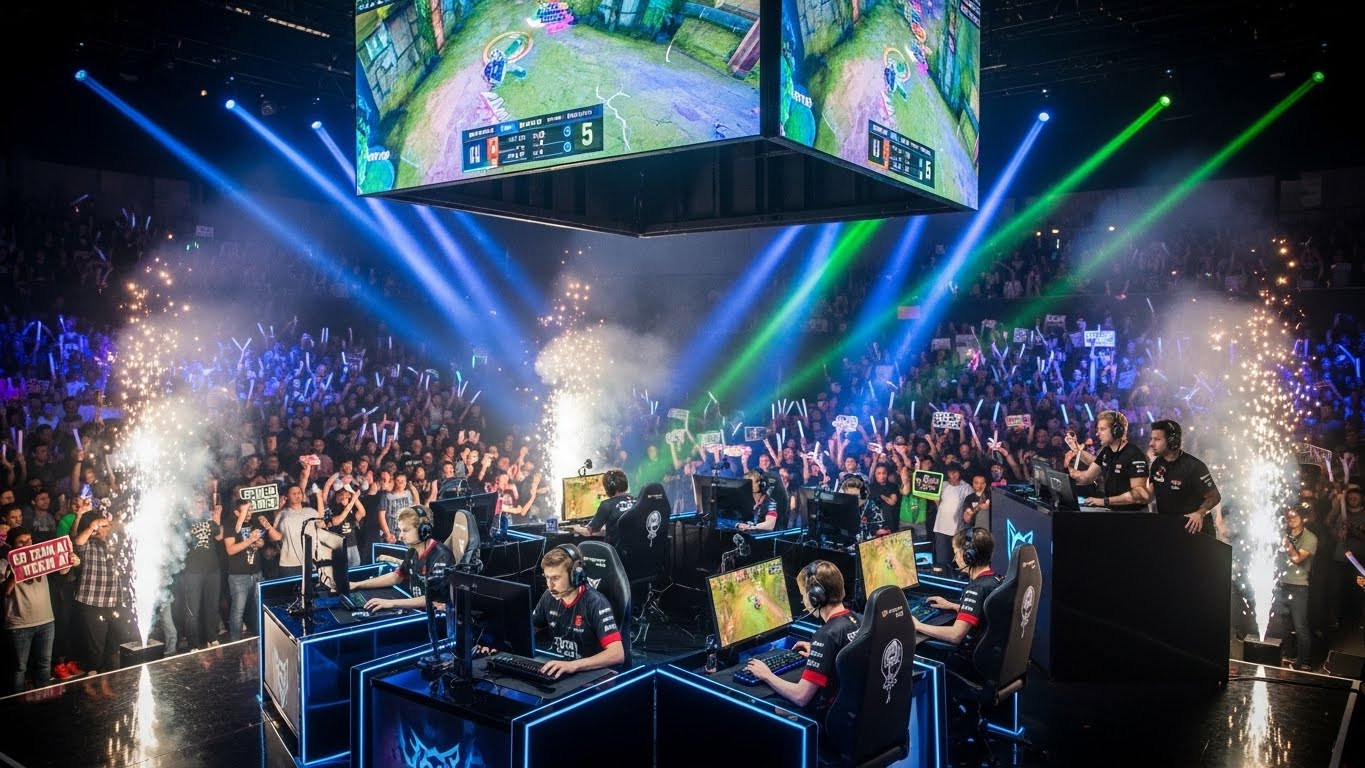
In the past few decades, gaming has transformed from a casual pastime into a competitive, highly organized phenomenon known as esports. Once considered a niche hobby practiced in bedrooms and small community centers, esports has now become a global entertainment and professional industry. Millions of people watch tournaments, follow professional players, and even aspire to make gaming their career. This blog explores the evolution of esports, the factors driving its growth, the professional ecosystem it has created, and its cultural and economic impacts.
The Early Days of Esports
Esports has roots in the early days of video gaming, beginning with local competitions and arcade tournaments. Games like Street Fighter, Pac-Man, and Tetris provided the foundation for competitive gaming. Players would gather in local arcades or at small conventions to challenge one another, often winning small prizes or local recognition.
The emergence of home computers and gaming consoles expanded the potential for competitive play. Strategy and skill became central, particularly in titles such as StarCraft and Counter-Strike. These early competitions laid the groundwork for the esports culture that would later dominate the global entertainment landscape. Communities began forming around favorite games, sharing strategies, and discussing competitions in forums and online networks.
The Role of Technology in Esports Growth
The real turning point for esports came with the widespread availability of the internet and online streaming platforms. Online connectivity allowed gamers to compete against opponents worldwide without leaving their homes. This accessibility shattered geographical barriers and created a global network of players and fans.
Streaming platforms revolutionized how audiences consume esports content. Fans could now watch live competitions, interact with commentators, and learn strategies from professional players. Streaming also introduced a new type of celebrity: professional gamers and content creators who attracted large followings and sponsorship deals. The combination of online accessibility and live broadcasting transformed esports into a mainstream form of entertainment.
Professional Players and the Competitive Ecosystem
The rise of professional esports players has been one of the most remarkable aspects of the industry. Today’s esports athletes are highly trained professionals, dedicating hours each day to practice, strategy development, and team coordination. Much like traditional athletes, they rely on coaches, analysts, and even nutritionists to maintain peak performance.
Esports tournaments offer substantial prize pools, attracting the best players from around the world. Major games such as League of Legends, Dota 2, and Fortnite have tournaments with prizes in the millions, rivaling traditional sports events. Players also gain recognition through sponsorships, streaming, and merchandise, making professional gaming a viable and respected career path.
The Business of Esports
Esports has developed into a significant global industry, generating billions of dollars in revenue each year. Several key factors drive this growth. Sponsorships and partnerships form the largest portion of income for esports organizations. Brands across technology, energy drinks, fashion, and lifestyle sectors invest heavily in teams and tournaments to reach younger, digitally engaged audiences.
Merchandise sales, ticketing for live events, and media rights contribute further to revenue generation. Major gaming companies structure professional leagues to maintain consistent engagement and competitive integrity, which helps attract long-term investments. Dedicated esports arenas, training facilities, and media production studios now exist in many parts of the world, reflecting the professionalism of the industry.
Global Reach and Regional Strengths
One of the unique aspects of esports is its international appeal. Unlike traditional sports, which often have strong regional roots, esports communities form globally. Players from different continents can compete on the same stage, and audiences around the world can watch simultaneously.
Different regions have developed expertise in specific games. South Korea is known for its dominance in real-time strategy and online battle arena games. North America hosts some of the largest esports organizations and tournaments. Europe has strong competitive scenes in tactical shooters, while Southeast Asia and China boast enormous player bases and fan communities. This globalization allows esports to transcend cultural and linguistic barriers, creating a shared global experience.
Education and Career Opportunities in Esports
Esports has expanded beyond entertainment to offer educational and professional opportunities. Universities now provide scholarships to talented esports players, treating competitive gaming similarly to traditional sports. Academic programs in esports management, event production, marketing, and game design are increasingly common.
The industry also creates jobs beyond playing professionally. Analysts, commentators, hosts, content creators, social media managers, event coordinators, and technical staff all contribute to esports operations. This ecosystem has opened up new career paths and provided economic opportunities for people passionate about gaming. Schools and youth programs have also embraced esports, using it as a tool to develop teamwork, strategic thinking, and digital skills among students.
Challenges Facing the Esports Industry
Despite its remarkable growth, esports faces several challenges. Player burnout is a major concern, as competitive gaming requires long hours of practice under intense pressure. Organizations are increasingly implementing wellness programs, but sustaining player health remains critical.
The fast-changing nature of the gaming industry adds another challenge. Games can quickly lose popularity, affecting tournament viewership and revenue. Unlike traditional sports with decades of consistent rules, esports titles can rise and fall rapidly, creating uncertainty for teams and investors.
Monetization is another ongoing concern. Although viewership is substantial, generating consistent revenue streams is more complex than in traditional sports. Ensuring the long-term financial stability of teams, events, and tournaments is essential for sustainable growth. Additionally, regulations vary widely by country, creating challenges for international competitions and player contracts.
Cultural and Social Impacts of Esports
Esports has profoundly influenced modern culture. It has created new forms of celebrity and entertainment consumption, offering fans experiences that traditional sports or media cannot replicate. Fans form communities centered on shared passions, forging friendships and social connections across borders.
Inclusivity is one of the notable aspects of esports. Physical limitations, geographic location, and economic status pose fewer barriers, allowing a wider range of people to participate. The industry also promotes digital literacy, problem-solving, and strategic thinking. Content creation, streaming, and commentary provide additional ways for fans to engage with the ecosystem and contribute creatively.
The Future of Esports
The future of esports is closely tied to technological innovation and cultural integration. Emerging technologies like virtual reality and augmented reality promise new immersive experiences, transforming gameplay and spectating. High-speed internet, cloud gaming, and AI-enhanced analytics will continue to improve competitive standards and accessibility.
Esports is also becoming increasingly intertwined with traditional sports. Many sports organizations have launched esports teams, and collaborative events are growing in popularity. The inclusion of esports in international sporting events is increasingly realistic, reflecting its legitimacy as a competitive field.
Education, global connectivity, and entertainment innovation will drive continued growth. Esports is no longer just a hobby; it is an integral part of digital culture and a rapidly expanding industry.
Conclusion: Esports as a Global Phenomenon
Esports has evolved from a small, niche hobby into a global industry that influences culture, economy, and technology. It represents a new way for people to compete, connect, and engage with entertainment. Professional players, organizations, and fans all contribute to an ecosystem that blends competition, performance, and community in ways previously unimaginable.
The industry continues to face challenges, including player health, game longevity, monetization, and regulation, but its trajectory remains upward. Esports is shaping the future of entertainment and redefining the concept of sport in the digital age. Whether as a participant, spectator, or content creator, the world of esports offers opportunities, excitement, and a glimpse into the next era of global connectivity.