Introduction: A New Arena Is Born
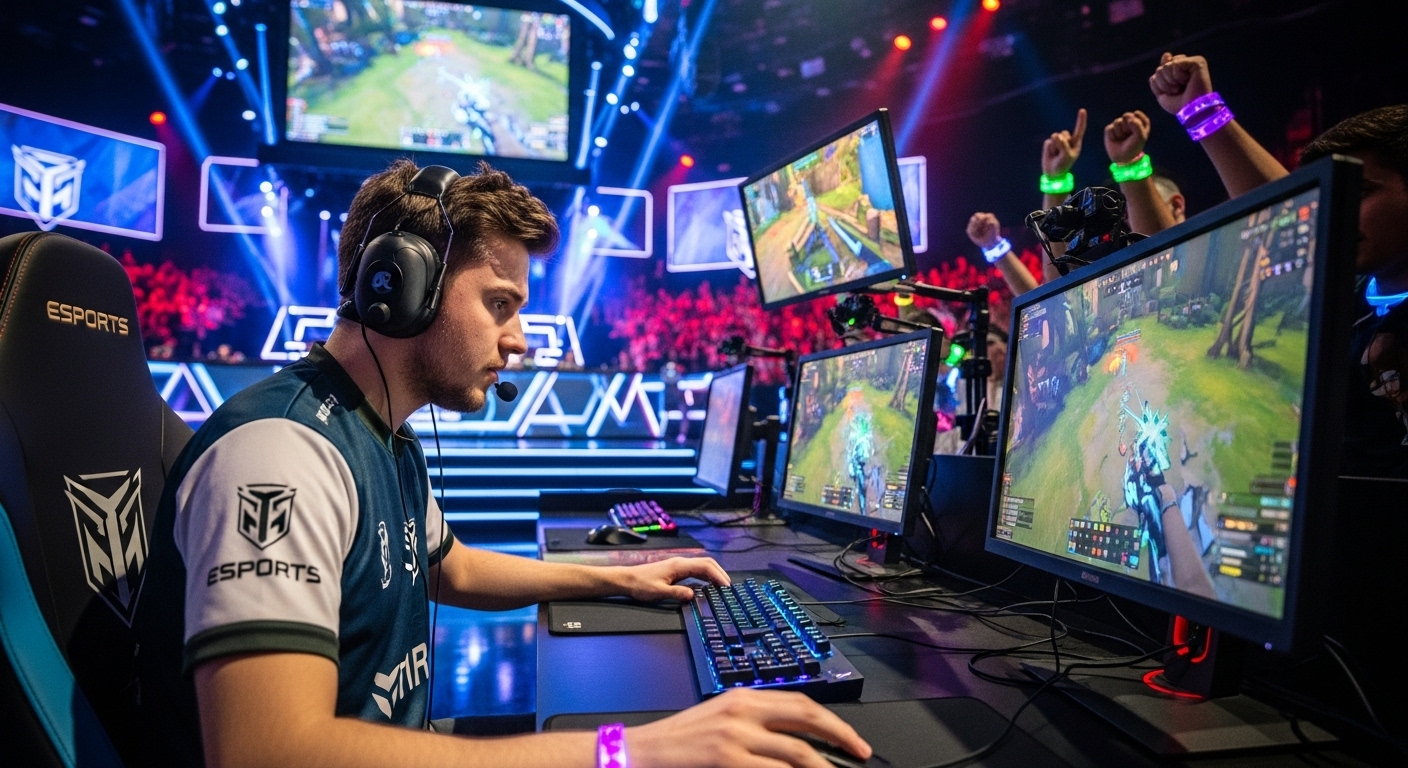
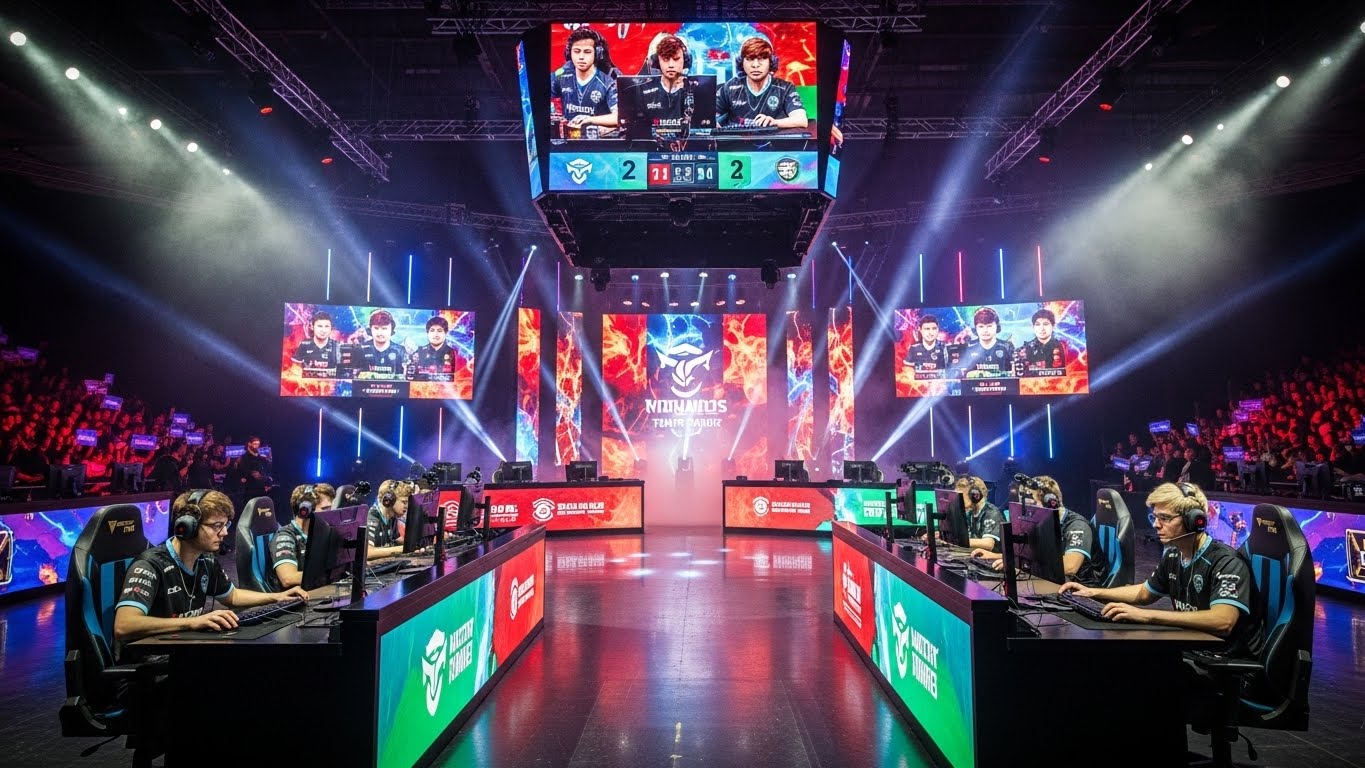
Not long ago, competitive gaming was seen as a casual pastime, something done after school or work to relax with friends. Today, esports stands as a global phenomenon, commanding packed stadiums, millions of online viewers, and prize pools that rival traditional sports. What began in bedrooms and internet cafés has evolved into a structured, professional, and highly influential industry.
Esports is no longer just about playing video games. It represents innovation, community, technology, and a shift in how competition is defined in the modern world. This blog explores the rise of esports, its ecosystem, cultural impact, career opportunities, challenges, and what the future holds for this digital battleground.
Understanding Esports: More Than Just Gaming
Esports, short for electronic sports, refers to organized, competitive video gaming where individuals or teams compete at a professional or semi-professional level. These competitions are governed by rules, formats, leagues, and tournaments, much like traditional sports.
Popular esports titles span multiple genres, including multiplayer online battle arenas, first-person shooters, real-time strategy games, sports simulations, and battle royale games. Each game demands a unique combination of skills such as reflexes, strategy, teamwork, and mental resilience.
What separates esports from casual gaming is structure. Professional teams practice daily, analyze gameplay footage, employ coaches and analysts, and participate in seasonal leagues and global championships.
The Evolution of Esports: From Arcades to Arenas
The roots of esports can be traced back to early arcade competitions and small-scale tournaments in the late twentieth century. As personal computers and consoles became more accessible, competitive gaming expanded rapidly.
The real turning point came with the rise of high-speed internet and live-streaming platforms. Gamers were no longer limited by geography. They could compete, spectate, and build communities online. This accessibility allowed esports to scale globally at an unprecedented pace.
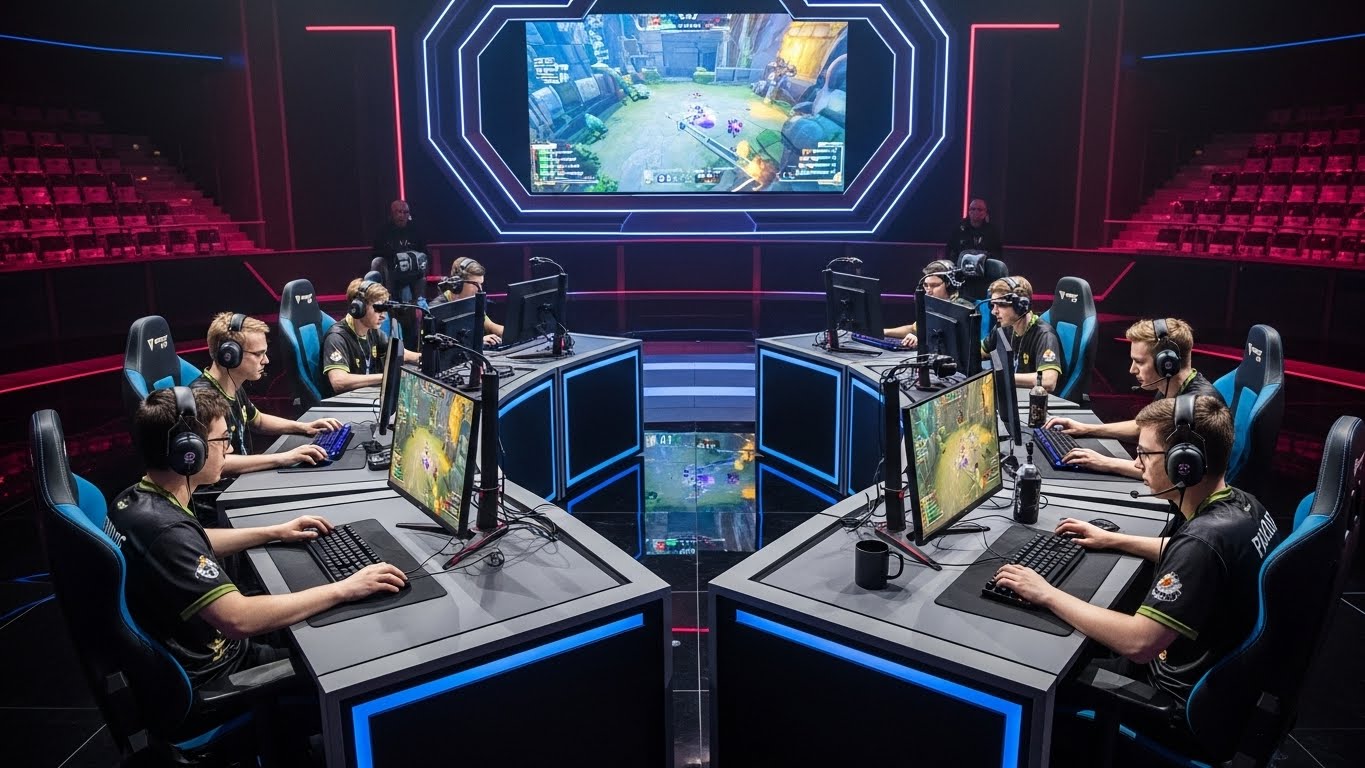
Over time, sponsorships, professional organizations, and media coverage transformed esports into a legitimate industry. Purpose-built esports arenas, franchised leagues, and international tournaments now define the modern competitive gaming landscape.
The Esports Ecosystem: Who Makes It Work
Esports thrives because of a complex and interconnected ecosystem. At the center are the players, whose skill and dedication fuel the industry. Surrounding them are teams and organizations that manage contracts, branding, and logistics.
Game publishers play a crucial role by developing and maintaining the titles used in competition. Tournament organizers design events, manage schedules, and ensure fair play. Broadcasters and production crews turn matches into engaging entertainment experiences.
Fans complete the ecosystem. Their viewership, engagement, and loyalty drive sponsorships and revenue. Without the passionate global audience, esports would not have achieved its current scale or influence.
Training and Discipline: Life of a Professional Esports Player
Contrary to stereotypes, professional esports players lead highly disciplined lives. Training schedules often include six to ten hours of daily practice, scrimmages against other teams, strategy meetings, and physical conditioning.
Mental health and focus are critical. High-pressure matches, constant travel, and public scrutiny can take a toll. Many teams now employ sports psychologists to help players manage stress, communication, and performance anxiety.
Physical fitness is also gaining importance. Proper posture, exercise, and nutrition help prevent injuries and improve reaction times. The modern esports athlete is a blend of gamer, strategist, and performer.
Global Reach and Cultural Impact
Esports has become a cultural bridge, connecting players and fans across continents. International tournaments bring together diverse languages, traditions, and playstyles, fostering global interaction and mutual respect.
In many regions, esports has influenced fashion, music, and online culture. Professional players become celebrities, inspiring fans and shaping trends. Universities and schools now recognize esports through scholarships, varsity teams, and academic programs.
For younger generations, esports represents a space where digital identity and talent are valued. It challenges traditional ideas of success and competition, proving that skill in virtual environments can be just as meaningful as physical prowess.
Careers Beyond the Controller
While professional players receive much of the spotlight, esports offers a wide range of career opportunities beyond playing. Coaches, analysts, team managers, and scouts are essential to competitive success.
On the business side, there are roles in marketing, event management, sponsorship coordination, and brand development. Content creators, commentators, and hosts bring personality and storytelling to esports broadcasts.
Technical careers also thrive, including game design, software development, production engineering, and data analysis. Esports has created an industry where passion for gaming can translate into sustainable and diverse career paths.
Challenges Facing the Esports Industry
Despite its growth, esports faces significant challenges. Player burnout is a major concern, especially among younger competitors who enter professional play early. Short career spans and lack of long-term security remain issues.
Regulation and governance vary widely across games and regions. Unlike traditional sports with unified governing bodies, esports often depends on individual publishers, leading to inconsistent rules and standards.
Issues such as cheating, match-fixing, and online toxicity also threaten the integrity of competition. Addressing these challenges requires collaboration between developers, teams, organizers, and the community.
Esports and Technology: A Symbiotic Relationship
Technology is the backbone of esports. Advances in hardware, graphics, networking, and streaming have enabled smoother gameplay and immersive viewing experiences. Artificial intelligence and data analytics are increasingly used to analyze performance and strategy.
Virtual reality and augmented reality may further transform how audiences experience esports events. Enhanced statistics, interactive viewing options, and immersive environments could redefine spectatorship.
As technology continues to evolve, esports will remain at the forefront, experimenting with new tools and redefining what competitive entertainment can be.
The Future of Esports: What Lies Ahead
The future of esports appears promising and dynamic. Continued integration with education, mainstream media, and traditional sports suggests long-term sustainability. Greater emphasis on player welfare and standardized governance could strengthen the industry’s foundation.
Emerging markets are expanding the global audience, while new game genres and formats keep competition fresh. As societal attitudes toward gaming continue to shift, esports is likely to gain even broader acceptance.
Ultimately, esports is not just a trend but a reflection of a digital-first world. It embodies how competition, community, and creativity evolve alongside technology.
Conclusion: A Digital Revolution in Competition
Esports has transformed from a niche hobby into a global powerhouse, reshaping entertainment, culture, and career opportunities. It challenges traditional definitions of sport while creating its own standards of excellence and professionalism.
As pixels turn into powerhouses, esports continues to prove that passion, skill, and dedication transcend physical boundaries. In the digital age, competition has found a new home, and esports stands proudly at its center.