Introduction: The Rise of a Digital Sport
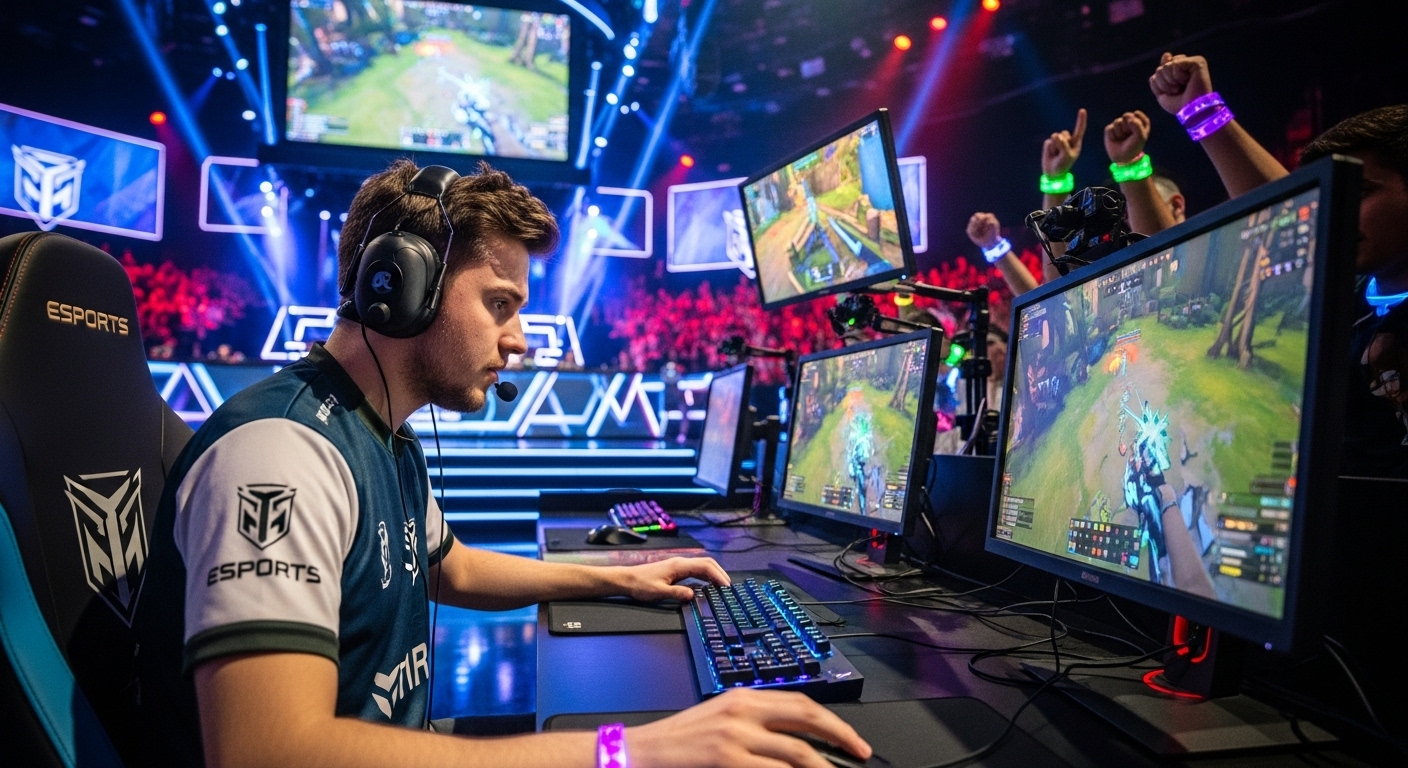
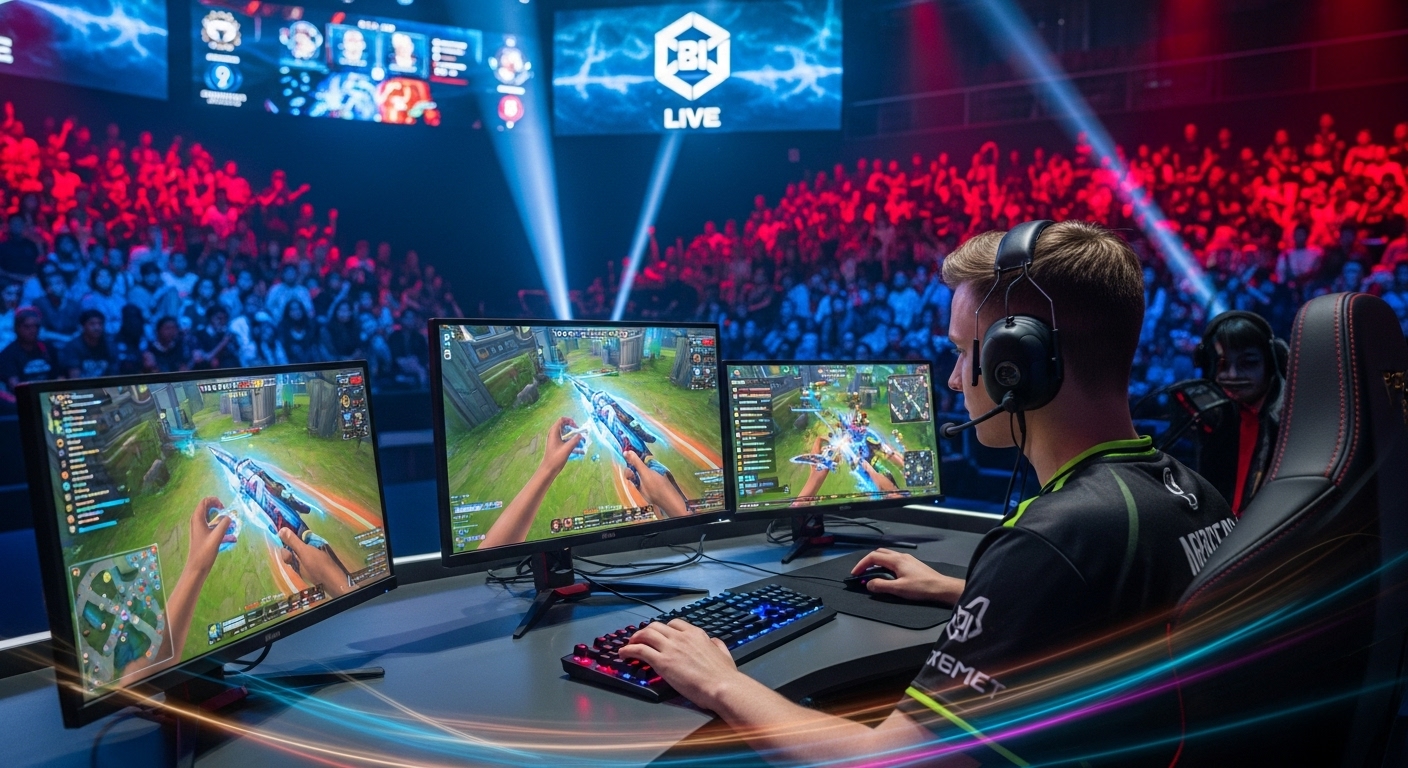
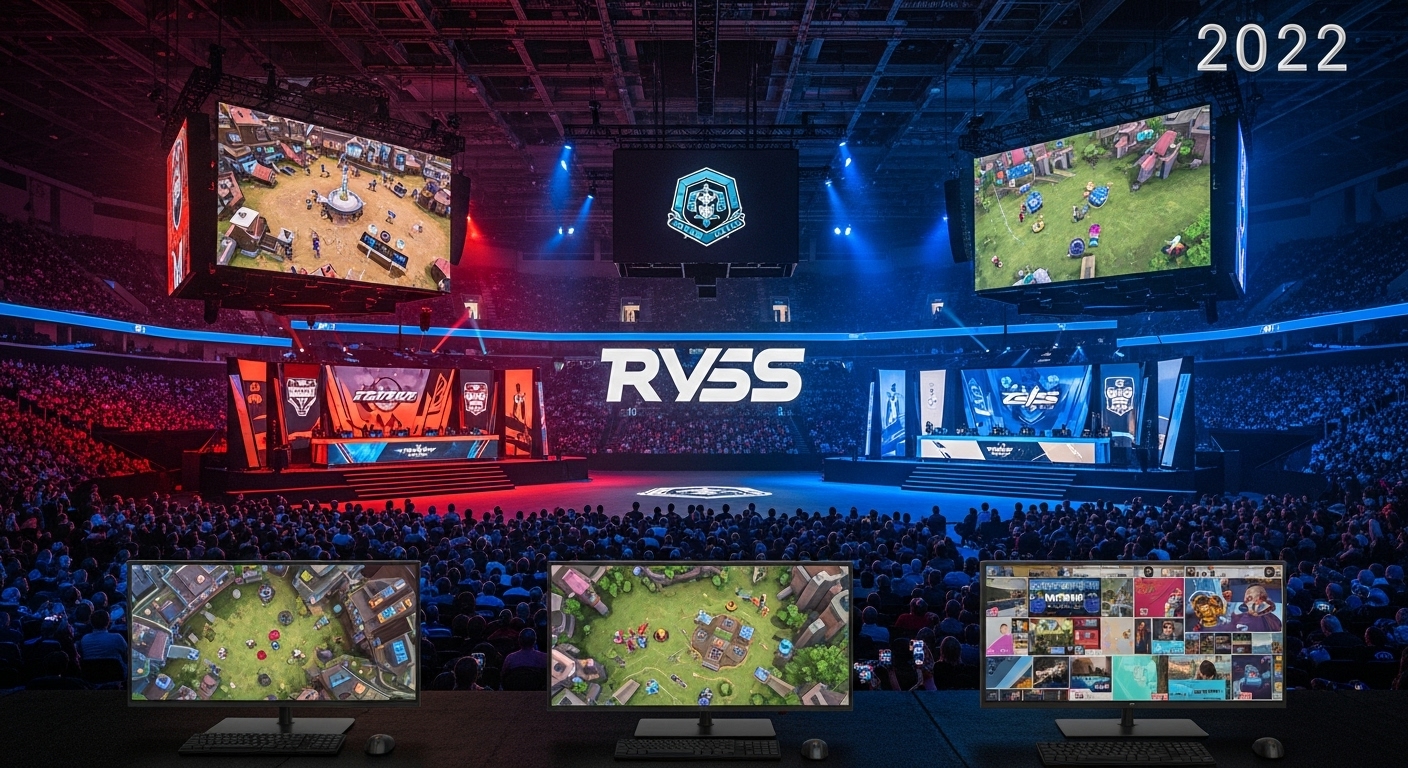
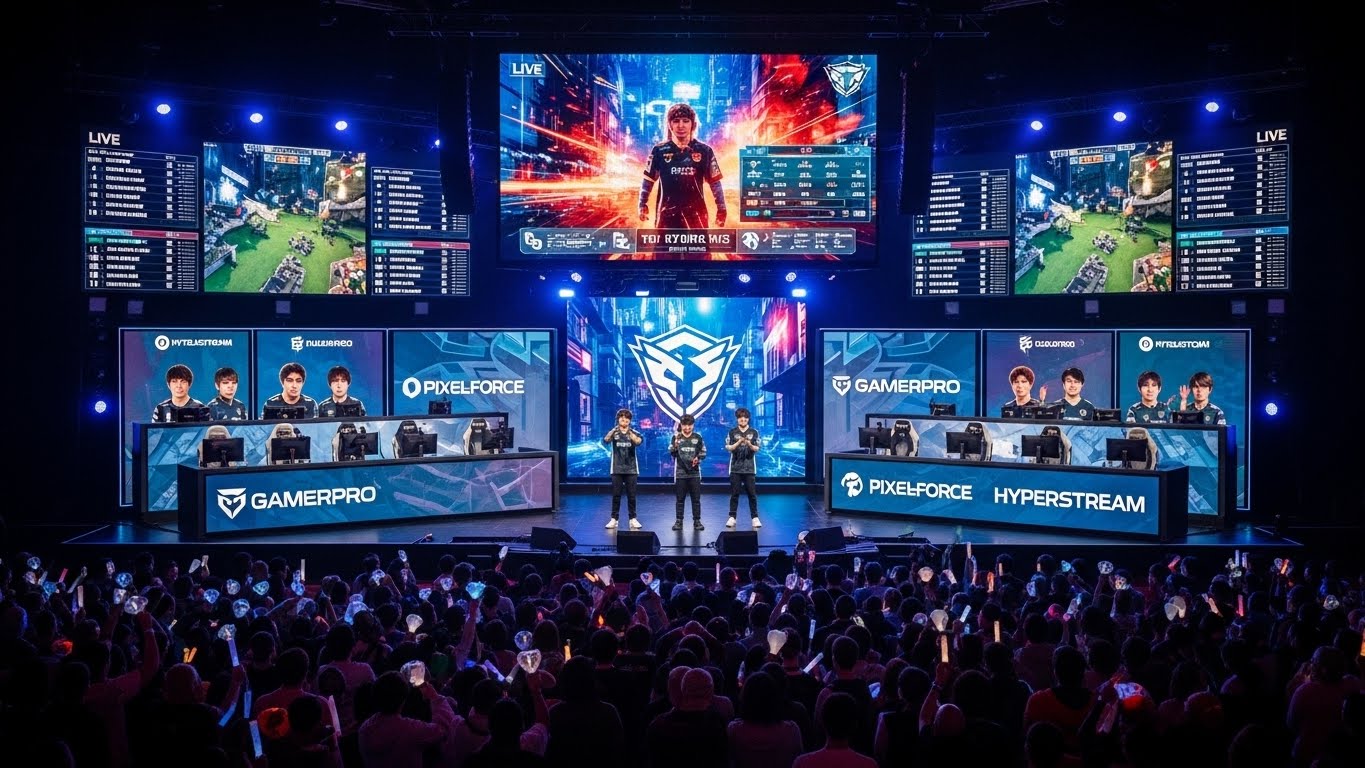
In the last decade, esports has transitioned from a niche hobby into a global industry. What was once confined to basements and small gaming communities has now expanded into stadiums filled with thousands of cheering fans, multi-million-dollar sponsorships, and international recognition. The term “esports,” short for electronic sports, refers to competitive video gaming where professional players and teams compete in organized tournaments for prizes, fame, and prestige. But esports is more than just playing games; it is a cultural and economic phenomenon shaping the future of sports and entertainment.
A Brief History of Esports
The origins of competitive gaming date back to the late 1970s and early 1980s with arcade competitions. The first known video game tournament took place in 1972 at Stanford University, where students competed in the game Spacewar. However, the modern concept of esports emerged in the 1990s with the rise of internet connectivity and games like StarCraft and Counter-Strike. These games enabled competitive communities to form online, leading to professional leagues and tournaments.
By the early 2000s, esports had grown into a structured ecosystem with established teams, coaches, and sponsors. South Korea became a central hub, particularly with the professional StarCraft scene, which attracted thousands of viewers and ignited national interest. Today, esports encompasses a wide variety of games, ranging from real-time strategy and first-person shooters to sports simulations and multiplayer online battle arenas.
Popular Esports Games and Genres
Esports is not limited to one type of game; it thrives on diversity. Some of the most popular genres include:
Multiplayer Online Battle Arena (MOBA)
Games like League of Legends and Dota 2 dominate the MOBA scene. These games involve strategic teamwork, quick decision-making, and high mechanical skill. Professional MOBA tournaments often feature prize pools worth millions of dollars, reflecting the genre’s massive popularity.
First-Person Shooters (FPS)
FPS games such as Counter-Strike: Global Offensive, Call of Duty, and Valorant focus on precision, reflexes, and team coordination. Competitive shooters have some of the most passionate fan bases, with players often becoming celebrities in their own right.
Real-Time Strategy (RTS)
RTS games like StarCraft II demand deep strategic thinking, resource management, and micro-level control. Although less mainstream today, RTS games laid the foundation for esports as a professional discipline.
Sports Simulations and Racing
Titles such as FIFA, NBA 2K, and iRacing offer a digital version of traditional sports. These games blur the line between physical and digital sports, attracting both gaming and sports enthusiasts.
Fighting Games
Games like Street Fighter and Super Smash Bros. focus on one-on-one competition, emphasizing skill, timing, and mind games. Fighting game tournaments have vibrant communities and are known for their passionate fans.
The Economics of Esports
The esports industry has exploded financially in recent years. Global revenue now exceeds billions of dollars, fueled by sponsorships, advertising, merchandise, ticket sales, and media rights. Major brands such as Nike, Coca-Cola, and Intel have invested heavily in esports sponsorships, recognizing the platform’s ability to reach younger, digitally native audiences.
Prize pools for major tournaments are astronomical. For example, Dota 2’s The International tournament has consistently broken records, with prize money exceeding tens of millions of dollars. These high stakes have not only professionalized the industry but also inspired countless gamers to pursue esports as a viable career path.
Esports has also created a vast ecosystem of supporting industries. Streaming platforms like Twitch and YouTube Gaming allow players to monetize their content, while event organizers, coaches, analysts, and managers contribute to the professional infrastructure. The economic impact is global, creating jobs, driving tourism for live events, and even influencing hardware development.
The Role of Streaming and Content Creation
Streaming has been a cornerstone of esports’ growth. Platforms like Twitch, YouTube Gaming, and Facebook Gaming enable players to broadcast live matches, engage with fans, and build personal brands. Top esports personalities are often as famous as traditional athletes, with millions of followers worldwide.
Streaming does more than entertain; it serves as a crucial marketing channel. Sponsors and advertisers leverage streams to connect with highly engaged audiences, while teams and leagues gain exposure that traditional media often cannot provide. Moreover, streaming allows fans to learn strategies, improve their gameplay, and feel part of a larger community, further fueling the esports phenomenon.
Content creation, including tutorials, highlights, and commentary, also plays a vital role. It helps bridge the gap between casual gamers and professional players, making esports accessible and relatable. The combination of live streaming and pre-recorded content has transformed esports from an isolated activity into a global entertainment spectacle.
Esports as a Career Path
Esports is no longer just a hobby; it is a legitimate career path for many young people. Professional esports players undergo rigorous training schedules, often spending 8 to 12 hours a day honing their skills. Like traditional athletes, they require physical conditioning, mental fortitude, and teamwork.
Beyond players, the industry offers careers in coaching, event management, broadcasting, marketing, and analytics. College scholarships and programs have emerged worldwide, recognizing esports as a serious avenue for academic and professional development. This legitimization has helped combat the stigma that gaming is purely recreational or unproductive.
Challenges Facing Esports
Despite its rapid growth, esports faces significant challenges. Mental health is a major concern due to long hours, high stress, and constant performance pressure. Burnout is common among professional players, necessitating structured support systems and awareness.
Additionally, the industry grapples with issues of inclusivity and diversity. While the global gaming community is diverse, professional esports has historically been male-dominated. Efforts to create equal opportunities for women, minorities, and differently-abled players are ongoing but require systemic change.
Regulatory challenges also exist, particularly regarding gambling, sponsorship ethics, and age restrictions. The rapid expansion of esports has often outpaced regulatory frameworks, leaving the industry vulnerable to exploitation and controversy.
The Cultural Impact of Esports
Esports has had a profound impact on global culture. It has changed how people perceive competition, sportsmanship, and entertainment. Gaming conventions, tournaments, and live events have become cultural landmarks, blending music, cosplay, and technology with competitive gaming.
Moreover, esports fosters global communities. Players and fans from different countries collaborate and compete, transcending geographical boundaries. This international exchange promotes understanding and camaraderie among diverse cultures. In many ways, esports is a modern cultural movement, reflecting the digital age’s interconnected nature.
The Future of Esports
The future of esports looks promising. Advances in technology, such as virtual reality, augmented reality, and artificial intelligence, are likely to enhance the gaming experience. These technologies could introduce new competitive formats, immersive spectator experiences, and innovative gameplay mechanics.
Esports may also integrate further with traditional sports. Professional sports teams are investing in esports franchises, and cross-industry collaborations are becoming common. Educational institutions continue to expand esports programs, preparing the next generation of players, coaches, and industry professionals.
Furthermore, the social and economic recognition of esports will continue to grow. It is increasingly seen as a legitimate sport, a viable career path, and a powerful cultural force. As technology evolves and audiences expand, esports may redefine the very concept of competition in the 21st century.
Conclusion: More Than a Game
Esports is more than just digital entertainment; it is a global phenomenon reshaping sports, culture, and economics. From humble beginnings in arcades and dorm rooms, competitive gaming has evolved into a professional industry that rivals traditional sports in viewership, revenue, and cultural significance.
Its growth is driven by passionate players, dedicated fans, innovative technologies, and forward-thinking organizations. While challenges remain, the momentum of esports shows no signs of slowing down. As gaming continues to evolve, esports stands as a testament to the power of competition, community, and creativity in the digital age.