Esports has transformed from a niche hobby into a global phenomenon, reshaping how people perceive gaming, competition, and entertainment. What started as small-scale tournaments among friends has now evolved into a multi-billion-dollar industry with professional leagues, international competitions, and massive audiences. This blog explores the evolution, cultural impact, and future of esports, highlighting why competitive gaming is now at the forefront of modern entertainment.
The Origins of Esports
The concept of competitive gaming dates back several decades, with early examples including arcade tournaments and video game competitions in the 1970s and 1980s. Games like Space Invaders and Pac-Man laid the foundation for competitive play, while fighting games such as Street Fighter II in the 1990s popularized head-to-head competition. The emergence of personal computers and early online multiplayer games allowed communities to form and compete across wider networks, giving rise to games like StarCraft and Counter-Strike that demanded teamwork, strategy, and skill.
These early competitions were modest, often limited to local venues, but they created the foundation for esports as we know it today. The idea of organized teams, tournaments with prize pools, and dedicated fan communities began taking shape, paving the way for a professional competitive gaming ecosystem.
The Rise of Professional Esports
The 2000s marked a significant turning point for esports. The advent of high-speed internet and live streaming platforms allowed players to compete globally while fans watched matches in real time. Games like League of Legends, Dota 2, and Fortnite became staples of competitive play due to their accessible yet deeply strategic gameplay. Professional esports leagues began forming, complete with sponsorships, coaching staffs, and structured seasons.
Esports athletes now train full-time, often following strict schedules, dietary regimens, and mental conditioning routines to stay at peak performance. Like traditional sports, professional teams have support staff, including coaches, analysts, and psychologists, emphasizing the importance of preparation and strategy. The professionalization of esports has elevated its status, attracting corporate investment, media attention, and a massive global fan base.
Popular Esports Genres
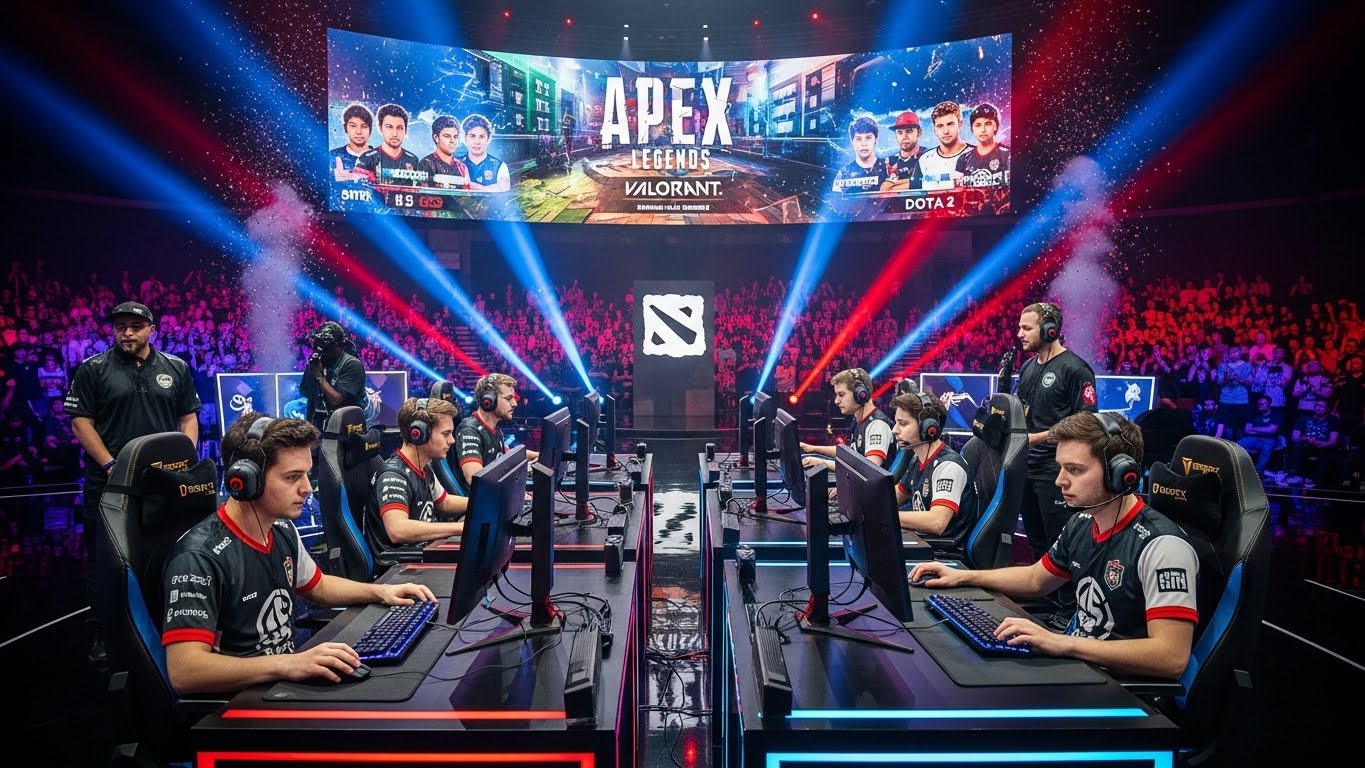
Esports encompasses a variety of game genres, each offering unique competitive experiences. Multiplayer Online Battle Arenas (MOBAs) like League of Legends and Dota 2 emphasize teamwork, strategy, and real-time decision-making. First-Person Shooters (FPS) such as Counter-Strike: Global Offensive and Overwatch focus on precision, reflexes, and tactical coordination.
Battle royale games, including Fortnite and PUBG, challenge players to survive in dynamic, large-scale environments. Fighting games like Street Fighter and Tekken require intense skill and fast reflexes in one-on-one matches. Each genre develops its own community, fan base, and professional circuits, contributing to the diversity and vibrancy of the esports ecosystem.
Tournaments and Global Competitions
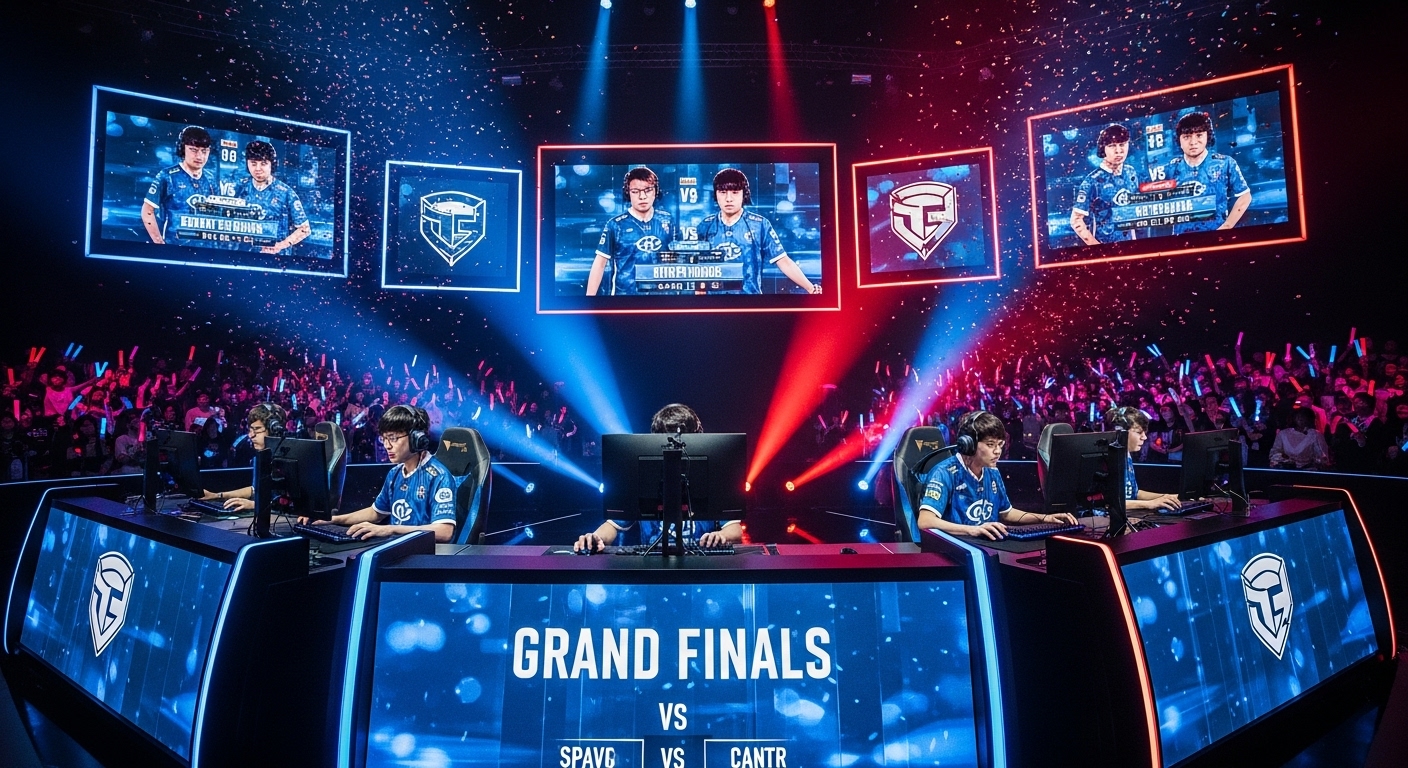
Esports tournaments are among the most exciting and high-stakes events in competitive entertainment. International competitions such as The International for Dota 2 and the League of Legends World Championship feature multi-million-dollar prize pools and attract millions of viewers worldwide. These events combine thrilling gameplay with elaborate production, including professional commentary, stage setups, and interactive fan experiences.
In addition to global competitions, collegiate and regional leagues offer aspiring players pathways to professional careers. Universities and schools now sponsor esports teams, providing scholarships and infrastructure for competitive gaming. This structured development system mirrors traditional sports pathways, ensuring the next generation of esports talent continues to grow.
Streaming Platforms and Community Engagement
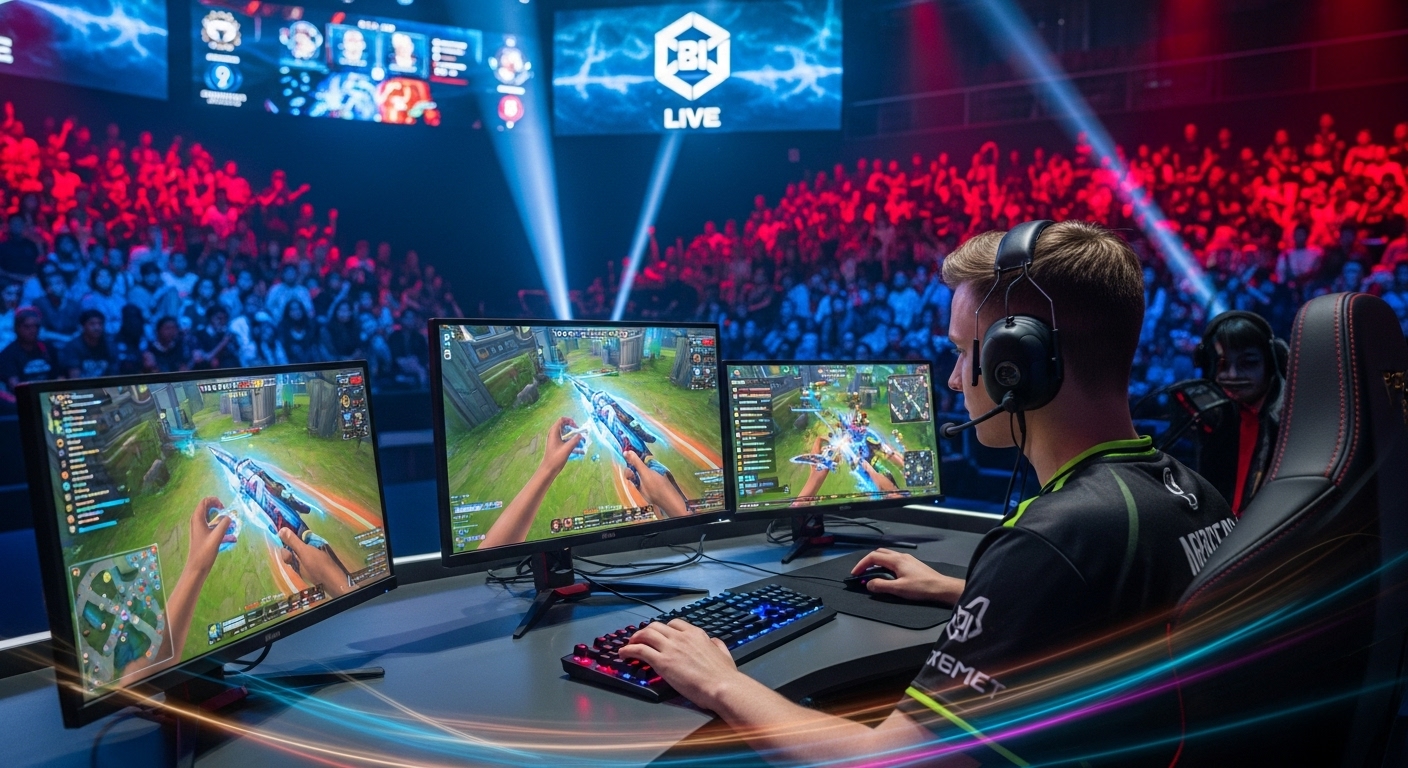
Streaming platforms have revolutionized how fans interact with esports. Services like Twitch, YouTube Gaming, and regional alternatives allow players to broadcast live gameplay, interact with viewers, and build communities. Streamers can engage audiences through chat interactions, fan challenges, and real-time commentary, creating a unique bond between players and fans.
The rise of streaming has also opened new revenue streams for players and teams, including subscriptions, donations, sponsorships, and merchandise sales. The interactive nature of streaming has helped esports become a social and participatory experience, blurring the lines between player performance and audience engagement.
The Role of Professional Teams
Professional esports teams operate similarly to traditional sports franchises. They recruit top talent, invest in coaching and strategy, and develop branding and merchandise to engage fans. Teams compete across multiple leagues and tournaments, establishing rivalries and narratives that draw audiences and create fan loyalty.
Players often become public figures, influencing trends and inspiring aspiring gamers. The identity of a team is critical not only for competition but also for community building and business development. The professionalization of teams ensures that esports continues to grow as both a sport and a cultural phenomenon.
Economic Impact of Esports
Esports has become a significant economic force, with revenue streams extending beyond prize pools to sponsorships, merchandise, media rights, and event ticket sales. Major tournaments generate substantial income for organizers, teams, and cities hosting events. Universities investing in esports programs contribute to infrastructure, scholarships, and job creation, further embedding esports within the economic ecosystem.
The industry has also attracted major corporate sponsorships from technology brands, beverage companies, and mainstream media outlets. As esports continues to grow, its economic footprint expands, demonstrating that competitive gaming is not just entertainment but a powerful business sector with global reach.
Cultural Influence and Global Appeal
Esports has reshaped cultural perceptions of gaming, transforming it from a niche hobby into a respected form of entertainment and competition. It has built vibrant global communities where players and fans connect across borders, fostering collaboration, creativity, and shared passion.
The influence of esports extends beyond gaming, impacting music, fashion, and media. Cosplay, fan art, and gaming conventions create additional avenues for expression, while esports personalities influence social media trends and digital culture. Its global appeal continues to grow as accessibility increases through mobile esports and online streaming platforms.
Challenges Facing Esports
Despite its rapid growth, esports faces significant challenges. Player burnout, mental health issues, and physical strain are concerns due to the intensity and demands of professional gaming. Ensuring fair play and integrity requires robust anti-cheating measures, monitoring, and regulations.
Esports also faces societal skepticism in some regions, with debates about whether gaming qualifies as a legitimate sport. Continued professionalization, education, and public awareness campaigns are essential for broader acceptance. Addressing these challenges is crucial for ensuring the long-term sustainability and credibility of the industry.
The Future of Esports
The future of esports promises further growth, innovation, and inclusion. Emerging technologies like virtual reality and augmented reality could create entirely new forms of competitive gaming. Mobile esports is expanding access, particularly in regions where high-end gaming hardware is less prevalent. Cross-industry collaborations with entertainment, education, and fashion provide new opportunities for revenue and engagement.
Efforts to increase inclusivity are also shaping the future. Female gamers, players with disabilities, and diverse communities are gaining visibility and representation in esports. As the industry evolves, esports will continue to redefine the boundaries of competitive entertainment, technology, and culture.
Conclusion: Esports as a Modern Phenomenon
Esports is more than just a gaming trend; it is a cultural, economic, and technological revolution. From humble beginnings in arcades to global tournaments with multi-million-dollar prize pools, competitive gaming has proven its legitimacy as both a sport and an entertainment medium. Professional players, teams, and fans contribute to a vibrant ecosystem that continues to expand and evolve.
The rise of esports demonstrates the transformative power of technology, community, and creativity. While challenges exist, the opportunities for innovation, economic growth, and cultural influence are immense. Esports represents the future of competitive entertainment, offering new experiences, career paths, and connections in an increasingly digital world.