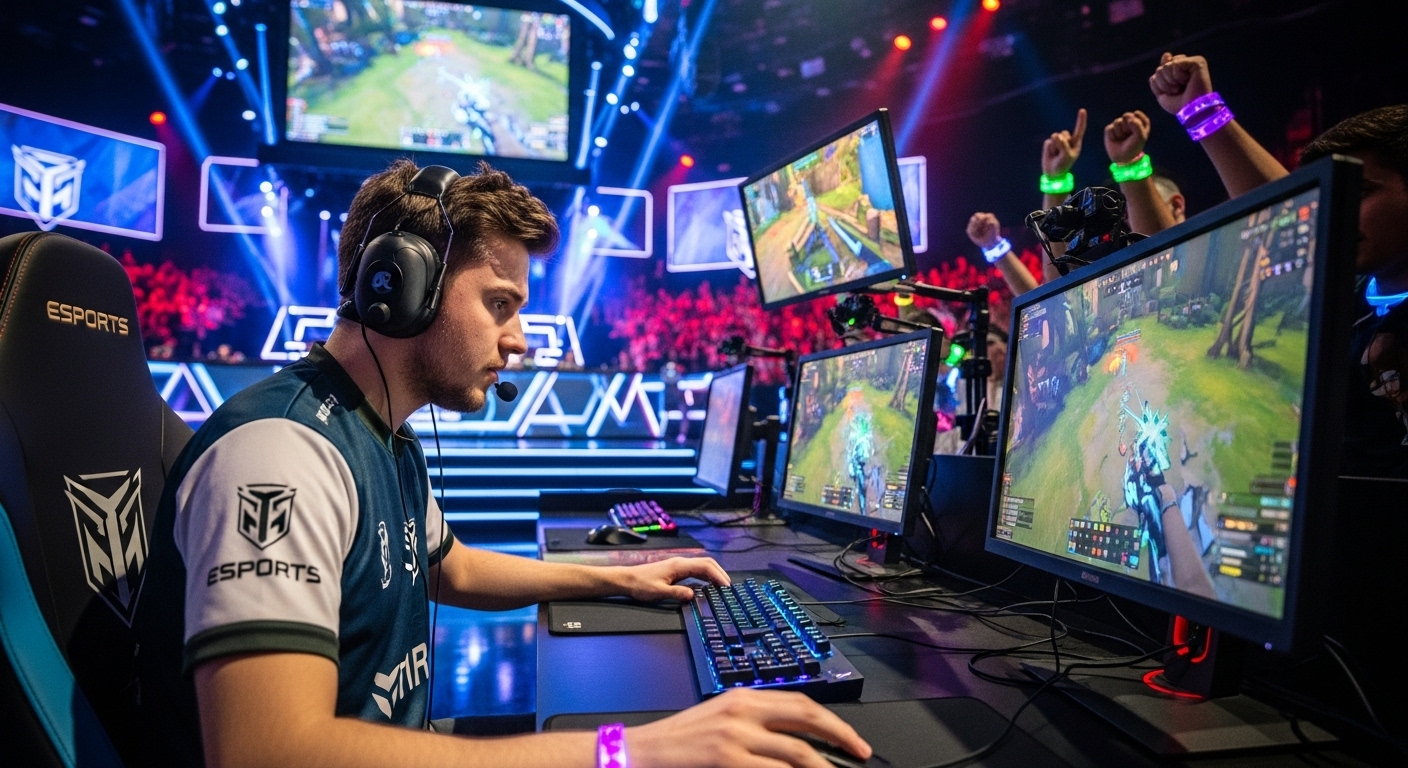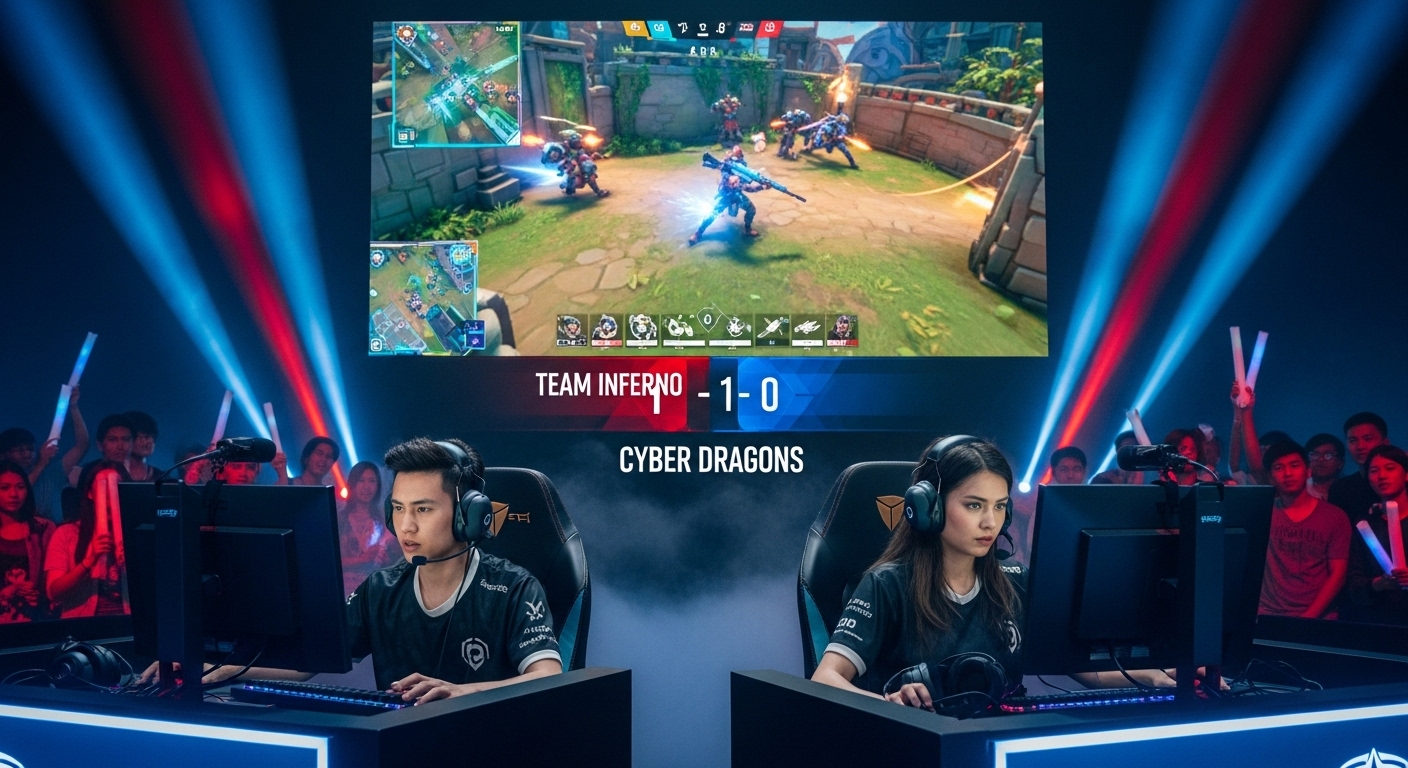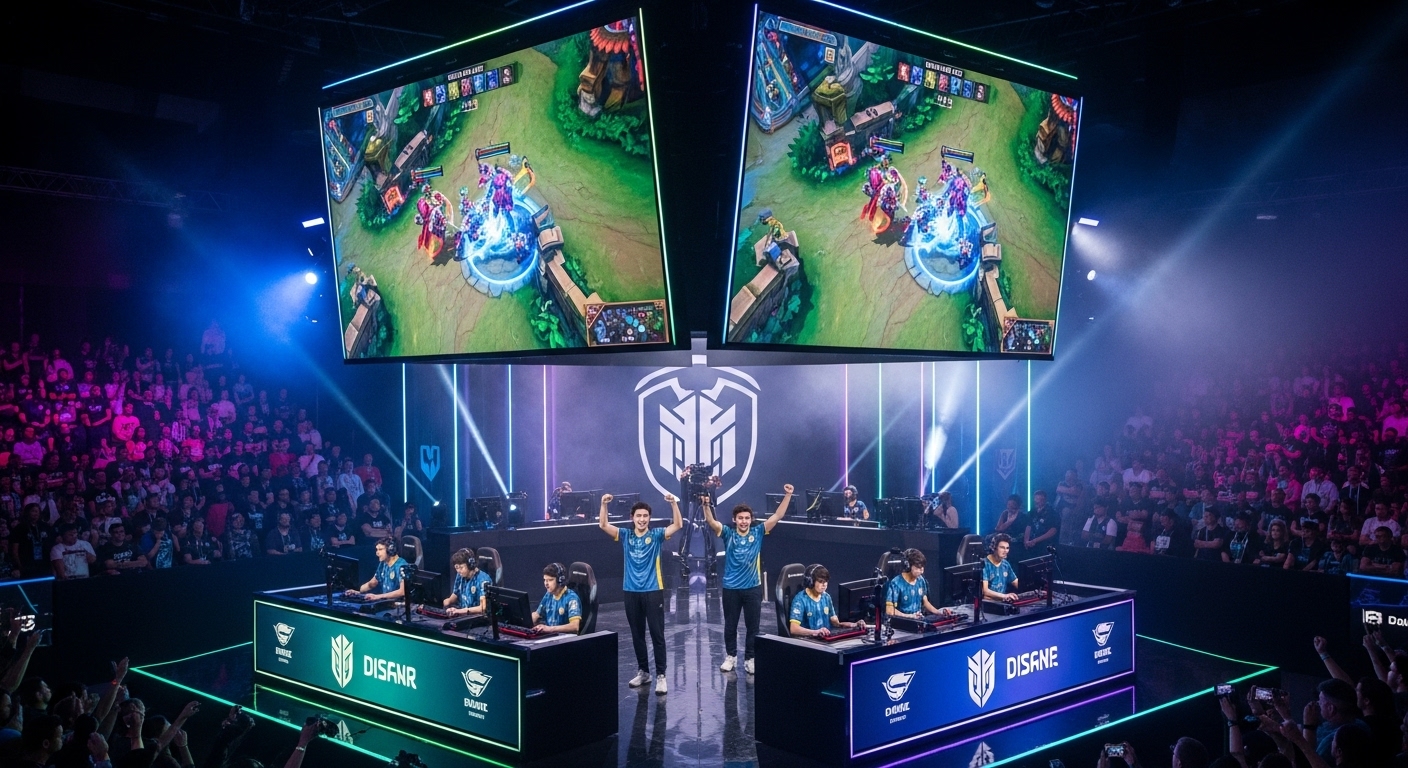

Esports, short for electronic sports, has evolved from being a niche hobby to a global phenomenon, captivating millions of viewers, players, and investors worldwide. What once started as small gaming competitions between friends has now transformed into an industry worth billions of dollars, with professional leagues, global tournaments, corporate sponsorships, and a booming online community. Esports has cemented its place as a legitimate form of entertainment, rivaling traditional sports in viewership, investment, and cultural influence.
In this blog post, we will explore the rise of esports, its evolution, its cultural impact, and the future of digital sports. From the first gaming competitions to today’s high-stakes tournaments, esports has come a long way in just a few decades. The purpose of this post is to shed light on how esports became what it is today and to look ahead at the potential developments in the world of competitive gaming.
The Early Days of Competitive Gaming
The origins of esports can be traced back to the late 1970s and early 1980s, when the first video games were introduced to the public. The idea of competition through gaming was initially informal and limited to arcades, where players would compete for high scores. Pong, released in 1972, is often considered one of the earliest examples of competitive gaming. Players would challenge each other to achieve the highest score, setting the stage for future competitive gaming events.
However, it wasn’t until the late 1990s that esports began to take shape as a more organized and formalized competition. This period saw the rise of LAN (Local Area Network) parties, where gamers would gather in large groups to play multiplayer games. These gatherings became the breeding grounds for esports tournaments, with games like Quake, StarCraft, and Warcraft becoming staples in early competitions.
In 1997, the first major competitive gaming event took place with the Red Annihilation tournament for Quake. This event set the stage for future esports tournaments, offering a cash prize and attracting top players. At this time, professional gaming was still a fledgling concept, but the seeds were being planted for what would become an entire industry.
The Growth of Esports in the 2000s
As the internet became more widely available in the early 2000s, online multiplayer gaming began to take off. Games like Counter-Strike and Warcraft III allowed players to compete against each other from anywhere in the world. With the rise of high-speed internet, online gaming platforms began to emerge, creating new opportunities for players to compete without needing to gather in person for LAN parties.
The early 2000s also marked the formation of some of the first professional esports leagues. Major League Gaming (MLG), founded in 2002, became one of the first organizations to formalize competitive gaming, hosting tournaments for games like Halo, StarCraft, and Gears of War. MLG introduced broadcasting to the esports world, allowing viewers to watch live tournaments from the comfort of their homes.
Around the same time, the World Cyber Games (WCG), founded in 2000, became one of the first international esports events, drawing competitors from all over the world to compete in games like Warcraft III and StarCraft. These events introduced the idea of esports as a global phenomenon, bringing together players from different countries and showcasing their skills on an international stage.
The development of streaming platforms like Twitch in 2011 further fueled the growth of esports. Twitch allowed gamers to broadcast their gameplay live, giving rise to a new form of entertainment: watching others play. As more gamers and fans tuned in to watch tournaments and live streams, the esports community continued to grow, both in terms of viewership and in the number of players competing at a professional level.
The Explosion of Esports: The 2010s and Beyond
By the 2010s, esports had firmly established itself as a major global industry. The most notable shift during this period was the rise of large-scale esports tournaments with multi-million-dollar prize pools, attracting top players from around the world. The League of Legends World Championship, The International (Dota 2), and The Fortnite World Cup are just a few examples of the kinds of events that began to draw massive audiences, both online and in person.
One of the driving forces behind the explosion of esports was the growth of sponsorships and media deals. Traditional sports companies, tech giants, and even mainstream brands like Coca-Cola and Mercedes-Benz started to invest in esports. These sponsorships not only provided funding for events and teams but also helped raise the profile of esports as a legitimate and profitable industry. Major media companies like ESPN and TBS also began airing esports tournaments, further solidifying esports’ place in the cultural zeitgeist.
The explosion of esports has led to the development of professional teams and organizations. Today, esports teams like Cloud9, Team Liquid, and SK Telecom T1 have established themselves as powerhouses in games like League of Legends, Overwatch, and CS:GO. These organizations sign top-tier players, provide them with training and coaching, and compete in international tournaments for substantial cash prizes.
Esports has also reached new heights in terms of viewership. Some of the largest esports events, such as the League of Legends World Championship, have attracted millions of viewers worldwide, rivaling the viewership numbers of major traditional sports events. The ease of access provided by streaming platforms like Twitch and YouTube Gaming has made it easier for fans to follow their favorite players, teams, and games from anywhere in the world, further contributing to the global appeal of esports.
The Key Elements of Esports: Games, Tournaments, and Players
Several key elements are driving the success of esports: the games themselves, the tournaments that showcase these games, and the players who compete in them.
Popular Esports Titles: Esports tournaments are centered around a select group of games that have become staples in the competitive gaming scene. These games are designed to be highly competitive, skill-based, and entertaining to watch. League of Legends, Dota 2, Counter-Strike: Global Offensive, Overwatch, Call of Duty, and Fortnite are just a few examples of games that have defined the esports landscape. Each of these games has a unique appeal, whether it’s the strategic depth of Dota 2, the fast-paced action of CS:GO, or the cooperative gameplay of Overwatch. These games are regularly featured in major esports tournaments, with large prize pools and global followings.
Esports Tournaments: Esports tournaments are the cornerstone of the competitive gaming scene. These events are where players and teams compete for both prestige and cash prizes. The largest tournaments in esports, such as the League of Legends World Championship, The International, and the Overwatch League Finals, have prize pools that can reach tens of millions of dollars. These events often feature elaborate production, including live commentary, analysis, and fan engagement, making them just as exciting to watch as traditional sports.
Professional Players: At the heart of esports are the players who dedicate themselves to mastering their craft. Professional gamers are highly skilled individuals who spend countless hours honing their abilities, studying strategies, and practicing with their teams. The journey to becoming a professional esports player is rigorous, with many players starting at a young age and working their way up through online tournaments and smaller competitions. Esports players are often regarded as celebrities, with millions of fans following their every move, both in-game and on social media.
The Economic Impact of Esports
Esports has rapidly become a multi-billion-dollar industry, with economic impacts that extend far beyond the games themselves. The esports ecosystem includes game developers, tournament organizers, sponsors, broadcasters, merchandise sellers, and more, all contributing to the growth of the industry. In 2020, the global esports market was valued at over $1 billion and is projected to continue growing at an exponential rate.
Sponsorships are a significant source of revenue for esports organizations and events. Companies like Intel, Red Bull, and Logitech sponsor tournaments and teams, helping to fund prize pools, player salaries, and event production. These sponsorships also provide valuable marketing opportunities for brands looking to target the younger, tech-savvy demographic that is most engaged with esports.
Esports has also become a significant player in the digital media landscape. Platforms like Twitch and YouTube Gaming have monetized live streaming, allowing gamers and esports organizations to generate revenue through ads, subscriptions, and donations. The rise of content creation, including gameplay commentary, tutorials, and esports event coverage, has provided countless opportunities for influencers and media personalities to thrive in the esports ecosystem.
The Social and Cultural Impact of Esports
Esports has become more than just a form of entertainment—it has shaped culture, created communities, and redefined how people interact with video games. One of the most significant aspects of esports is its ability to bring people together. Online communities, social media platforms, and live-streaming services like Twitch have allowed fans to connect with each other, share their love of gaming, and form friendships.
Esports also plays a significant role in the broader conversation about gaming and its place in society. While video games were once seen as a solitary activity, esports has helped transform them into a social and communal experience. Watching and participating in esports events has become a way for people to bond, whether it’s with friends or with others around the world.
Esports has even made its way into academic and professional settings. Some universities now offer esports scholarships, and competitive gaming is being integrated into college programs. Additionally, the legitimacy of esports as a sport has led to discussions about whether it should be included in the Olympic Games. While esports is not yet an official Olympic event, the inclusion of esports