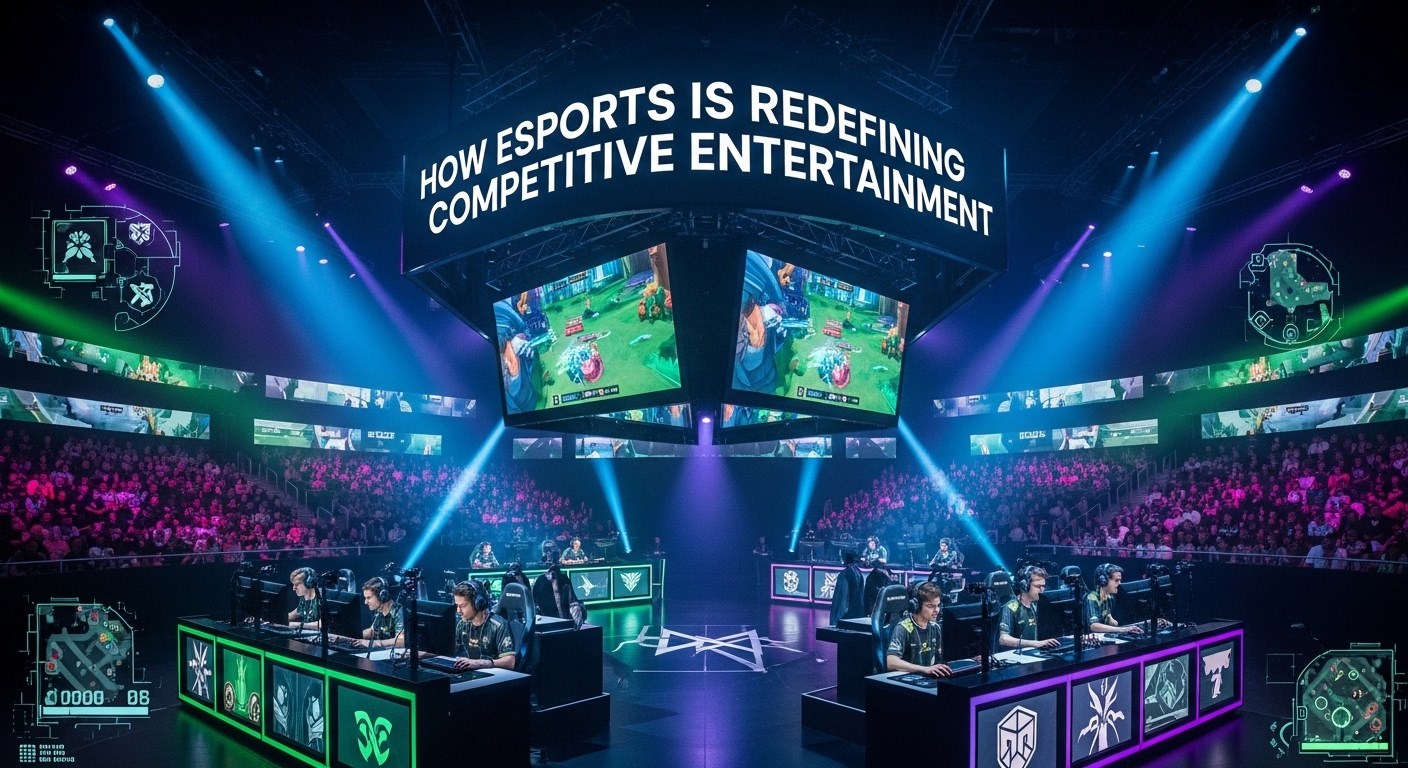
Esports, short for electronic sports, has grown into a dominant force in the global entertainment landscape. What was once a hobby for a small community of passionate gamers has transformed into a multi-billion-dollar industry. Esports tournaments now draw millions of viewers, and professional gamers are becoming celebrities in their own right. The industry is not just about playing games; it has become a full-fledged ecosystem, with sponsorship deals, streaming platforms, large-scale tournaments, and a rapidly growing fan base. In this blog post, we will dive deep into the rise of esports, the factors fueling its expansion, and its impact on the entertainment world.
1. What Is Esports?
Esports is competitive gaming where individuals or teams play video games in a professional setting, often for large cash prizes, sponsorships, and global recognition. Unlike casual gaming, esports involves well-organized competitions that can range from regional tournaments to international championships. Players compete in a variety of game genres, including first-person shooters, real-time strategy, and multiplayer online battle arenas.
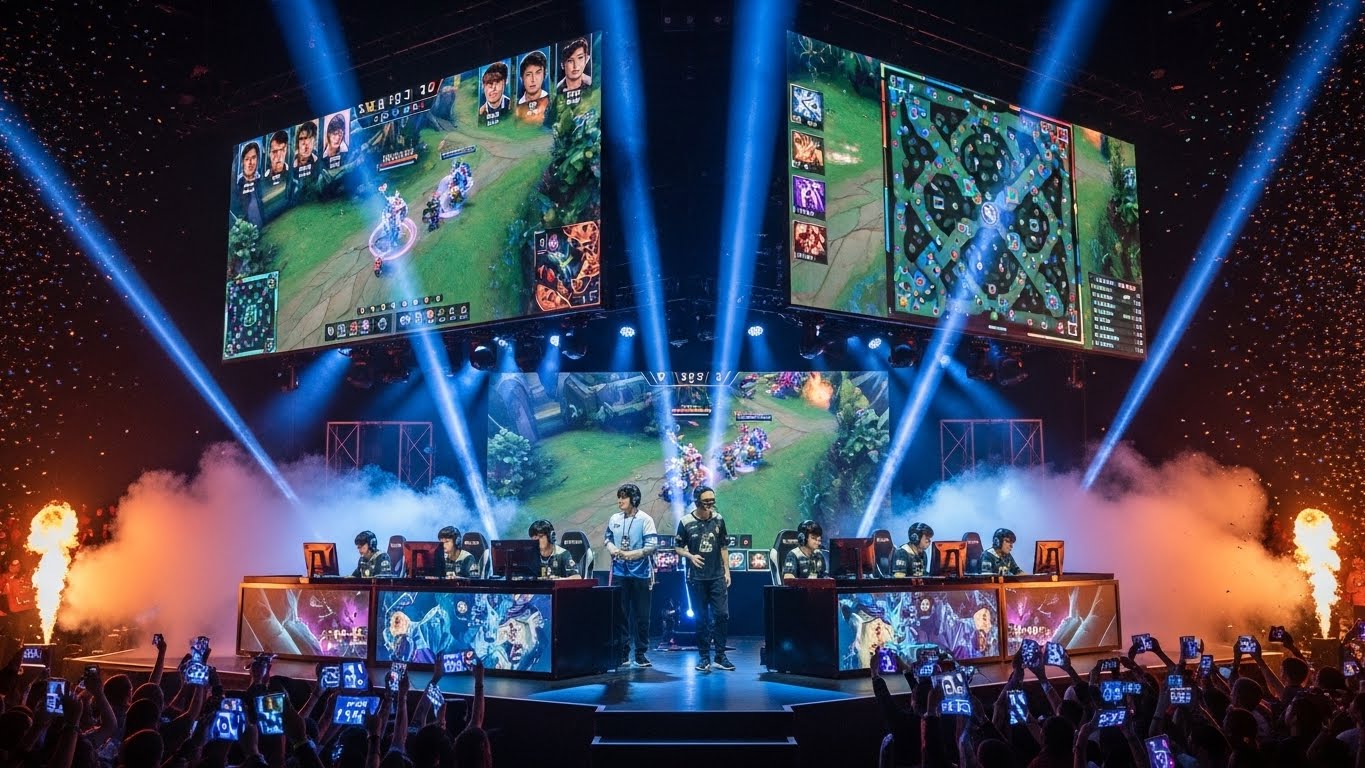
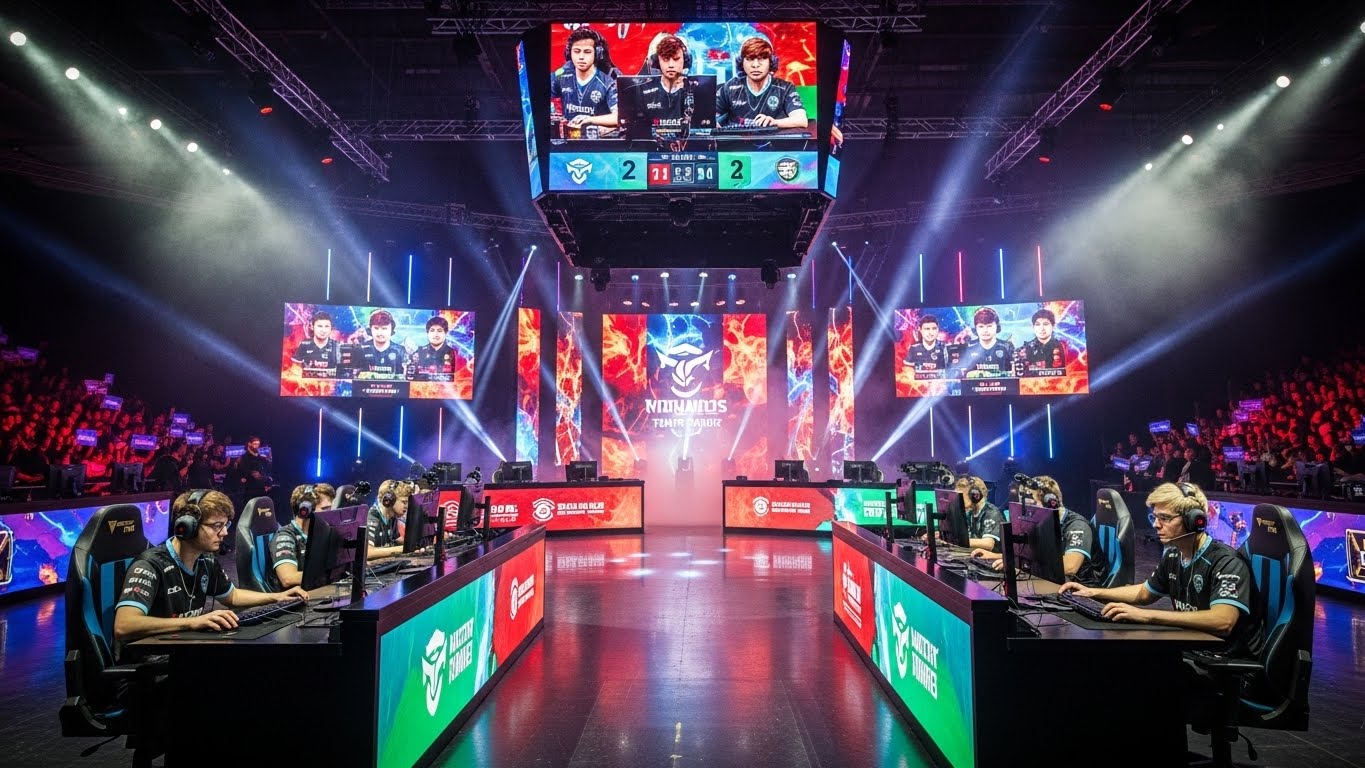
Esports is often live-streamed, allowing fans to watch their favorite players and teams in real-time. These tournaments have evolved into massive events that can fill entire arenas, similar to traditional sports events. Games such as League of Legends, Counter-Strike: Global Offensive, Dota 2, and Overwatch have become some of the most popular titles in esports, drawing millions of viewers both online and at live events.
2. The Rapid Growth of Esports
The esports industry has seen explosive growth over the past decade. According to recent reports, the global esports market is expected to exceed $1.6 billion in revenue by the end of 2023, with a fan base numbering in the hundreds of millions worldwide. This rapid growth can be attributed to several factors, including technological advancements, the increasing accessibility of gaming, and the widespread adoption of online streaming platforms.
One of the most significant contributors to esports’ success is the rise of streaming platforms such as Twitch, YouTube Gaming, and Facebook Gaming. These platforms allow fans to watch live streams of esports events, providing real-time commentary and interaction with players. The ability to watch games live has significantly increased the reach of esports, making it accessible to a global audience.
Additionally, esports has tapped into the power of social media. Platforms like Twitter, Instagram, and TikTok have become integral parts of the esports ecosystem, allowing fans and players to interact, share highlights, and discuss tournaments. Esports stars now have massive followings on these platforms, and many have become influencers, further propelling the industry’s popularity.
3. Esports: A Professional Industry
Esports is no longer a pastime for hobbyists; it has evolved into a professional career for many players. Much like traditional athletes, professional gamers train rigorously to hone their skills and develop strategies. Competitive esports players are often signed by esports organizations, which provide them with coaching, team management, and sponsorship opportunities. These organizations treat esports like a business, with contracts, team branding, and long-term goals in place.
Esports players can earn substantial amounts of money through prize winnings, sponsorships, and streaming. The Dota 2 International tournament, for example, boasts one of the largest prize pools in esports, often exceeding $30 million. Even players in smaller competitions can make a comfortable living through tournament earnings and sponsorship deals.
Beyond individual players, professional esports organizations have become major players in the industry. These organizations scout and sign top talent, train their teams, and compete in high-stakes tournaments. They also manage merchandising, branding, and partnerships with other businesses, further legitimizing esports as a professional industry.
4. The Role of Sponsorships and Partnerships
Sponsorships have played a crucial role in the growth of esports. Brands from outside the gaming industry have flocked to esports, seeing the potential to reach a young, tech-savvy audience. Major companies such as Coca-Cola, Intel, and Red Bull have sponsored esports events and teams, helping fund tournaments and support the careers of professional players.
In addition to corporate sponsors, traditional sports organizations have also taken an interest in esports. Teams from leagues such as the NBA, NFL, and even European football clubs have invested in esports. For example, the Paris Saint-Germain soccer team has its own esports division, and the Golden State Warriors of the NBA have invested in esports teams like T1 and Team Liquid.
These sponsorships have created a mutually beneficial relationship between esports organizations and corporations. Brands can use esports as a platform to promote their products to a global audience, while esports teams and players receive funding to improve their infrastructure and compete at the highest level.
5. The Power of Streaming Platforms
One of the most influential factors in the rise of esports is the growing importance of streaming platforms. Twitch, which was launched in 2011, has become the go-to platform for live gaming content. Esports tournaments are regularly streamed on Twitch, and the platform allows viewers to watch their favorite players, interact in real-time via chat, and even donate money to their favorite streamers.
The accessibility of Twitch has contributed to the rapid growth of esports, as fans no longer need to attend physical events to watch their favorite players. Additionally, Twitch’s partnership with esports organizations has brought the gaming world closer to mainstream sports. Events like the League of Legends World Championship or The International (Dota 2) are now watched by millions, with some tournaments even breaking viewership records.
In addition to Twitch, YouTube Gaming has grown into a significant competitor in the streaming space. Many esports organizations and players use YouTube to upload highlights, behind-the-scenes content, and live streams of their matches. The ability to watch content on-demand has further contributed to esports’ mainstream appeal, allowing viewers to enjoy the action at their own pace.
6. The Social Impact of Esports
Esports has had a profound impact on the way we view gaming and entertainment. For years, gaming was seen as a solitary or niche activity, something that was primarily done by younger individuals in isolation. Today, esports has brought gaming into the social fold, with online communities forming around specific games, teams, and players.
Esports events have become social experiences, with fans attending live tournaments, participating in fan events, and engaging with their favorite players and streamers on social media. This sense of community is a powerful driver behind the popularity of esports, as fans feel a deep connection to the players they support and the teams they cheer for.
Moreover, esports has also helped challenge stereotypes about gaming. Where gaming was once seen as an activity predominantly for young men, esports has become an inclusive space for people of all genders, ages, and backgrounds. Female gamers and players are becoming increasingly visible in the esports scene, breaking down barriers and creating a more diverse and welcoming environment for everyone.
7. The Future of Esports
As esports continues to expand, the future looks incredibly promising. New technologies, such as virtual reality (VR) and augmented reality (AR), are set to revolutionize the way esports are played and viewed. VR esports could create a more immersive experience for both players and spectators, while AR could provide real-time data and statistics to enhance gameplay and viewer engagement.
Esports’ relationship with traditional sports will also continue to evolve. As more traditional sports leagues invest in esports, we may see further integration between the two, with cross-promotion, joint events, and even mixed competitions. The line between traditional and digital sports is blurring, and this trend is likely to continue in the coming years.
The growth of esports will also lead to greater accessibility. As gaming technology becomes more affordable and internet access improves globally, esports will reach even more people, particularly in emerging markets. Countries in Asia, Latin America, and Africa are already seeing significant growth in esports participation and viewership, which will further contribute to the global expansion of the industry.
8. Conclusion
Esports has come a long way from its humble beginnings as a niche hobby. Today, it is a multi-billion-dollar industry that has captured the attention of millions of fans around the world. With professional leagues, sponsorships, streaming platforms, and an increasingly global fan base, esports is reshaping the entertainment landscape. As technology advances and esports continues to grow, it is clear that digital sports are here to stay.
For fans, esports offers a unique and engaging experience, one that brings together competition, entertainment, and community. For players, it provides opportunities for fame, fortune, and professional careers. As the industry matures, we can expect even more exciting developments, new technologies, and further integration with traditional sports. The future of esports is bright, and it promises to remain a key player in the evolving world of global entertainment.