Introduction: The Dawn of Competitive Gaming
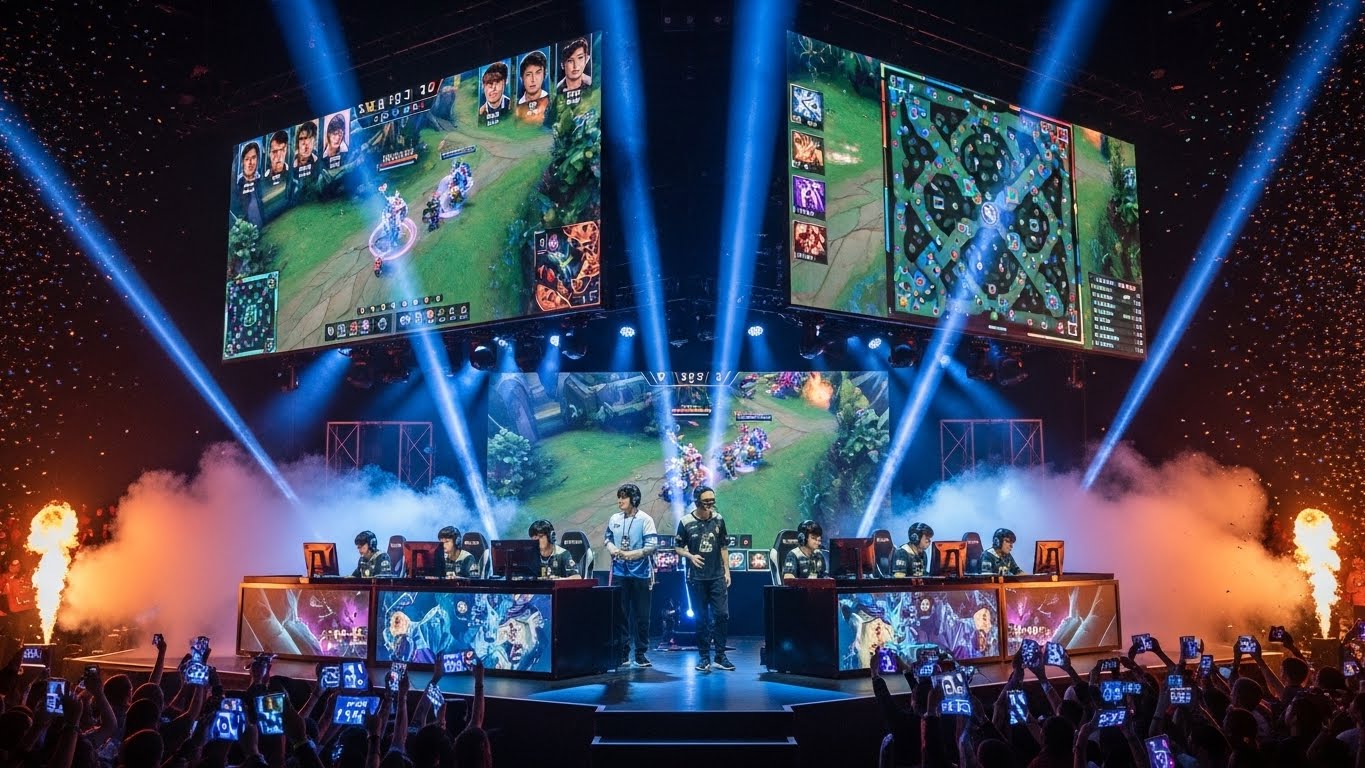
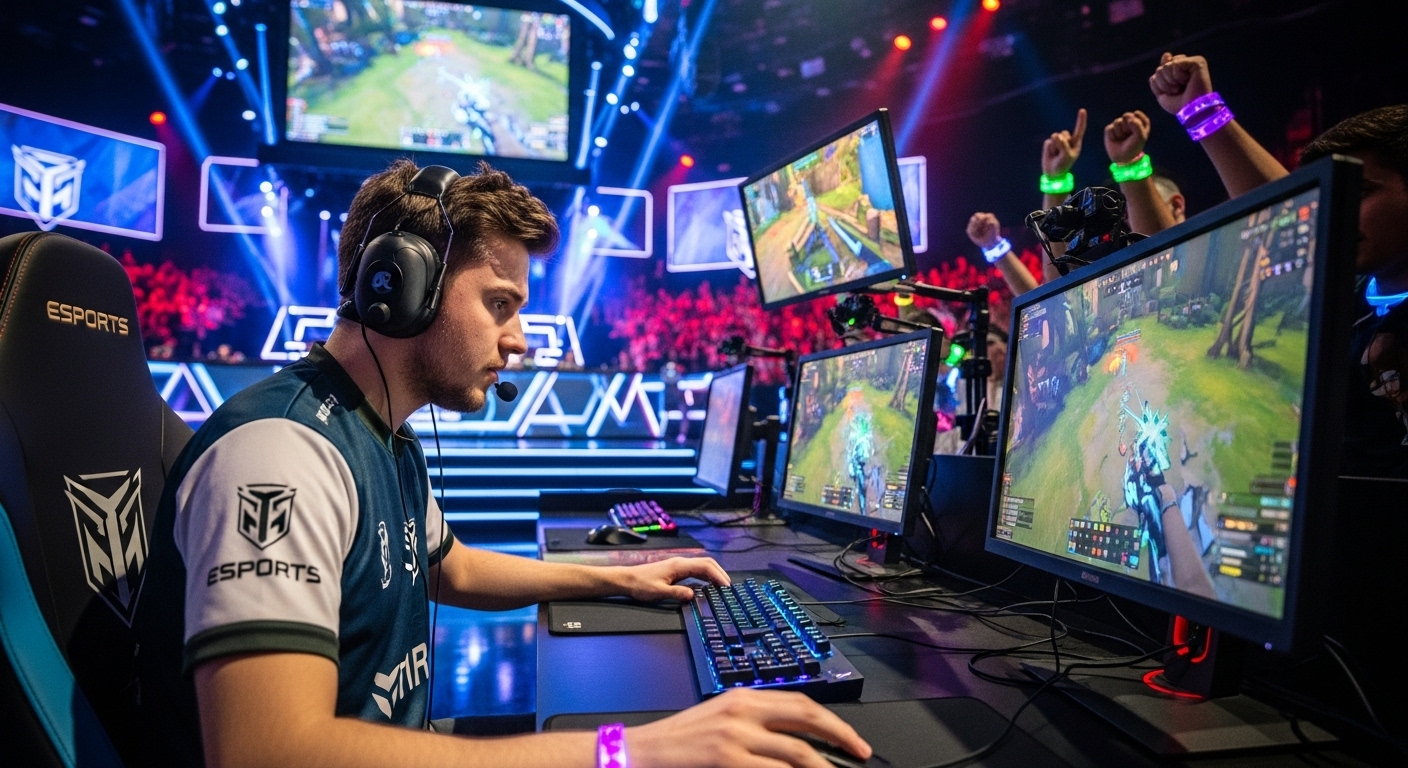
In the early 21st century, video games were a form of entertainment largely enjoyed by a dedicated, yet niche, community. Over the years, however, what started as a casual pastime grew into a massive, multi-billion-dollar industry known as esports. Competitive gaming, once confined to small tournaments and LAN parties, now attracts millions of viewers, players, and investors around the world. Esports today has its own leagues, stadiums, sponsorships, and even stars who rival athletes in traditional sports.
This transformation of competitive gaming from a hobby to a globally recognized phenomenon is no coincidence. The rise of esports reflects larger cultural, technological, and economic shifts. But how did this happen? What factors drove the evolution of esports into the entertainment powerhouse it is today? This blog will explore the journey of esports, its current landscape, and what the future holds for the industry.
The Birth of Esports: From Arcade Games to Online Tournaments
The origins of esports can be traced back to the earliest days of gaming itself. While the first competitive video games appeared in the late 1970s and early 1980s, the gaming industry as a whole remained largely informal. Games like Space Invaders and Pong sparked interest in competitive gaming, but tournaments were rare and small in scale.
The first significant milestone in esports history came with the advent of Street Fighter II tournaments in the early 1990s. Street Fighter II, a popular fighting game, led to the formation of organized competitive events and is often considered the first true esports tournament. The rise of PC gaming and the popularity of Quake, Doom, and StarCraft in the late 1990s and early 2000s further propelled the esports scene forward.
Online gaming, however, was the real game-changer. The introduction of broadband internet and the formation of online multiplayer networks allowed gamers from around the world to compete against one another without leaving their homes. Games like Counter-Strike and Warcraft III pioneered the early days of online esports, while platforms such as Battle.net became vital for organizing and hosting these matches. This period marked the true birth of competitive gaming, with players now able to join tournaments regardless of location.
The Professionalization of Esports: From Hobby to Career
While esports began as a grassroots movement, the shift to professional gaming was inevitable. With the advent of massive multiplayer online games (MMOs) like World of Warcraft and the success of real-time strategy (RTS) games like StarCraft, gaming organizations and sponsors took notice. Over time, esports began to take on the form of traditional sports, with organized leagues, sponsorships, and professional teams emerging to manage players and teams.
One of the key milestones in the professionalization of esports was the formation of major gaming leagues and tournaments. In 2000, the World Cyber Games held its first global championship, drawing competitors from 17 countries. This event would later be regarded as the “Olympics” of gaming, providing a platform for international players to showcase their skills. Similarly, Major League Gaming (MLG) founded in 2002, became a key player in organizing professional esports events in North America, particularly focusing on first-person shooters like Halo.
In parallel with the growth of professional leagues, sponsorships began to pour into the industry. Major brands, from tech giants like Intel and ASUS to companies outside the gaming space, recognized the growing power of esports and its massive, mostly young, audience. These partnerships fueled the growth of esports organizations and allowed players to pursue gaming as a full-time career.
The Rise of Streaming: Changing How We Experience Esports
Another pivotal moment in the growth of esports came with the rise of streaming platforms like Twitch. Founded in 2011, Twitch quickly became the leading platform for gamers to stream their gameplay live to audiences worldwide. The platform offered a way for players to broadcast themselves, interact with fans, and build communities in ways that were never possible before.
For esports, Twitch became more than just a platform for streaming individual players—it was where tournaments were broadcasted to millions of viewers, and where fans could tune in to watch their favorite games and players live. The availability of instant access to esports content allowed the scene to explode in popularity. Major esports tournaments, such as the League of Legends World Championship or The International (Dota 2’s annual tournament), saw tens of millions of views per event.
The success of Twitch led to the rise of other platforms like YouTube Gaming and Facebook Gaming, each contributing to the accessibility and reach of esports content. This new way of consuming esports helped fuel its growth and cement its place in mainstream culture.
The Role of Esports in Modern Culture
Esports has done more than change the landscape of gaming—it has become a cultural force in its own right. Competitive gaming now intersects with pop culture, with esports stars becoming celebrities in their own right. Many players have built massive followings on social media platforms, where they stream their gameplay, interact with fans, and endorse brands. These influencers often cross over into traditional media, with some appearing in commercials, hosting TV shows, or participating in mainstream sports events.
Esports also provides a space for fans to create and interact with content in unique ways. Dedicated esports fans participate in online communities, attend tournaments in person, create fan art, and even organize their own events. Esports has created a sense of belonging for people who share a passion for competitive gaming, leading to the creation of fan clubs, merchandise, and digital platforms built around teams, players, and specific games.
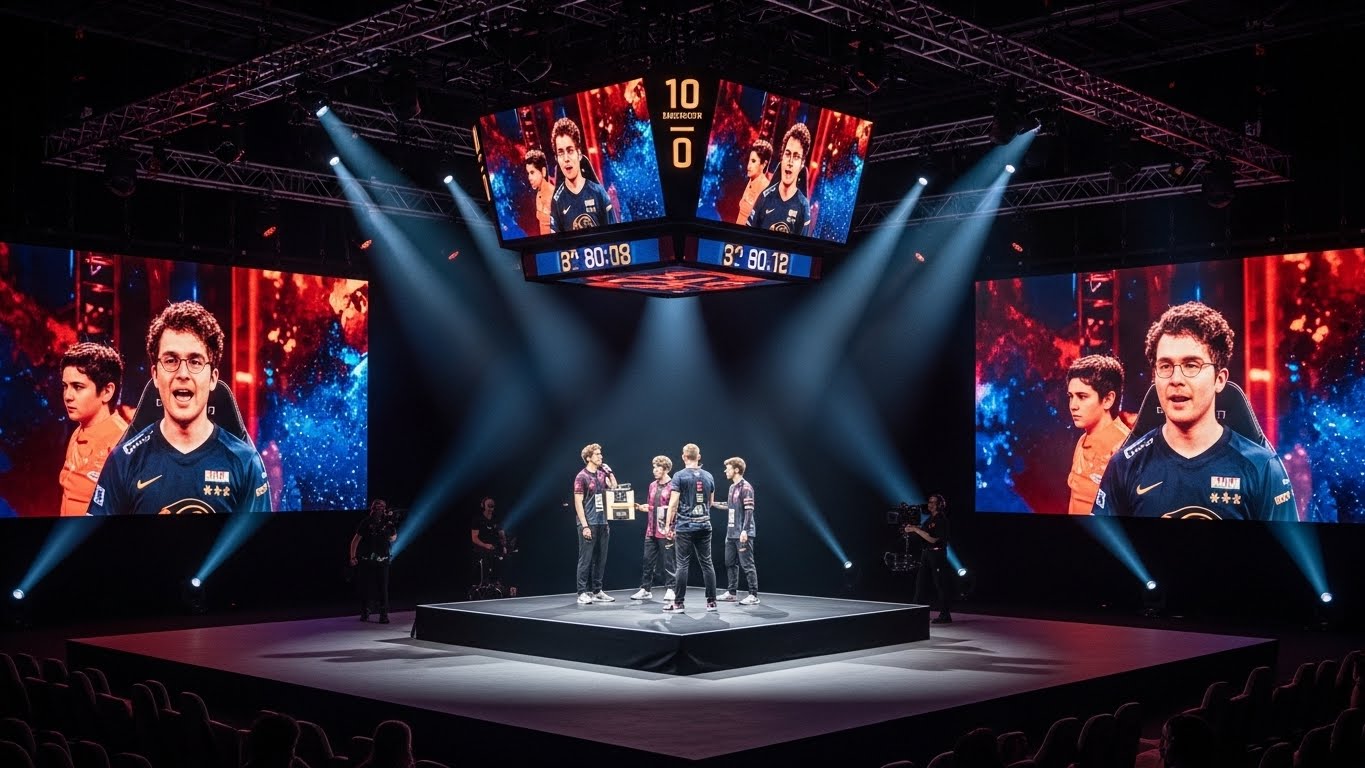
Moreover, esports’ growing influence is shaping other industries, including fashion, music, and entertainment. Major esports events are now held in massive stadiums or arenas, attracting fans in droves. Sponsors and advertisers also recognize the value in associating with esports, leading to cross-industry partnerships, collaborations, and endorsements that further amplify its cultural relevance.
The Economic Impact of Esports
Esports has rapidly become a multi-billion-dollar industry, with its economic footprint growing each year. The primary sources of revenue for the esports industry include sponsorships, media rights, advertising, merchandise sales, and ticket sales for live events. The most popular esports leagues and tournaments now have prize pools that can reach tens of millions of dollars, with high-profile events often broadcast live to millions of viewers worldwide.
Sponsorship deals are a major contributor to esports’ financial success. Brands such as Coca-Cola, Audi, and Red Bull have partnered with major esports organizations to target the youthful, tech-savvy audience that is drawn to competitive gaming. These sponsorships not only provide funding for players and tournaments but also give companies an opportunity to market their products to a highly engaged demographic.
Media rights have also become a major revenue stream. Just like traditional sports leagues, esports organizations now sell broadcasting rights to media companies, who then air the events to a global audience. The exponential growth of esports viewership means that media companies are increasingly eager to secure broadcasting deals, and platforms like ESPN have even started airing esports events on traditional TV.
Challenges and Future Prospects
Despite its immense growth, esports faces challenges. One of the primary concerns is player burnout. The intense competition and demanding schedules can lead to physical and mental exhaustion, with many esports professionals retiring earlier than expected. Player well-being has become a significant focus for organizations, who are now offering better support systems to address mental health issues, injury prevention, and overall wellness.
Another challenge is ensuring fairness and integrity in the competitions. Esports, like any other competitive sport, is vulnerable to cheating and match-fixing. To combat these issues, strict anti-cheating measures and monitoring systems have been implemented. Developers and tournament organizers work tirelessly to maintain the integrity of the competitions.
Looking to the future, the possibilities for esports are limitless. As technology advances, we can expect new developments such as virtual and augmented reality to create even more immersive esports experiences. The continued growth of mobile gaming also promises to make esports more accessible to players across the globe, particularly in emerging markets.
Conclusion: The Global Phenomenon of Esports
Esports has gone from a niche hobby to a global cultural and economic powerhouse. Today, it is a mainstream phenomenon that connects millions of people around the world through shared passions for competitive gaming. With professional leagues, global tournaments, and the rise of digital streaming platforms, esports continues to break boundaries and reshape the entertainment industry.
As the industry continues to grow and evolve, esports will remain at the forefront of digital entertainment, offering new opportunities for players, fans, sponsors, and investors alike. The future of competitive gaming is bright, and we’re only scratching the surface of what esports can achieve.