Esports has rapidly transformed from a niche hobby into a global entertainment powerhouse. What was once confined to basement tournaments and online leagues has now exploded into massive stadium events, multi-million-dollar prize pools, and a dedicated fan base spanning the globe. As the world of competitive gaming continues to evolve, it is reshaping not only the gaming industry but also how we think about sports, entertainment, and culture. In this blog post, we’ll explore the meteoric rise of esports, the impact it’s having on traditional sports, and what the future holds for competitive gaming.
The Beginnings of Esports: Humble Origins
The history of esports stretches back to the 1970s and 1980s, when competitive video gaming was little more than a fun activity for hobbyists. The first recognized video game tournament was held in 1972 for the game Space Invaders, drawing a modest 200 players. However, it wasn’t until the 1990s that the idea of esports, as we know it today, began to take shape. Early multiplayer games like Doom, Quake, and StarCraft brought together players across regions, laying the foundation for online competitions.
Despite being limited to relatively small events, the gaming community began to grow, and with the advent of better internet infrastructure, the stage was set for esports to transition from local gatherings to large-scale international tournaments. These early competitions were marked by passion and community spirit, with players and fans sharing a love for gaming and competition.
The Digital Age: Streaming and Global Expansion
As the 2000s rolled in, a significant shift took place: streaming platforms like Twitch, YouTube, and later Facebook Gaming allowed gamers to showcase their skills to a global audience. This was a game-changer for esports, as it made competitive gaming accessible not just for participants but for millions of viewers. No longer did fans need to attend events in person to enjoy top-tier competition—they could watch tournaments unfold live from the comfort of their own homes.
During this period, games like League of Legends, Dota 2, Counter-Strike: Global Offensive, and Overwatch became the mainstays of the esports scene. With massive international tournaments like the League of Legends World Championship and The International for Dota 2, esports began to resemble traditional sports, with global fanbases, professional teams, coaches, and even analysts. These events drew tens of millions of viewers worldwide, eclipsing traditional sports in some regions.
Esports as a Billion-Dollar Industry
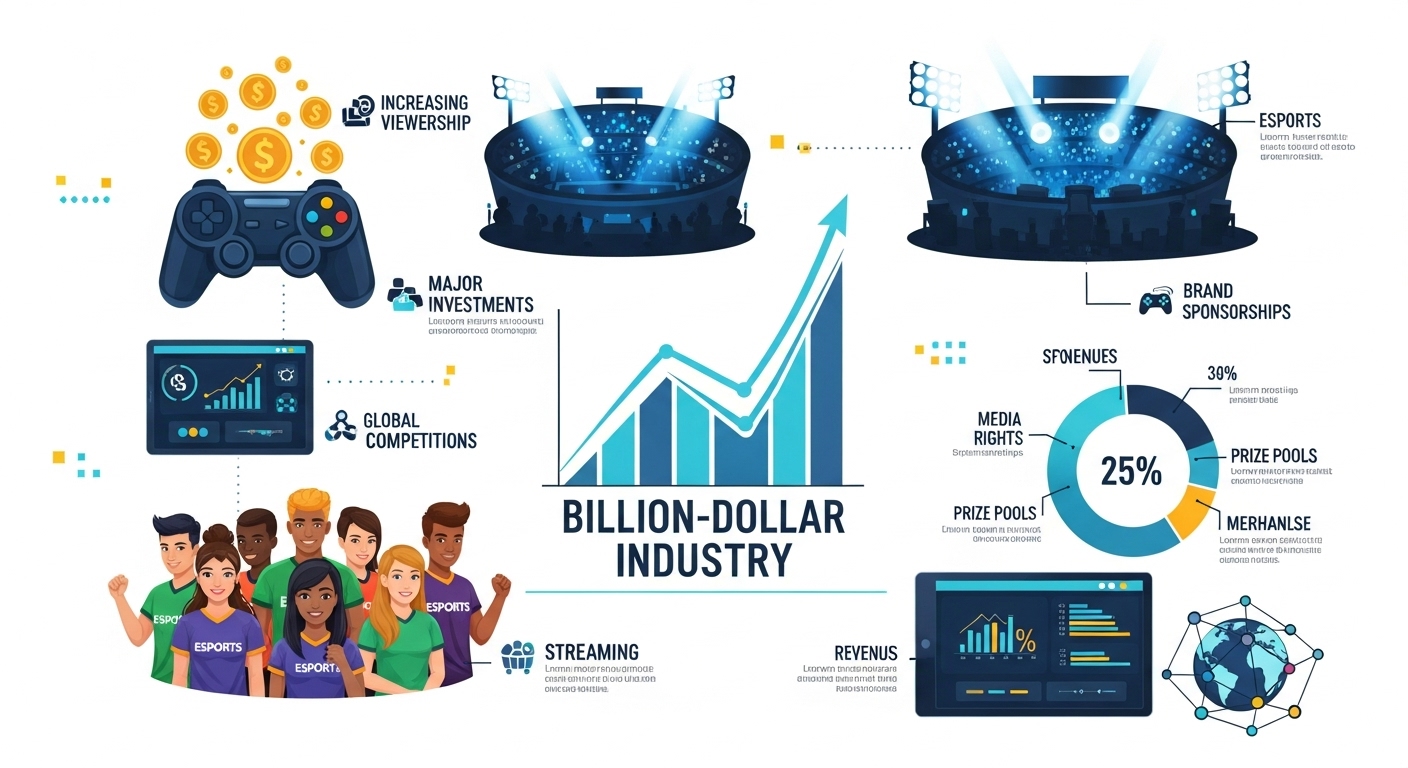
Fast forward to today, and esports is no longer just a hobbyist endeavor—it’s a thriving, multi-billion-dollar industry. The global esports market is projected to exceed $1.5 billion by 2027, driven by an increase in advertising, sponsorships, and media rights. This is comparable to the revenue generated by traditional sports leagues like the NBA and NFL.
Esports revenue comes from a variety of sources. Major gaming publishers, such as Riot Games, Valve, and Blizzard Entertainment, invest heavily in tournament organizing and prize pool funding. Sponsorships from global brands like Intel, Coca-Cola, Nike, and Mastercard also play a critical role in boosting esports’ financial viability. Additionally, advertising revenue from streaming platforms, such as Twitch and YouTube, continues to grow, making esports one of the most lucrative entertainment sectors.
But the financial ecosystem doesn’t end there. Streaming personalities, or “content creators,” have turned competitive gaming into a full-time career, with top players earning significant amounts through sponsorships, fan donations, and ad revenue from their streams. The combination of these factors has created a robust and diversified economy within the esports industry.
The Cultural Shift: Esports as Mainstream Entertainment
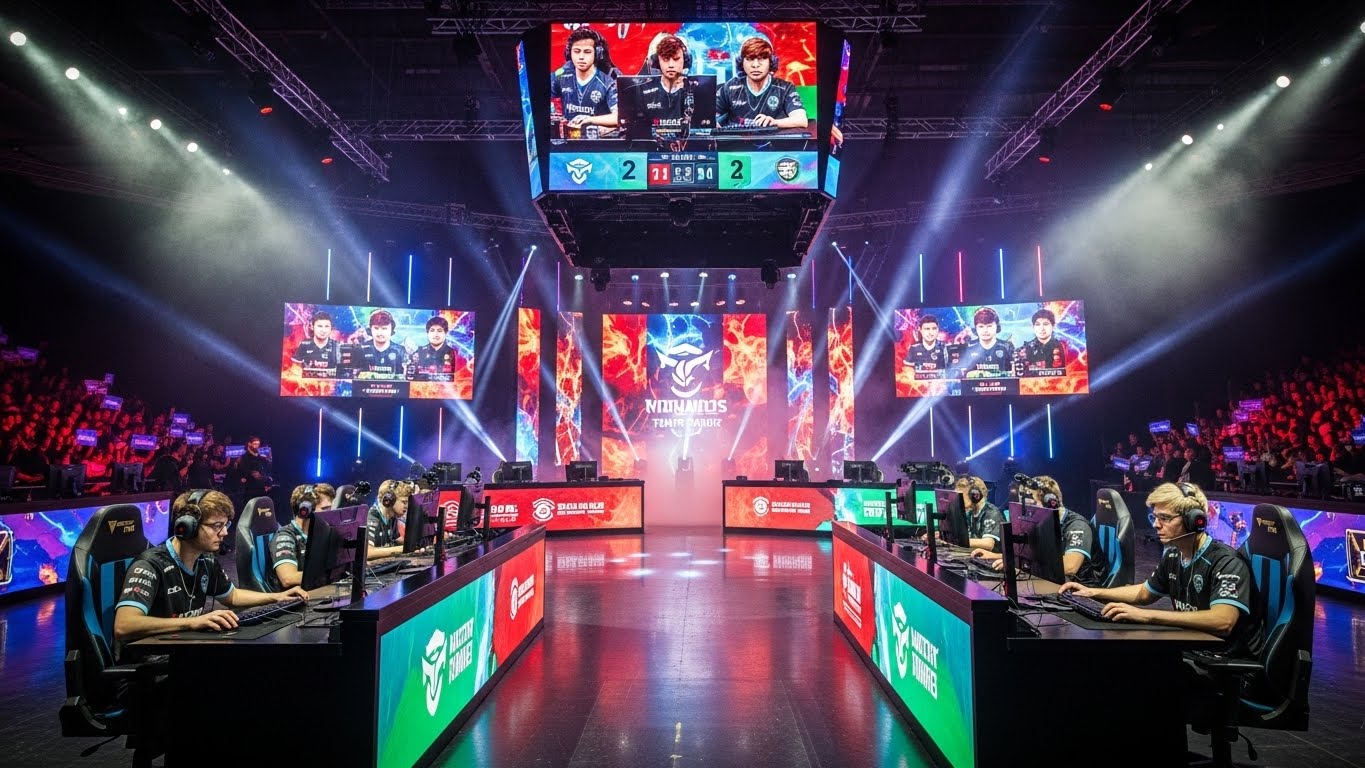
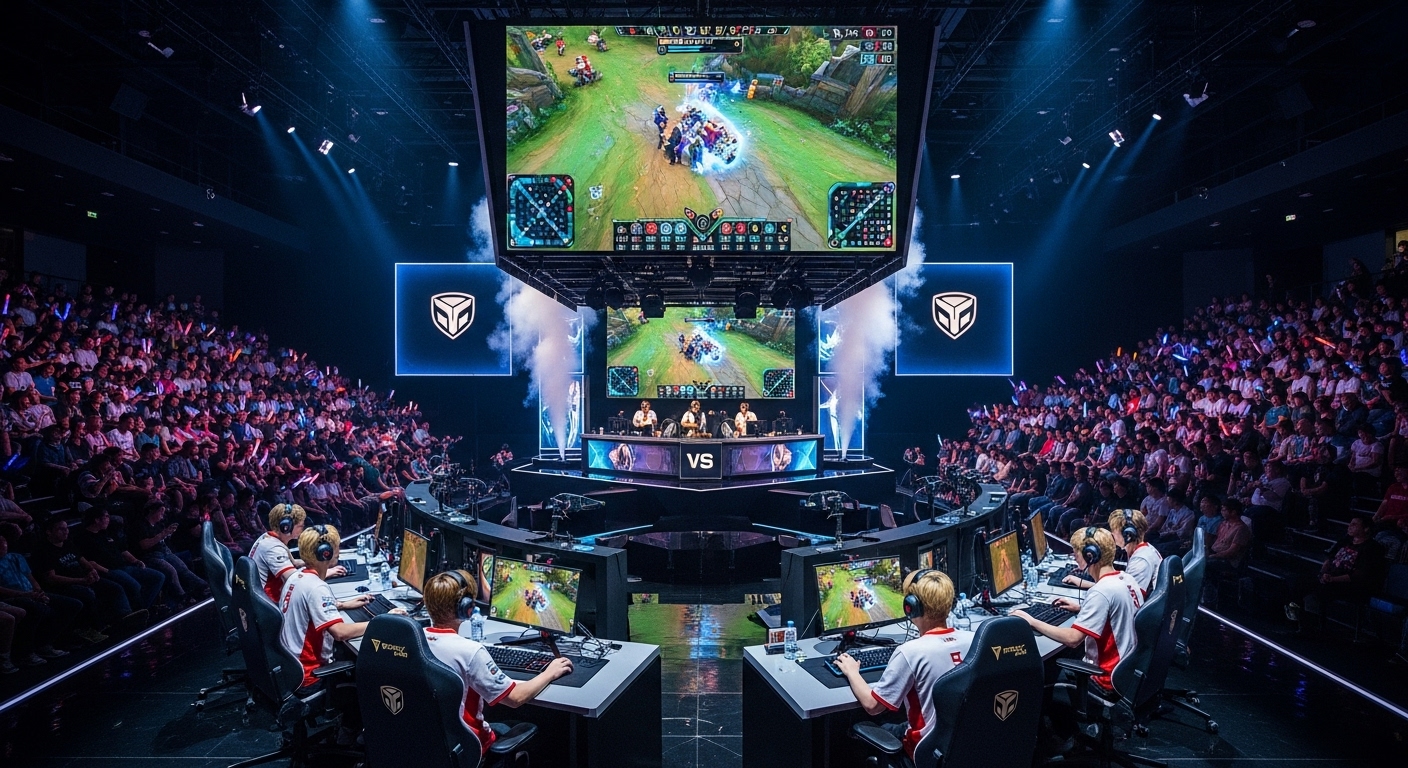
Esports is no longer confined to gamers. It has become a cultural touchstone, appealing to fans and viewers from all walks of life. Major esports events are now held in massive arenas and broadcast to millions of people around the world, with celebrities and influencers attending events and even participating in exhibition matches. The events themselves have a level of spectacle comparable to traditional sports, complete with live commentary, crowd cheers, and pyrotechnics.
Esports has also influenced mainstream media. Traditional sports networks like ESPN have begun covering major tournaments, and some events are even broadcast on television. In addition, esports is gaining traction in education, with many universities offering scholarships to students who excel in competitive gaming. As esports continues to grow, it is becoming an integral part of the broader entertainment landscape.
The Intersection of Esports and Traditional Sports
As esports has gained popularity, it has started to overlap with the world of traditional sports. Major sports teams and organizations are investing heavily in esports. For example, the NBA launched the NBA 2K League, a professional esports league based on its popular NBA 2K video game. Similarly, soccer teams like FC Barcelona and Manchester City have established esports teams to compete in FIFA tournaments.
This convergence is not limited to just investment. Esports has become a legitimate career path for many young athletes, with some former professional athletes transitioning into the esports scene. Moreover, the integration of esports into traditional sports broadcasts is becoming more common, as fans of both worlds discover new ways to enjoy their favorite competitive content.
The Future of Esports: Innovation and Growth
The future of esports looks incredibly promising. As technology continues to evolve, esports will likely become even more immersive. Virtual reality (VR) and augmented reality (AR) could take esports experiences to new heights, allowing players and viewers to engage in ways previously unimaginable. Additionally, advancements in artificial intelligence (AI) could impact both gameplay and tournament management, providing a more seamless and exciting experience for players and fans alike.
Mobile gaming is also on the rise, and its integration into the esports ecosystem is already beginning to make waves. Games like PUBG Mobile, Call of Duty Mobile, and Free Fire have massive followings and are generating huge esports scenes around them. Mobile esports tournaments are bringing gaming to a whole new audience, especially in regions where access to high-end PCs or consoles is limited.
The growth of esports in emerging markets such as India, Southeast Asia, and Latin America will also play a crucial role in shaping its future. These regions are rapidly adopting mobile gaming and esports, and as internet infrastructure improves, esports will likely see an even larger global fanbase.
Challenges Ahead: Sustainability and Regulation
Despite its meteoric rise, esports is not without its challenges. Issues like player burnout, cheating, and toxic behavior within communities continue to pose problems. The mental and physical toll that long hours of gaming can have on players is another concern, leading to the need for better health management and support systems for professional players.
Moreover, as esports becomes more mainstream, it will face the same issues that traditional sports have dealt with for decades, including match-fixing, sponsorship pressure, and the ethics of performance-enhancing tools. Establishing clear regulations, fair play guidelines, and ethical standards will be crucial for the long-term sustainability of the industry.
Conclusion: A Permanent Fixture in the Entertainment Landscape
Esports has come a long way from its humble origins in basement tournaments to becoming a globally recognized industry. Its rapid growth is reshaping not just the gaming world but the broader entertainment landscape as well. With massive prize pools, worldwide viewership, and increasing mainstream acceptance, esports is now a permanent fixture in the world of competitive sports and entertainment.
As we look to the future, one thing is clear: esports is here to stay. Its combination of innovation, community, and entertainment will continue to captivate millions of fans worldwide, providing new opportunities for players, fans, and investors alike. Whether you’re a hardcore gamer or someone just discovering the world of esports, there’s no denying that the future of competitive gaming has only just begun.