Introduction: The Rise of Competitive Gaming
Esports, short for electronic sports, has evolved from a niche hobby into a global phenomenon. What was once considered casual gaming among friends has transformed into a professional arena where athletes compete for fame, recognition, and multimillion-dollar prize pools. The growth of esports demonstrates how technology and entertainment converge to create a new form of competition that transcends traditional sports. This blog explores the origins, development, and future of esports, highlighting its impact on culture, technology, and society.
The Origins of Esports: From Arcades to Online Battles
Competitive gaming began in the late 1970s and early 1980s with simple arcade games like Space Invaders, Pac-Man, and Donkey Kong. Early tournaments were small and community-driven, focusing on achieving high scores rather than formal competitions. These initial events planted the seeds of what would become organized gaming competitions.
The 1990s expanded the competitive gaming scene with the rise of home consoles and local multiplayer games. Titles like Street Fighter, Mortal Kombat, and Super Smash Bros. created local fan communities and small tournaments. However, the true transformation came with the advent of personal computers and networked play. Games such as StarCraft, Quake, and Warcraft III enabled global competition, laying the foundation for modern esports.
The Internet Revolution and Global Competitions
The internet revolutionized esports by connecting players worldwide. Online multiplayer games allowed competitors to face off across continents, creating international communities and tournaments. In the early 2000s, games like Counter-Strike, Dota, and Warcraft III became pillars of competitive gaming. With increasing prize pools, these tournaments encouraged talented players to pursue professional gaming careers.
Online forums and communities became vital for fans and players. They shared strategies, discussed matches, and followed professional players. This sense of community engagement fostered the growth of esports, making it more than a hobby—esports became a culture.
Streaming and the Evolution of Spectatorship
A key factor in the growth of esports is live streaming. Platforms that allow real-time broadcasting of gameplay have transformed competitive gaming into a spectator sport. Fans can now watch professional matches, interact with players, and participate in a global conversation around esports.
Streaming also allowed players to build personal brands. Talented gamers could attract sponsorships, monetize their content, and create careers beyond tournaments. The combination of live interaction, accessibility, and community engagement has helped esports become a mainstream entertainment phenomenon.
Professionalization of Esports
Modern esports mirrors traditional sports in professionalism and structure. Top players follow rigorous training routines, often with schedules exceeding eight hours a day. Teams employ coaches, analysts, nutritionists, and psychologists to optimize performance.
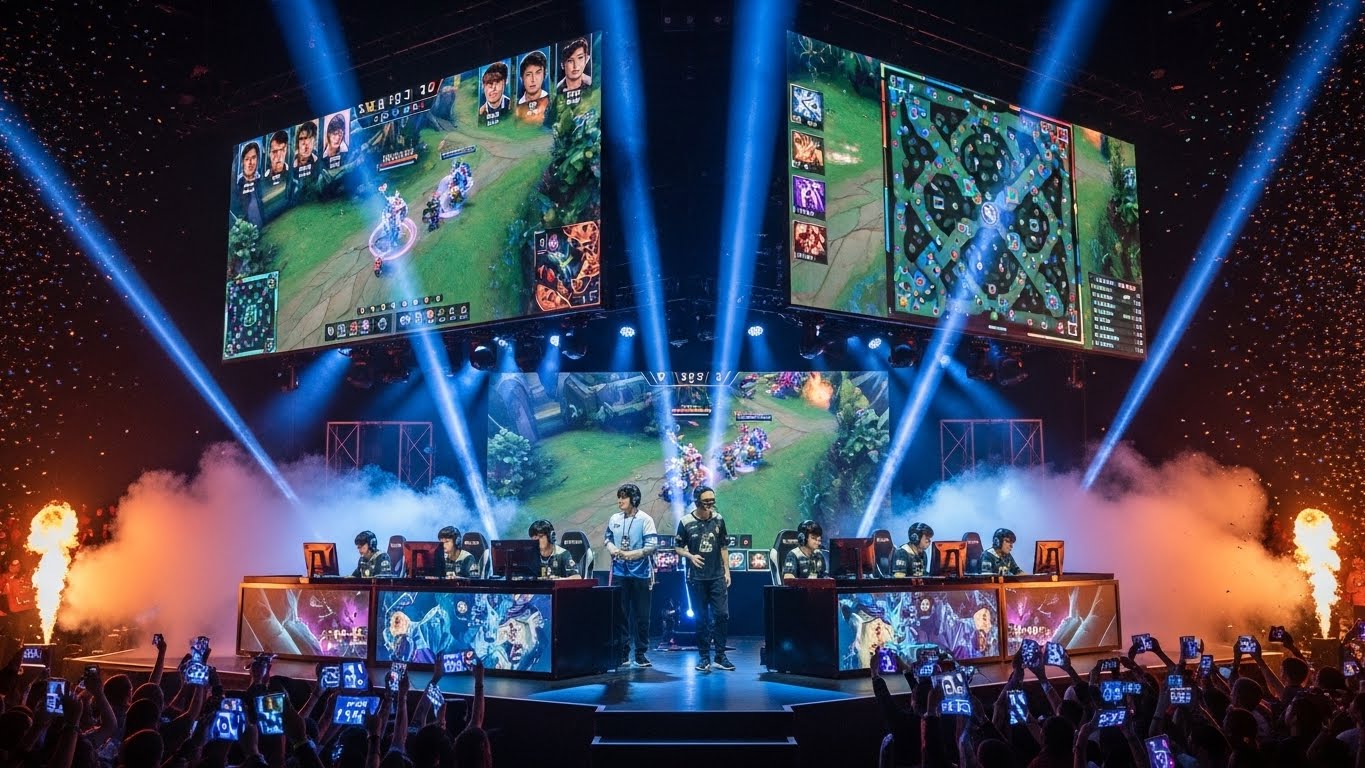
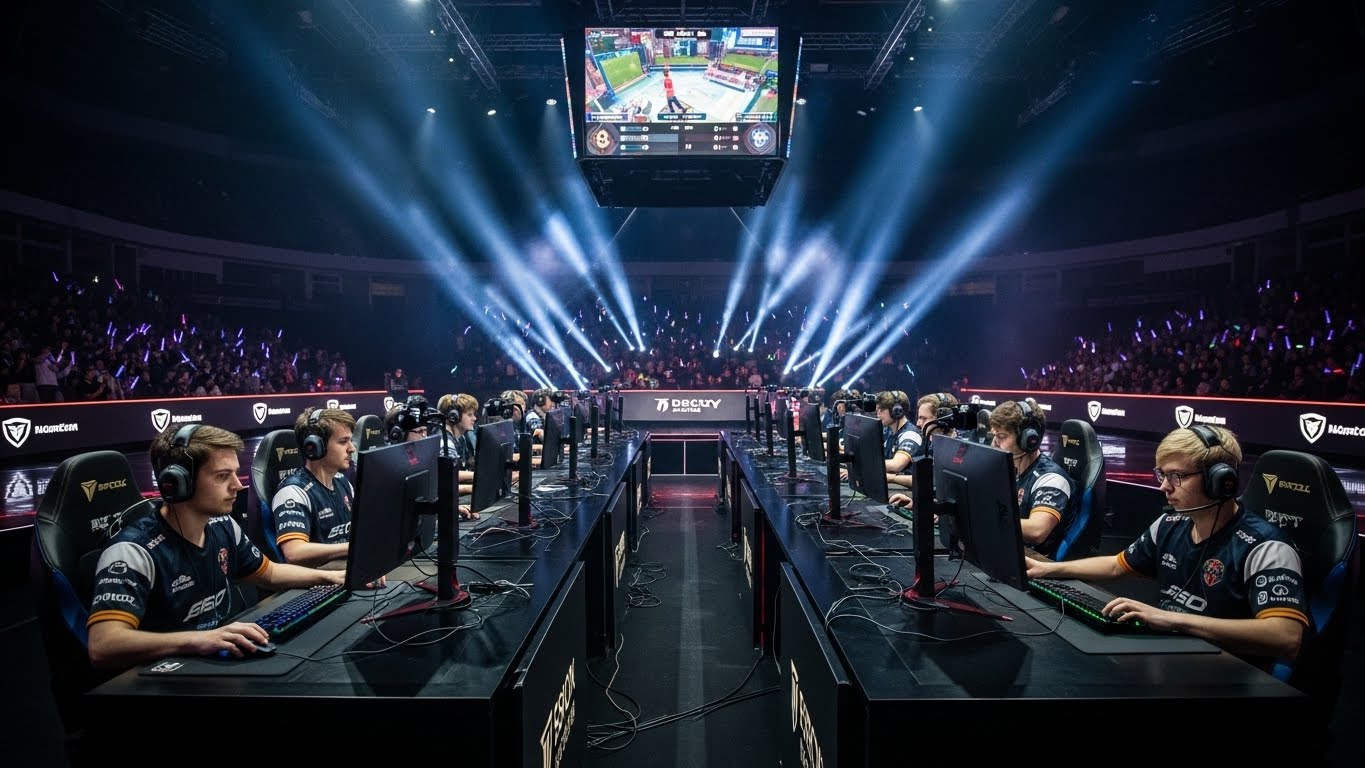
Major esports tournaments now feature high production value. Stadiums filled with cheering fans, live commentary, and elaborate stage designs have become standard. The financial rewards are significant, with top players earning salaries, sponsorships, and prize money that rival traditional sports athletes.
Popular Esports Titles and Their Competitive Impact
Several games dominate the esports landscape due to strategic depth, competitive balance, and community support. League of Legends, Dota 2, Counter-Strike, Valorant, and Overwatch are among the most popular competitive titles.
League of Legends hosts annual world championships, attracting millions of viewers. Dota 2 is known for its enormous prize pools, often crowdfunded by the community. Tactical shooters like Counter-Strike and Valorant maintain high spectator interest through fast-paced, skill-intensive gameplay. Each title fosters a unique competitive ecosystem, sustaining esports growth and fan engagement.
Esports Organizations and Sponsorships
Professional organizations such as T1, Fnatic, Cloud9, and G2 Esports provide structure, resources, and branding for competitive teams. They manage player contracts, training, and career development, while building a loyal fanbase.
Sponsorship plays a crucial role in esports’ sustainability. Brands from technology, apparel, beverage, automotive, and finance industries invest heavily in teams and tournaments. This partnership increases financial stability for organizations and raises esports’ profile as a legitimate and profitable industry.
Esports as a Career Path
Esports has emerged as a viable career path for young individuals. Unlike traditional sports, players can train, compete, and broadcast their gameplay from home. Many aspiring professionals start with online tournaments and streaming, gradually building a reputation in the community.
Universities and high schools have begun to offer scholarships and organized esports teams, legitimizing competitive gaming as a career. Esports encourages discipline, teamwork, and strategic thinking, making it an appealing option for youth who are passionate about gaming.
Cognitive and Social Benefits of Esports
Competitive gaming enhances cognitive skills such as strategic planning, quick decision-making, hand-eye coordination, and multitasking. Players develop critical thinking abilities through in-game problem-solving and adapting to dynamic scenarios.
Socially, esports fosters teamwork and communication. Players collaborate with teammates, coordinate strategies, and build relationships with people across the globe. Communities centered around esports provide a sense of belonging and shared purpose, making it more than just entertainment.
Challenges and Player Wellbeing
Despite its benefits, esports poses challenges for player health and wellbeing. Intense competition, long hours, and high expectations can lead to stress and burnout. Professional players face pressure to maintain peak performance consistently, impacting mental and physical health.
The industry has responded by introducing wellness initiatives, mental health support, and regulated training schedules. Teams and organizations now prioritize balance, recognizing that player wellbeing is crucial for long-term success and sustainability in esports.
Technological Advancements and the Future of Esports
Esports is closely tied to technological innovation. Virtual reality, augmented reality, and cloud gaming are expanding how games are played and experienced. Artificial intelligence is used to analyze gameplay, enhance training, and provide strategic insights.
High-speed internet and advanced gaming hardware have made esports accessible to players worldwide. As technology continues to advance, esports will evolve with new game genres, interactive experiences, and broader audience engagement, maintaining its role as a leader in digital entertainment.
Esports in Mainstream Culture
Esports has become an accepted part of mainstream culture. Major broadcasters air tournaments, traditional sports franchises invest in esports teams, and governments recognize esports athletes. The influence of esports extends to fashion, music, media, and lifestyle, blending gaming with broader cultural trends.
This mainstream integration highlights esports’ legitimacy and the recognition of competitive gaming as a professional pursuit. It represents a shift in societal attitudes toward digital competition and entertainment, paving the way for future growth.
Global Reach and International Competitions
Esports is a global phenomenon with strong competitive scenes in North America, Europe, Asia, and growing communities in Latin America and Africa. International tournaments bring together diverse teams, showcasing unique strategies and playstyles from different regions.
Globalization strengthens esports communities, enabling cross-border collaborations and expanding the fan base. Players and teams share knowledge, compete internationally, and contribute to a united global esports ecosystem.
The Future of Esports
The future of esports is bright, with opportunities in game development, broadcasting, event management, coaching, and content creation. Emerging technologies and increased mainstream recognition will continue to expand the industry.
Esports also has the potential to influence education and traditional sports, creating hybrid models of training, entertainment, and competition. Its growth inspires young gamers worldwide and challenges conventional ideas of sports, achievement, and teamwork.
Conclusion: Esports as a Cultural Revolution
Esports has redefined the concept of competition in the digital age. From modest beginnings in arcades to international tournaments and professional leagues, competitive gaming has become a global movement. It offers careers, fosters communities, and drives technological innovation, proving that the world of digital competition is here to stay.
As technology and culture evolve, esports will continue to shape the future of entertainment, athleticism, and social interaction. The rise of esports is more than a trend—it is a revolution in how people compete, connect, and experience the thrill of victory.