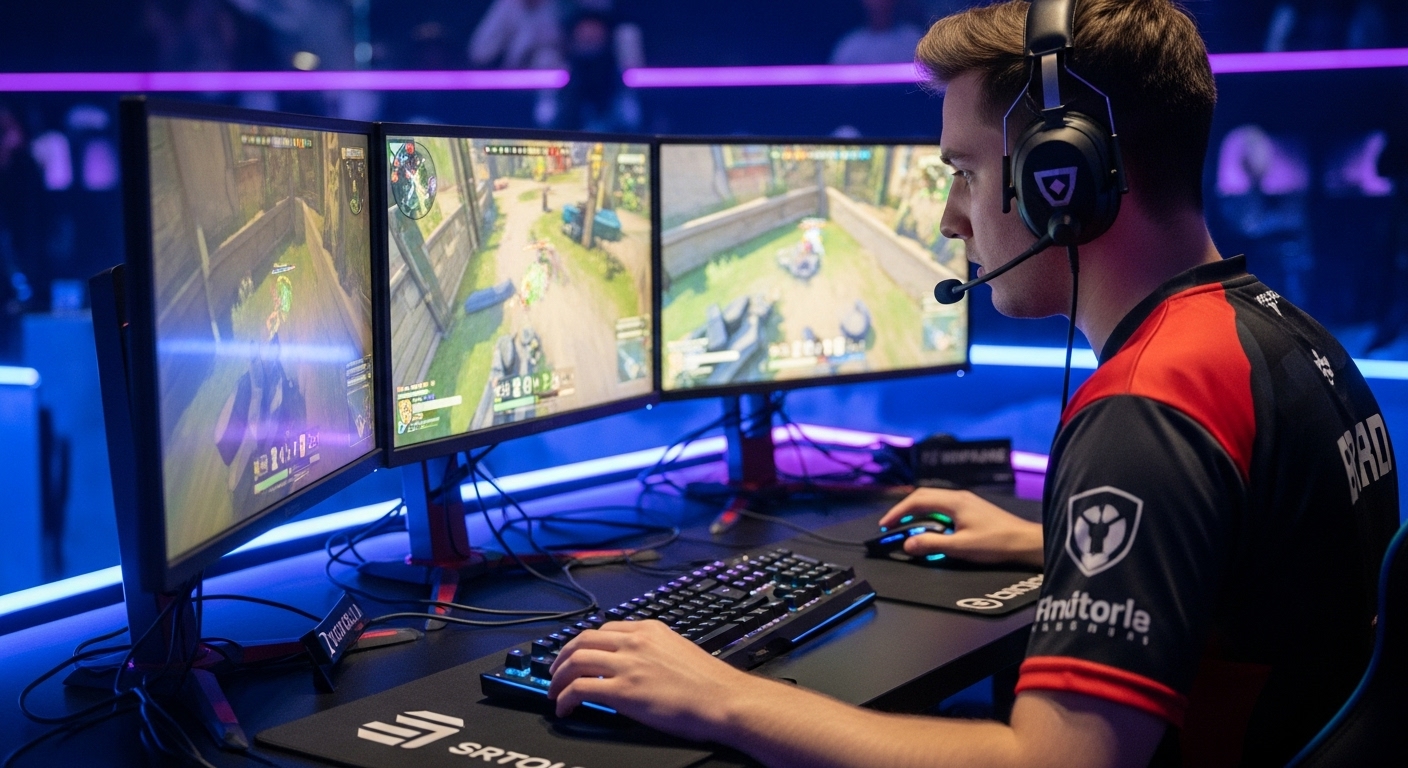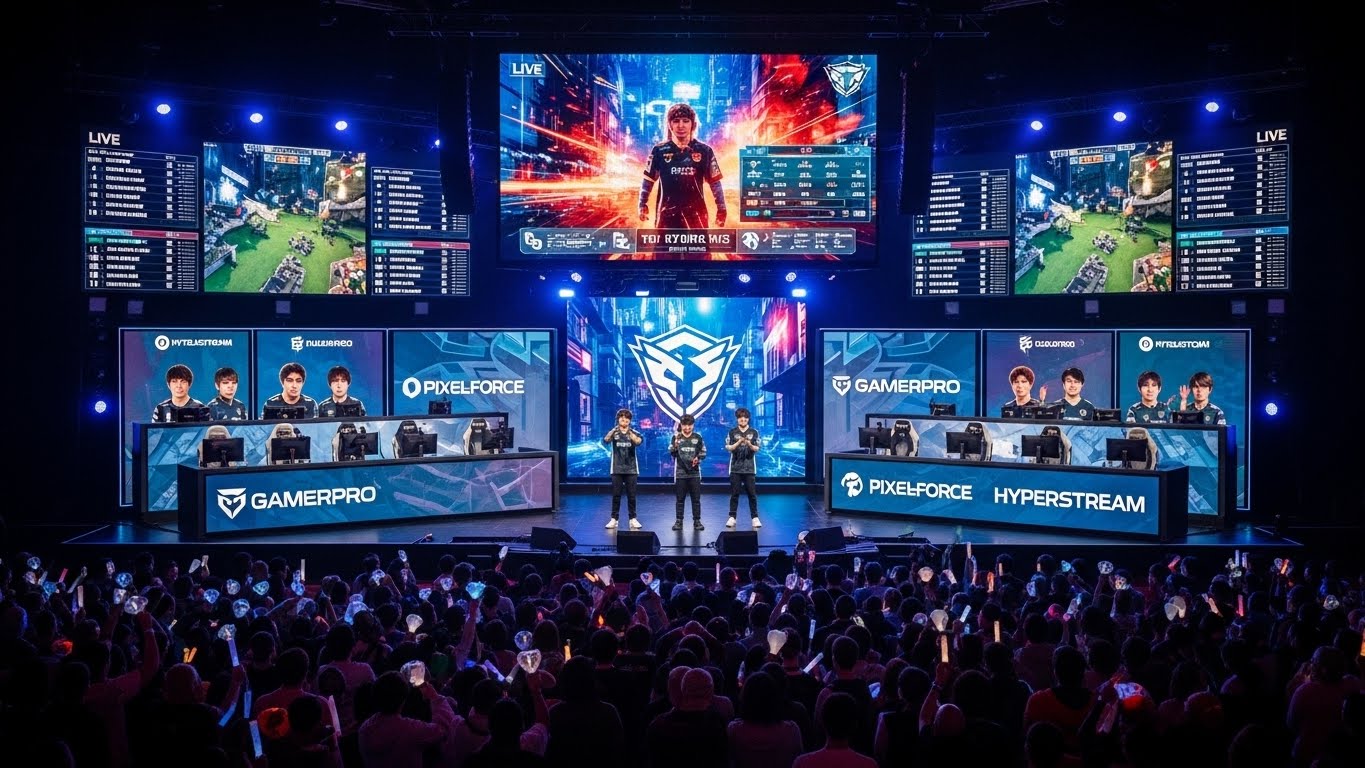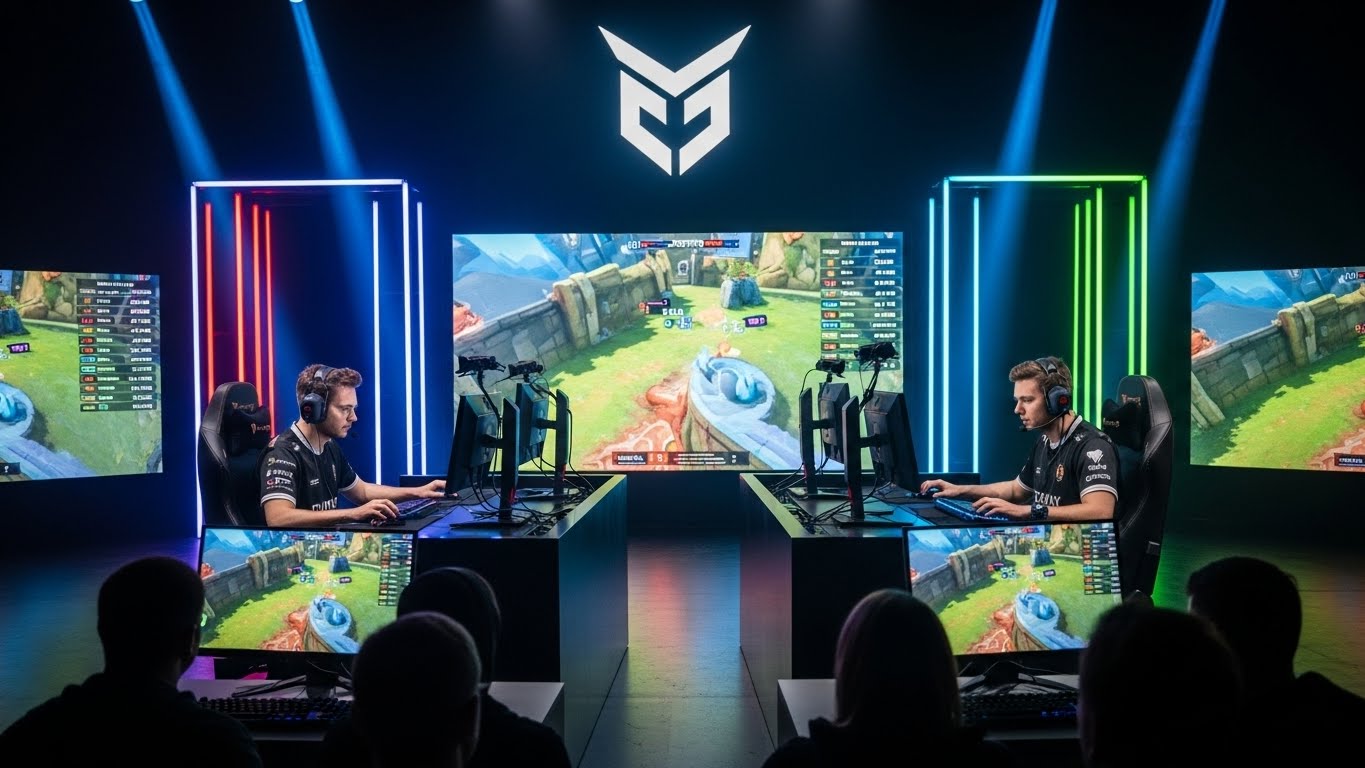
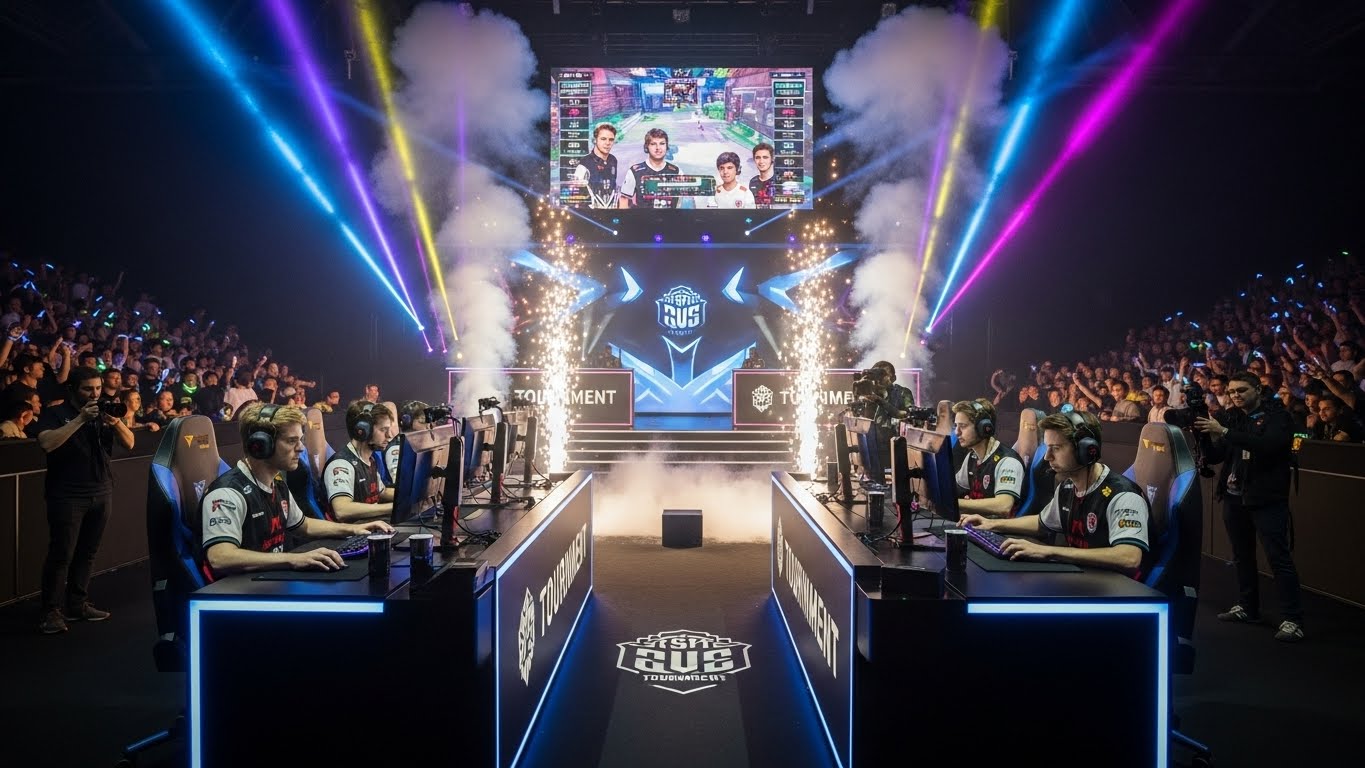
In the past decade, esports has evolved from a niche interest into a global entertainment phenomenon. What was once viewed by many as a hobby has now become a multi-billion-dollar industry that attracts millions of viewers, sponsors, and players worldwide. Esports is no longer just about playing games—it’s about competition, strategy, and the thrill of watching elite gamers battle it out in front of thousands, or even millions, of online spectators.
This blog post explores the rise of esports, the driving factors behind its success, and its potential future. We will delve into the players, teams, tournaments, and technologies that are shaping this exciting and rapidly growing sector of the entertainment industry.
The Evolution of Esports: From Local Tournaments to Global Phenomenon
Esports, short for electronic sports, refers to organized video game competitions, particularly between professional players, individually or in teams. Competitive gaming has existed since the early days of video games, but it wasn’t until the 2000s that esports truly began to gain traction. The first significant competitive gaming event, the “Red Annihilation” tournament for the game Quake, held in 1997, marked a milestone for the emerging esports community. However, it was not until the mid-2000s when games like StarCraft, Warcraft III, and Counter-Strike began to establish the competitive gaming scene that we know today.
Fast forward to the 2010s, and esports was ready for global recognition. Games like League of Legends, Dota 2, and Fortnite became household names, and competitive gaming transitioned from small LAN (Local Area Network) parties to massive global events, with millions of dollars in prize money at stake. With the help of platforms like Twitch, YouTube Gaming, and Facebook Gaming, esports quickly moved into the spotlight, attracting both viewers and advertisers in droves. Major tournaments, like The International for Dota 2 and the League of Legends World Championship, garnered millions of live viewers and turned esports into a legitimate sport in its own right.
The rise of esports in mainstream culture has been fueled by several key factors, including the increasing popularity of gaming, the rise of streaming platforms, and the support of major investors and sponsors.
Why Esports Is Booming: Factors Behind the Growth
1. The Gaming Industry’s Massive Reach
Gaming has become a mainstream pastime, with over 2.7 billion gamers worldwide, spanning all age groups and demographics. Esports, as a subset of the gaming industry, benefits directly from the sheer size and diversity of its audience. Video games have evolved into one of the most widely consumed forms of entertainment, and as the popularity of gaming continues to grow, so does the appeal of esports.
In addition, gaming platforms such as PC, console, and mobile devices have become more accessible and affordable, allowing players from all backgrounds to engage in gaming, whether casually or competitively. As the gaming community grows, so does the audience for esports.
2. The Rise of Streaming Platforms
Streaming platforms like Twitch, YouTube Gaming, and Facebook Gaming have played a crucial role in the growth of esports. These platforms enable fans to watch live tournaments, follow their favorite players, and engage with the esports community. In 2020 alone, Twitch reported over 17 billion hours of content watched, with a significant portion of that dedicated to esports events.
Streaming has allowed viewers from around the world to tune in to live matches, creating a global fan base that transcends regional boundaries. The interactive nature of these platforms allows viewers to chat with one another, cheer for their favorite teams, and even donate money to support streamers. The sense of community has been a key driver in making esports more engaging and accessible to a wider audience.
3. Sponsorship and Investment
As esports has gained mainstream popularity, large brands have started to take notice. Companies such as Coca-Cola, Intel, Red Bull, and BMW are heavily invested in esports, sponsoring major events and teams. These partnerships have provided a boost in funding and legitimacy for the esports ecosystem. Additionally, venture capitalists and investors are increasingly viewing esports as a profitable industry, pouring money into esports organizations, teams, and content creation.
Sponsorship deals have also attracted traditional sports organizations, with companies like the NBA, NFL, and major soccer clubs establishing their own esports teams or leagues. The financial backing from these organizations ensures that the esports industry has the resources needed to continue to grow and develop into a professional, high-profile space.
4. The Appeal of Competitive Play
At its core, esports is about competition. Players and teams face off against one another in games that require a mix of skill, strategy, and quick reflexes. For viewers, this competitive aspect is key to the appeal. Esports offers a unique blend of individual brilliance and team dynamics, much like traditional sports, but with the added excitement of video game mechanics, which can be as complex as they are thrilling.
Games like League of Legends, Counter-Strike: Global Offensive, Overwatch, and Valorant have intricate mechanics that require players to understand not only the game itself but also how to collaborate effectively as a team. This complexity, combined with the high-stakes nature of tournaments, creates a level of drama and excitement that rivals traditional sports.
The Structure of Esports: Players, Teams, and Tournaments
1. Professional Players and Teams
Esports has created an entirely new career path for talented gamers. Professional esports players dedicate their lives to mastering a game, often spending upwards of 10 hours a day practicing, strategizing, and refining their skills. The best players in the world often earn six-figure salaries through tournament prize money, sponsorships, and streaming revenue.
Esports organizations, much like traditional sports teams, sign players to contracts, manage their careers, and provide them with training, coaching, and support staff. Some of the most successful esports teams, such as Team Liquid, Cloud9, and T1, have built global fanbases, and their players are household names within the gaming community.
Esports organizations not only field competitive teams but also create content, engage with fans on social media, and host live events. These teams are often seen as the “brands” of esports, cultivating large followings and becoming major players in the entertainment space.
2. Esports Tournaments and Leagues
Esports tournaments are the centerpiece of the competitive gaming world. These events range from small, local competitions to massive international championships, where millions of dollars in prize money are up for grabs. The largest esports tournaments, such as The International (Dota 2), the League of Legends World Championship, and EVO (fighting games), attract millions of viewers and offer prize pools in the tens of millions of dollars.
Leagues, such as the Overwatch League and the Call of Duty League, have taken the structure of traditional sports leagues and applied them to esports. These leagues feature regular-season matches, playoffs, and grand finals, with teams vying for the championship and lucrative sponsorship deals.
Tournaments are not only a platform for competition but also a celebration of the community. Fans travel from around the world to attend major events, creating a sense of shared excitement and camaraderie that mirrors the atmosphere of a traditional sports stadium.
3. Live Streaming and Audience Engagement
The way we experience esports is radically different from traditional sports. While traditional sports fans attend games or watch them on television, esports fans have the ability to engage in real-time through live streaming. Platforms like Twitch have transformed the way we watch competitive gaming. Fans can tune in to watch live matches, follow their favorite players and teams, and interact with them through chat, donations, and live commentary.
Streaming also provides fans with the opportunity to watch esports events from virtually anywhere. As long as there is an internet connection, fans can access tournaments and follow matches regardless of time zone or geographical location. This global accessibility has helped esports to reach an audience that far surpasses that of traditional sports.
The Future of Esports: What Lies Ahead
As esports continues to grow, the future looks incredibly promising. The industry is constantly evolving, with new games, technologies, and opportunities emerging all the time.
One major area of development is the potential for virtual reality (VR) and augmented reality (AR) to play a larger role in esports. As VR gaming continues to improve, it is possible that future esports events could be played in fully immersive virtual environments. This could create a whole new level of excitement and interactivity for both players and fans.
The integration of artificial intelligence (AI) into esports is another exciting prospect. AI could be used for coaching, gameplay analysis, and even in-game assistance, helping teams optimize their strategies and improve performance. Moreover, AI could help create personalized viewing experiences for fans, offering real-time data and predictions for matches.
Finally, as esports becomes more mainstream, we can expect to see further integration with traditional sports. We may even see esports events featured at the Olympics or included in major sporting networks, further cementing their place in global entertainment.
Challenges and Opportunities for Growth
Despite the promising future, esports faces some challenges. One of the biggest obstacles is the issue of player health. The intense demands of professional gaming can lead to physical problems such as eye strain, carpal tunnel syndrome, and poor posture. Mental health is also a concern, with the pressure to perform and the stress of competition taking a toll on some players. Organizations will need to focus on ensuring that their players maintain a healthy balance between competition and well-being.