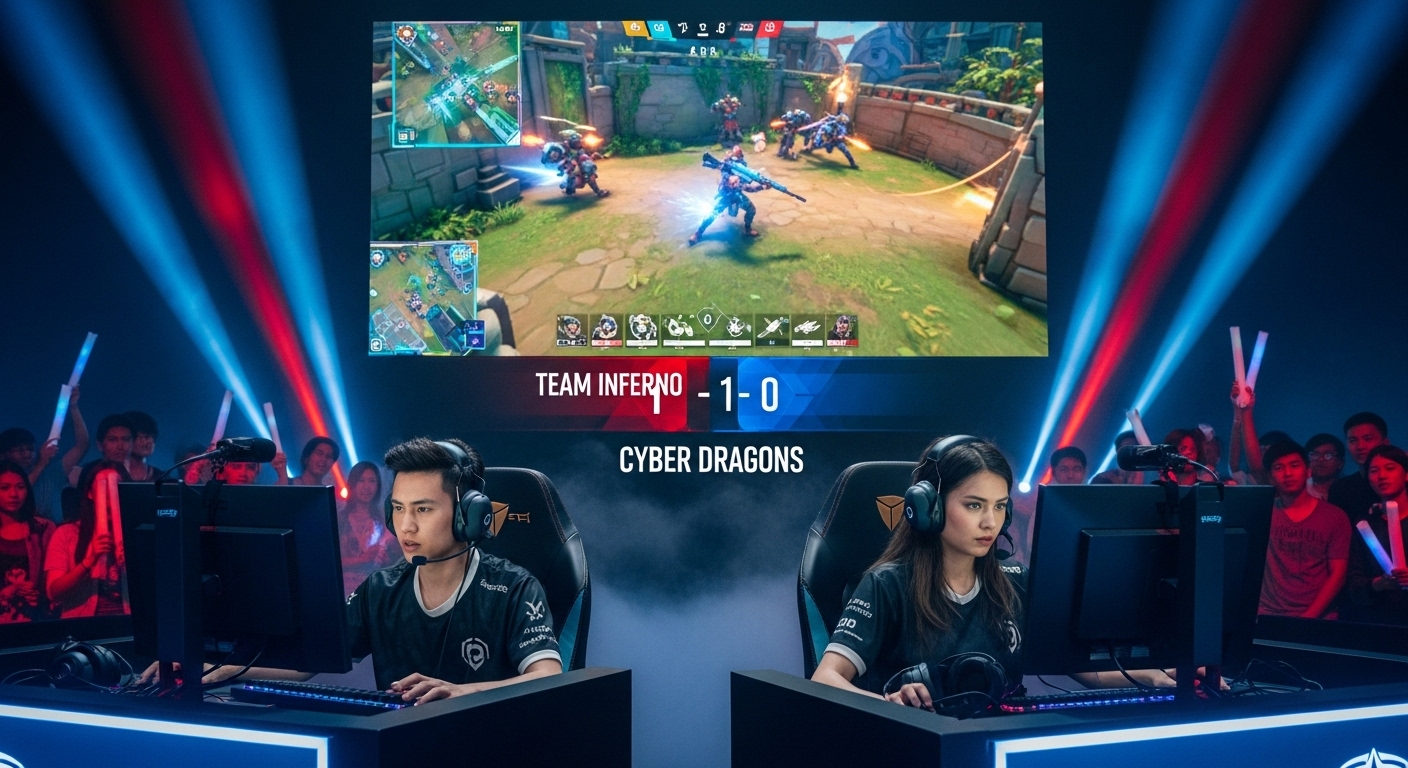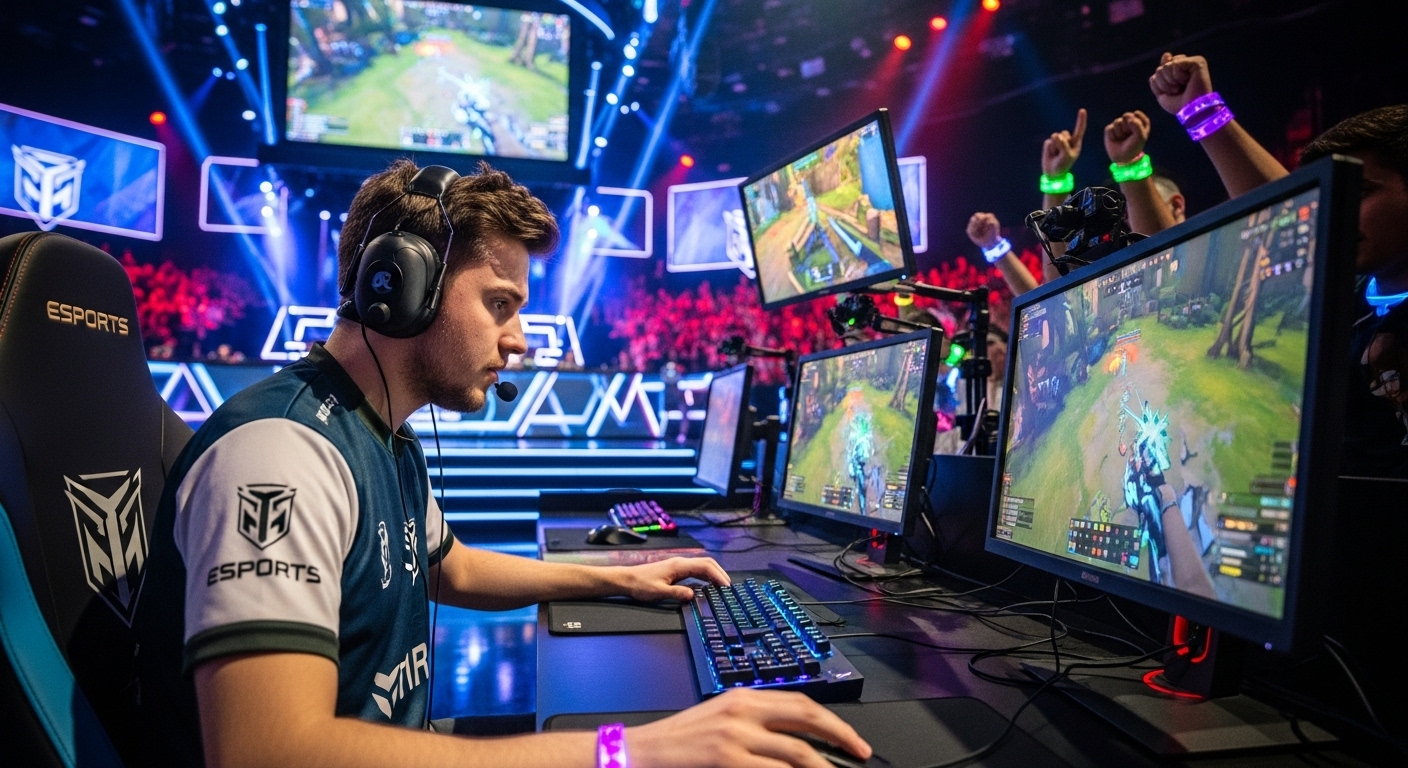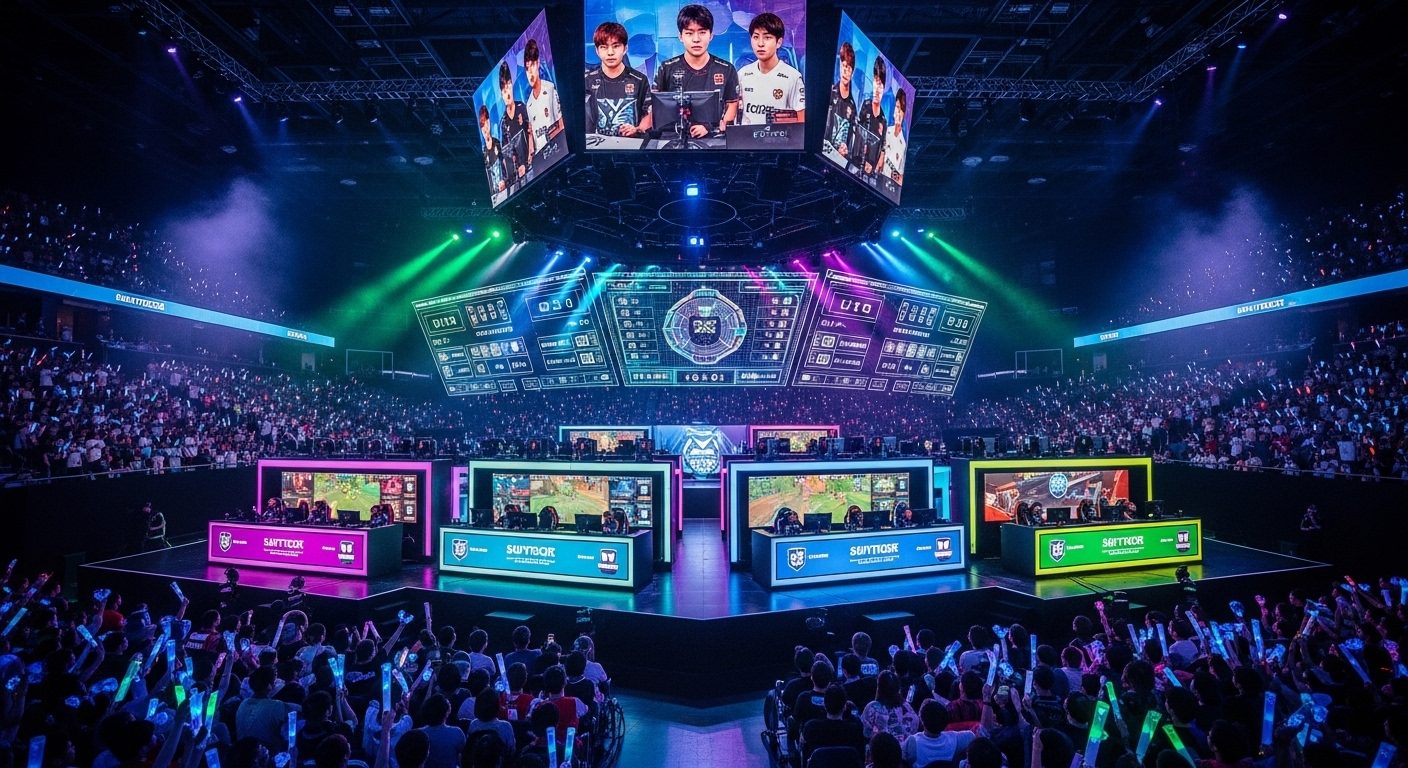
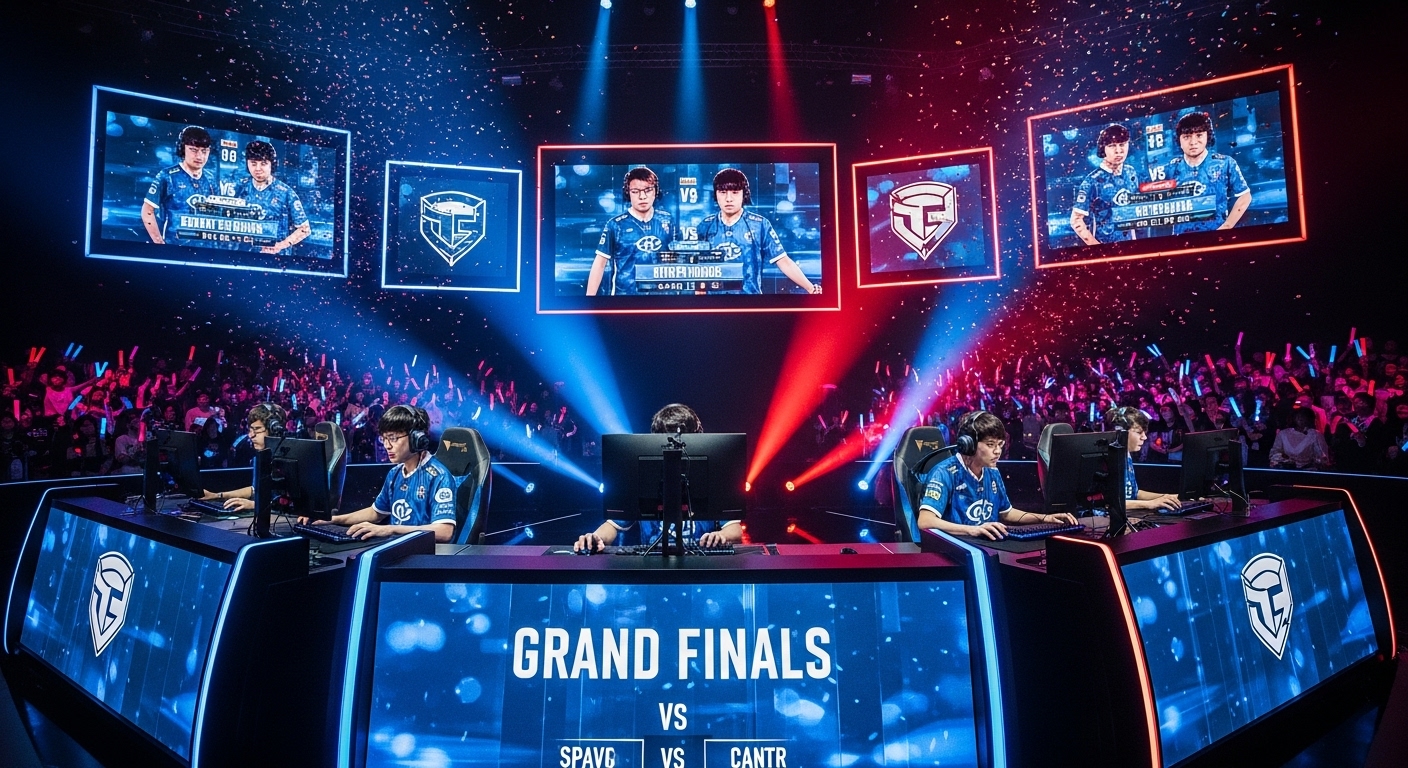
Esports, once a niche pastime for gamers, has emerged as a global phenomenon that is transforming the landscape of entertainment. What began as a hobby for dedicated players has now become a billion-dollar industry, attracting millions of fans, professional athletes, and major investors worldwide. The meteoric rise of esports has reshaped how we perceive competitive gaming, with its impact reaching far beyond just the world of video games. This blog post delves into the evolution of esports, its current status, and what the future holds for this dynamic industry.
The Humble Beginnings of Esports
To truly understand the scale of esports today, it’s important to look at its origins. The history of competitive gaming dates back to the early 1970s when the first video game tournaments were organized, but it wasn’t until the 1990s that esports began to take shape in the way we recognize it today. The rise of multiplayer games like Doom, Warcraft, and StarCraft paved the way for organized competitions, with players beginning to compete not only against each other but also in front of an audience.
During the late 1990s and early 2000s, esports saw a rise in popularity, particularly in Asia, where countries like South Korea were at the forefront of the movement. The emergence of the StarCraft franchise, with its deep strategy and large-scale competitions, helped set the stage for competitive gaming as a serious endeavor. In South Korea, competitive gaming was officially recognized as a sport, and the country began hosting televised esports tournaments that drew large audiences. This period marked the beginning of esports as more than just a casual activity.
The Growth of Esports: The 2000s to the Present
The 2000s witnessed significant strides in the development of esports, fueled by the growth of online gaming and the rise of high-speed internet connections. The proliferation of games like Warcraft III, Dota, and Counter-Strike laid the foundation for competitive gaming to transition into the organized, professional industry we see today. As players and teams began competing at larger scales, tournaments started offering significant prize pools, attracting sponsorships from major corporations.
One of the most influential moments in the history of esports occurred in 2011 when the world’s most prestigious esports tournament, The International (Dota 2), was launched by Valve Corporation. The tournament’s prize pool quickly grew to millions of dollars, making it one of the most lucrative competitions in the gaming world. This success proved that esports was not only a hobby but a legitimate form of entertainment that could draw large audiences and significant financial backing.
The development of streaming platforms, particularly Twitch, revolutionized the way fans could engage with esports. Launched in 2011, Twitch allowed gamers to broadcast their gameplay live, giving fans direct access to watch matches, interact with players, and share the excitement of the esports world. The platform’s success helped popularize esports to a global audience, and it continues to serve as the primary destination for watching professional gaming competitions.
By the mid-2010s, esports had evolved into a billion-dollar industry. Major events like League of Legends World Championship, Overwatch League, and CS:GO Majors began attracting millions of viewers both online and at physical venues. Esports organizations emerged, signing professional players, building teams, and creating content. The expansion of esports into traditional sports arenas and its integration into mainstream media signaled a new era of competitive gaming.
The Structure of the Esports Industry
Esports is a multifaceted industry that involves various components working together to create a thriving ecosystem. Understanding the structure of esports requires an exploration of its key elements: the players, tournaments, organizations, and spectators.
1. The Players: The Athletes of Esports
At the heart of every esports tournament are the players who dedicate countless hours to mastering their games. Professional esports players train just as rigorously as traditional athletes, working to improve their skills, communication, and strategy. Unlike traditional sports, however, esports players have relatively short careers, with many retiring in their mid-20s or early 30s due to the intense mental and physical demands of gaming.
Esports players typically compete in one of several titles, such as League of Legends, Dota 2, Valorant, Fortnite, and Call of Duty. These games require a high level of strategic thinking, teamwork, and hand-eye coordination, making the players some of the most skilled and focused individuals in the entertainment world.
2. The Tournaments: The Thrill of Competition
Esports tournaments are the heart of the industry, where players and teams compete for titles, glory, and massive prize pools. Major tournaments like The International, League of Legends World Championship, and the CS:GO Major Championships bring together the best players in the world, showcasing their skills and strategies in front of a global audience.
These tournaments typically feature large prize pools, with the potential for millions of dollars to be awarded to the winning teams. The International, for example, has consistently set records for the size of its prize pool, with millions of dollars contributed by fans through crowdfunding initiatives. These events are often broadcast live across streaming platforms like Twitch, YouTube, and Facebook Gaming, allowing viewers to follow the action in real-time.
3. The Organizations: Building the Teams
Esports organizations play a crucial role in the industry, acting as the backbone for professional teams. These organizations sign players, manage contracts, create content, and build their brand through sponsorships and media exposure. Popular esports organizations such as Team Liquid, Cloud9, and Fnatic have become household names in the gaming world, attracting major sponsors like Intel, Red Bull, and Logitech.
In addition to organizing competitions, these organizations also offer extensive support to their players, including coaching, mental health services, and training facilities. Many of these organizations have expanded into multiple game titles, fielding teams across different genres of games. The growth of esports organizations has mirrored the success of traditional sports teams, with the potential for long-term success and stability.
4. The Spectators: Fans and the Digital Audience
Esports would not exist without its passionate fanbase. The rise of streaming platforms like Twitch and YouTube has allowed fans to engage with esports in ways that traditional sports cannot match. Spectators can watch tournaments live, follow their favorite teams, and even interact with players in real-time through chat and social media.
The fanbase for esports is incredibly diverse, with millions of viewers tuning in to watch everything from casual streamers to high-stakes professional tournaments. Esports has found a home in both the younger generation of gamers and traditional sports fans who are looking for something new. With the growth of mobile gaming and the increasing accessibility of esports content online, the global fanbase continues to expand at a rapid rate.
The Future of Esports: Emerging Trends and Innovations
The future of esports looks incredibly promising, with new technologies and trends set to shape its trajectory. The industry is poised for continued growth as it adapts to changing technology, new business models, and an expanding global audience.
1. Virtual Reality and Augmented Reality
One of the most exciting developments in the future of esports is the potential for virtual reality (VR) and augmented reality (AR) to enhance the gaming experience. While VR and AR have yet to make a significant impact on esports, there are signs that these technologies could revolutionize the way games are played and watched. VR esports could take competitive gaming to new heights by allowing players to physically step into the game world, creating a more immersive and dynamic experience for both players and spectators.
2. Increased Integration with Traditional Sports
Esports is increasingly being integrated with traditional sports. Many professional sports leagues, such as the NBA and NFL, have already embraced esports by organizing tournaments, partnering with esports organizations, and creating esports-related content. This trend is likely to continue as traditional sports seek to engage younger audiences who are more attuned to the digital world. We may see more crossover events, sponsorship deals, and collaborative ventures that blur the lines between esports and traditional sports.
3. Mobile Gaming and Accessibility
Mobile gaming is one of the fastest-growing sectors in the gaming industry, and esports is no exception. Games like PUBG Mobile, Arena of Valor, and Clash Royale have seen massive success in competitive gaming, attracting millions of players and spectators. The accessibility of mobile devices allows more people to participate in esports, even in regions where access to high-end gaming PCs or consoles is limited. As mobile gaming continues to grow, esports will become more inclusive, allowing a wider range of players and fans to engage with the competitive gaming scene.
4. Esports as an Educational and Career Path
As esports continues to grow, it is likely to become an increasingly viable career path for those interested in gaming and competition. Colleges and universities around the world are beginning to offer scholarships for esports athletes, and esports-related programs are becoming more common in academic institutions. This shift toward recognizing esports as a legitimate career path will help ensure the industry’s continued growth and sustainability.
Conclusion: Esports is Here to Stay
Esports is no longer just a passing trend; it has evolved into a multi-billion-dollar industry with a global reach. From its humble beginnings as a hobby for passionate gamers to its current status as a global entertainment powerhouse, esports has proven its staying power. The future of esports is bright, with new technologies, broader audiences, and deeper integrations with traditional sports on the horizon.
For players, organizations, and fans, the esports world offers exciting opportunities to participate in something that transcends traditional entertainment. As technology advances and esports becomes even more accessible, we can expect the industry to continue growing, offering even more thrilling competition, larger audiences, and an increasingly professionalized ecosystem. Esports is, without a doubt,