Introduction: The Emergence of Esports
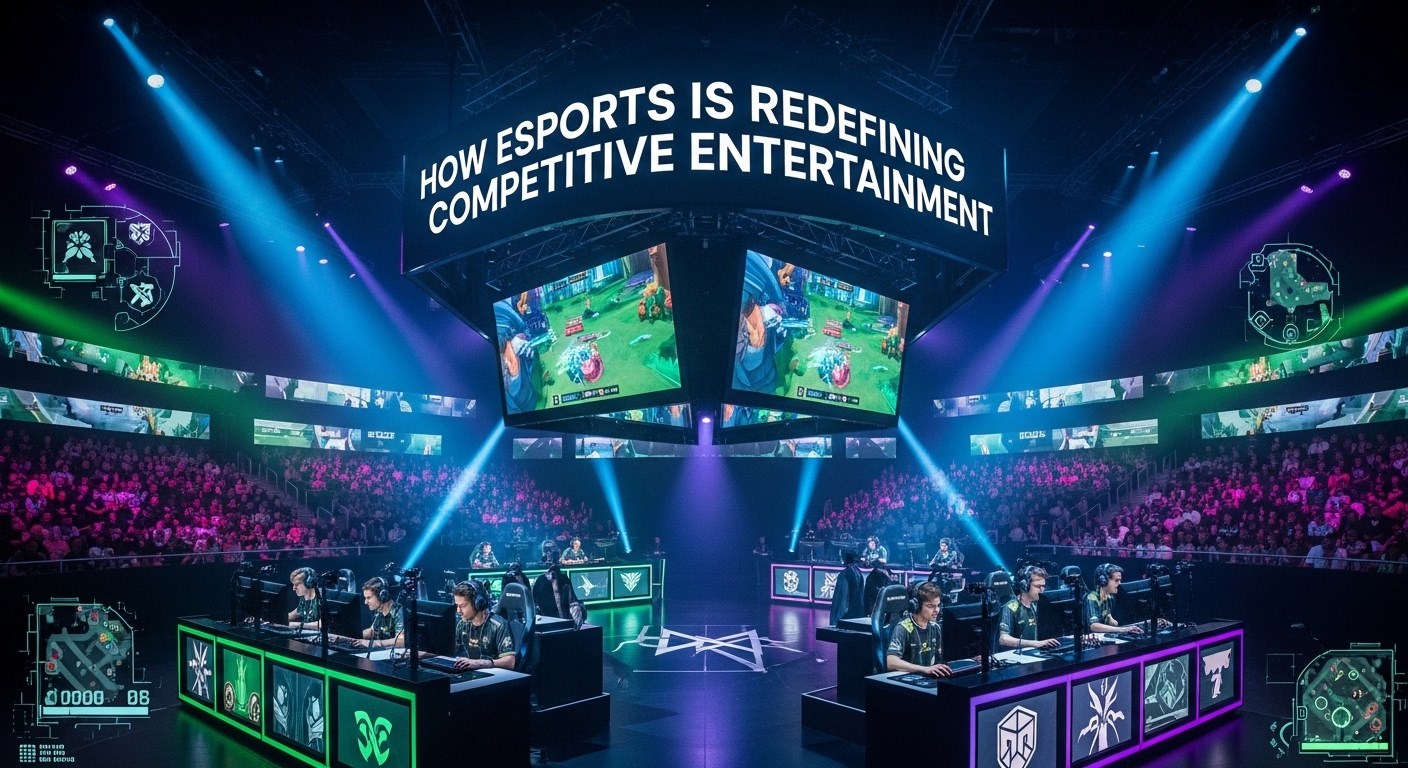
Esports, or electronic sports, has rapidly transformed from a niche hobby into a global phenomenon. What once was considered casual gaming is now a structured, professional, and highly competitive industry. Millions of players and fans across the world engage with esports every day, treating it with the same dedication and excitement as traditional sports. From local tournaments to international championships with millions of dollars in prize money, esports has carved out a distinct place in modern culture.
This blog will explore the evolution of esports, its social and economic impact, the role of technology, professional opportunities, challenges, and why it is shaping the future of entertainment and competition.
The Origins and Growth of Esports
Esports traces its roots back to the late 1970s and 1980s, when video games like Pong, Space Invaders, and Pac-Man were played competitively in arcades. Early competitions were small-scale, often local, and primarily for fun. However, these events laid the foundation for the structured tournaments that followed.
By the 1990s, competitive gaming began to evolve with multiplayer titles like Street Fighter, Quake, and Counter-Strike. These games introduced global competition, online connectivity, and organized rankings. The 2000s and 2010s saw the rise of major titles like StarCraft, Dota 2, League of Legends, and Fortnite, which became central to the esports ecosystem. Today, esports includes professional leagues, international tournaments, and a worldwide fan base that rivals many traditional sports.
The Mental and Physical Demands of Esports
Contrary to popular belief, esports is not just about sitting in front of a screen. It demands significant mental discipline and, to a certain extent, physical conditioning. Competitive players train for several hours daily to improve reflexes, strategic thinking, decision-making, and teamwork. Success depends on quick thinking, situational awareness, and the ability to execute strategies under pressure.
Physical fitness plays a critical role in performance. Maintaining good posture, hand-eye coordination, and eye health is essential for avoiding injuries like carpal tunnel syndrome and repetitive strain. Many professional players incorporate exercise, stretching, and proper nutrition into their routines to sustain mental focus and physical endurance during long gaming sessions.
The Importance of Community in Esports
Community is the lifeblood of esports. Players, fans, and content creators connect across platforms, sharing strategies, experiences, and excitement. Forums, social media groups, and streaming platforms cultivate a sense of belonging among millions of people worldwide.
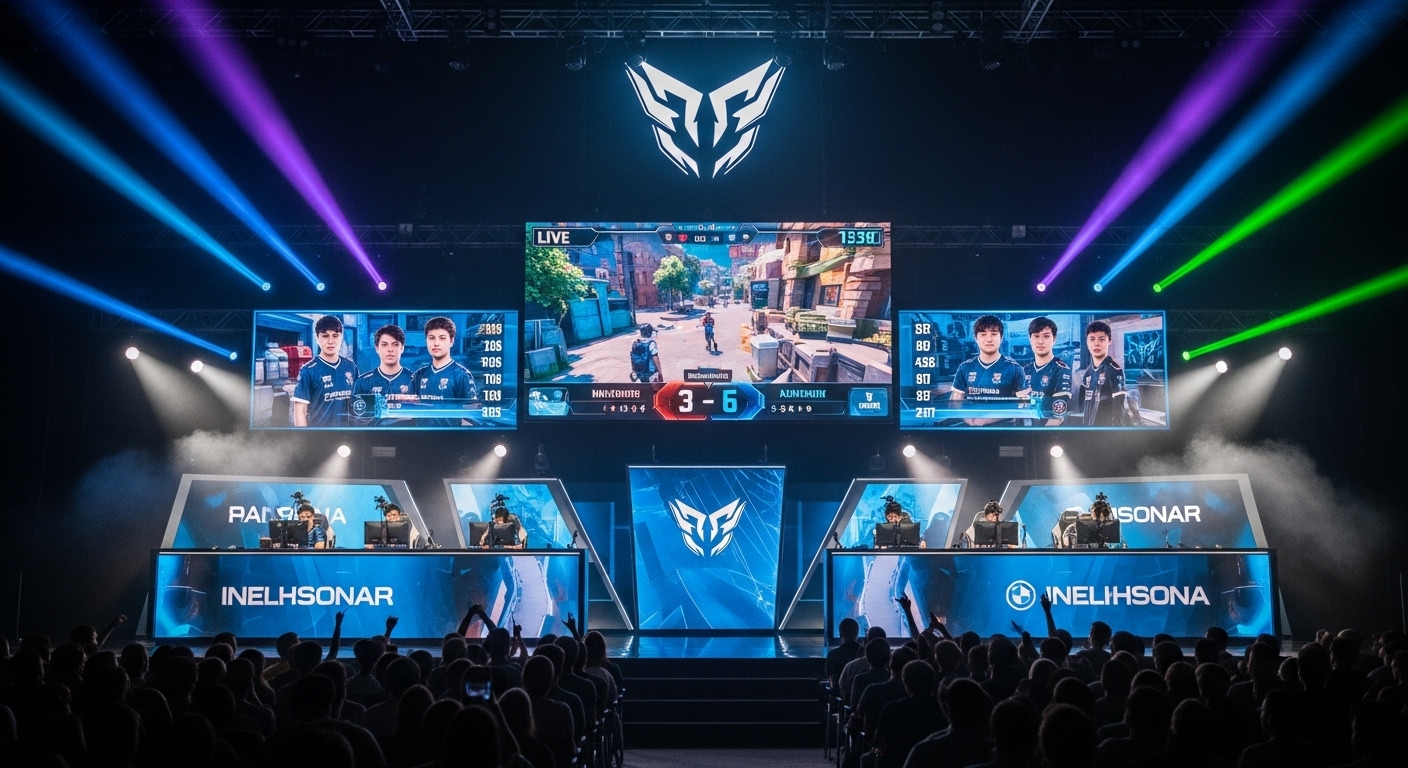
Esports events also foster a social culture. Fans participate in live streams, watch tournaments together, and attend offline events. The interaction between players and spectators creates a unique shared experience that enhances engagement. This strong community-driven culture has been vital to esports’ growth and sustainability.
Economic Impact of Esports
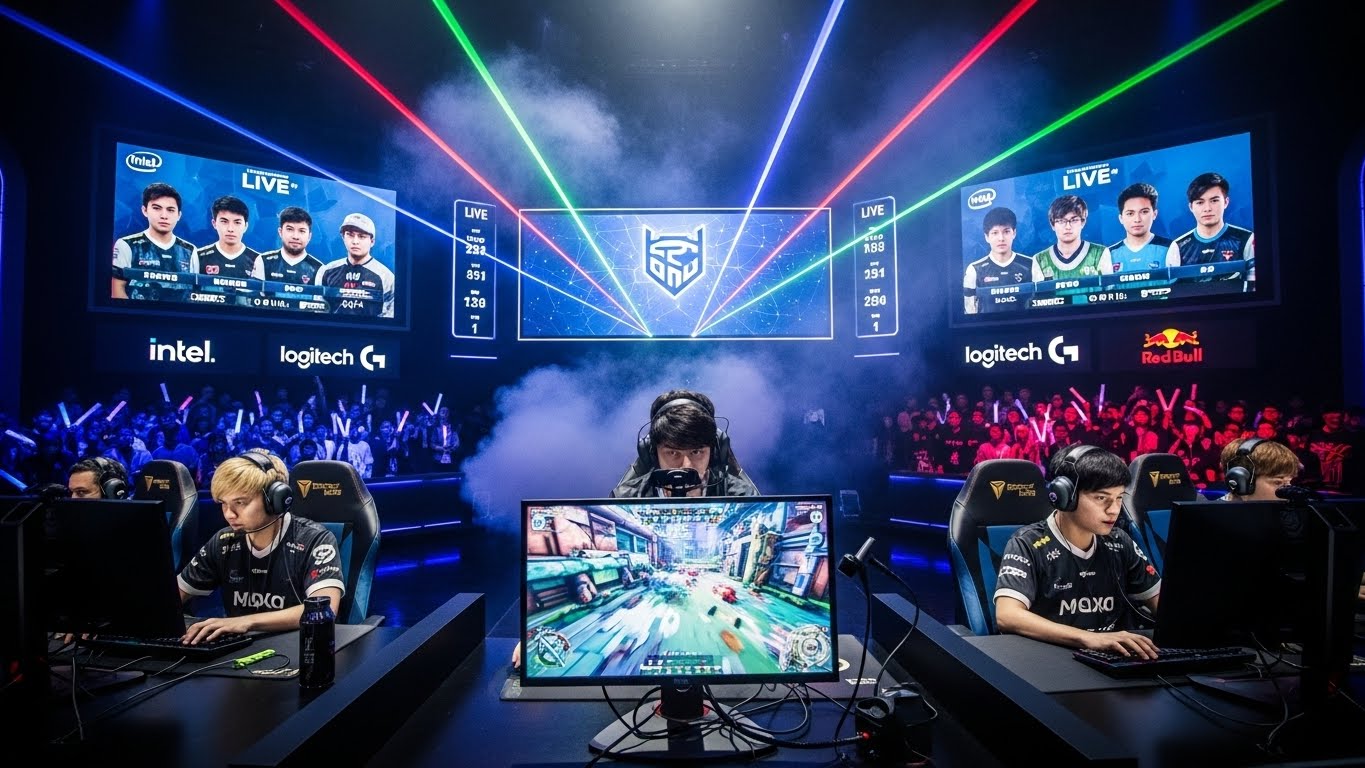
Esports has grown into a multi-billion-dollar industry, driven by sponsorships, advertising, media rights, merchandise, and tournament revenues. Top tournaments now feature prize pools exceeding millions of dollars, attracting elite teams and professional players. Companies recognize esports as a marketing platform that provides access to younger, tech-savvy audiences.
Streaming platforms like Twitch and YouTube contribute economically by enabling monetization through subscriptions, ads, and donations. Commentators, analysts, and content creators further diversify the revenue streams, making esports a viable career option for many beyond competitive play. The industry also generates jobs in event management, marketing, broadcasting, and game development.
Esports as a Professional Career
Esports has emerged as a legitimate career path. Professional players are recruited through tournaments, online rankings, and scouting. Teams offer salaries, coaching, and training facilities. Players not only compete but also serve as brand ambassadors, participate in streaming, and engage with fans.
Beyond playing professionally, careers in esports extend to management, marketing, content creation, event coordination, coaching, and broadcasting. The accessibility of esports makes it unique: talent and dedication are prioritized over physical attributes, allowing players from around the globe to pursue professional opportunities regardless of geography.
Technology and Its Role in Esports
Technology drives every aspect of esports. High-performance gaming hardware, stable internet connections, and advanced software ensure fairness and competitive integrity. Analytics tools track performance metrics, allowing players to refine skills and coaches to optimize strategies.
Streaming technology has revolutionized the spectator experience. Millions of fans can watch live events, engage with players, and participate through interactive chat features. Augmented reality, virtual overlays, and immersive experiences enhance engagement, creating an entertainment spectacle on par with traditional sports. Technology continues to propel esports forward, making it more immersive, strategic, and global.
Cognitive and Mental Skills Developed in Esports
Esports develops a range of cognitive skills. Players cultivate rapid problem-solving, strategic thinking, multitasking, and adaptability. Team-based games encourage communication, leadership, and collaboration, while individual games emphasize discipline, focus, and self-reliance.
Competitive gaming also builds resilience and emotional control. Players learn to manage stress, handle setbacks, and perform under pressure. These transferable skills have applications beyond gaming, equipping individuals for professional and personal challenges.
Diversity and Inclusion in Esports
Esports offers a more inclusive environment compared to many traditional sports. Players of any gender, physical ability, or background can compete equally. Online platforms eliminate geographical and socio-economic barriers, enabling global participation.
Efforts to promote inclusion continue to expand, including women’s leagues, accessible competitions, and mentorship programs. Diversity fosters talent development, encourages wider participation, and strengthens the esports ecosystem as a socially progressive space.
Global Reach and Cultural Impact
Esports has achieved a truly global reach. South Korea is a pioneer in professional esports, with organized leagues and cultural acceptance of competitive gaming. China, Southeast Asia, North America, and Europe have all developed thriving esports ecosystems, hosting major tournaments and investing in infrastructure.
International events foster cultural exchange and shared experiences. Fans from different regions connect over games, teams, and players, building a worldwide network of enthusiasm and community. Esports transcends borders, demonstrating the unifying power of digital competition.
The Future of Esports
The future of esports is bright and filled with potential. Emerging technologies like virtual reality, augmented reality, and artificial intelligence will reshape gameplay, training, and fan engagement. Global connectivity will expand audiences, reaching areas previously untapped.
Esports is increasingly being integrated into education and professional development. Scholarships, academic programs, and youth leagues provide recognition and career pathways. With continued focus on inclusivity, sustainability, and technological innovation, esports is set to redefine entertainment, competition, and culture for generations to come.
Challenges Facing Esports
Despite its growth, esports faces challenges. Mental and physical health issues, including burnout, repetitive strain, and stress, are prevalent among players. Regulatory frameworks are still evolving, and anti-cheating measures remain a critical concern. Public perception sometimes underestimates the skill, strategy, and professionalism required to succeed.
Addressing these challenges will require collaboration among players, organizations, health professionals, and policymakers. Establishing support systems, enforcing ethical practices, and educating the public about esports’ rigor and legitimacy are essential for sustainable development.
Conclusion: Esports as a Cultural Revolution
Esports is more than digital gaming; it is a cultural phenomenon that redefines competition, entertainment, and community. It merges strategy, skill, technology, and social engagement, creating a globally connected ecosystem. For players, it offers career opportunities, personal growth, and recognition. For fans, it provides entertainment, connection, and shared passion.
Esports challenges traditional notions of sports, proving that competition and teamwork thrive in digital spaces. Beyond screens and consoles, esports is shaping the future of entertainment, community, and professional opportunity, creating a new arena where talent, dedication, and passion are celebrated worldwide.